Warm Air Heaters for Classroom Heating in Winter
When winter’s chill sets in, ensuring a warm and comfortable learning environment in school classrooms becomes a top priority. Cold temperatures can not only make students feel uncomfortable but also have a negative impact on their ability to concentrate and learn effectively. Warm air heaters offer a practical and efficient solution to keep classrooms cozy during the winter months.
The Need for Effective Classroom Heating
Student Comfort and Well – being
A comfortable classroom temperature is essential for the well – being of students. Children are more sensitive to cold than adults, and prolonged exposure to low temperatures can lead to discomfort, shivering, and even health issues such as colds and flu. When students are cold, they are likely to be distracted, constantly thinking about staying warm rather than focusing on their studies. This can significantly reduce their engagement in class activities and hinder their overall learning experience. By providing adequate heating through warm air heaters, schools can create a more pleasant and healthy environment for students to thrive in.
Enhancing Learning Performance
Research has shown that there is a direct correlation between classroom temperature and student learning performance. Optimal temperatures, typically between 68 – 72 degrees Fahrenheit (20 – 22 degrees Celsius), are ideal for cognitive function. In a cold classroom, students may experience a decrease in memory retention, problem – solving abilities, and attention span. On the other hand, a warm and comfortable classroom allows students to think more clearly, participate actively in discussions, and perform better on tests and assignments. Warm air heaters help maintain these optimal temperatures, thereby improving the overall quality of education in the classroom.
Teacher Productivity and Satisfaction
Teachers also benefit from a well – heated classroom. Just like students, teachers are more productive and satisfied when they are working in a comfortable environment. A cold classroom can make it difficult for teachers to deliver lessons effectively, as they may be preoccupied with keeping warm themselves. This can lead to a less engaging teaching style and a decrease in the overall quality of instruction. By using warm air heaters to create a warm and inviting classroom atmosphere, schools can support teachers in their efforts to provide high – quality education and improve their job satisfaction.
How Warm Air Heaters Work for Classroom Heating
Air Circulation Principle
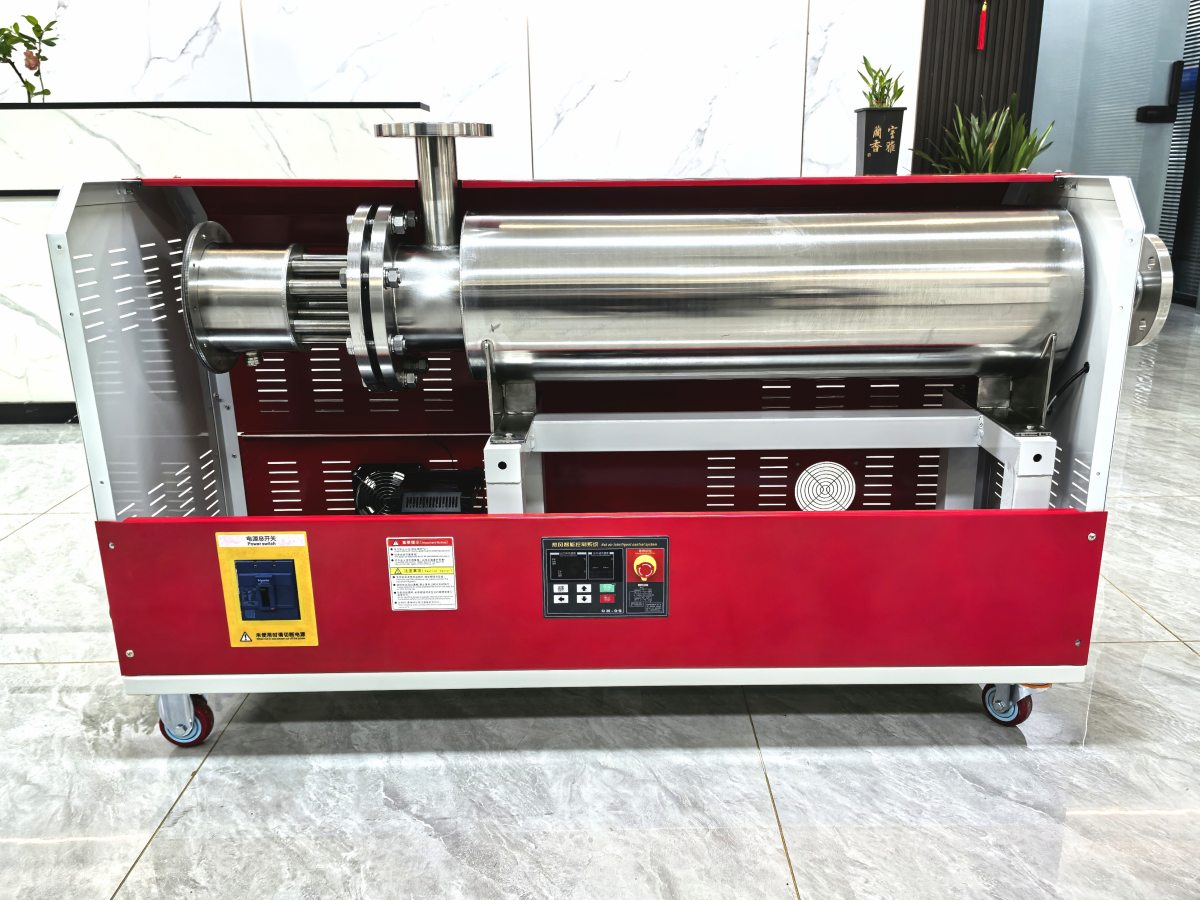
Warm air heaters operate on the basic principle of air circulation. They are equipped with a fan that draws in cool air from the surrounding classroom environment. This cool air then passes over a heating element, which can be an electric coil or a ceramic plate depending on the type of heater. As the air comes into contact with the heating element, it absorbs heat and becomes warm. The warm air is then blown back into the classroom through a vent or grille. This continuous cycle of drawing in cool air, heating it, and blowing out warm air ensures that the entire classroom is gradually heated up.
Even Heat Distribution
One of the key advantages of warm air heaters in a classroom setting is their ability to distribute heat evenly. Unlike some traditional heating methods that may create hot and cold spots, warm air heaters use their fan – based air circulation system to spread the warm air uniformly throughout the room. Some models are designed with adjustable airflow directions, allowing teachers to direct the warm air to specific areas of the classroom where it is needed most. This ensures that every student, regardless of their seating position, receives an adequate amount of warmth, creating a consistent and comfortable learning environment.
Quick Heating Response
In a school environment, time is often of the essence, especially during the morning when students arrive and classes are about to start. Warm air heaters offer a rapid heating response. As soon as they are turned on, the fan starts drawing in air, and the heating element begins to generate heat. Within a short period, warm air starts to flow into the classroom, gradually increasing the ambient temperature. This quick heating capability allows schools to quickly create a warm and welcoming environment for students, minimizing the time they have to spend in a cold classroom at the beginning of the day.
Considerations for Installing Warm Air Heaters in Classrooms
Classroom Size and Layout
The size and layout of the classroom are important factors to consider when installing warm air heaters. Larger classrooms will require more powerful heaters with a higher heating capacity to effectively heat the entire space. On the other hand, smaller classrooms may be adequately heated by a less powerful model. Additionally, the layout of the classroom, including the placement of desks, windows, and doors, can affect the heat distribution. For example, classrooms with large windows may lose more heat, so the heater may need to be placed in a strategic location to compensate for this heat loss. It is also important to ensure that the heater is not placed too close to students or in a position where it can cause obstructions.
Safety Features
Safety should always be a top priority when installing heating equipment in a classroom. Warm air heaters should be equipped with safety features such as overheat protection, which automatically shuts off the heater if it gets too hot, preventing the risk of fire. Tip – over protection is also essential, as it turns off the heater if it is accidentally knocked over, reducing the chances of accidents. Additionally, the heater should have a sturdy and stable base to prevent it from tipping over easily. Schools should also ensure that the electrical wiring for the heater is installed correctly and meets safety standards to avoid electrical hazards.
Energy Efficiency
With the increasing focus on sustainability and cost – effectiveness, energy efficiency is an important consideration when choosing warm air heaters for classrooms. Energy – efficient heaters can help schools reduce their energy consumption and lower their heating costs. Look for heaters that are designed with energy – saving features such as adjustable thermostats, which allow teachers to set the desired temperature and prevent overheating. Some models also have programmable timers that enable schools to schedule the heater to turn on and off at specific times, ensuring that heat is only provided when the classroom is in use. This not only saves energy but also reduces the wear and tear on the heater, extending its lifespan.
By understanding the need for effective classroom heating, how warm air heaters work, and the considerations for their installation, schools can make informed decisions to provide a warm and comfortable learning environment for students during the winter months.