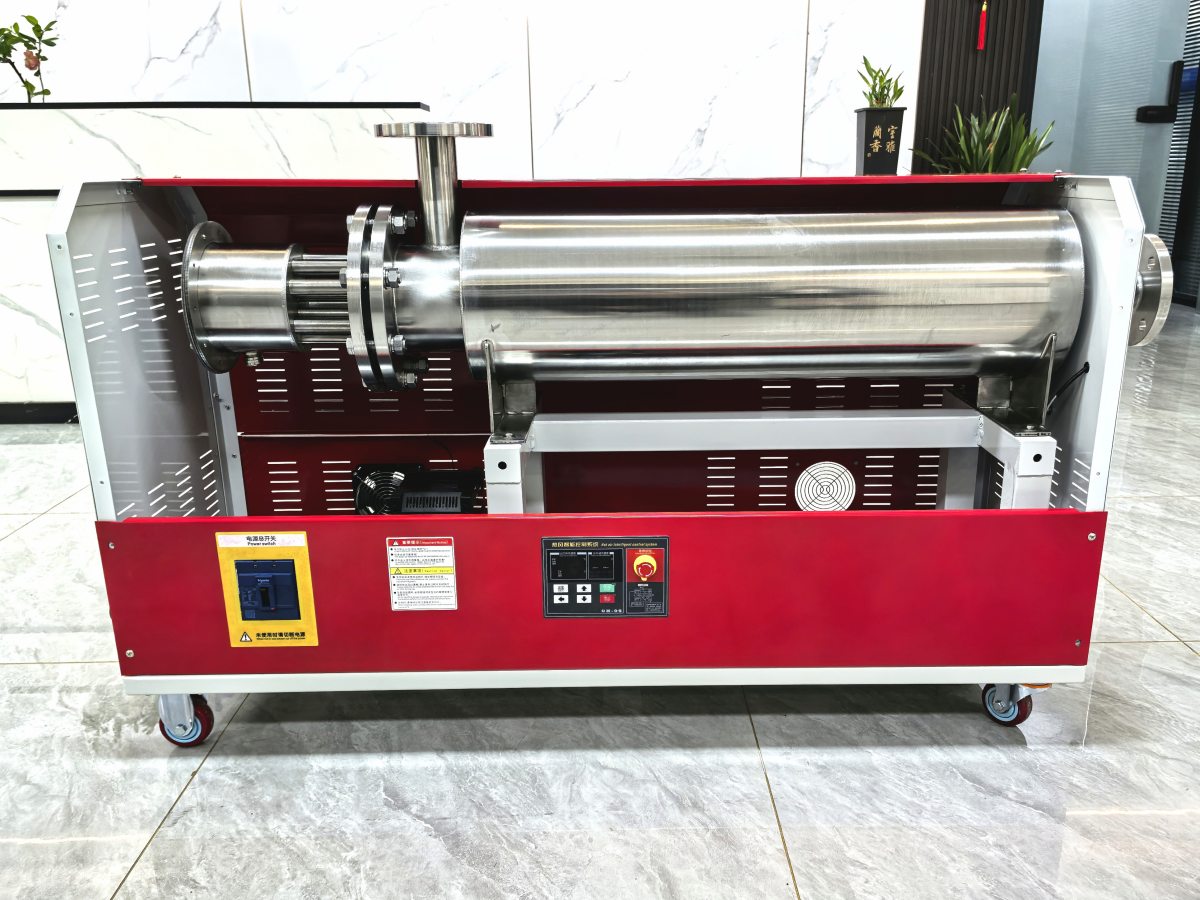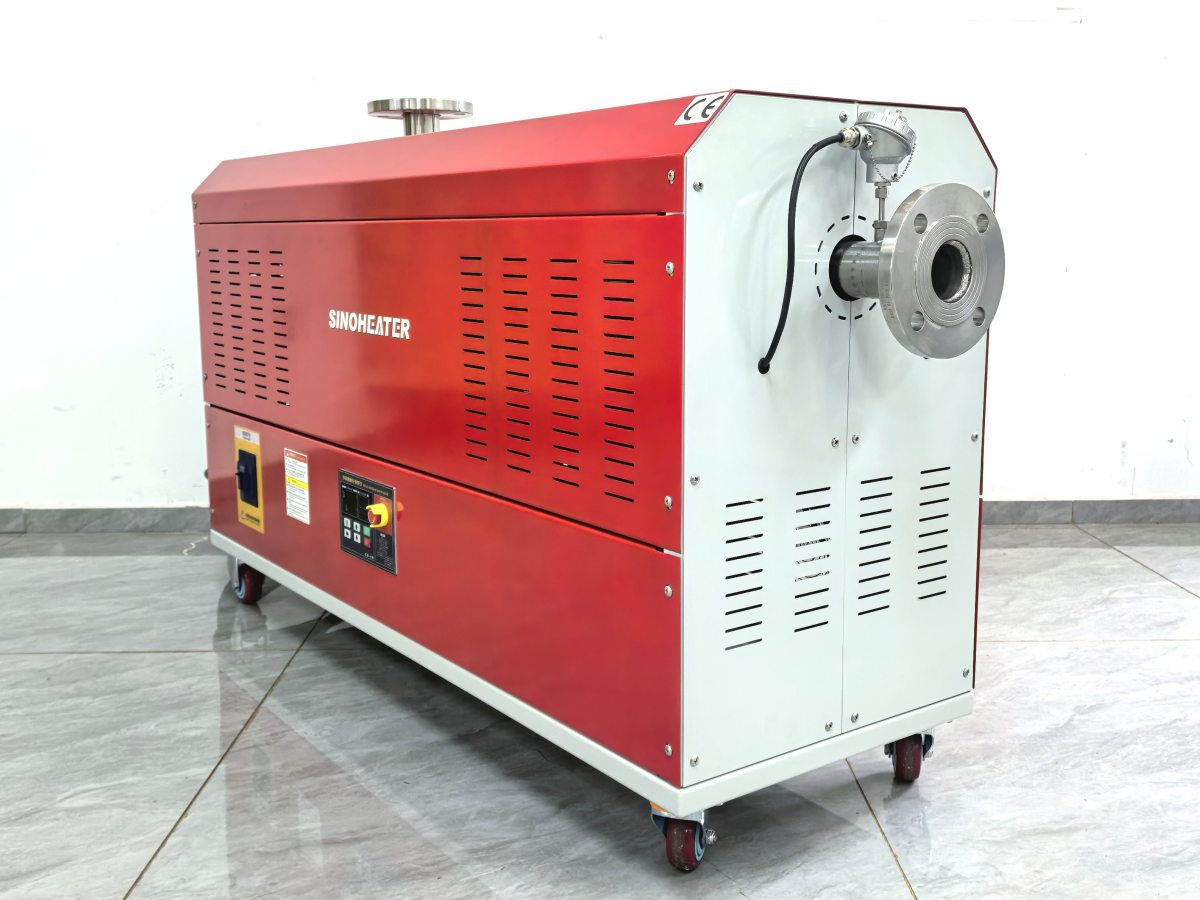
Controlled Heat Application for Even Paint Curing
Using hot air blower equipment for metal pipe surface paint baking requires precise control over temperature and airflow distribution to avoid uneven curing, bubbling, or paint film detachment that ruins the final finish. The goal is to raise the entire coated pipe surface to a consistent, stable curing temperature, rather than blasting a small section with extreme concentrated heat. This ensures the paint cross-links properly across every part of the metal substrate, creating a durable, long-lasting bond that will not peel or flake after short term outdoor exposure.
Start the process with the blower set to a lower, gradual heating profile, moving the nozzle continuously along the length of the pipe instead of holding it fixed in one spot. This slow ramp-up prevents the rapid temperature spike that can cause the outer layer of wet paint to skin over before the thinner trapped underneath can fully evaporate. If the outer film seals too early, trapped solvent vapor will expand later and create small pinholes or blisters that break the integrity of the finished coating.
Targeted Airflow Adjustment for Complex Pipe Geometries
Metal pipes are not simple flat surfaces, and their curved shape creates natural airflow shadows that lead to uneven heat distribution if you do not adjust your technique accordingly. The side of the pipe directly facing the blower nozzle will heat up much faster than the far side, and any welded joints, flanges, or threaded connection points on the pipe have far higher thermal mass that takes longer to reach full curing temperature. These uneven thermal zones are the most common places for incomplete curing to hide, creating weak spots in the coating that corrode first when the pipe is put into service.
For long straight pipe sections, move the blower in a slow, overlapping spiral pattern around the full circumference of the pipe, so every single point on the curved surface gets equal exposure to the hot airflow. For high-mass fittings and welded joints, extend the heating time slightly to make sure the entire metal mass reaches the same curing temperature as the rest of the pipe wall. This prevents the situation where the thin pipe film is fully cured, but the thick coating over the welded joint is still soft and under-cured, ready to chip off at the first minor impact.
Pre-Heating and Post-Heating Process Optimization
A structured two-step heating workflow drastically improves the final quality of the paint baking result, especially for pipes that will be used in high-corrosion industrial environments. Before you apply any paint at all, run the hot air blower over the bare metal pipe surface to raise its temperature slightly above the ambient dew point. This drives off all hidden condensed moisture that is trapped in tiny micro-pores on the metal surface, so no water vapor gets trapped between the metal and the paint film during the curing process. This simple pre-heat step eliminates a huge share of the adhesion failures that show up months after installation.
After you finish the main baking cycle, do not expose the hot pipe directly to cold ambient air immediately. Instead, switch the blower to unheated ambient airflow and run it gently over the pipe surface for several minutes to bring the temperature down slowly and evenly. This gradual cooling prevents thermal shock that can create tiny invisible cracks in the fully cured paint film, and avoids the thermal stress that can cause the metal pipe itself to develop minor dimensional warping. This careful attention to the full heating and cooling cycle ensures the finished paint coating forms a seamless, durable protective layer that delivers maximum long-term performance.
Safety and Ventilation Management for Baking Operations
Paint baking with hot air blowers generates significant amounts of solvent vapor released from the curing coating, and these fumes create both health and fire risks if proper ventilation is not maintained throughout the full process. Never run the heating operation in a fully enclosed unventilated space, and make sure fresh air is continuously circulated through the work area to keep vapor concentrations well below dangerous thresholds. Avoid any open ignition sources within a wide radius of the work zone, as even small stray sparks can ignite accumulated solvent fumes.
Wear appropriate respiratory protection that filters out paint vapor and fine airborne particles, and make sure no loose, flammable materials are left sitting near the work area where they could be accidentally exposed to stray hot airflow. Assign a dedicated spot monitor to keep watch over the operation while baking is in progress, with a clear pre-planned procedure to shut down heating and ventilate the space immediately if any unexpected issues arise. These structured safety steps prevent avoidable workplace incidents, and ensure the entire paint baking process runs smoothly from start to finish.