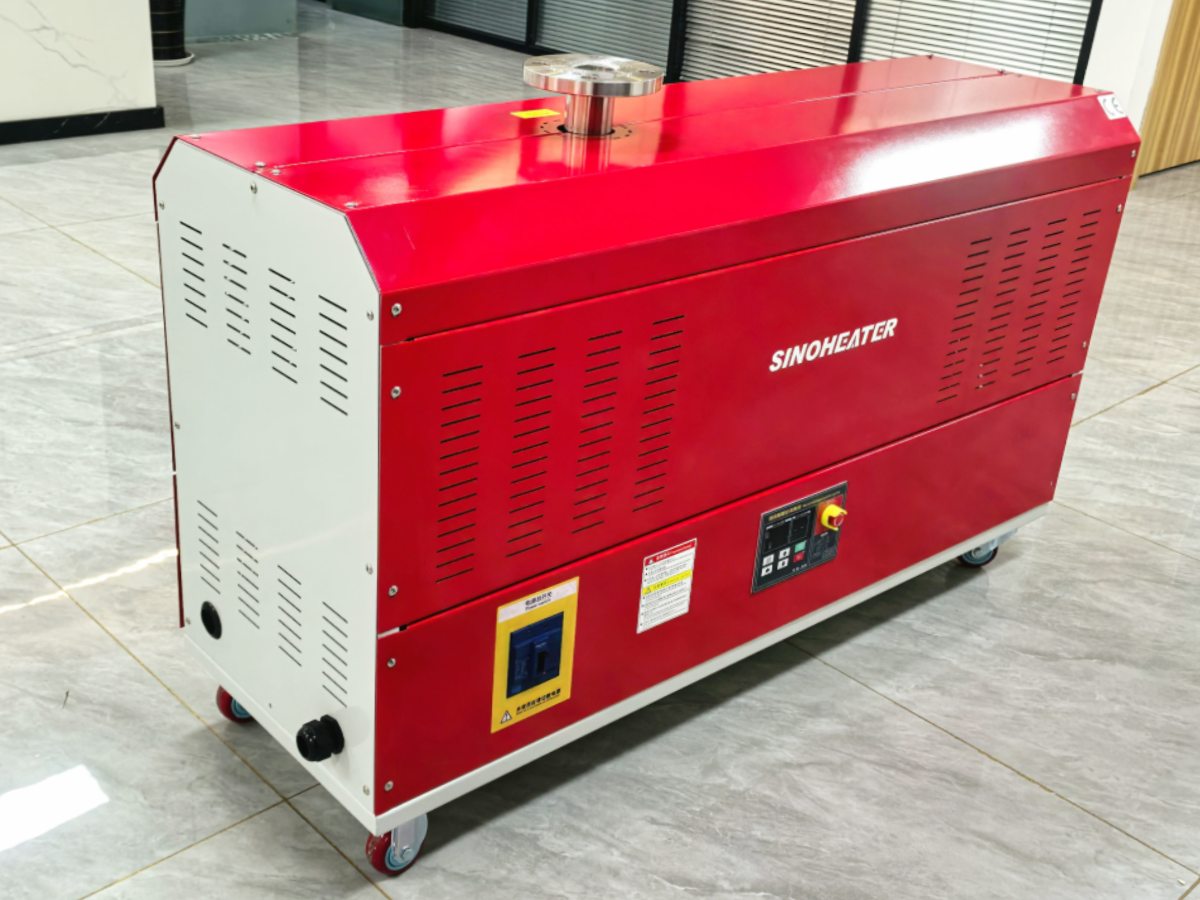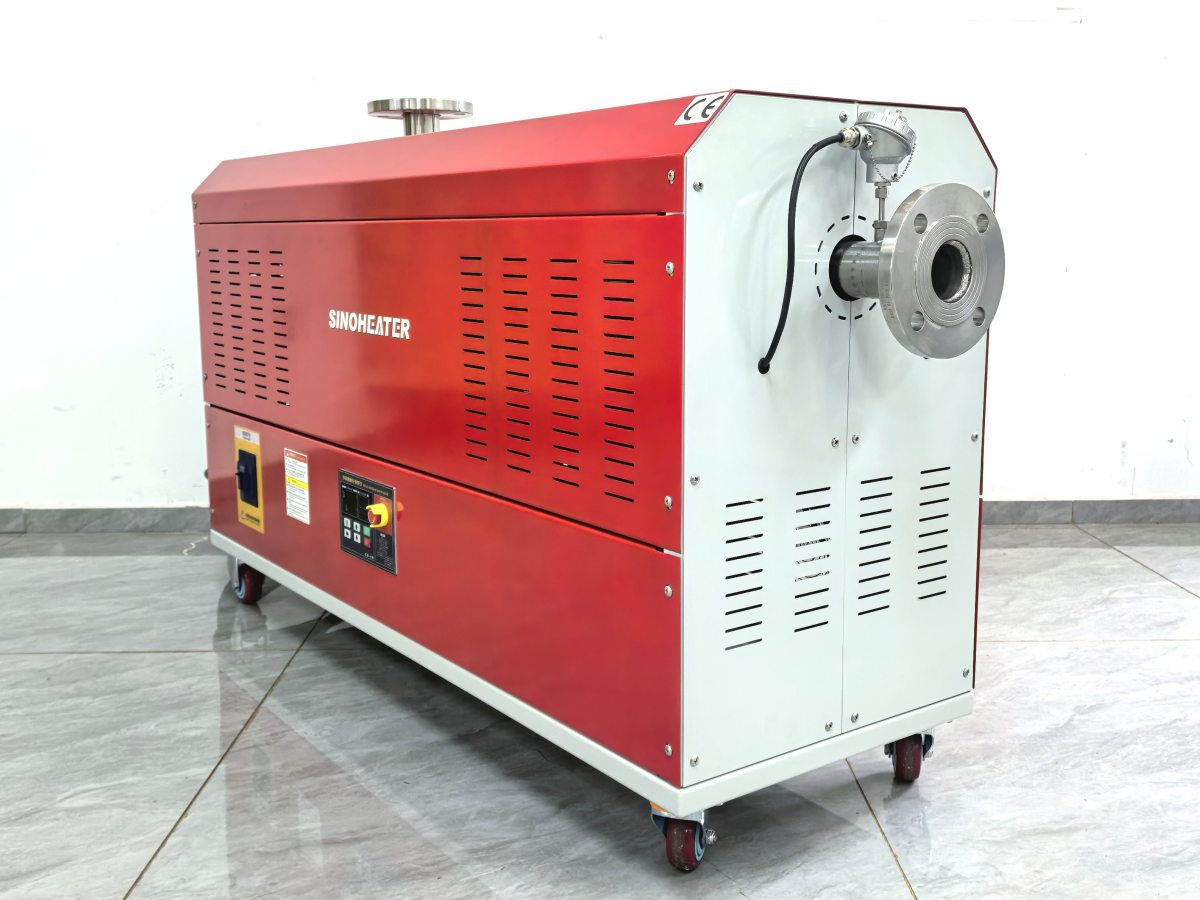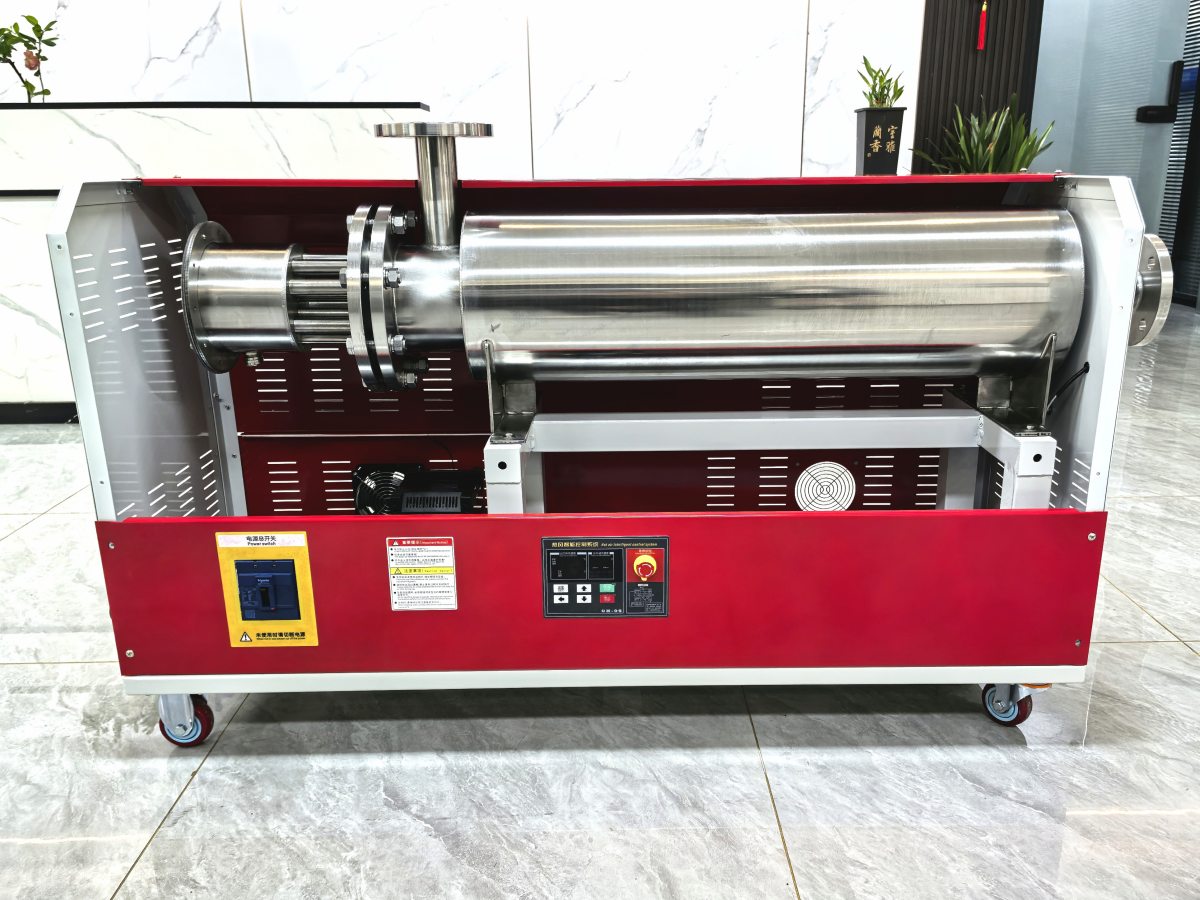
Precise Temperature Control for Uniform Fiber Bonding
Mask raw material hot air shaping relies on consistent, tightly regulated heat to bond fine fiber layers into a stable, uniform web without damaging the delicate microfiber structure that delivers filtration performance. If the air temperature is too low, fibers will not fuse properly at their intersection points, leading to a loose, easily distorted material that falls apart during later processing. If temperatures spike too high, individual fibers will melt and shrink unevenly, creating thin weak spots that break the consistent pore structure critical for reliable filtration.
The entire hot air delivery system must maintain a narrow, stable temperature band across the full width of the material web, with no unexpected hot or cold zones that create inconsistent shaping results. Even a 15-degree temperature difference across the web width will produce sections of over-shrunk dense material next to under-bonded loose sections, forcing teams to discard large portions of the finished output that do not meet quality standards. This level of temperature consistency is far more critical for mask material shaping than for many other general industrial heating tasks.
Airflow Velocity and Direction Tuning for Web Stability
Improperly adjusted hot air flow can stretch, tear, or misalign the delicate fiber web before it has a chance to set into its final shaped form. Too much high-velocity air blowing directly at the web surface will blow fine loose fibers out of alignment, creating uneven thickness and visible thin spots that ruin the material’s filtration efficiency. Too little airflow, on the other hand, fails to transfer heat evenly through the full depth of the multi-layer web, leaving inner fiber layers unbonded and structurally weak.
The airflow pattern must be arranged to move parallel to the web surface or through the full thickness of the material, rather than blasting directly perpendicular into the fiber mat. This lets hot air transfer heat uniformly to every fiber intersection without disturbing the carefully laid random fiber orientation that gives the material its high porosity and particle capture performance. Even small adjustments to air outlet angle and flow speed can drastically reduce web tearing, fiber blowout, and uneven shaping defects that waste raw material and slow down production throughput.
Line Speed and Thermal Exposure Window Calibration
The total amount of time the mask raw material spends under hot air directly defines the final structural properties of the finished shaped web. If the production line runs too fast, the material will leave the heating zone before the fibers have fully fused, leading to a soft, easily deformed product that stretches and breaks when pulled during downstream cutting and assembly. If the line runs too slow, the material will be exposed to excess heat for too long, causing over-shrinking that makes the web overly dense, brittle, and far less breathable for end users.
Teams need to run iterative test runs at different line speeds to map the exact sweet spot where thermal exposure time, air temperature, and airflow speed all align to produce a web that balances structural strength, consistent thickness, breathability, and filtration performance. This calibration process must be repeated any time raw material formulation changes, even by a small margin, to account for small differences in how the new fiber blend responds to heat. Skipping this step leads to batches of material that fail critical quality tests after they have already been fully processed.
Post-Shaping Cooling and Dimensional Stability Control
The shaping process does not end the moment the material exits the hot air zone. If the hot bonded web is allowed to cool unevenly or is pulled with too much tension immediately after heating, it will develop unexpected dimensional shrinkage or permanent distortion that ruins its final dimensions. This causes major issues later when the material is fed into automated mask assembly equipment, as inconsistent web width and stretch properties lead to misaligned cuts, rejected units, and frequent unplanned machine stops.
A controlled, gradual cooling airflow applied immediately after the hot shaping section lets the fiber bonds fully set and lock into their final stable geometry before the material is pulled through downstream rollers. This removes residual internal thermal stress that would otherwise cause the web to shrink unevenly hours after production is complete. This small, often overlooked final step ensures every roll of finished mask raw material maintains consistent dimensions and predictable handling properties all the way through the full mask manufacturing process.