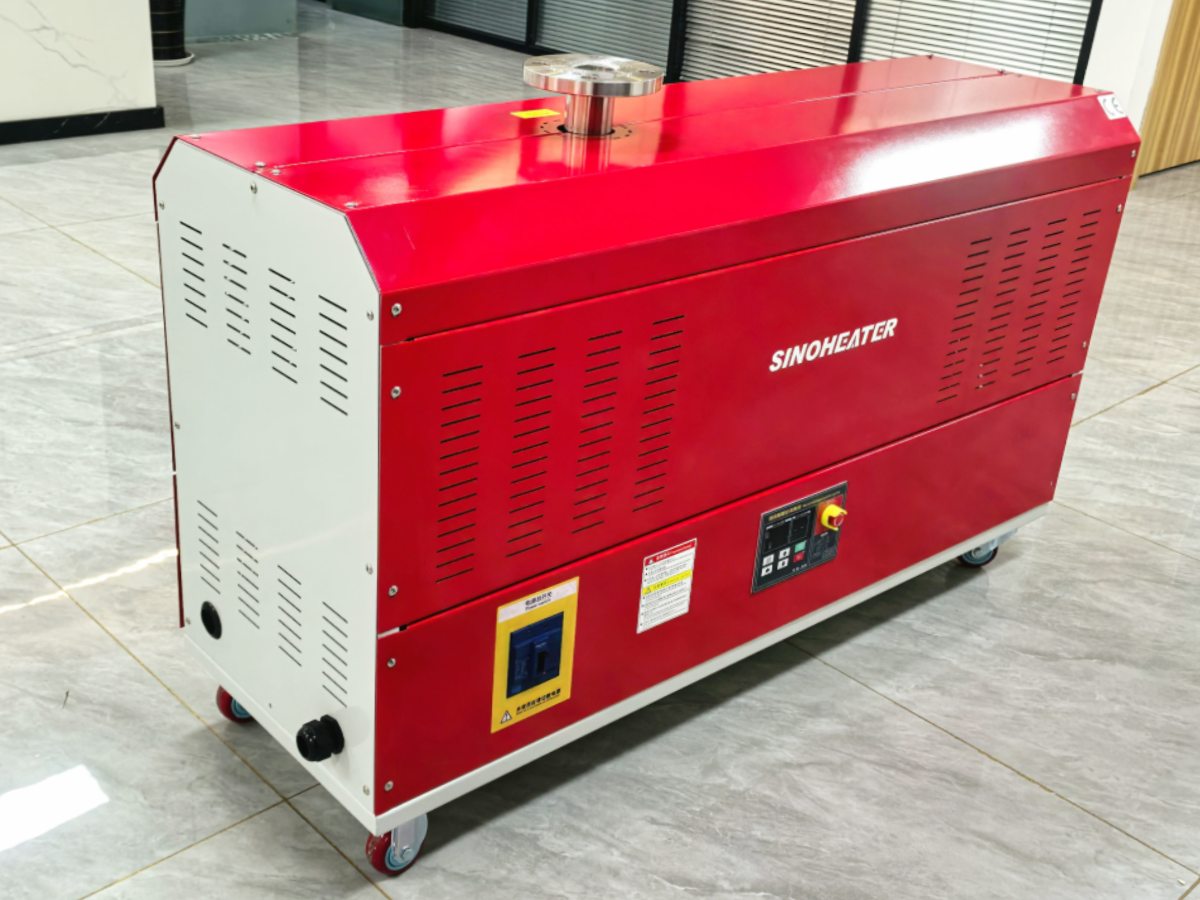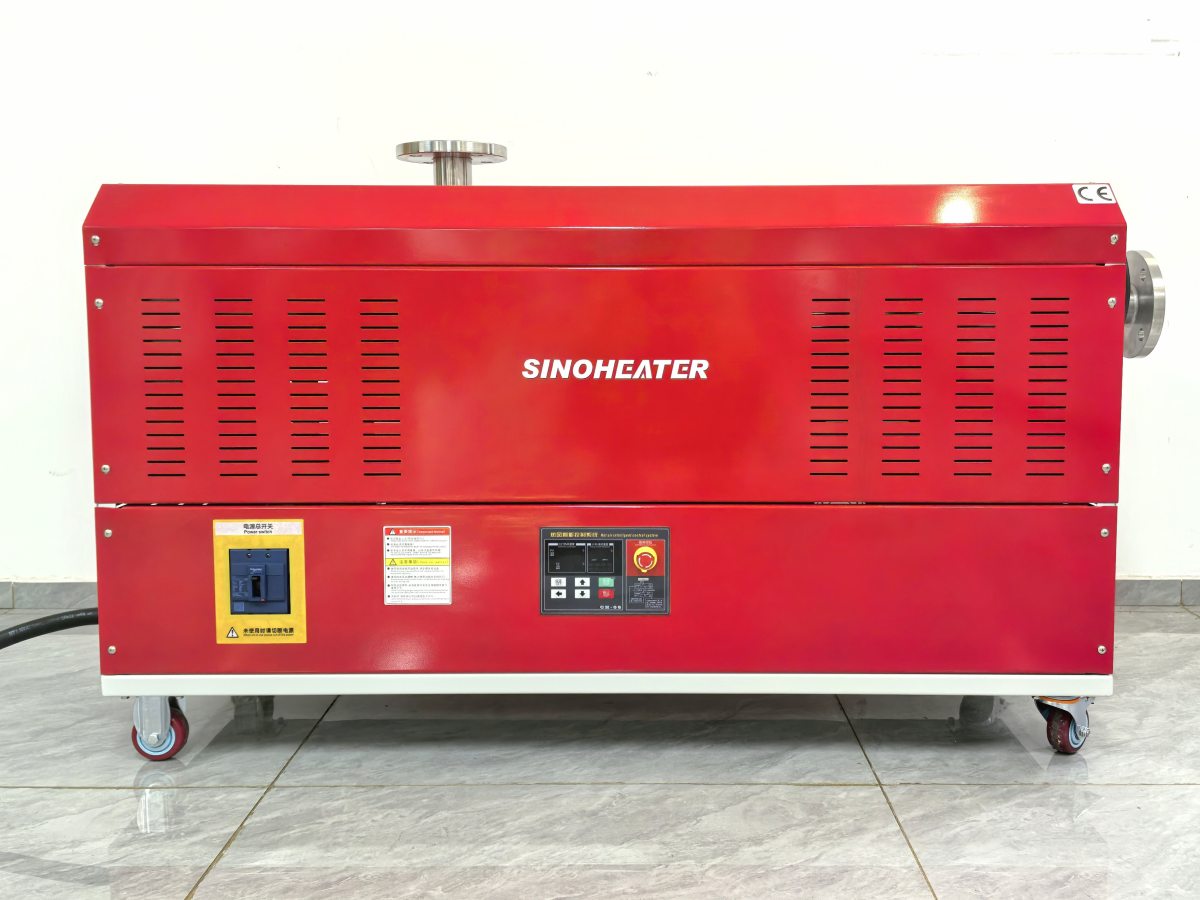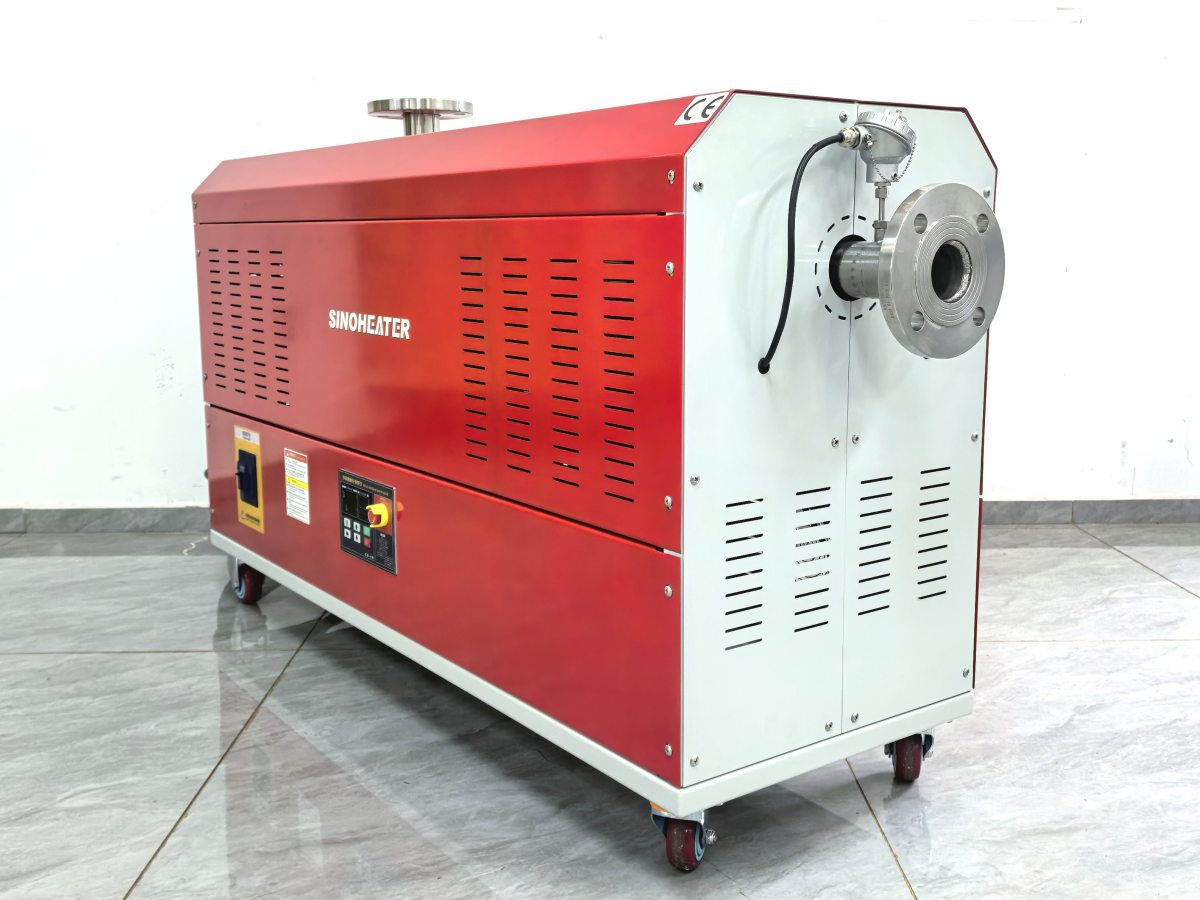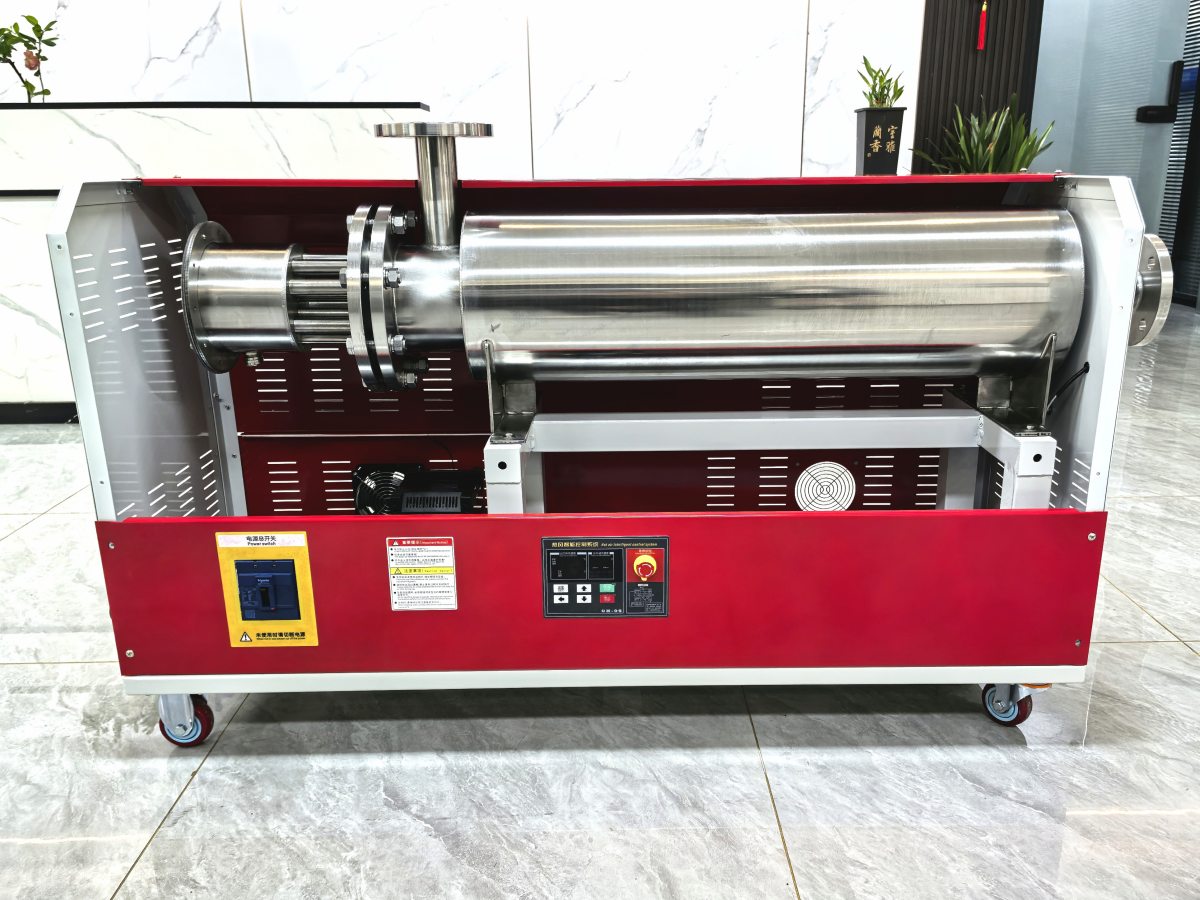
High temperature drying with hot air is a widely adopted process for stabilizing filter materials across many industrial production lines. This method delivers consistent, controlled heat that penetrates deep into fibrous and porous structures, removing residual moisture without compromising the material’s structural integrity or filtration performance. It is especially valuable for operations that need to meet strict moisture content targets before filter media moves into subsequent assembly or quality testing stages.
Proper pre-processing preparation of filter material lays the foundation for reliable high temperature drying outcomes. Before any heat is applied, operators arrange the filter stock in a uniform, loosely stacked configuration that leaves clear air channels open across every layer. This prevents dense clumps from trapping moisture inside, which could lead to uneven drying or overheating on outer surfaces. Teams also confirm the initial moisture content of incoming material, so they can adjust total processing time and heat exposure to match the exact condition of each new batch.
Airflow distribution design directly impacts drying consistency for high temperature filter material processing. Hot air moves continuously through the full depth of the filter media rather than only flowing over the top surface, so every section of the material receives equal amounts of heat and fresh dry air. Evenly spaced air movement paths eliminate dead zones where moisture could linger after the rest of the batch is already dry. Many production setups balance upward and downward airflow directions to ensure both sides of thin, delicate filter layers are treated uniformly, avoiding partial drying that would reduce final filtration efficiency.
Temperature ramp-up and dwell control prevent thermal damage during high temperature drying. Instead of exposing filter material to maximum heat the moment processing begins, operators raise the working temperature in gradual, pre-set increments. This slow ramp allows trapped surface moisture to evaporate gently before the material reaches its target high temperature dwell phase, reducing thermal shock that could cause fiber shrinkage, brittleness, or structural deformation. The controlled dwell period at peak temperature holds conditions steady long enough to remove all deep-bound moisture, while built-in over-temperature safeguards automatically adjust heat output if readings move outside safe operating limits.
Cool-down sequence management preserves filter material properties after high temperature drying completes. Once the target moisture level is confirmed, the system gradually reduces air temperature while maintaining steady airflow, allowing the material to return to ambient workshop conditions slowly. Sudden cooling can create unexpected internal stress in certain filter media types, leading to subtle warping or fiber misalignment that would hurt long-term performance. Operators only move finished filter material to packaging or next-stage handling after full temperature stabilization, ensuring the final product maintains its exact intended physical shape and filtration characteristics.
Regular system performance checks keep high temperature drying operations stable over long production runs. Teams inspect air intake paths, heat distribution components, and temperature sensing elements on a consistent schedule to prevent drift in process parameters that could compromise batch quality. Routine checks also confirm that no residual debris or accumulated material is blocking airflow channels, which helps maintain uniform heat delivery across every drying cycle. These consistent, practical maintenance practices reduce unplanned downtime, minimize material waste, and support repeatable, high-quality results for every batch of processed filter media.