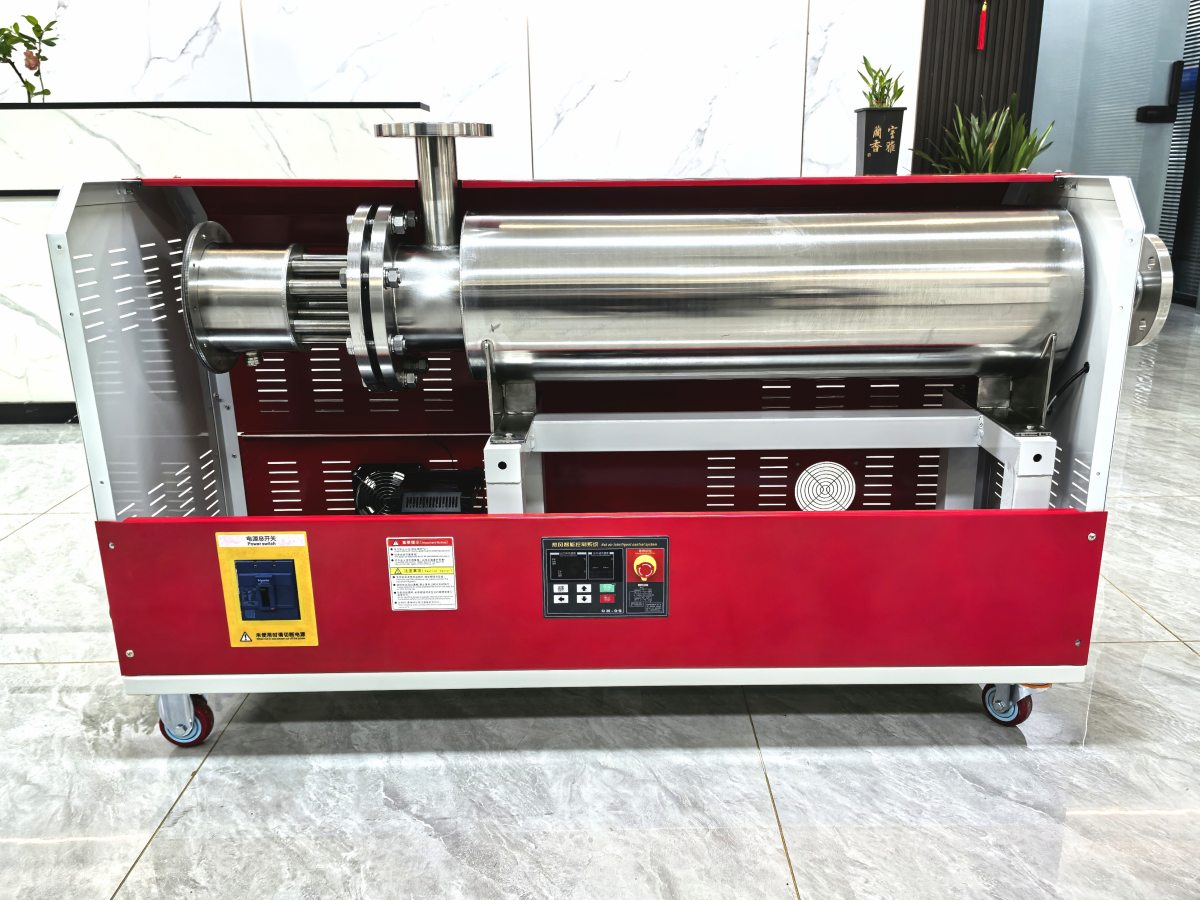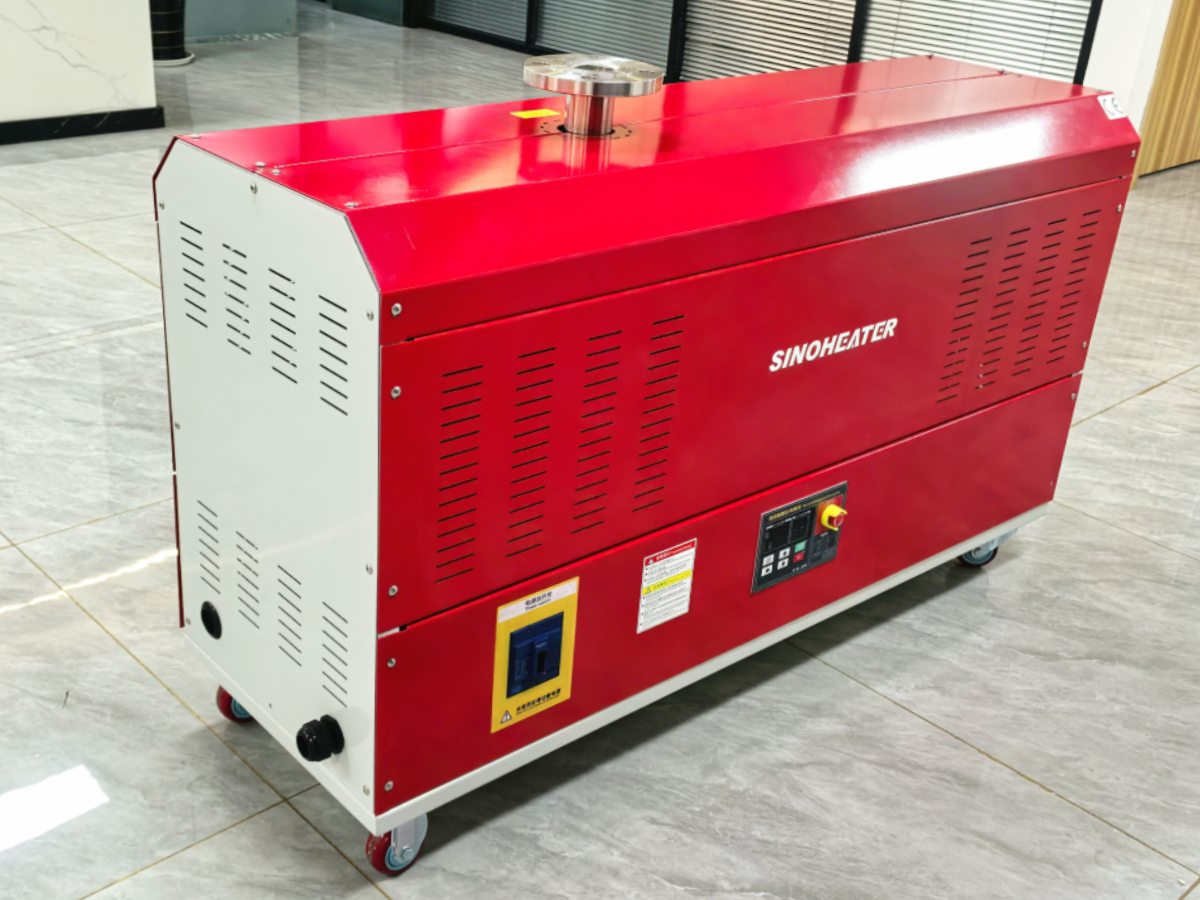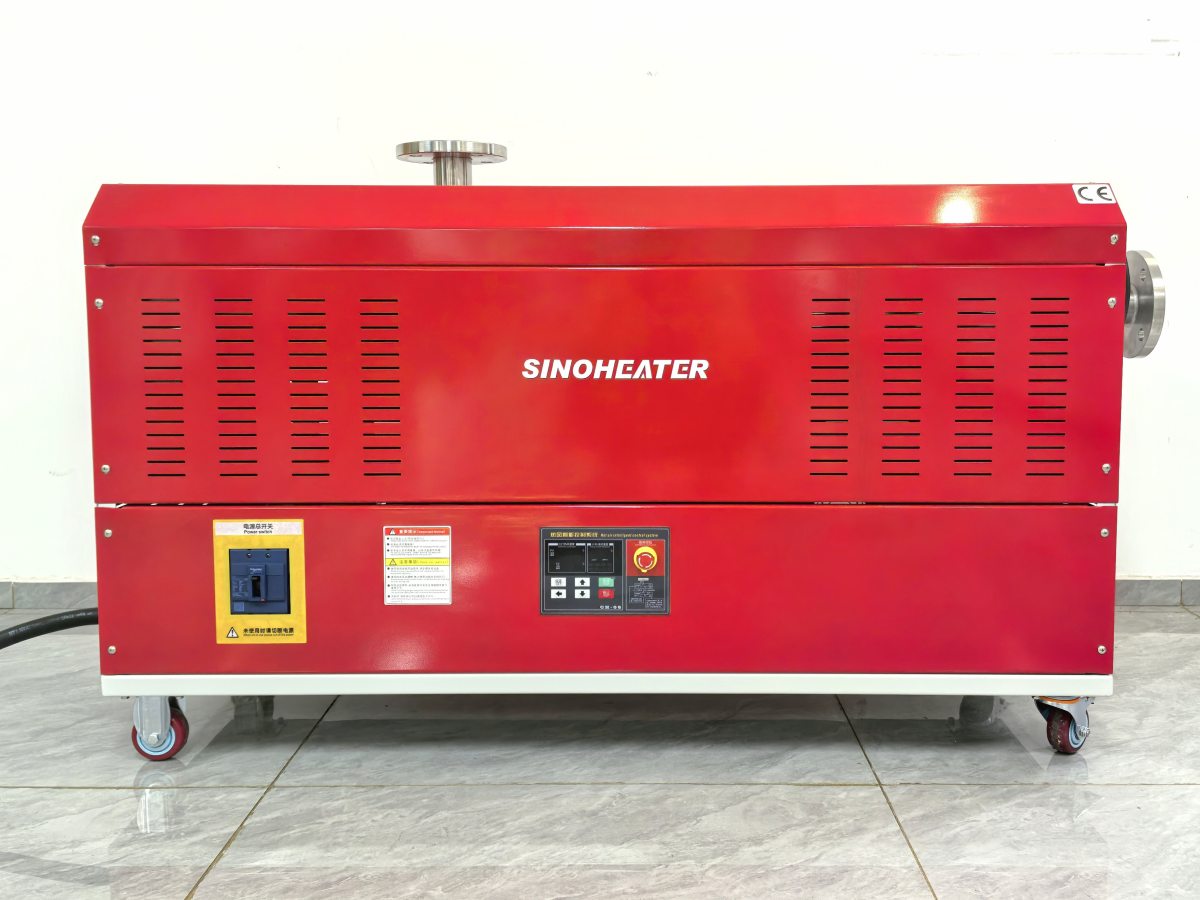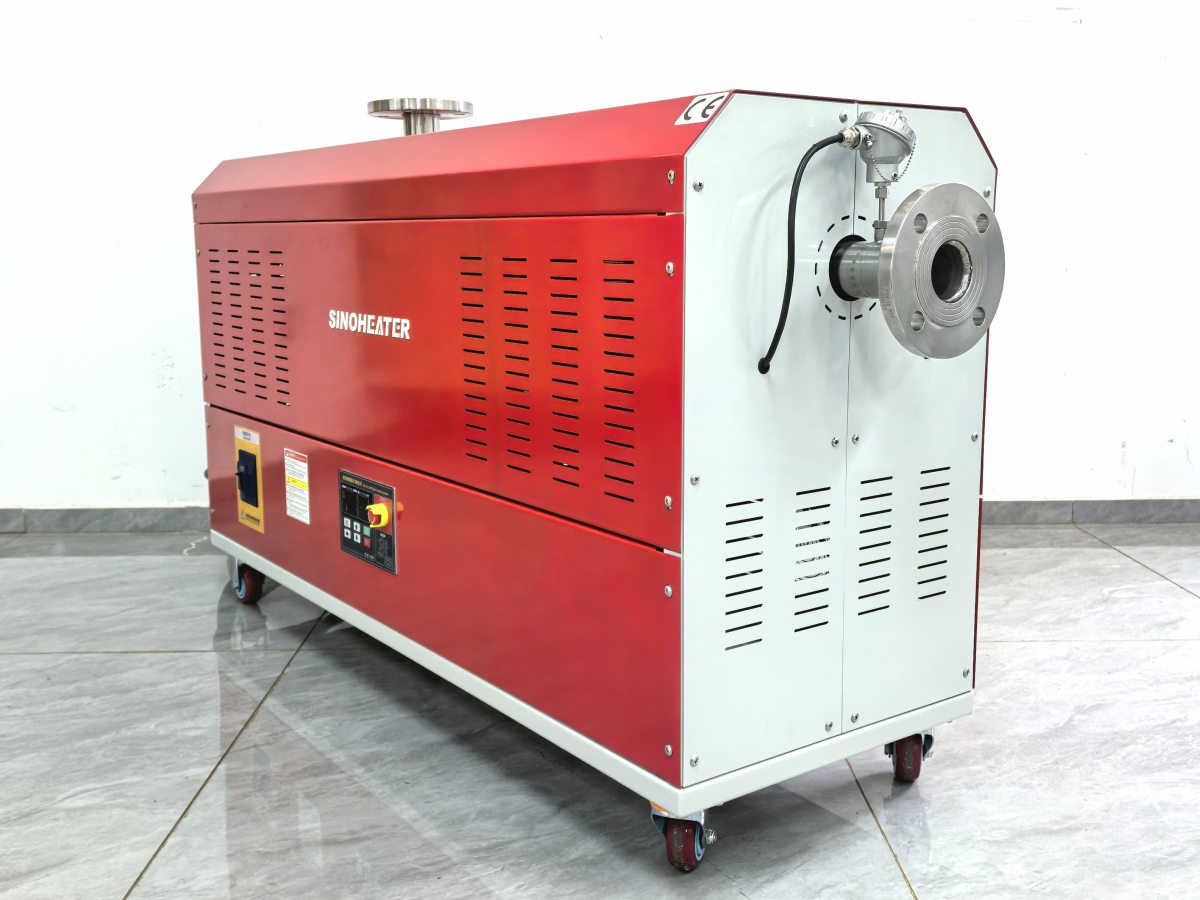
Hot air blower treatment for metal surface degreasing and cleaning is a widely used industrial process that removes residual oil, grease, release agents, and light organic contaminants from metal parts before subsequent coating, bonding, or assembly operations. Unlike full immersion chemical cleaning methods, targeted hot air processing can be applied selectively to specific surface areas, reducing overall chemical usage and eliminating the risk of trapping cleaning agents in complex part geometries. When executed with proper control, this method leaves a dry, contaminant-free metal surface that meets strict preparation standards for downstream manufacturing steps.
Pre-treatment surface evaluation and contaminant mapping
Before applying any heated airflow, conduct a full visual and tactile inspection of the metal surface to identify the type, distribution, and thickness of the grease or oil residue present. Thin, uniform machine oil films require a different heat profile than thick, caked-on release agent buildup that has been baked onto the surface over extended operating cycles. Mark any recessed grooves, threaded holes, or narrow gaps where contaminants tend to accumulate, as these areas will require extended, carefully directed airflow to fully clear trapped residue.
Wipe away any excess thick grease with a lint-free industrial cloth before introducing hot air, to prevent the heated blower from simply spreading softened contaminants across a wider area of the part. This pre-cleaning step reduces the total heat exposure time required, lowers the risk of partial oil carbonization, and ensures the hot air can make direct contact with the thin residual layer that remains on the base metal. Document the initial condition of each part category to build a repeatable baseline that prevents inconsistent cleaning results across different batches.
Controlled temperature and airflow sequence design
Start the process with moderate, evenly distributed hot air across the entire target surface, allowing the residual grease to soften gradually rather than being subjected to sudden extreme heat. Rapid temperature spikes can cause light oil fractions to vaporize instantly, leaving behind a thin, stubborn carbonized film that adheres tightly to the metal surface and becomes far more difficult to remove completely. Maintain a consistent working distance between the blower outlet and the part, so heat and airflow are distributed evenly without creating concentrated hot spots that could warp thin metal substrates.
Adjust airflow direction to push dissolved and vaporized contaminants away from clean sections of the part, rather than blowing them toward unprocessed areas or back into unsealed internal cavities. Use sweeping, side-to-side motions rather than holding the blower fixed on one single point, to ensure every section of the surface receives uniform exposure and no thin oil film is left partially unprocessed. For parts with complex geometries, reposition the part itself at regular intervals so angled and shaded surfaces get the same level of direct hot air coverage as flat, easily accessible outer faces.
Post-treatment surface verification and residue validation
Once the full hot air cycle is complete, allow the metal part to cool down to stable ambient temperature before performing any post-cleaning inspection. Running checks while the surface is still hot can lead to inaccurate readings, as residual heat can make faint remaining residue nearly impossible to detect through standard contact testing. Wipe a clean white lint-free cloth lightly across every section of the surface to confirm no visible oil or grease transfer remains on the material.
For applications that require extremely strict surface cleanliness, perform a simple water break test by letting a thin stream of clean water run across the treated metal. A fully degreased, properly cleaned surface will allow the water to spread out in a continuous, unbroken sheet, while any remaining trace of oily residue will cause the water to bead up and pull away from that specific spot. Document the final inspection results for each batch, and refine temperature, airflow, and cycle duration parameters over repeated runs to create a fully standardized process that delivers consistent, reliable degreasing performance for every type of metal part processed in the facility.