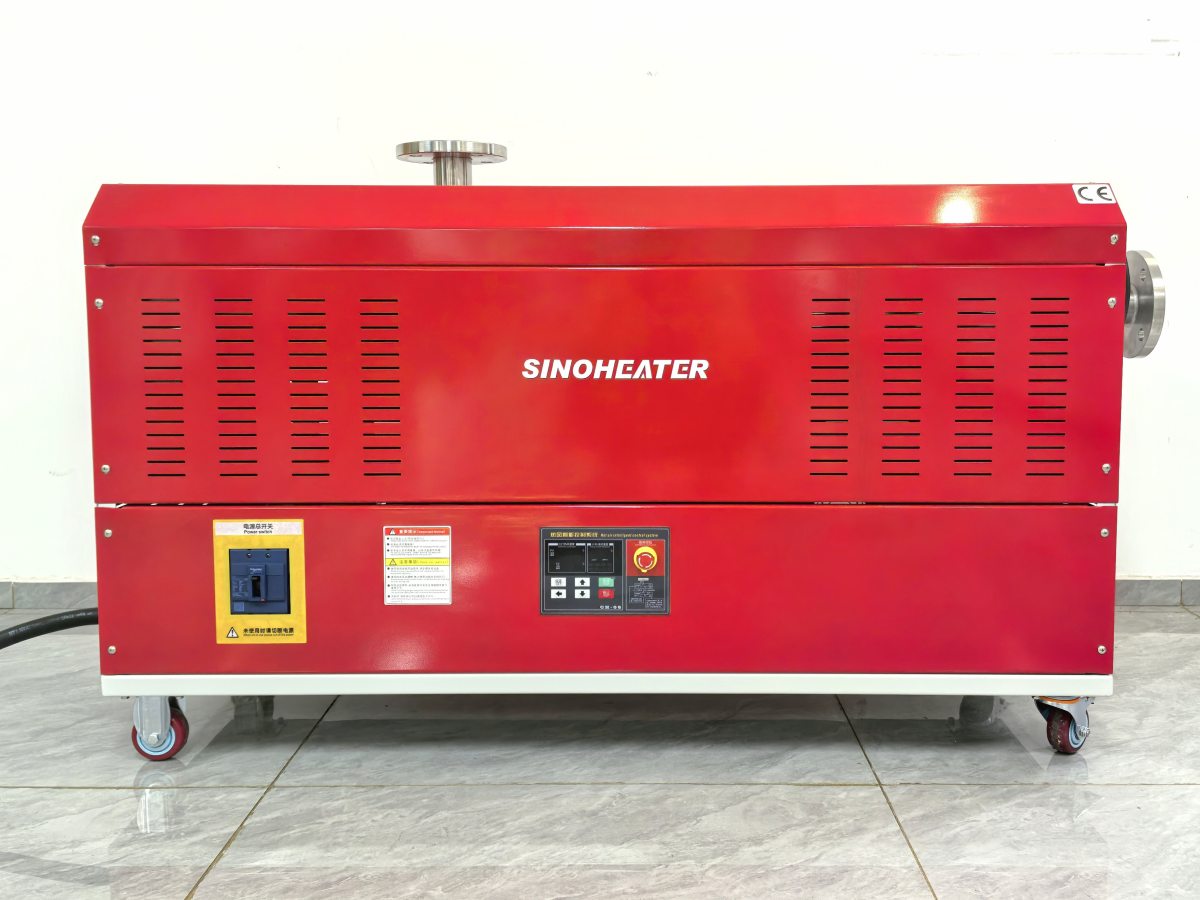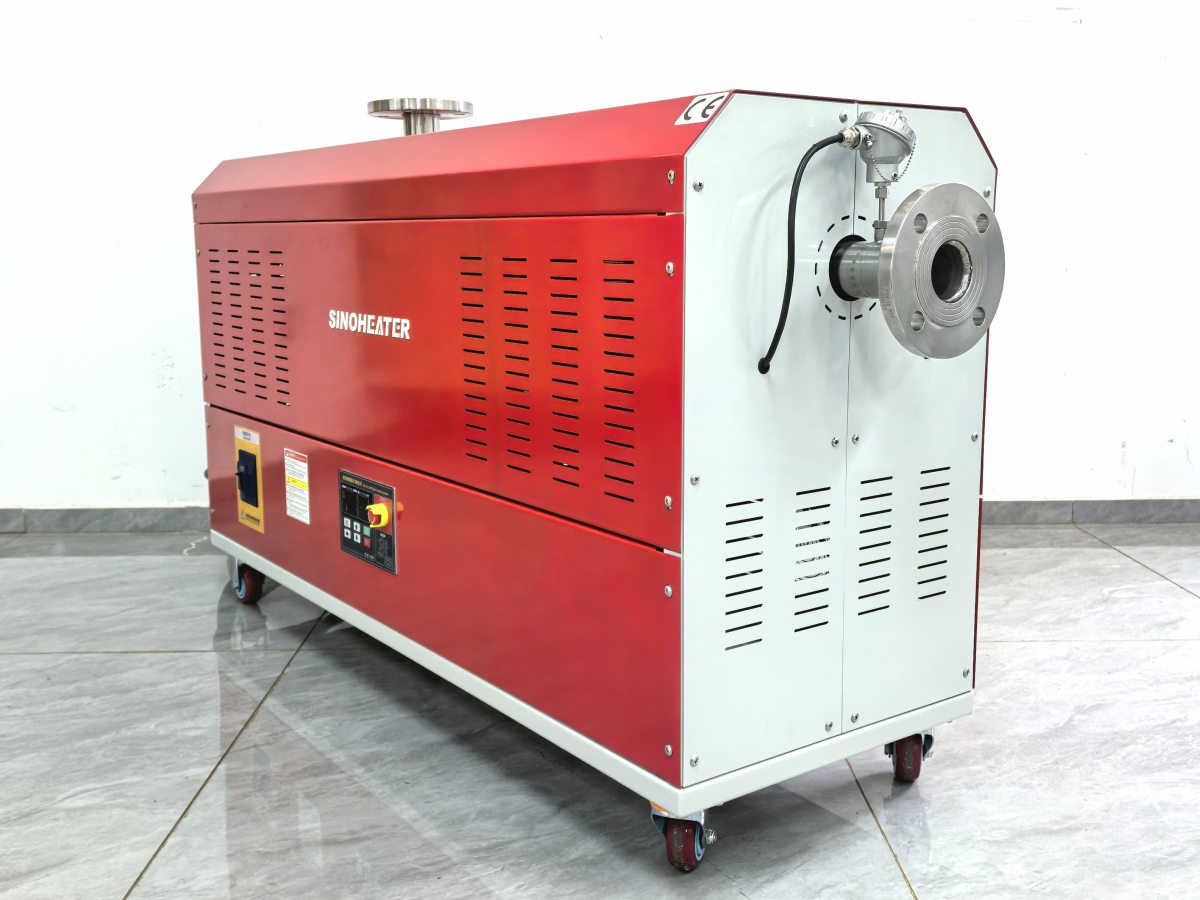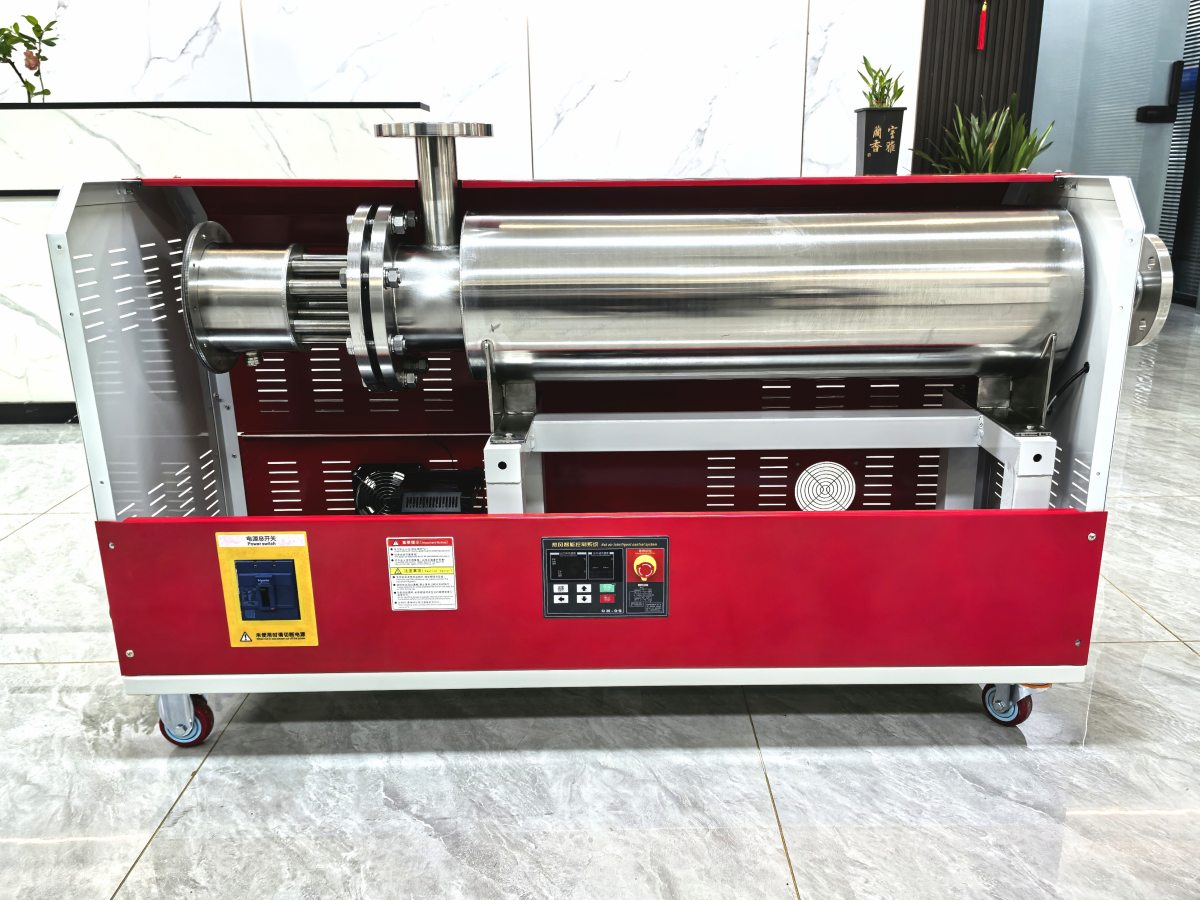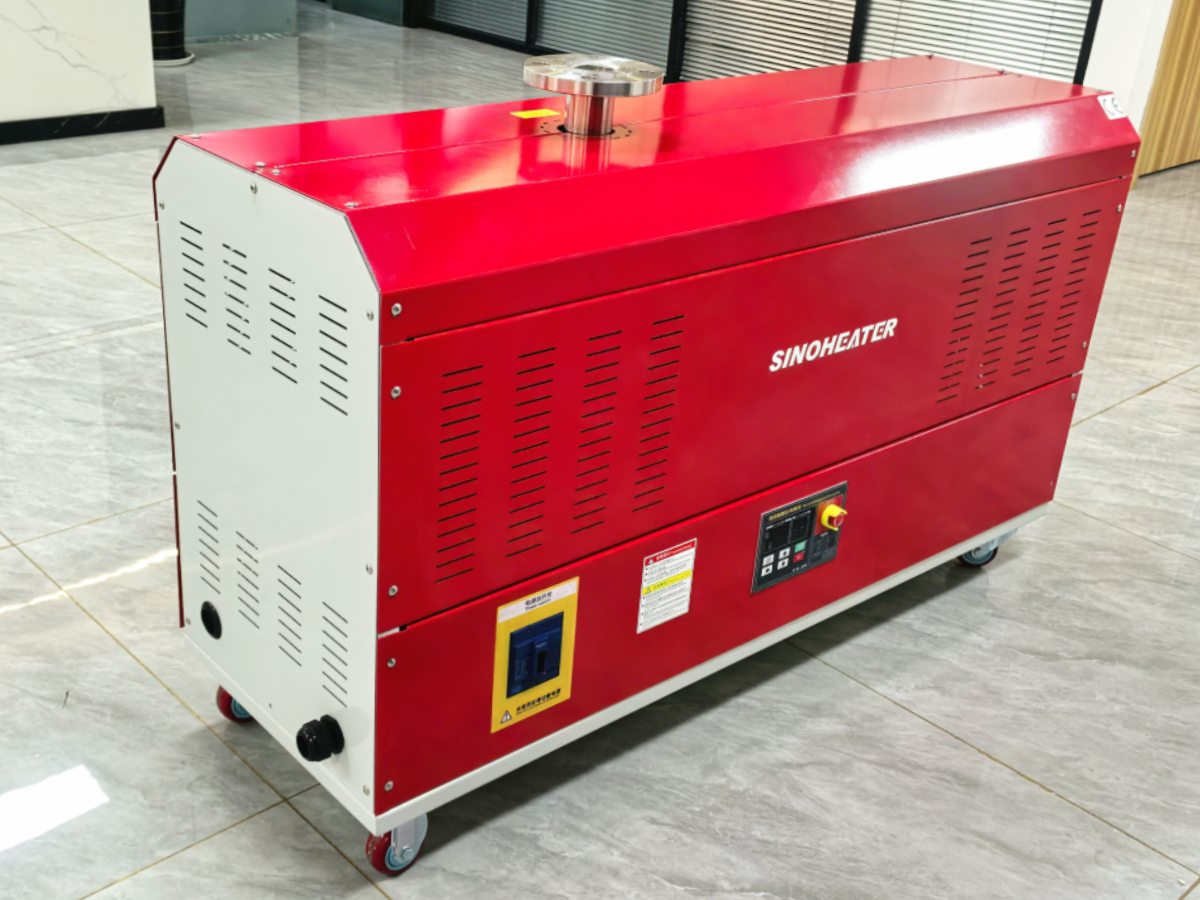
Controlled hot air drying is a critical stage in battery production pole piece manufacturing, where the quality of thermal treatment directly impacts the final performance, consistency, and long-term safety of every finished cell. After the active material coating is applied to the current collector, residual solvent must be removed in a precise, uniform way that does not disrupt the delicate microstructure of the coated layer. Uneven drying, sudden temperature spikes, or inconsistent airflow can create surface cracks, delamination, or non-uniform material density that leads to uneven electrochemical performance across batches.
Thermal Gradient Calibration for Coating Integrity Preservation
The drying process cannot jump immediately to maximum temperature, because rapid, intense heat will cause solvent near the coating surface to evaporate far faster than the solvent trapped deeper inside the layer. This creates a hardened, sealed crust on the top of the pole piece that traps remaining solvent beneath it, leading to blistering, surface bubbling, or internal structural defects that are nearly impossible to detect with casual visual inspection. A carefully staged thermal gradient, starting at a lower initial temperature and rising slowly in controlled increments, lets solvent escape gradually and evenly from every level of the coated material.
This staged approach ensures the entire coating layer dries from the inside out, rather than locking moisture and solvent deep inside. Even minor adjustments to the rate of temperature increase can make a measurable difference in final coating uniformity, reducing the rate of rejected pole pieces later in the production line. Teams that refine this gradient profile over time see far fewer hidden quality issues that would otherwise only appear during subsequent cell testing.
Airflow Velocity Matching for Different Coating Thicknesses
Pole pieces for different battery chemistries and capacity ratings often have very different coating thicknesses, and the same hot air flow settings that work for a thin, lightweight layer will not deliver good results for a much thicker, denser coating. If airflow velocity is too high for a thick pole piece, the force of the moving air can create uneven surface texture, shift loose active material particles, or even create faint ripples across the coating that disrupt the uniform thickness required for consistent cell performance. If airflow is too low, drying time extends unnecessarily, and residual solvent can linger in deeper sections of the coating.
Matching airflow speed and direction to the exact thickness and material properties of the pole piece being processed creates a perfect balance that removes solvent efficiently without disturbing the fragile coating structure. Many experienced production teams map custom airflow profiles for each unique pole piece specification, so every variant moving through the line gets the exact thermal treatment it needs. This level of targeted adjustment eliminates a huge share of the subtle, hard-to-trace quality variations that otherwise appear across different production batches.
Humidity and Ambient Condition Stabilization for Batch Consistency
Even when temperature and airflow settings stay completely unchanged, shifts in workshop ambient humidity and air intake conditions can alter how fast solvent evaporates from the pole piece surface. On days with high ambient moisture, the hot air stream carries higher water vapor content, which slows down the evaporation rate and leaves more residual solvent in the final coating. Over the course of a long production run, these small environmental shifts can create noticeable differences in drying quality between the first and last pole pieces in the same batch.
Stabilizing the intake air condition before it reaches the heating system removes these external variables from the drying process entirely. Pre-conditioning the air to a consistent, fixed humidity level ensures every pole piece, regardless of daily workshop weather changes, receives exactly the same drying environment. This consistent baseline eliminates random, unplanned quality drift that would otherwise force operators to constantly readjust temperature settings to compensate for shifting ambient conditions.
In-Line Monitoring to Catch Drying Defects Early
Even with perfect upfront calibration, gradual buildup of fine coating dust on air nozzles, minor shifts in heater output, or slow changes in conveyor speed can create small deviations in drying performance that slowly accumulate over time. Without regular in-line checks, these deviations can go unnoticed until large volumes of partially dried or over-dried pole pieces have already moved further down the production line. Simple, non-contact monitoring points placed at key stages of the drying path can track surface temperature, residual moisture level, and coating uniformity in real time, flagging even tiny deviations before they lead to large amounts of wasted material.
This real-time feedback also lets operators make tiny, incremental adjustments to airflow or temperature to bring the process back to its ideal operating window, rather than waiting for post-production quality test results to reveal problems. Over time, this level of active monitoring creates a far more stable, repeatable drying process that supports the strict consistency requirements of modern high-performance battery manufacturing.