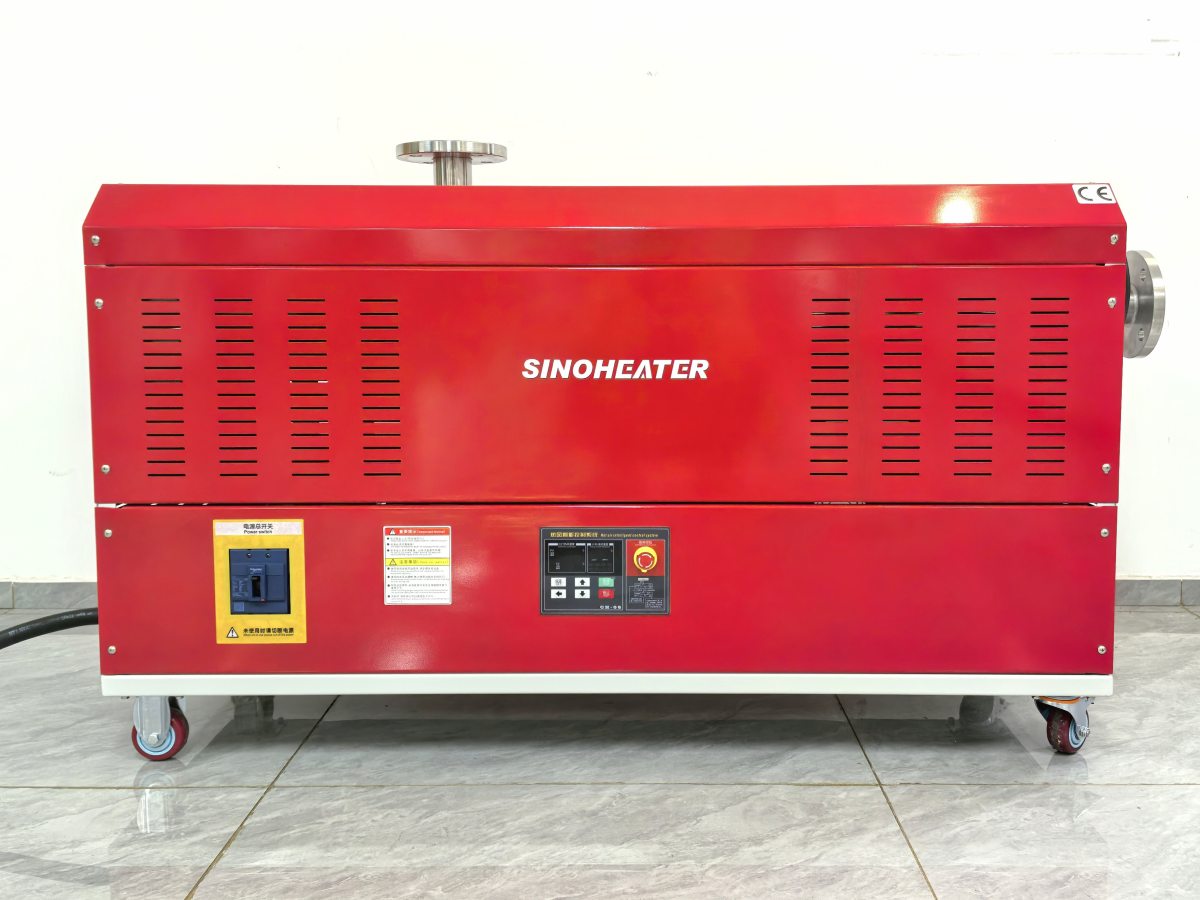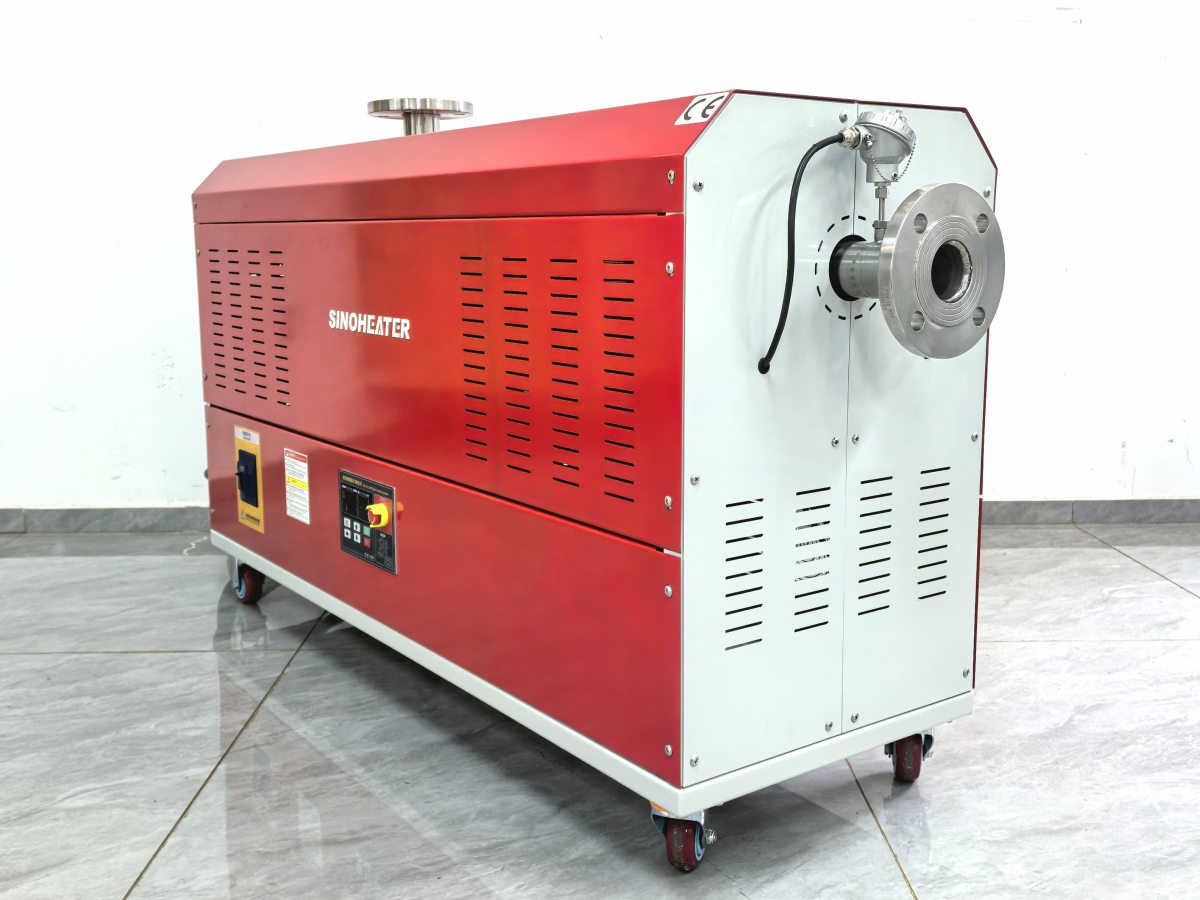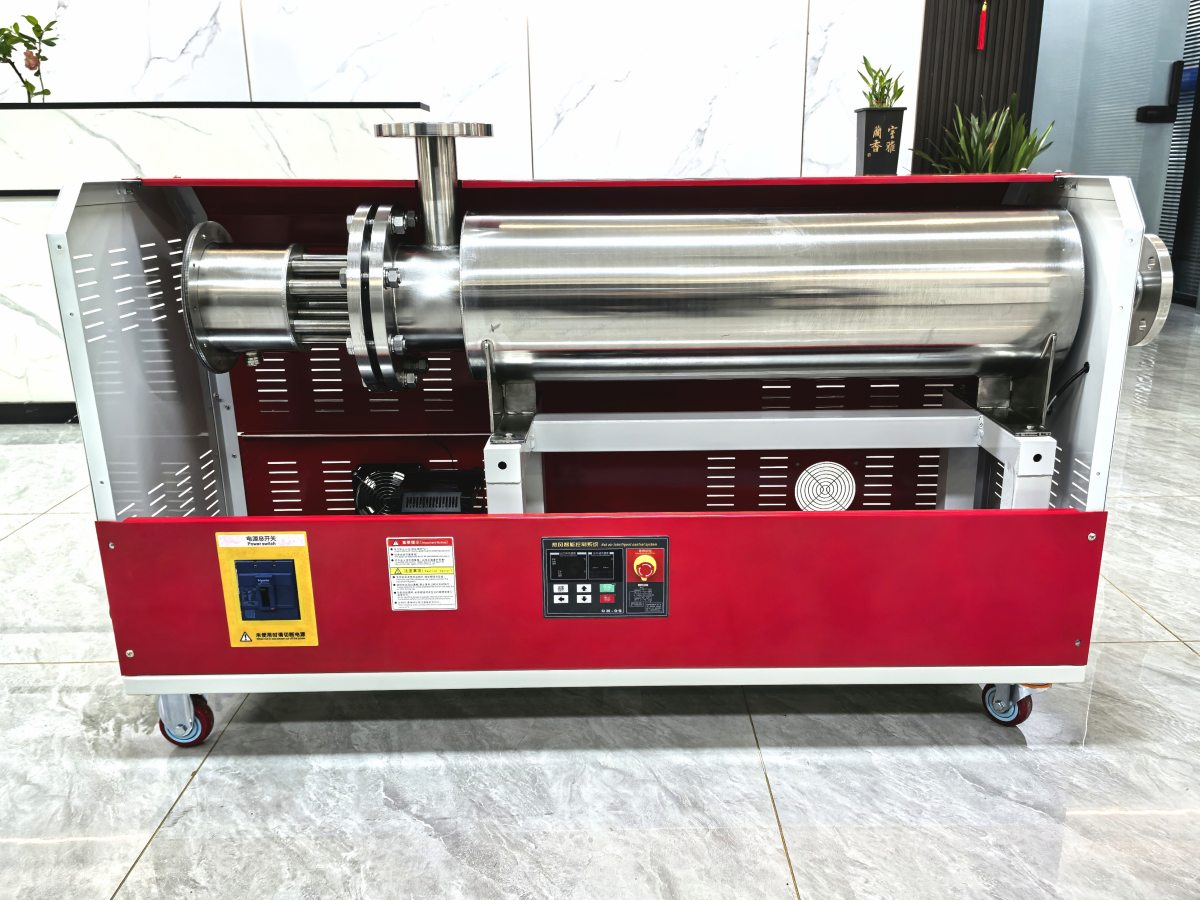
Packaging film heat sealing is a high-precision process that depends on delivering consistent, evenly distributed thermal energy to the exact sealing zone, without overheating adjacent film areas or creating weak, incomplete bonds that fail during distribution. Even small inconsistencies in heat application can lead to leaky seals, wrinkled packaging, or damaged product inside, creating costly waste and rework for high-volume packaging lines. Hot air blower auxiliary heating has become a widely adopted solution to fill these performance gaps, adding targeted thermal control that standard contact sealing systems cannot easily deliver on their own.
How auxiliary hot air heating complements standard sealing processes
Traditional contact-based sealing systems apply heat directly through heated bars that press against the film surface, but they often struggle to maintain uniform temperature across the full seal width, especially when running at high line speeds. The very edges of the seal can cool down slightly before the polymer film reaches its full melting temperature, creating thin, weak points that break easily under minor pressure. Auxiliary hot air heating addresses this gap by pre-heating the exact sealing zone with a controlled, even stream of hot air right before the contact sealing bar makes contact.
This pre-heating step raises the entire film layer to a consistent, uniform baseline temperature before any pressure is applied, so the contact sealer only needs to add a small amount of extra heat to push the material to its precise melting point. The result is a fully fused, homogeneous seal that has no cold spots or incomplete bonding, even on thin, hard-to-control film materials that are prone to tearing or pinholing with standard sealing methods. This approach also eliminates the common problem of uneven heat distribution that causes some sections of the seal to overheat and burn through, while others remain under-sealed.
Optimal operating practices for consistent auxiliary heating performance
To get the most reliable results from this setup, operators align the hot air blower nozzle to direct the heated air stream only at the narrow sealing zone, rather than spreading it across the full width of the packaging film. This targeted placement ensures no excess heat is wasted on areas outside the seal, preventing unwanted shrinkage, warping, or discoloration of the printed graphics on the rest of the packaging. Teams also carefully calibrate the distance between the blower nozzle and the film surface, so the hot air has enough space to spread evenly across the full seal width without creating high-velocity air jets that tear or deform the thin film material.
Operators also match the air temperature and flow rate exactly to the specific polymer film being processed. Different film formulations have very different melting points and heat sensitivity levels, so running a single universal setting across all materials will always deliver inconsistent results. They run short test cycles to fine-tune parameters, adjusting air temperature in small increments until the film reaches its ideal seal temperature without developing bubbling, stretching, or distortion before the contact sealing bar even touches the surface. This level of targeted calibration eliminates almost all common seal quality defects that slow down high-volume packaging lines.
Troubleshooting common auxiliary heating related sealing issues
Even with careful setup, teams will occasionally run into small, predictable issues that can be quickly resolved with minor adjustments to the hot air system. If seals are showing incomplete bonding across the full width, the most common cause is uneven air flow distribution across the nozzle outlet, which leaves small cold spots in the pre-heated zone. Installing a simple diffuser screen at the nozzle exit breaks up concentrated air streams, spreading heat evenly across the entire seal area to eliminate those weak points completely.
If operators notice the film is developing unexpected wrinkles or shrinkage lines right outside the seal zone, this almost always means the hot air flow rate is set too high, or the nozzle is positioned too close to the film surface. Reducing air velocity slightly and moving the nozzle a small calibrated distance away from the film eliminates this problem, while still delivering all the pre-heat needed for a strong, consistent seal. Teams that track these small adjustments over time build up a clear reference library of optimized settings for every film type they run, so they can switch between different packaging formats quickly without wasting time on lengthy re-calibration every time.