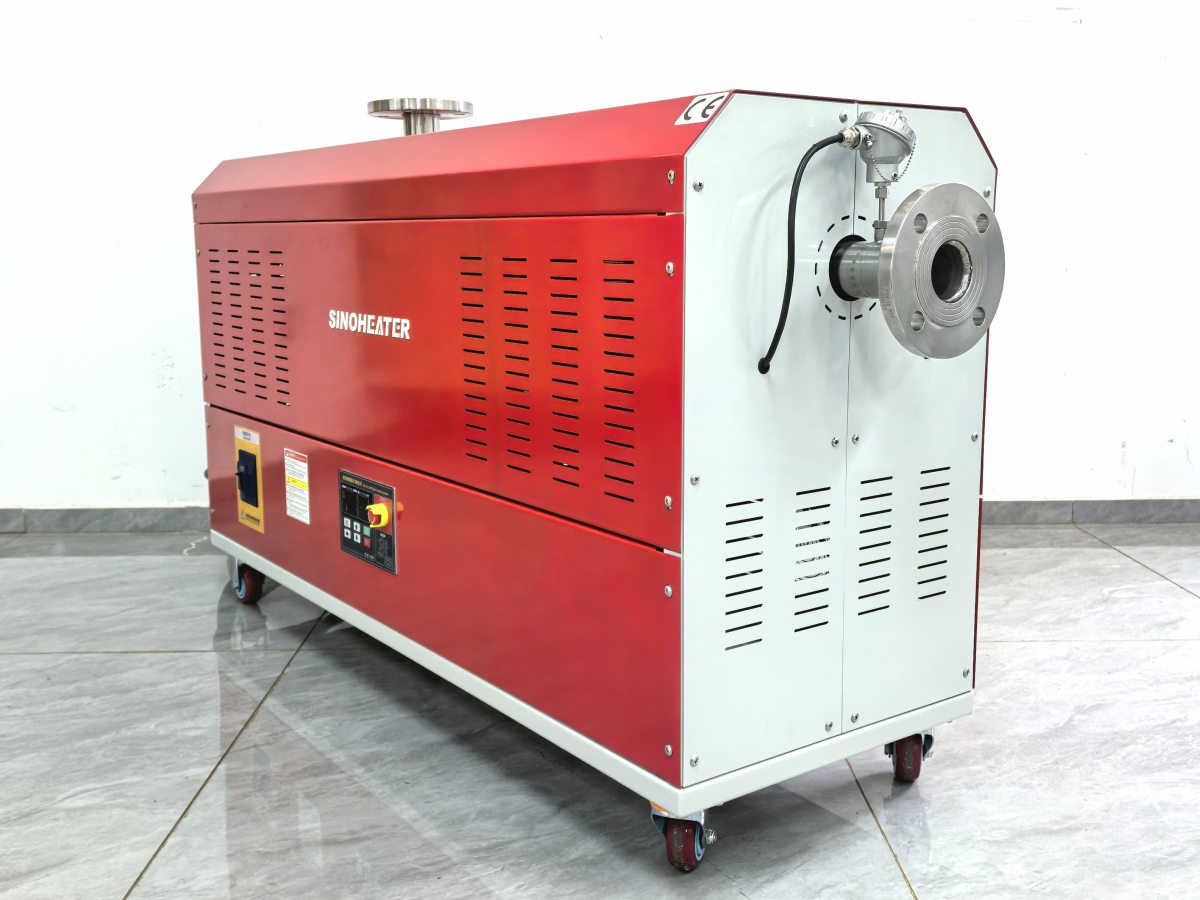
Surface rapid dehydration is a critical step in many food processing workflows, where removing excess surface moisture quickly helps reduce microbial growth risk, extend shelf life, and prepare products for later packaging or further processing. Unlike slow, passive drying methods that can leave moisture trapped near the surface and create uneven results, targeted hot air blower application delivers consistent, controlled airflow to strip away free surface moisture without unnecessary heat exposure that could damage delicate product qualities. This approach has become a standard practice across many food processing facilities that prioritize both throughput and final product quality.
Core working principles for targeted surface dehydration
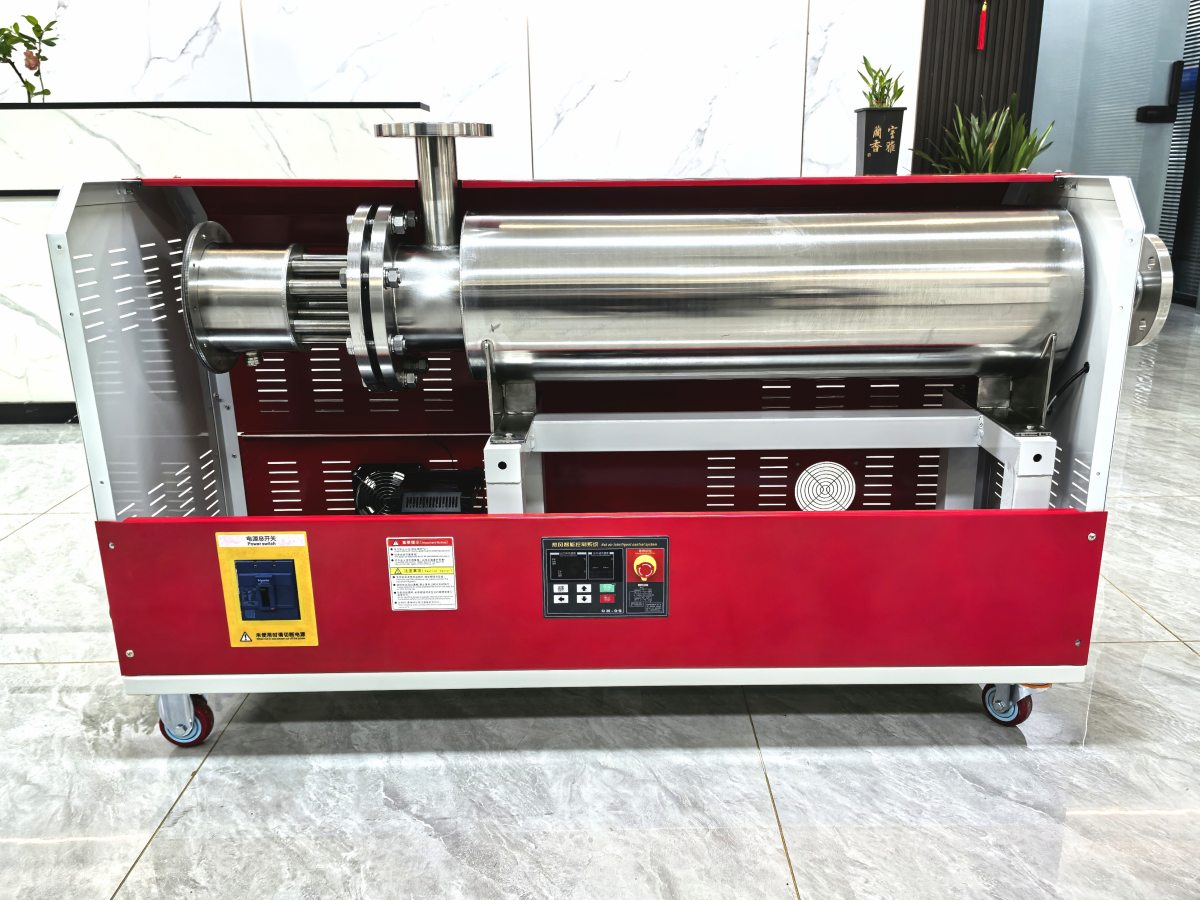
The process relies on controlled, high-velocity hot air flow that makes direct, uniform contact with every exposed surface of the food material. Ambient air passes through a regulated heating stage to reach the precise target temperature, then is forced through carefully positioned nozzles or ductwork to create a focused, high-speed airstream. This fast-moving air breaks through the thin, stagnant layer of humid air that naturally sits on top of moist food surfaces, carrying away newly evaporated moisture instantly so fresh, dry hot air can keep making contact. The entire process is calibrated to only pull free surface moisture away, rather than driving heat deep into the inner structure of the product, which preserves the original texture, color, and flavor profile that processors work to maintain.
Key process parameters that define final drying performance
Even small adjustments to core operating parameters can create very different outcomes for different types of food materials.
Air temperature calibration for different food types
Temperature settings are carefully matched to the specific moisture tolerance and heat sensitivity of the product being processed. For tender, easily discolored items, operators use lower, carefully stabilized temperatures to avoid surface browning or nutrient loss, while more robust, low-moisture foods can handle slightly higher temperatures to speed up line throughput. Every temperature setting is locked in with consistent monitoring to eliminate unexpected spikes that could burn, crack, or otherwise ruin product surfaces.
Airflow velocity and coverage alignment
Airflow speed and nozzle positioning are adjusted to match the physical shape and layout of products on the processing line. Items with uneven surfaces or deep crevices need angled, directional airflow that can reach every hidden pocket of surface moisture, while flat, uniformly shaped items work well with broad, even air coverage across the entire conveyor path. Proper alignment ensures no spots are left with residual free moisture that could become a contamination risk later in the supply chain.
Practical operational best practices in production environments
Teams with long-term experience running these systems build small, consistent habits that keep performance stable day after day. They regularly inspect air outlet paths to remove built-up food residue that could block airflow and create uneven drying across different sections of the line. They also run small test batches whenever they introduce a new product variety, to fine-tune runtime and air distribution before moving to full production scale. Operators keep simple, consistent logs of temperature, line speed, and final surface moisture readings for each batch, so they can trace any unexpected quality variation back to a specific small adjustment in the process. This level of consistent, hands-on oversight turns a basic hot air dehydration step into a highly reliable part of the food safety and quality control workflow.