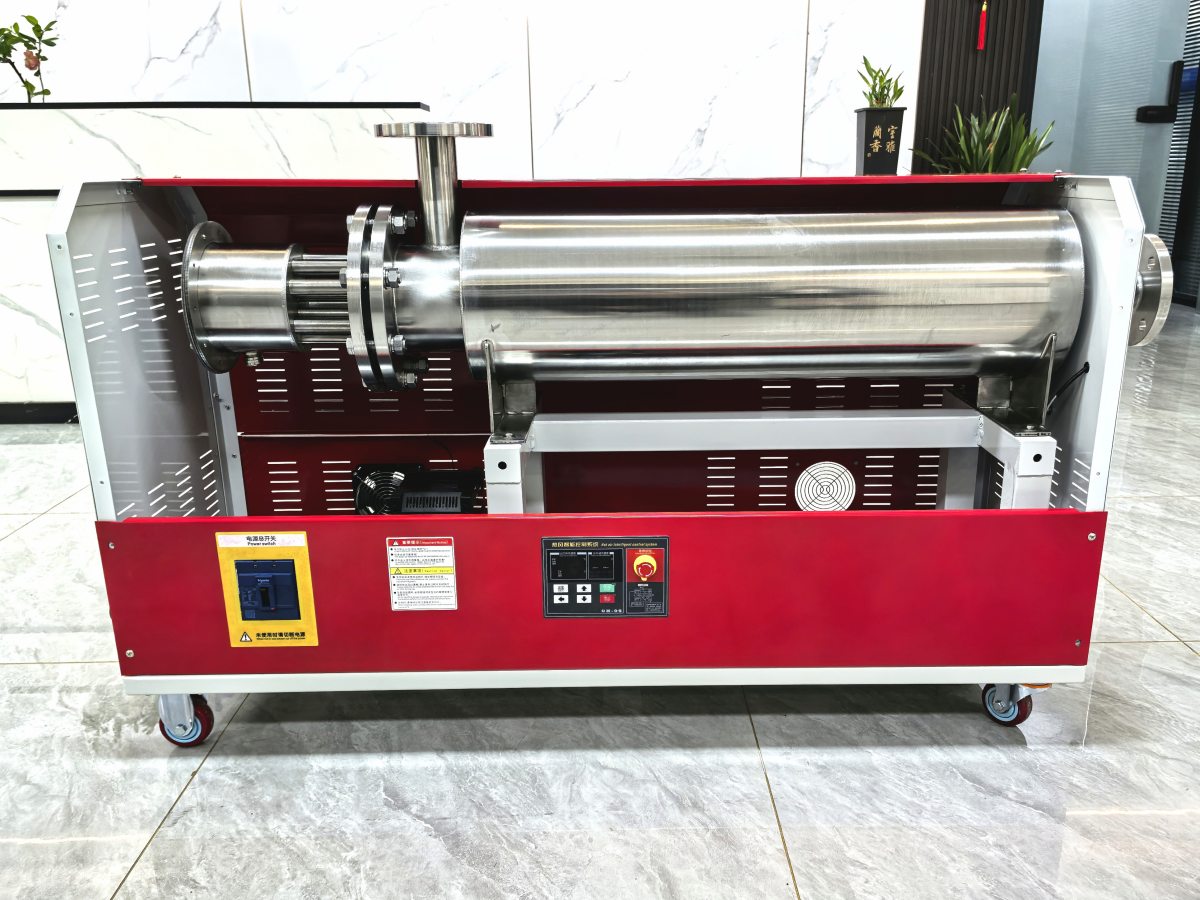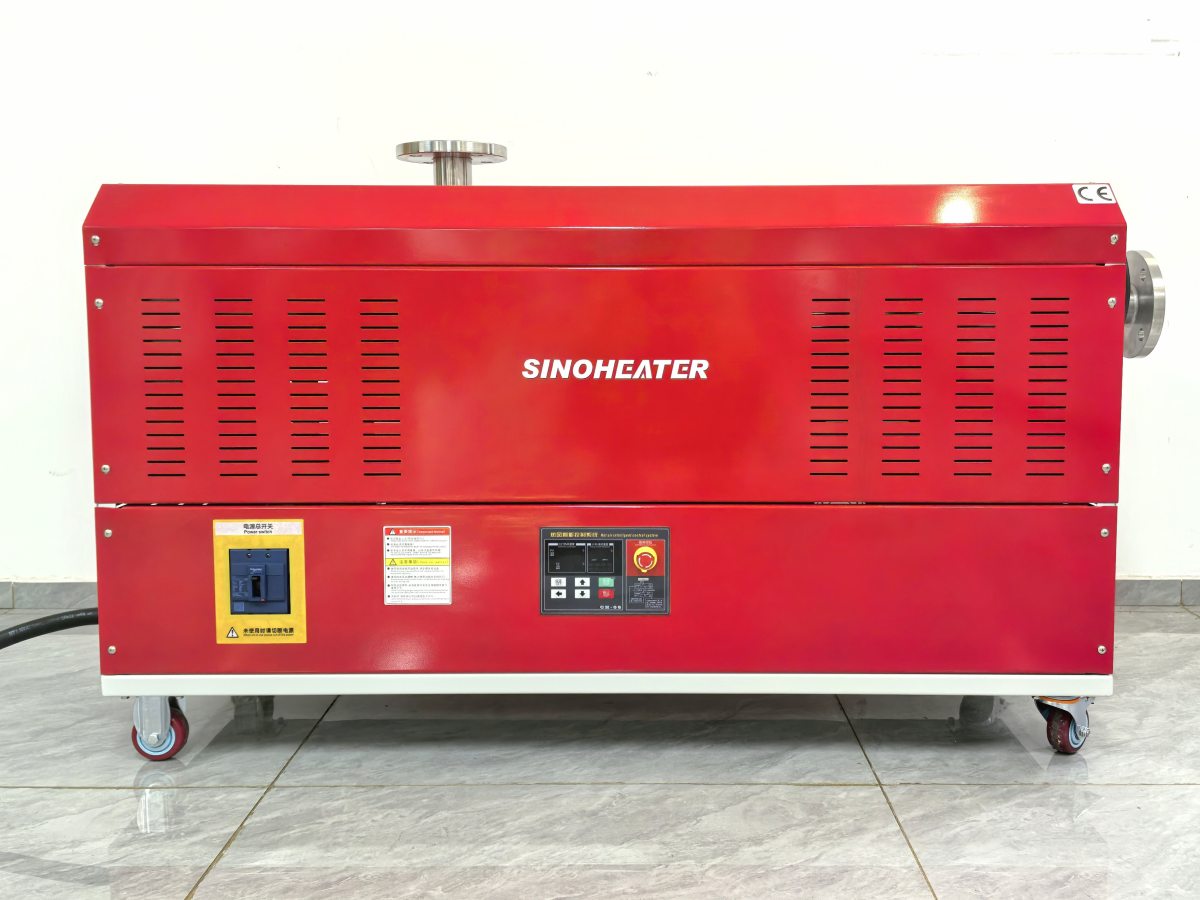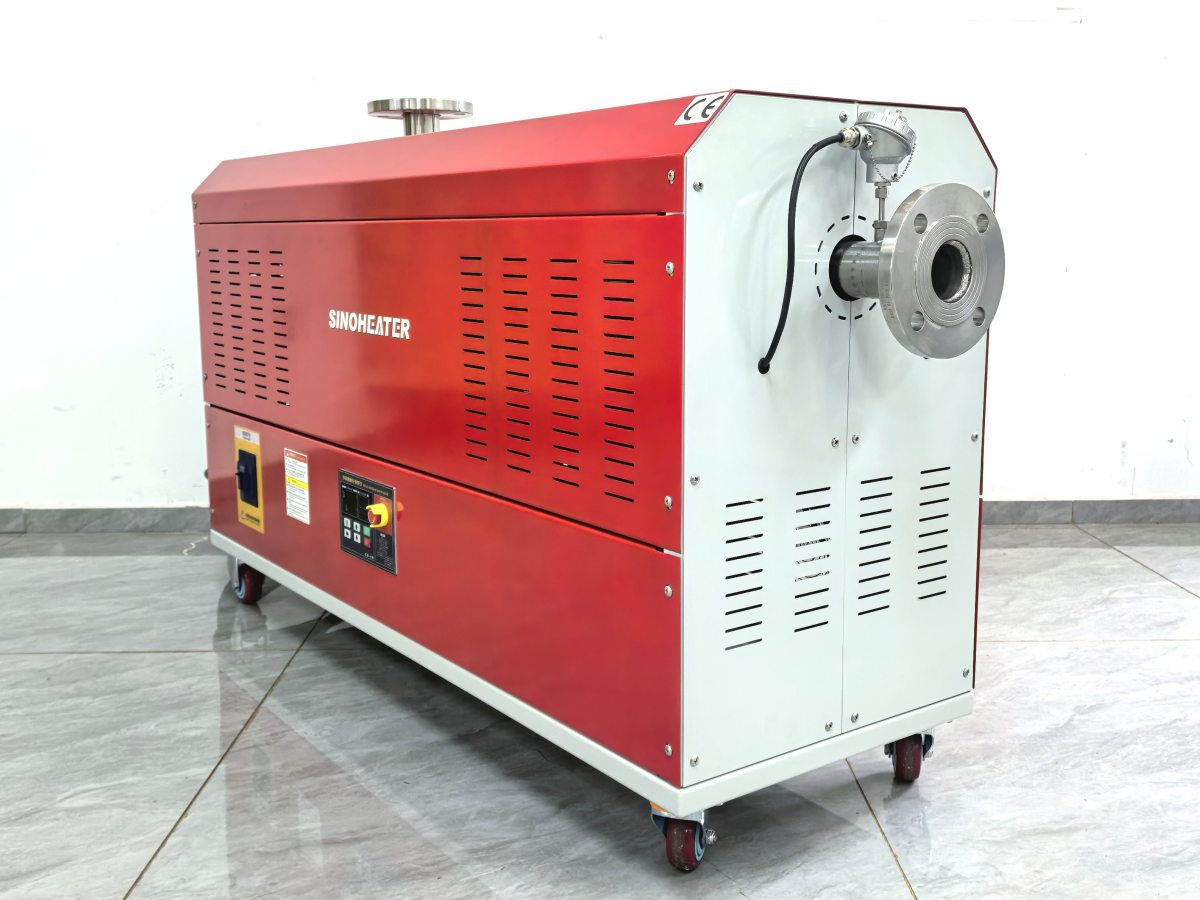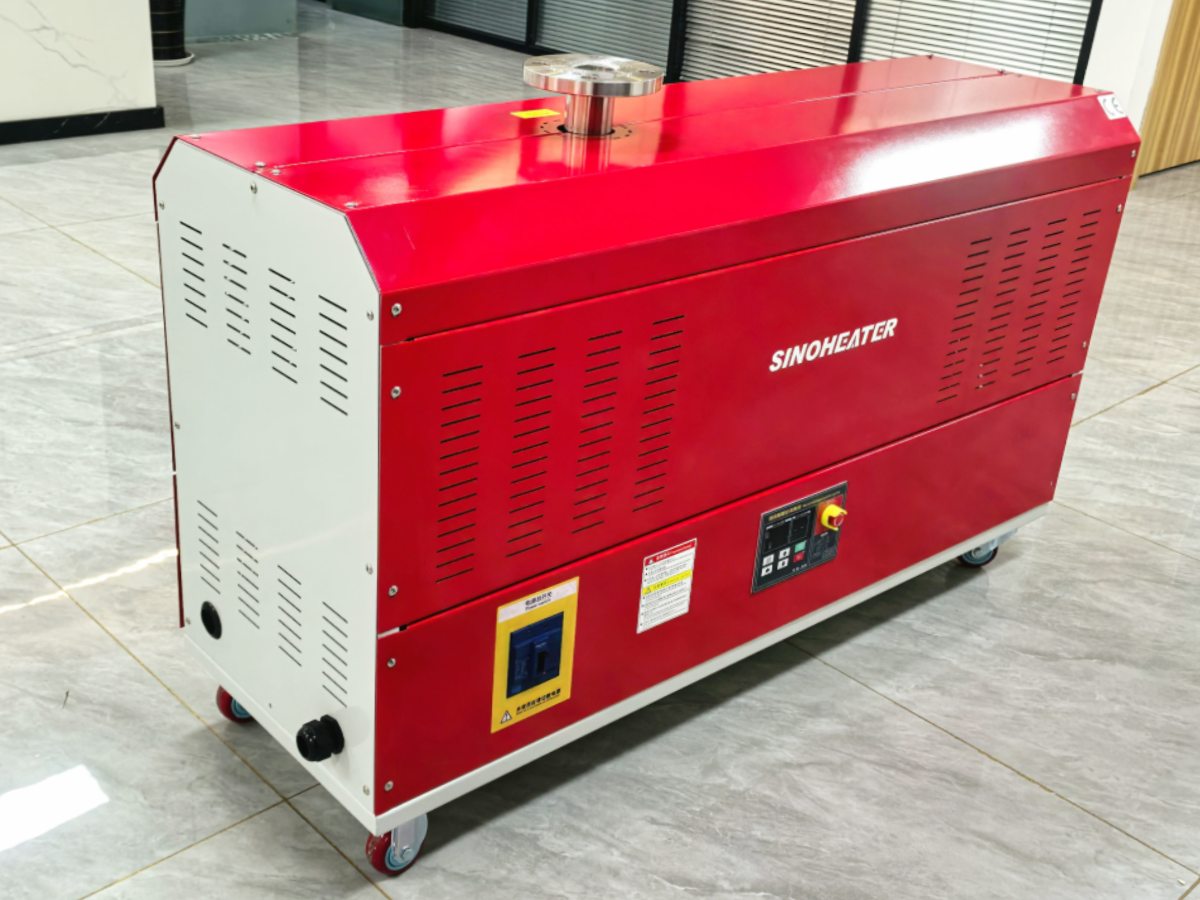
Hot air shaping is one of the most reliable methods for achieving smooth, wrinkle-free leather surfaces in modern production workflows. Unlike mechanical pressing alone, targeted hot air application softens the material fibers evenly across the entire treatment area, so the final flattening result stays consistent even on contoured or irregular leather pieces. This process works well for full-grain, top-grain, and corrected-grain leather types, and it can be adjusted to match different thickness levels without leaving unwanted indentations.
When preparing leather for surface flattening through hot air shaping, the first critical step is to stabilize the material in a controlled working environment. Leather that has absorbed uneven moisture from storage or transport will respond inconsistently to heat, so allowing the stock to acclimate to a consistent room temperature for several hours before processing helps avoid unexpected shrinking or surface distortion later. Operators also position the leather flat on a heat-resistant support surface that does not trap excess heat, which ensures the hot air only affects the top layers that need shaping rather than overheating the entire base.
Temperature and airflow control form the core of successful leather hot air shaping. Starting at a low to medium airflow speed prevents sudden overheating that could cause surface discoloration, while gradually raising the temperature within a range that matches the specific leather type lets fibers relax slowly without damaging their natural structure. Many experienced operators begin with broad, sweeping air movements across the surface, moving the heat source steadily back and forth instead of holding it in one fixed spot. This technique spreads warmth evenly, softens raised creases from the inside out, and prepares the surface for the flattening step that follows immediately after heating.
Working in tandem with shaping tools after hot air application locks in the flattened leather surface effectively. Right after the targeted heating phase, operators apply even, gentle pressure across the warmed area using smooth, non-abrasive shaping surfaces. The combination of recently softened fibers and consistent pressure lets the leather settle into a perfectly flat profile, and it stays in that shape once it cools back down to normal workshop temperature. For larger or more complex leather panels, working in small overlapping sections ensures every part of the surface receives the same level of heat and pressure, so no hidden wrinkles remain after the full process is complete.
Fine-tuning airflow speed during detailed shaping work makes a noticeable difference in final surface quality. Higher airflow velocities work well for quickly warming up large, flat leather sections at the start of a job, while lower airflow settings give operators precise control when they are working around edges, seams, or pre-cut contours. This variable control means users can focus heat exactly where it is needed, without disturbing areas of the leather that have already been shaped and flattened. Many production teams integrate programmable movement paths for the heat source, so consistent heat patterns can be repeated across dozens of identical leather pieces with very little variation from one unit to the next.
Proper workspace ventilation and routine equipment care support long-term, reliable results in every hot air shaping session. Good airflow around the work area prevents excess heat from building up around the leather, and it keeps operators comfortable during extended processing runs. Regularly checking and cleaning air intake paths helps maintain steady airflow output, so the heat distribution never drifts off target during a long production shift. These small, consistent practices make the entire leather flattening process more predictable, reduce material waste, and help every finished piece deliver the smooth, professional surface quality that high-quality leather goods require.