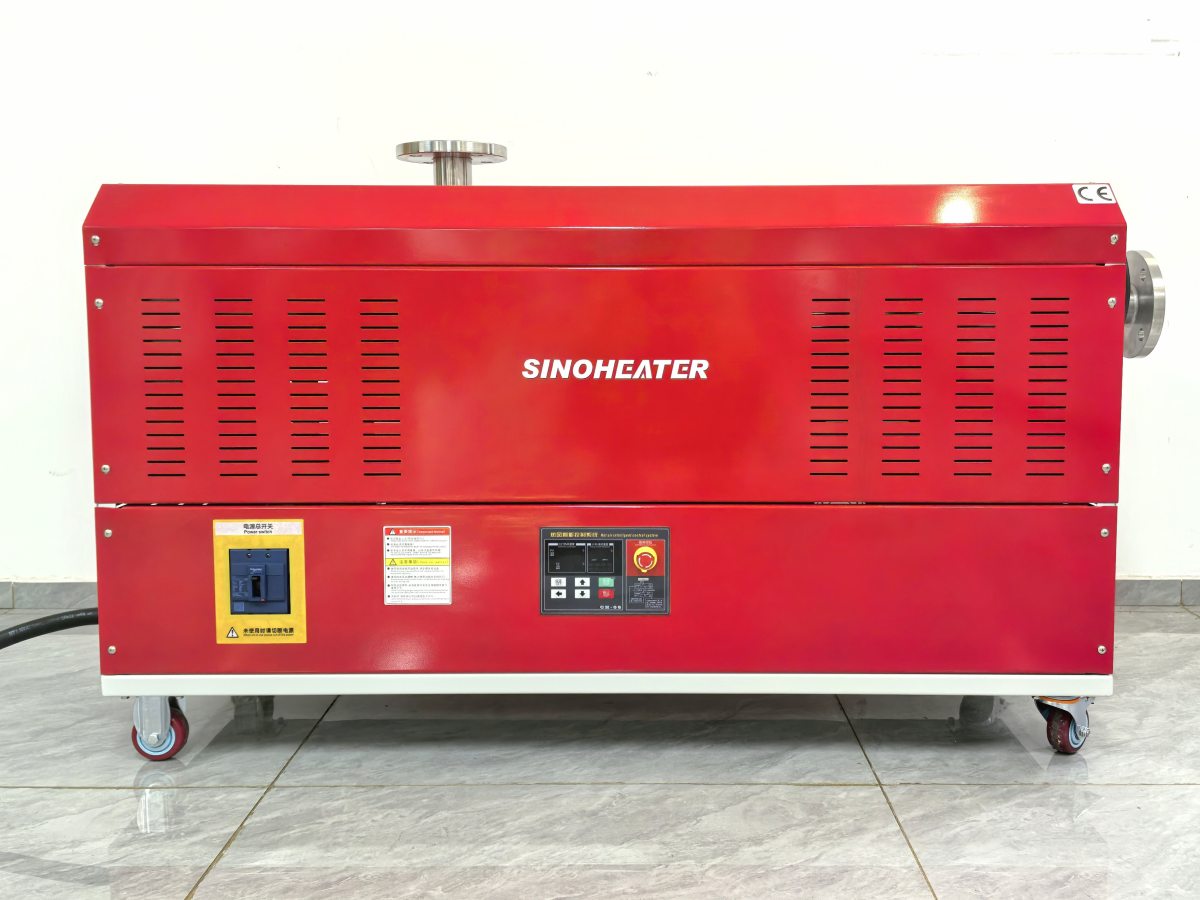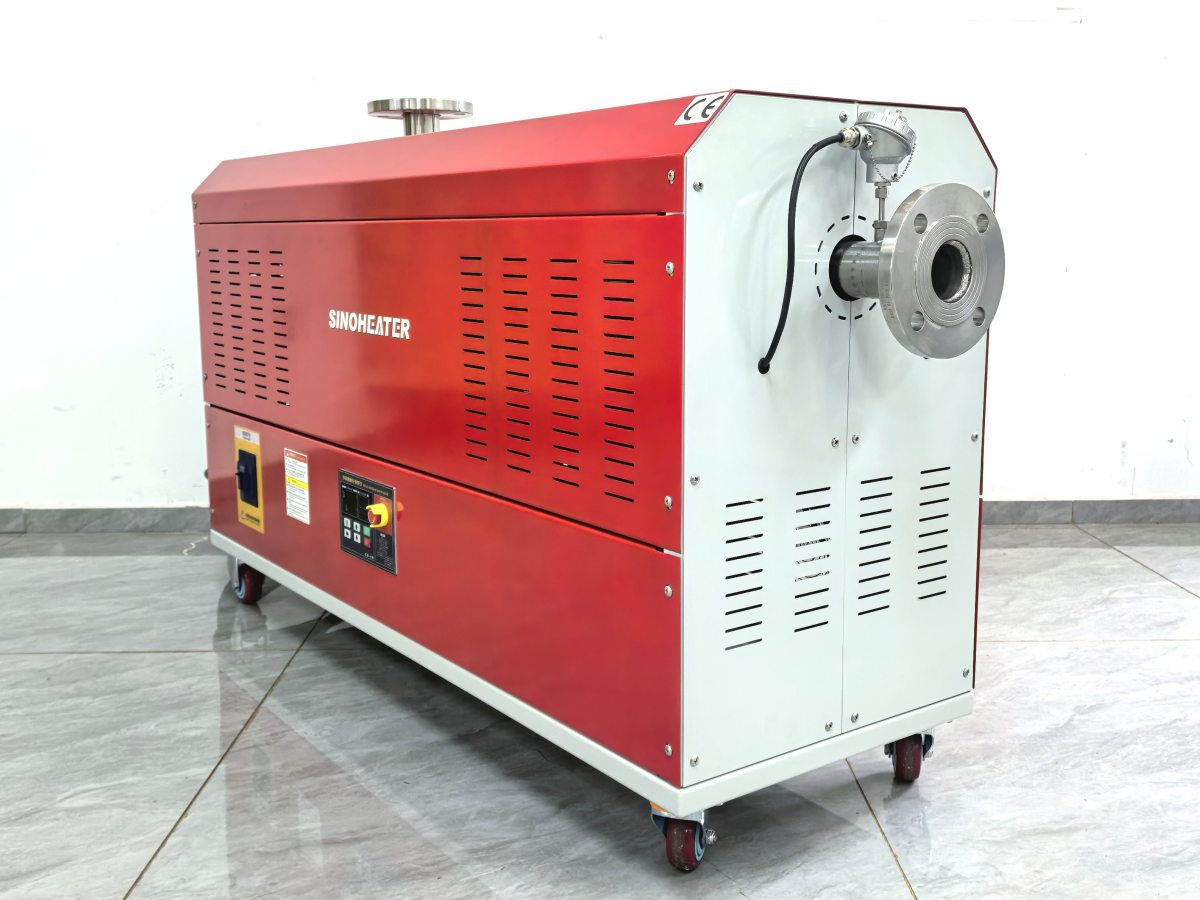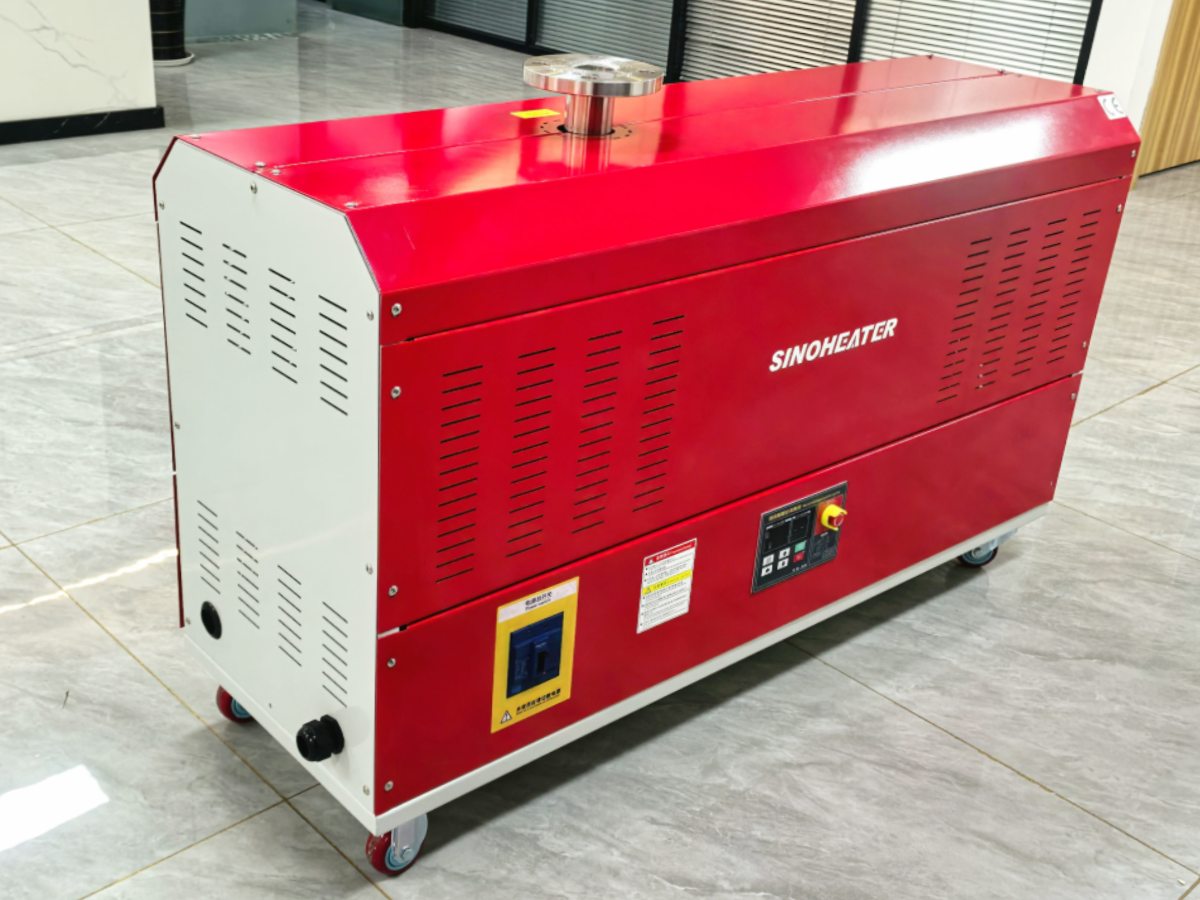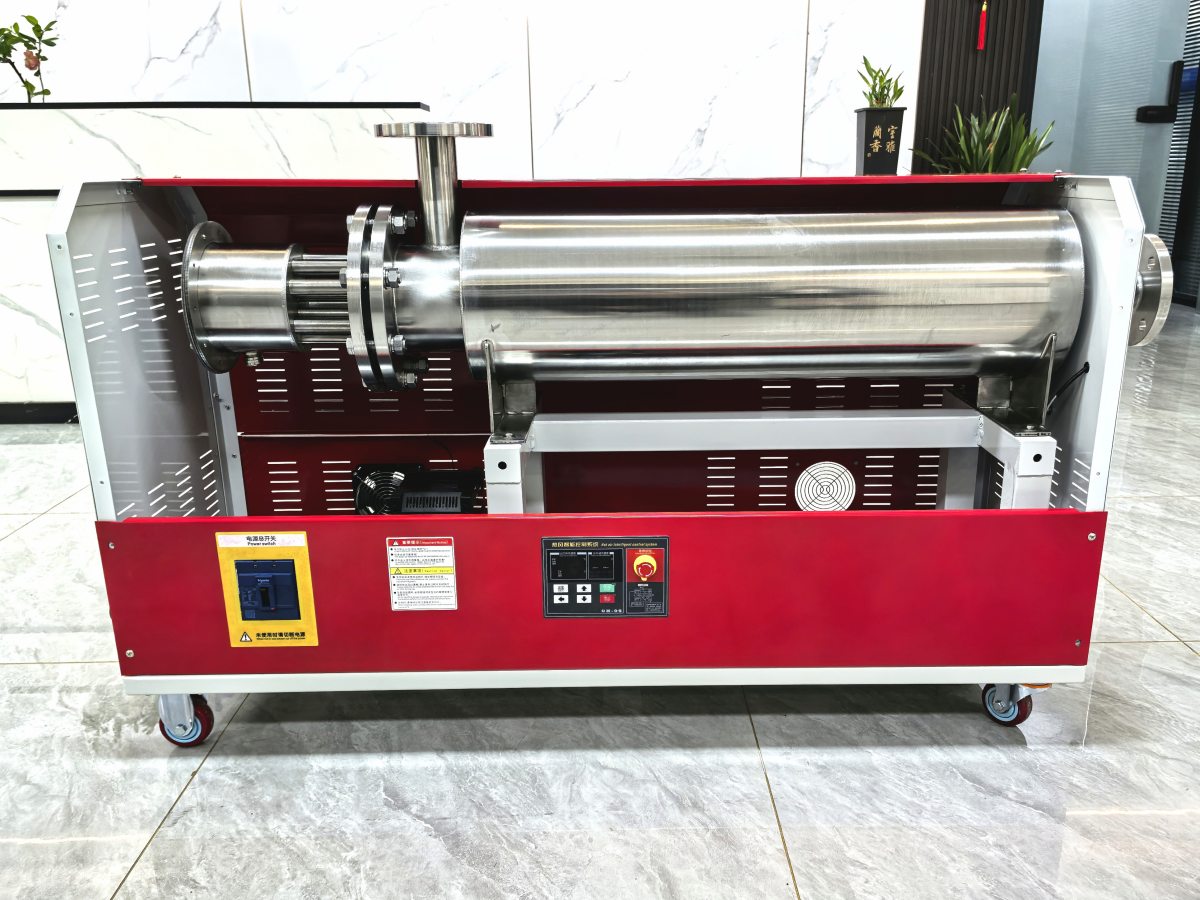
When toy plastic parts come out of the molding process, small trapped air pockets, surface micro-voids, and uneven residual stress often stay hidden just below the outer layer, and these issues can pop up later as unexpected bubbles, fine cracks, or warped edges during subsequent processing or daily use. Degassing heating treatment with a hot air blower targets these exact hidden defects, gently drawing trapped air out of the plastic matrix before the part moves to painting, assembling, or final packaging. This step is far more controlled than leaving parts to air cure at room temperature, and it avoids the sudden thermal shock that can cause thin plastic toy components to deform or crack entirely.
Start by setting up a consistent pre-treatment inspection workflow for all freshly molded toy plastic parts before any heating begins. Go through every unit to identify obvious surface blemishes, uneven wall thickness spots, and areas where trapped air is already visible as faint bulges just under the plastic surface. Group parts by their exact plastic material composition, because different thermoplastics have very different softening points that will define every part of your heating strategy. Even two parts that look nearly identical on the outside can react completely differently to the same hot air temperature, so sorting them first prevents avoidable deformation that would ruin entire batches of finished toy components.
Adjust the hot air blower output and working distance to create a uniform, low-velocity heat field that wraps around the entire part without focusing intense energy on any single small spot. Keep the nozzle moving in slow, sweeping back-and-forth motions across the surface, never pausing in one place for more than two seconds at a time. The goal is to raise the core temperature of the plastic slowly and evenly, not to blast the surface to an extreme temperature in a hurry. This gradual temperature rise lets the tiny trapped air pockets expand gently and escape through the micro-gaps in the plastic, rather than bursting through the outer layer and leaving new, visible defects that are far harder to fix later.
Control the full heating cycle duration and post-treatment cooling sequence to lock in the degassing results without introducing new residual stress back into the parts. Most small to medium toy plastic parts only need a few minutes of consistent hot air exposure to release all their internal trapped air, and you can extend the cycle slightly for parts with thicker walls or more complex internal geometries. Once the heating phase is complete, do not move the parts immediately to a cold work surface or expose them to sudden drafts. Let them cool down slowly in a still, room temperature area for several minutes, so the plastic molecules can settle evenly back into their stable structure without warping or developing new internal stress points. This slow cooling step is the most often overlooked part of the whole process, but it is what makes the degassing treatment results last through painting, assembly, and long-term daily use of the finished toy.
Add targeted follow-up checks after the full degassing heating cycle is finished to confirm no new defects have been introduced during treatment. Hold each finished part up to a bright light and inspect the surface from multiple angles to make sure no new micro-bubbles have risen to the surface, no edges have warped out of tolerance, and the overall shape still matches the original design specifications. For parts that will go through later painting or adhesive bonding steps, this post-treatment check also confirms the plastic surface is now evenly conditioned to accept coatings and adhesives far more reliably than untreated parts straight out of the molding line.
This practical, field-optimized hot air blower degassing workflow has been tested and refined across hundreds of toy production batches, and it fits naturally into existing processing lines without requiring major overhauls to your current workspace layout. It addresses the root cause of trapped air defects rather than just covering them up in later finishing steps, leading to more consistent quality and fewer rejected parts at the final quality check stage.