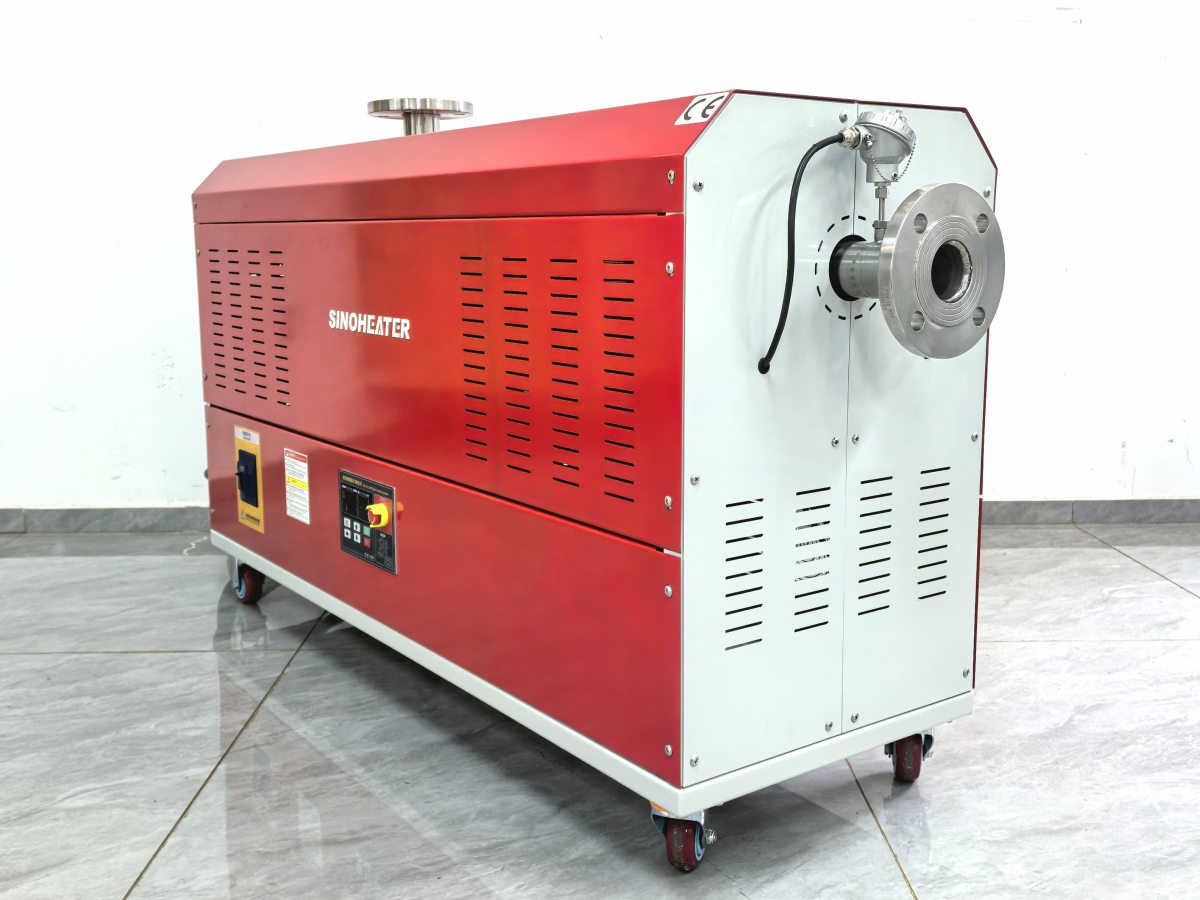
Convenience at Your Fingertips: Heat Blowers with Memory Function for Last – Used Settings
In the realm of home heating appliances, heat blowers have become a popular choice for their ability to quickly and efficiently warm up spaces. One feature that significantly enhances the user experience of these devices is the memory function, which allows them to save the last – used settings. This seemingly simple yet highly practical feature offers a range of benefits that make daily use more convenient and comfortable.
Why the Memory Function Matters in Heat Blowers
Time – Saving Convenience
In our fast – paced lives, every minute counts. When you’re in a hurry to warm up a room, having to manually adjust the temperature, fan speed, and other settings on your heat blower each time can be a time – consuming hassle. With the memory function, the heat blower automatically recalls the settings you used the last time it was turned on. This means you can simply turn on the device and have it start operating at your preferred levels right away, saving you precious time and effort.
Consistent Comfort
Everyone has their own idea of the perfect indoor temperature and airflow. Some people prefer a warm and gentle breeze, while others like a more powerful blast of hot air. The memory function ensures that you can enjoy consistent comfort every time you use the heat blower. Whether you’re coming home from work on a cold winter evening or waking up in the morning and want to quickly warm up your bedroom, the heat blower will remember your last settings and provide the same level of warmth and airflow as before, creating a familiar and comfortable environment.
Energy Efficiency
Using the memory function can also contribute to energy efficiency. By saving your last – used settings, the heat blower avoids starting at default or inefficient levels. For example, if you usually set the temperature to a moderate level and the fan speed to a medium setting, the memory function will ensure that the device starts at these values instead of a potentially higher or lower setting. This helps to prevent unnecessary energy consumption, as the heat blower doesn’t have to work harder than necessary to reach your desired comfort level, ultimately saving you money on your energy bills.
How the Memory Function Works in Heat Blowers
Internal Storage Mechanism
The memory function in heat blowers relies on an internal storage mechanism, typically in the form of non – volatile memory chips. These chips are designed to retain data even when the power is turned off. When you adjust the settings on your heat blower, such as the temperature, fan speed, timer, or mode, the device stores this information in the memory chip. The next time you turn on the heat blower, it retrieves the stored data from the chip and applies the settings accordingly.
Automatic Retrieval Process
The retrieval of the last – used settings is an automatic process that occurs as soon as the heat blower is powered on. Once you press the power button, the device’s control system accesses the memory chip and reads the stored data. It then adjusts the internal components, such as the heating element and the fan motor, to match the saved settings. This seamless process ensures that you don’t have to go through any additional steps to activate the memory function; it simply works in the background to provide you with instant access to your preferred settings.
Overcoming Power Interruptions
One of the great advantages of the memory function is its ability to handle power interruptions. Whether it’s a brief power outage or you accidentally unplug the heat blower, the memory chip will still retain the last – used settings. When the power is restored or the device is plugged back in, the heat blower will resume operation with the same settings as before the interruption. This is especially useful in areas with unstable power supplies, as it eliminates the need to readjust the settings every time the power comes back on.
Customizing and Managing the Memory Function
Multiple Setting Profiles
Some advanced heat blowers offer the ability to create multiple setting profiles in addition to the basic memory function. This means you can save different sets of settings for different scenarios or users. For example, you could have a “Morning” profile with a lower temperature and a gentle fan speed for when you first wake up, and an “Evening” profile with a higher temperature and a stronger fan speed for when you come home from work. To switch between profiles, you can usually use a dedicated button on the control panel or select the desired profile through a connected mobile app (if applicable).
Resetting the Memory
There may be times when you want to reset the memory function and start with fresh settings. This could be because you’ve changed your preferences or you want to clear any saved settings that are no longer relevant. Most heat blowers provide a simple way to reset the memory, often by pressing and holding a specific combination of buttons on the control panel for a few seconds. After resetting, the heat blower will return to its default settings, and you can start customizing it again according to your needs.
Updating Settings Regularly
To make the most of the memory function, it’s a good idea to update your settings regularly based on your changing needs and the seasons. For example, during the winter months, you may want to set a higher temperature and a faster fan speed to quickly warm up your home, while in the spring or fall, you may prefer a lower temperature and a slower fan speed for a more comfortable and energy – efficient environment. By regularly adjusting and saving your settings, you can ensure that the heat blower always operates at the optimal levels for your current situation.
In conclusion, the memory function in heat blowers is a valuable feature that offers time – saving convenience, consistent comfort, and energy efficiency. By understanding how it works, customizing it to your needs, and managing it effectively, you can enhance your overall experience with your heat blower and enjoy a warm and comfortable home environment with minimal effort.