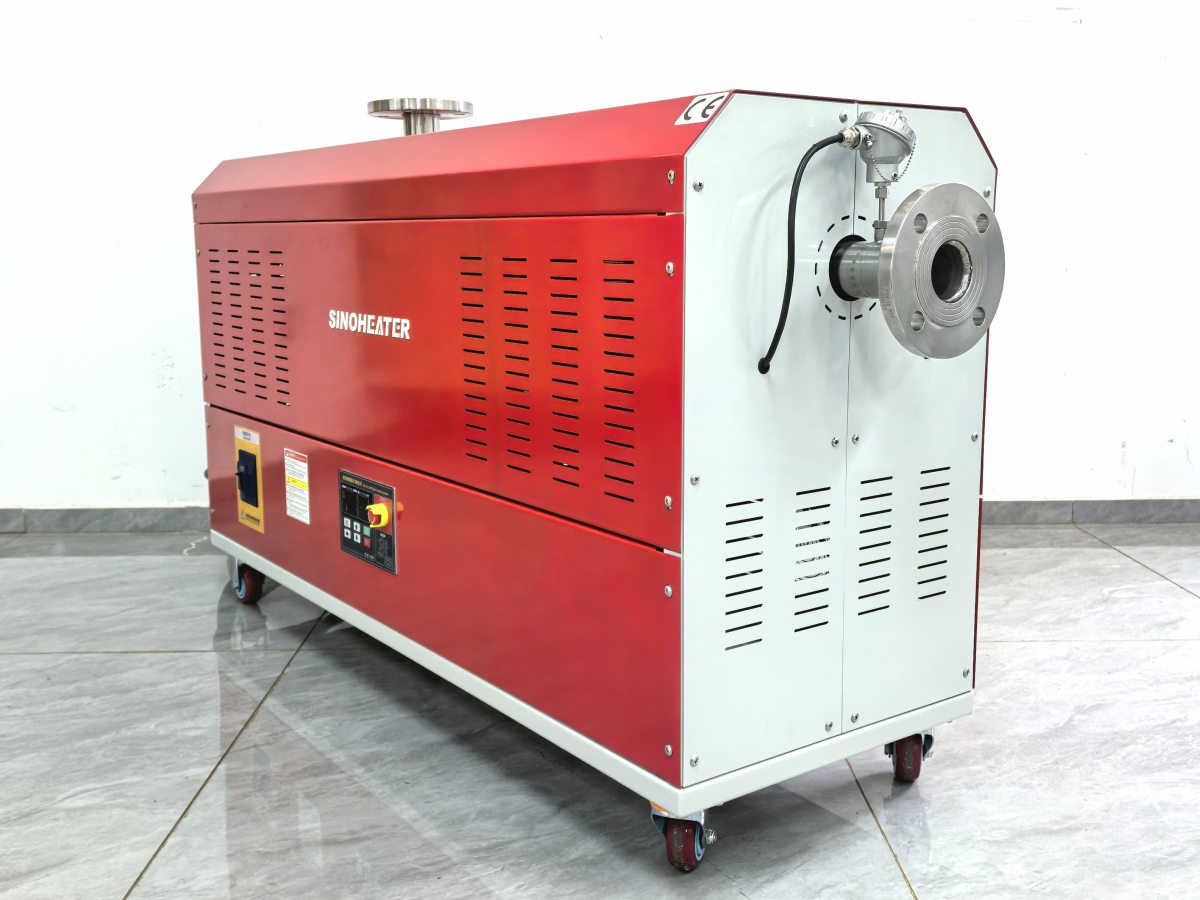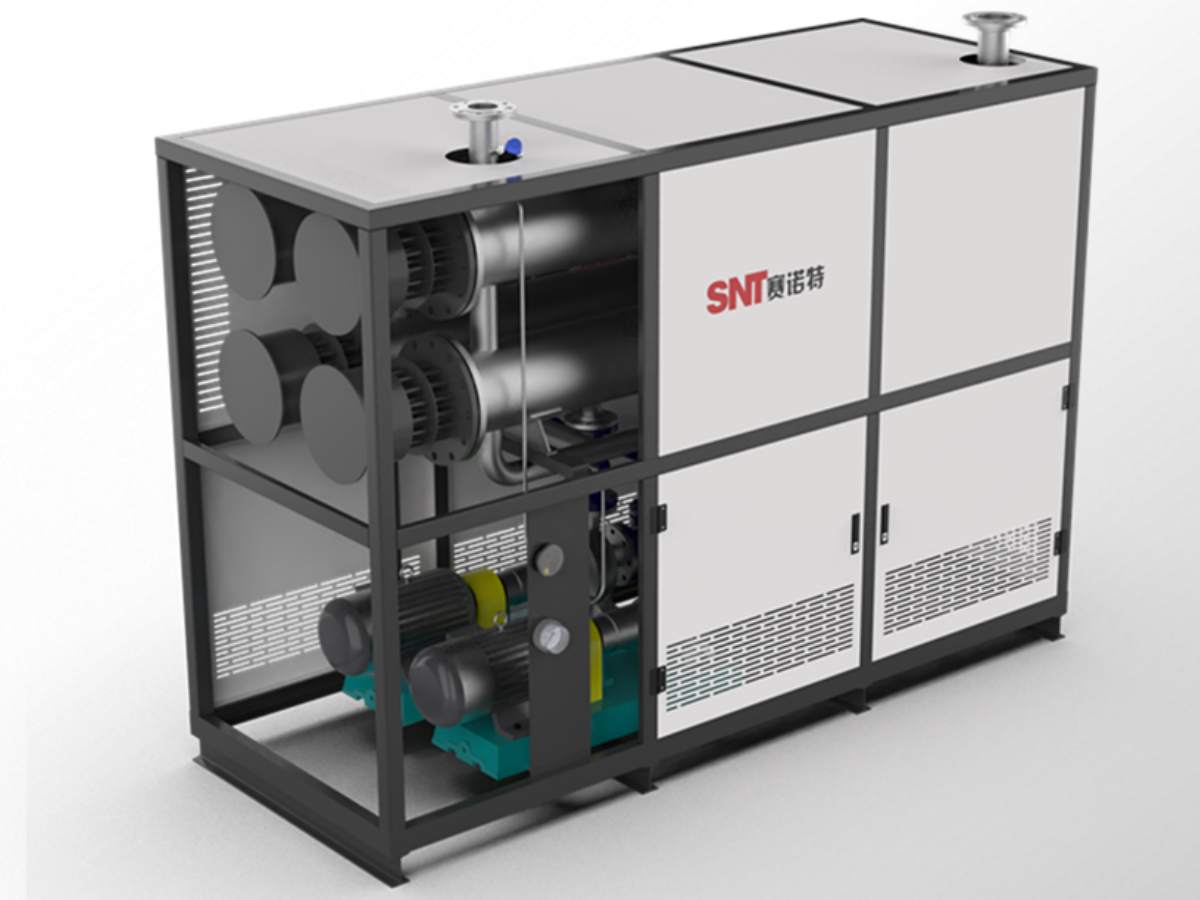
Hot air blower circular narrow nozzle concentrated hot wind type delivers a tightly focused, high-velocity stream of heated air that directs all thermal energy onto a small, defined target area, instead of spreading heat across a wide, diffuse surface. This design eliminates wasted thermal energy that drifts onto surrounding workpieces or nearby components, making it ideal for precision heating tasks that require localized, intense heat without disturbing adjacent sensitive materials. The concentrated airflow pattern creates a sharp, well-defined heating zone with minimal thermal spillover, so operators can apply controlled high temperatures exactly where they are needed, even in tight, hard-to-reach spaces.
Aerodynamic Nozzle Internal Flow Path Design
Aerodynamic nozzle internal flow path design shapes the incoming broad, high-volume airflow from the blower into a smooth, tightly collimated concentrated stream that does not spread or dissipate immediately after exiting the nozzle opening. Poorly optimized internal flow paths create turbulent, uneven airflow that loses velocity quickly, disperses heat randomly, and creates inconsistent temperature distribution across the target heating zone. This core design detail directly defines how far the concentrated hot air stream can travel while maintaining its tight, focused profile.
The internal flow path transitions gradually from the wider blower outlet diameter down to the narrow circular nozzle opening, using a carefully contoured curved inner wall that eliminates sharp sudden constrictions that would generate turbulent eddies and waste airflow energy. This gradual transition preserves almost all of the original airflow velocity as it moves through the nozzle, instead of converting kinetic energy into unwanted turbulence and noise. The exit opening is precision machined to a perfectly circular, uniform edge that creates a symmetrical, laminar airflow pattern that stays tightly concentrated for a significant working distance away from the nozzle face. Even small deviations in inner contour shape or exit edge uniformity can break the airflow symmetry, causing the hot stream to drift off-center or spread out prematurely.
Concentrated Thermal Energy Delivery and Target Zone Performance
Concentrated thermal energy delivery and target zone performance ensures the maximum possible percentage of generated heat is carried directly to the small intended heating area, instead of being lost to the surrounding ambient air. This characteristic makes the design uniquely suited for tasks that require rapid, localized heating where broad distributed heat would damage surrounding parts or create unwanted thermal side effects. Operators can achieve far higher local temperatures at the target surface without needing to run the blower at excessive total power levels.
The tightly focused hot air stream maintains a consistent high temperature across its full concentrated core, with a very sharp temperature drop-off outside the defined circular airflow boundary. This creates a clear, well-demarcated heating zone where thermal energy is highly concentrated, while areas just outside the stream boundary remain close to ambient temperature. The high velocity of the collimated airflow also creates strong convective heat transfer at the target surface, breaking down the thin cool air boundary layer that normally sits against solid objects, so heat transfers into the workpiece far faster than it would with a diffuse low-velocity hot air stream. This combination of high temperature density and high convective efficiency lets the design complete targeted heating tasks in a fraction of the time required by standard wide-diffusion hot air configurations.
Nozzle Material Thermal Stability and Long-Duration Continuous Operation
Nozzle material thermal stability and long-duration continuous operation prevents premature deformation, material fatigue, or heat-related failure even when the nozzle is exposed to continuous high-temperature airflow for extended work sessions. If the nozzle material cannot maintain its original shape under prolonged high heat exposure, the carefully optimized internal flow path will warp, distorting the concentrated airflow pattern and eliminating all of the design’s original focused heating performance.
The nozzle is constructed from a high-temperature resistant material that maintains full structural rigidity and dimensional stability even at the maximum continuous operating temperature of the hot air stream. This material also has low thermal conductivity across its wall thickness, so the outer surface of the nozzle body does not become dangerously hot to casual contact, even while the inner flow path is exposed to the full maximum heated air temperature. The connection interface between the nozzle and the blower main body is designed to create a secure, high-tolerance fit that eliminates air leakage at the joint, so no unregulated cool ambient air can be sucked into the airflow stream before it reaches the narrow nozzle exit. This consistent, leak-free connection preserves the full airflow pressure and temperature all the way through to the concentrated circular outlet, ensuring stable performance even after thousands of hours of continuous heavy use.
Working Distance Optimization and Precision Heating Control
Working distance optimization and precision heating control lets operators adjust the exact intensity and size of the hot air target zone by moving the nozzle closer or further away from the workpiece, without needing to modify blower power or temperature settings. This inherent adjustability gives the design a wide usable operating window, so it can adapt to different precision heating tasks without requiring separate nozzles for every minor variation in target area size.
At the optimal designed working distance, the concentrated hot air stream maintains its smallest diameter and highest thermal density, delivering maximum localized heating speed for tasks that require extremely tight, precise heat application. As the distance between nozzle and workpiece increases slightly, the outer boundary of the air stream begins to expand gently, creating a slightly larger circular heating zone with marginally lower but still highly concentrated thermal density. Operators can use this predictable, controlled airflow expansion to fine-tune the size of the heating area to match the exact dimensions of the target workpiece, without creating uneven hot spots or unwanted heat spread onto adjacent surfaces. This predictable performance across a defined working distance range makes the design extremely forgiving for manual operation, while still delivering the level of precision required for consistent, repeatable high-quality heating results.