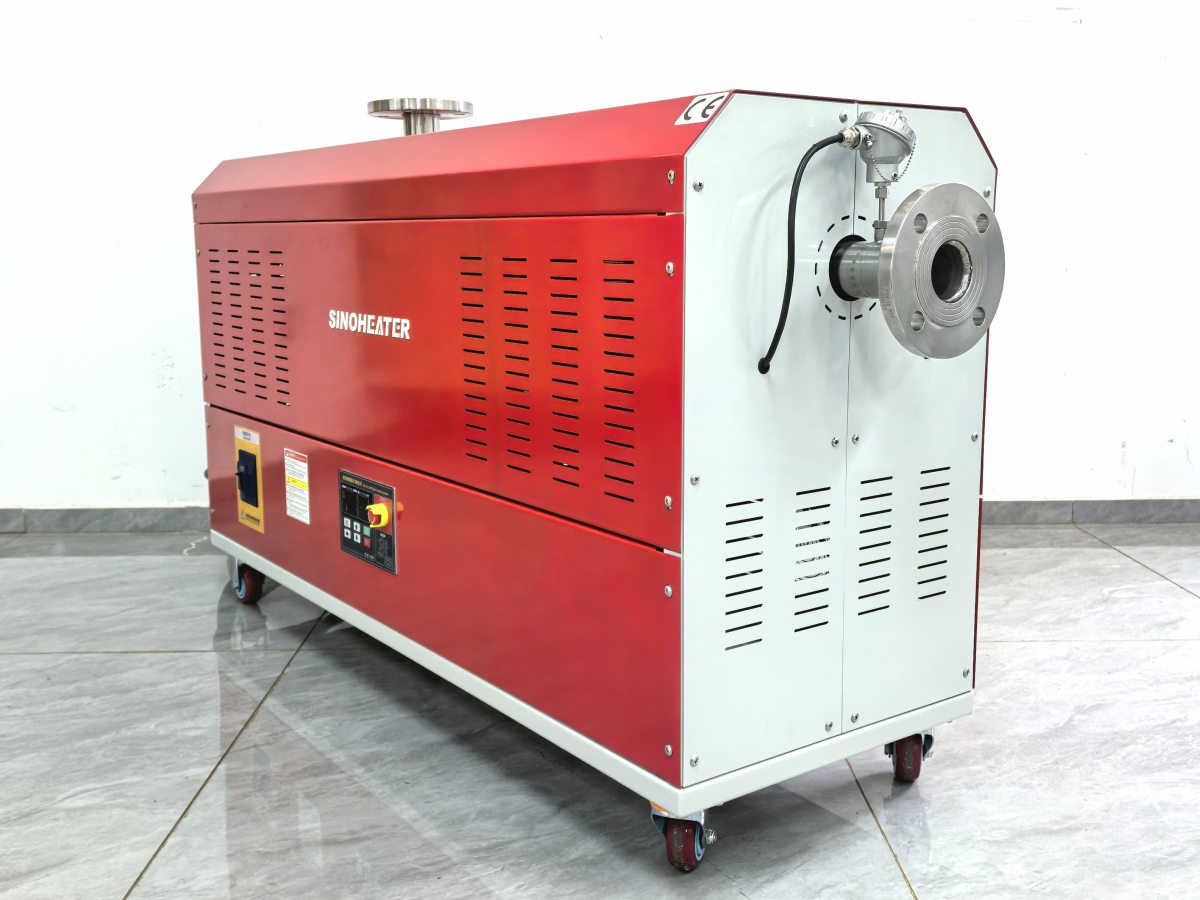
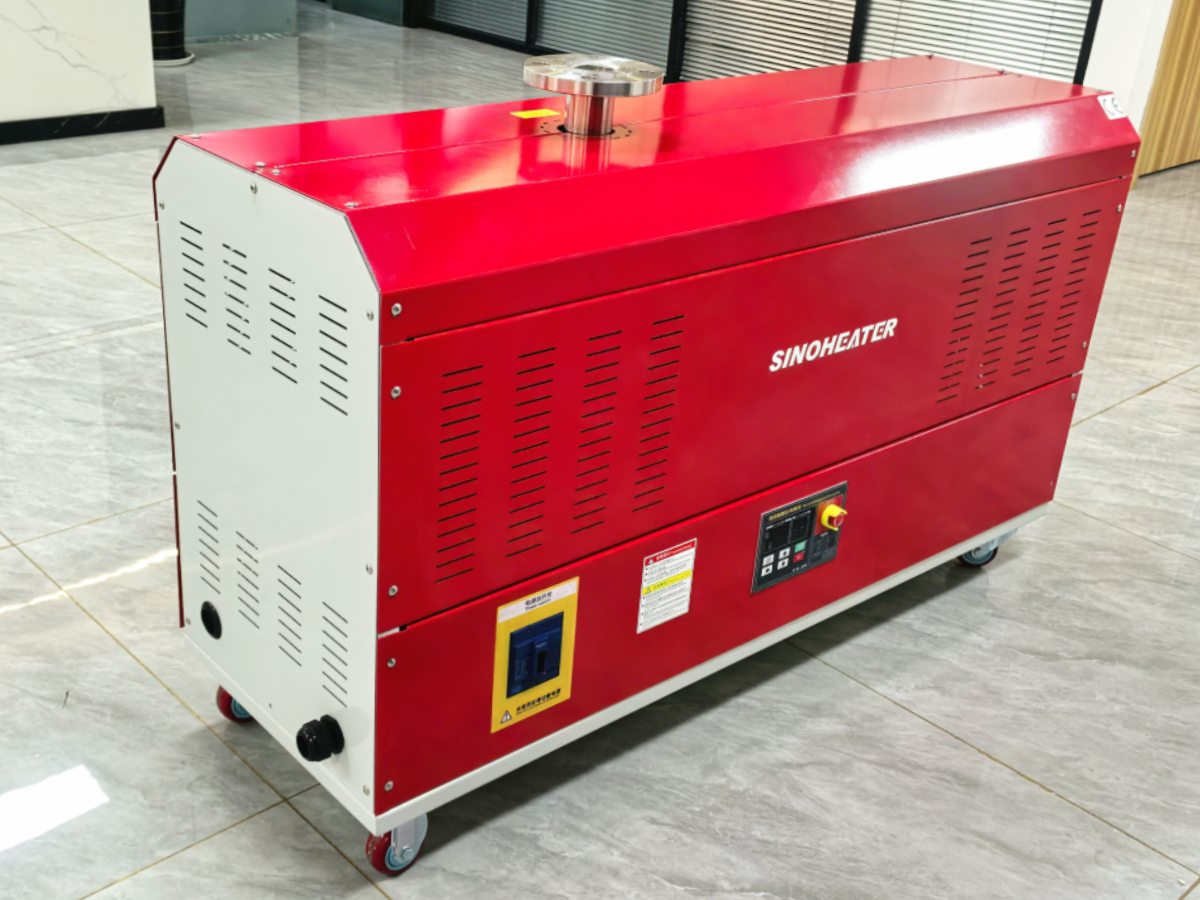
Proper Wiring Practices for Heat Blower Power Supply Connections
Ensuring correct power supply connections for heat blowers is critical for safety, efficiency, and longevity. Improper wiring can lead to electrical hazards, equipment damage, or reduced performance. This guide outlines essential practices for connecting power lines to heat blowers, covering voltage requirements, wire selection, and safety measures.
Understanding Voltage and Phase Requirements
Single-Phase vs. Three-Phase Systems
Heat blowers operate on either single-phase or three-phase power, depending on their design and capacity. Single-phase units (e.g., 220V) are common in residential or small commercial settings, while three-phase models (e.g., 380V) are used in industrial environments requiring higher power output.
For single-phase systems, the power line typically includes live (L), neutral (N), and earth (E) conductors. Three-phase systems may use three live wires and an earth wire, with configurations like delta (Δ) or star (Y) connections. Always verify the manufacturer’s specifications to match the wiring to the unit’s requirements.
Voltage Stability and Load Capacity
Ensure the power supply voltage matches the heat blower’s rated voltage. Fluctuations beyond ±10% can damage components or trigger safety cutoffs. Additionally, calculate the total load to avoid overloading circuits. For example, a 7.5kW heat blower on a 220V single-phase system draws approximately 34A, requiring a wire gauge capable of handling this current without overheating.
Selecting and Preparing Power Lines
Wire Gauge and Material
Choose wires with a cross-sectional area suitable for the current load. Copper wires are preferred for their conductivity and durability. For instance:
- A 2.5mm² copper wire can safely carry up to 25A in a single-phase system.
- Higher-capacity units (e.g., 16kW three-phase) may require 6mm² or thicker wires.
Avoid using aluminum wires unless explicitly permitted by the manufacturer, as they have lower conductivity and higher resistance, increasing the risk of overheating.
Insulation and Protection
Use wires with insulation rated for the operating temperature of the heat blower. High-temperature environments may require silicone or fiberglass-insulated wires. Additionally, protect wires from physical damage by routing them through conduits or armored cables, especially in industrial settings with moving machinery or sharp edges.
Step-by-Step Wiring Process
Step 1: Power Disconnection
Before starting any wiring work, disconnect the power supply at the main breaker or fuse box to prevent electrocution. Use a voltage tester to confirm that no current is present in the wires you’ll be handling.
Step 2: Terminal Identification
Locate the terminal block on the heat blower, typically found near the motor or control panel. Identify the terminals labeled L (live), N (neutral), and E (earth). For three-phase units, terminals may be labeled L1, L2, L3 (live), and E (earth).
Step 3: Wire Stripping and Connection
Strip approximately 10–15mm of insulation from the end of each wire using a wire stripper. Avoid nicking the conductor, as this can reduce its strength and conductivity.
- Single-Phase Connection:
- Connect the live wire to the L terminal.
- Connect the neutral wire to the N terminal.
- Connect the earth wire to the E terminal, ensuring a secure grounding connection.
- Three-Phase Connection:
- Connect each live wire (L1, L2, L3) to the corresponding terminals on the heat blower.
- Connect the earth wire to the E terminal.
Use insulated terminals or crimp connectors to secure the connections, and wrap each joint with electrical tape for added protection.
Step 4: Post-Connection Checks
After wiring, inspect all connections for tightness and proper insulation. Ensure no bare wires are exposed and that the terminal block is securely fastened to the heat blower. Reconnect the power supply and test the unit to verify that it operates normally without unusual noises or vibrations.
Safety and Maintenance Considerations
Regular Inspections
Periodically check the power lines and connections for signs of wear, such as frayed insulation, corrosion, or loose terminals. Replace damaged components immediately to prevent electrical failures or fires.
Thermal Protection
Install thermal overload protectors or circuit breakers in the power supply line to safeguard against overheating. These devices automatically cut off power if the current exceeds safe levels, protecting both the heat blower and the wiring.
Environmental Factors
Avoid exposing power lines to moisture, chemicals, or extreme temperatures, as these can degrade insulation and increase the risk of short circuits. In dusty or corrosive environments, use sealed conduits or IP-rated enclosures to protect the wiring.
By following these wiring practices, you can ensure the safe and efficient operation of heat blowers while minimizing the risk of electrical hazards or equipment damage. Always prioritize compliance with local electrical codes and manufacturer guidelines to maintain warranty coverage and regulatory adherence.