Grounding Protection Measures for Hot Air Blower Installation
When installing a hot air blower, ensuring proper grounding protection is crucial for both equipment safety and personnel protection. Inadequate grounding can lead to electrical hazards, equipment damage, and even fire risks. This article outlines key grounding protection measures for hot air blower installation.
Proper Grounding System Design
Understanding Grounding Requirements
Before installation, it’s essential to understand the specific grounding requirements for the hot air blower. Different models and power ratings may have varying grounding needs. Generally, the grounding system should be designed to handle the maximum fault current that could occur in the system, ensuring that any electrical faults are safely diverted to the ground.
Selecting Grounding Electrodes
The choice of grounding electrodes depends on the soil resistivity and the available space for installation. Common grounding electrodes include galvanized steel rods, copper-clad steel rods, and horizontal grounding grids made of galvanized flat steel. For areas with high soil resistivity, deeper grounding electrodes or chemical grounding agents can be used to reduce the grounding resistance.
Grounding Grid Layout
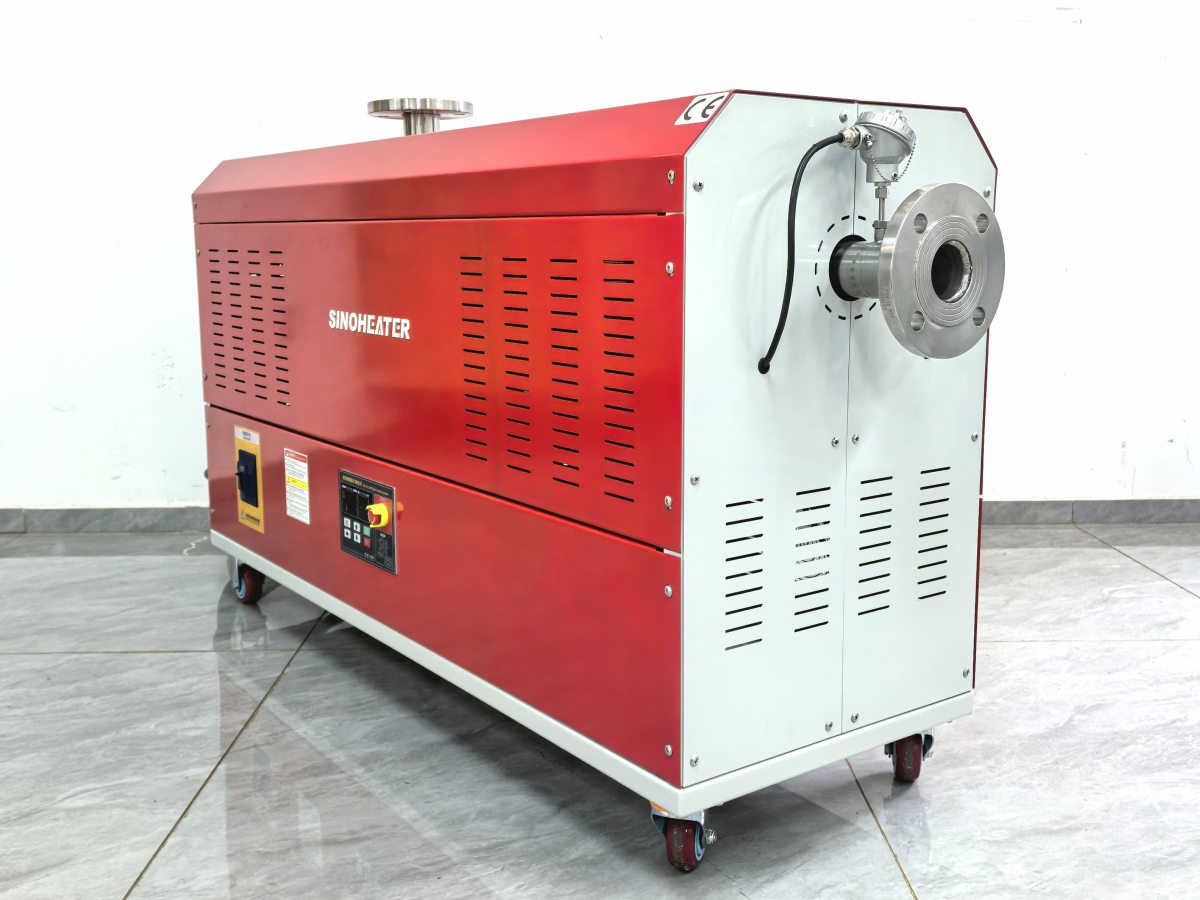
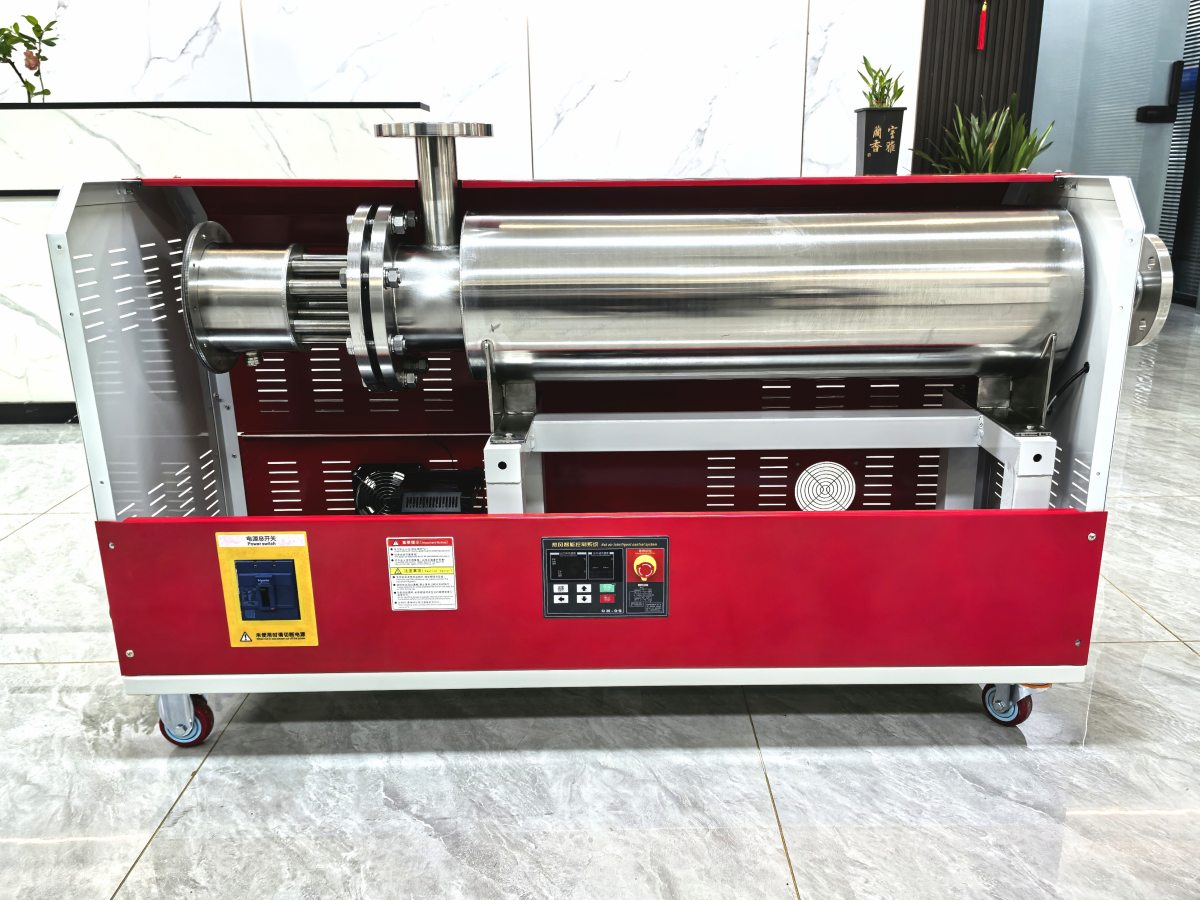
A well-planned grounding grid layout is essential for effective grounding. The grounding grid should be connected to all metal parts of the hot air blower, including the frame, motor housing, and electrical control box. The grid should be designed to minimize the grounding resistance and ensure uniform potential distribution across the installation area.
Grounding Connection Practices
Secure Electrical Connections
All grounding connections must be secure and reliable. Use appropriate connectors, such as bolts, clamps, or welding, to ensure a tight fit between the grounding electrodes and the hot air blower’s metal parts. Loose connections can increase the grounding resistance and compromise the effectiveness of the grounding system.
Avoiding Series Grounding
Each component of the hot air blower should have its own dedicated grounding connection to the grounding grid or grounding electrode. Avoid series grounding, where multiple components are connected in a chain-like fashion, as this can increase the grounding resistance and reduce the reliability of the grounding system.
Proper Wire Sizing
The grounding wires should be sized appropriately based on the fault current and the length of the wire run. Undersized wires can overheat and fail during a fault condition, while oversized wires can be unnecessarily expensive and difficult to install. Consult the relevant electrical codes and standards to determine the correct wire size for your specific installation.
Grounding System Maintenance and Testing
Regular Inspections
Regular inspections of the grounding system are essential to ensure its continued effectiveness. Check for loose connections, corrosion, and damage to the grounding electrodes and wires. Pay particular attention to areas where the grounding system is exposed to the elements, such as outdoor installations.
Grounding Resistance Testing
Periodic grounding resistance testing is necessary to verify that the grounding system is performing as expected. Use a professional grounding resistance tester to measure the resistance between the grounding electrode or grounding grid and the earth. If the grounding resistance exceeds the acceptable limit, take corrective action, such as adding more grounding electrodes or using chemical grounding agents.
Maintenance of Grounding Components
Maintain the grounding components, such as grounding electrodes and wires, in good condition. Replace any damaged or corroded components promptly to prevent grounding system failure. Additionally, keep the area around the grounding electrodes clear of debris and vegetation to ensure proper contact with the earth.
Special Considerations for Different Environments
High-Resistivity Soil Areas
In areas with high soil resistivity, such as rocky or sandy soils, achieving a low grounding resistance can be challenging. Consider using deep-driven grounding electrodes, such as long steel rods or copper-clad steel rods, to reach lower-resistivity soil layers. Alternatively, chemical grounding agents can be used to improve the conductivity of the soil around the grounding electrodes.
Corrosive Environments
In corrosive environments, such as coastal areas or industrial facilities with chemical exposure, use corrosion-resistant grounding materials, such as stainless steel or copper-clad steel. Additionally, apply protective coatings to the grounding electrodes and wires to extend their service life and maintain the effectiveness of the grounding system.
Explosive or Flammable Environments
In explosive or flammable environments, such as oil and gas facilities or chemical plants, special precautions must be taken to prevent electrical sparks from igniting the surrounding atmosphere. Use explosion-proof grounding components and ensure that all grounding connections are tight and free from corrosion to minimize the risk of electrical arcing.
By following these grounding protection measures, you can ensure the safe and reliable operation of your hot air blower. Proper grounding not only protects the equipment from electrical faults but also safeguards personnel from electric shock and other electrical hazards.