Adjusting and Debugging Air Pressure in Hot Air Blowers for Optimal Air Delivery Distance
The Significance of Air Pressure in Hot Air Blower Performance
Understanding the Relationship Between Air Pressure and Air Delivery Distance
Air pressure plays a pivotal role in determining how far a hot air blower can effectively deliver warm air. In simple terms, air pressure is the force exerted by the air as it is pushed out of the blower. Higher air pressure means the air has more energy to overcome resistance, such as friction and air turbulence, allowing it to travel a greater distance. Conversely, lower air pressure results in a shorter air delivery range, limiting the area that can be heated efficiently. For instance, in a large warehouse, a hot air blower with insufficient air pressure may not be able to reach the far – end corners, leaving those areas cold.
Impact of Air Pressure on Airflow Patterns
Apart from affecting the distance, air pressure also influences the airflow patterns. When the air pressure is high, the air tends to shoot out in a more focused and straight manner, creating a narrow but long – reaching air stream. On the other hand, lower air pressure leads to a more diffuse and spread – out airflow, which may be suitable for evenly heating a smaller, enclosed space but is ineffective for reaching distant points. Understanding these airflow patterns is crucial when adjusting the air pressure to match the specific requirements of the heating area.
Step – by – Step Air Pressure Adjustment Process
Initial Assessment of the Heating Space
Before making any adjustments to the air pressure of your hot air blower, conduct a thorough assessment of the space where it will be used. Consider factors such as the size of the area, the presence of obstacles like walls, partitions, or large equipment, and the desired temperature distribution. For example, if the space has multiple levels or is divided into different sections, you’ll need to ensure that the air pressure is sufficient to reach all areas. Also, note any areas that are prone to drafts or have poor insulation, as these may require higher air pressure to compensate for heat loss.
Locating the Air Pressure Control Mechanism
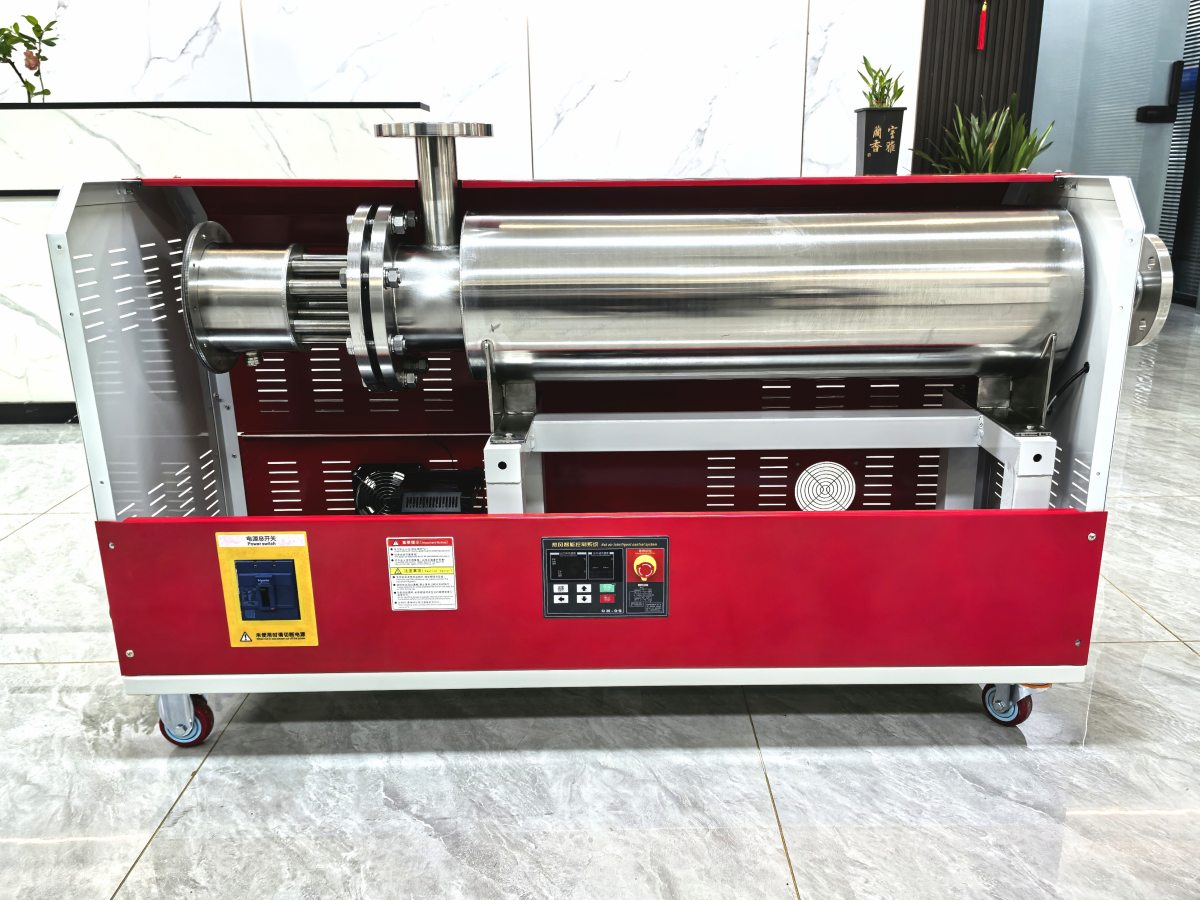
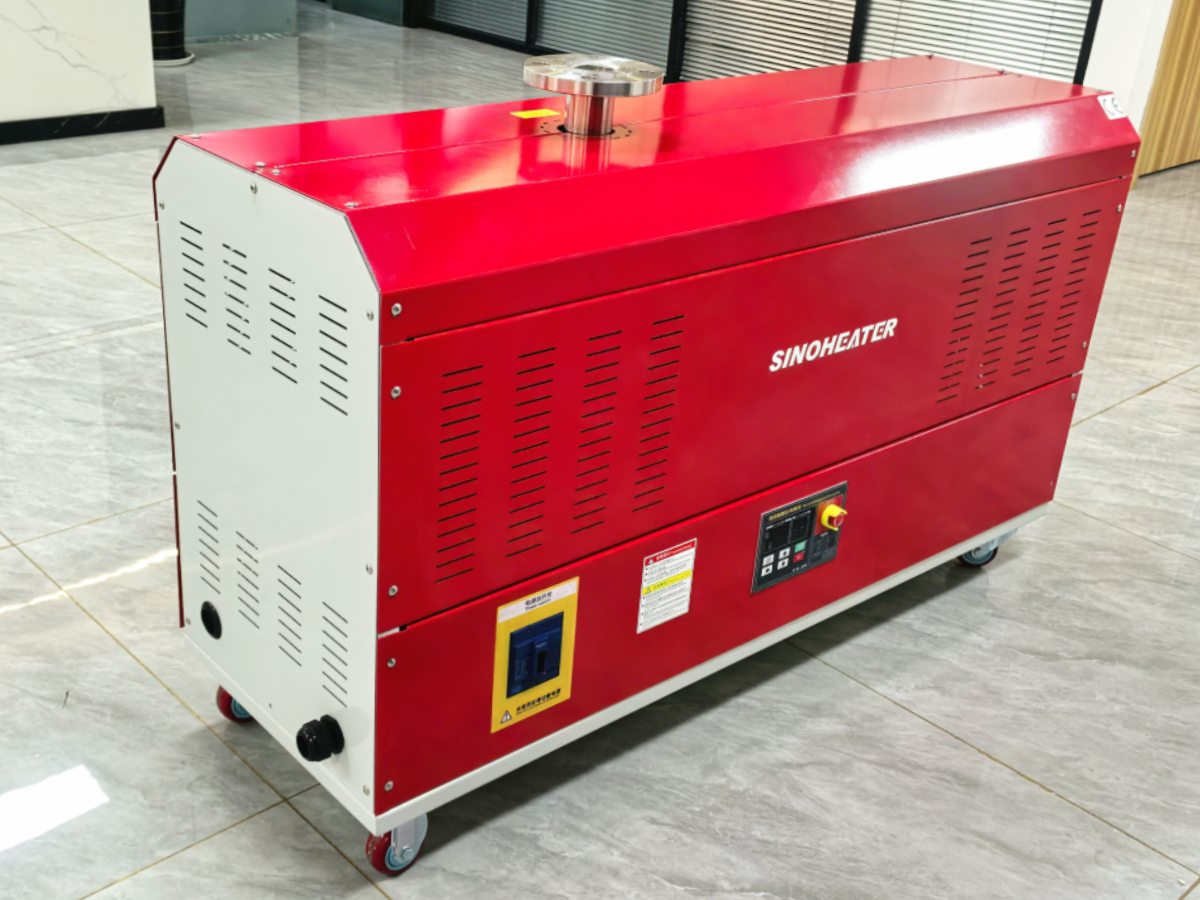
Different hot air blowers have varying ways of controlling air pressure. Some may have a manual knob or dial on the control panel specifically labeled for air pressure adjustment. Others might use an electronic control system where you can access the air pressure settings through a digital interface. Refer to the user manual of your hot air blower to locate the exact air pressure control mechanism. If it’s a manual control, make sure it’s easily accessible and in good working condition. For electronic controls, check that the display is clear and the buttons are responsive.
Gradual Adjustment and Observation
Once you’ve located the air pressure control, start by making small, incremental adjustments. If you’re increasing the air pressure, turn the knob or input a higher value in the electronic system in small steps. After each adjustment, turn on the hot air blower and observe the air delivery. Use a handheld anemometer or a simple piece of lightweight paper to gauge the air speed and direction at different distances from the blower. If the air is not reaching the desired distance, continue to increase the air pressure gradually. However, be cautious not to set the air pressure too high, as this can cause excessive noise, vibration, and may even damage the blower components over time.
Fine – Tuning Air Pressure for Specific Scenarios
Adjusting for Long – Distance Heating in Open Spaces
In large open spaces like halls or factories, achieving long – distance air delivery is often a priority. To fine – tune the air pressure for such scenarios, start by setting the air pressure to a relatively high value based on the initial assessment. Then, use deflectors or air guides to direct the airflow in a straight path towards the target area. These accessories can help reduce air turbulence and maintain the air pressure over a longer distance. Additionally, consider the height at which the hot air blower is installed. Mounting it at a higher position can take advantage of the natural convection currents and allow the air to travel further.
Optimizing Air Pressure for Enclosed or Partitioned Areas
For enclosed or partitioned spaces, such as offices or small rooms, the goal is often to achieve even heating rather than extreme long – distance delivery. In this case, start with a moderate air pressure setting. Use diffusers on the air outlets to spread the airflow evenly across the room. Diffusers break up the concentrated air stream into smaller, more gentle flows, reducing the intensity of the drafts and ensuring a more comfortable environment. You may also need to adjust the air pressure based on the number of partitions and the layout of the room. If there are many partitions, you might need to slightly increase the air pressure to ensure that the air can penetrate through the openings and reach all areas.
Dealing with Air Pressure Fluctuations
Air pressure fluctuations can occur due to various reasons, such as changes in the power supply, clogged air filters, or worn – out components. To deal with these fluctuations, regularly monitor the air pressure during operation. If you notice significant variations, first check the air filters. Clogged filters restrict the airflow, causing the blower to work harder and potentially leading to pressure fluctuations. Clean or replace the filters as needed. Also, inspect the fan blades and other moving parts for any signs of wear or damage. Loose or damaged components can disrupt the smooth operation of the blower and affect the air pressure stability. If the problem persists, consult a professional technician to diagnose and fix any underlying issues.