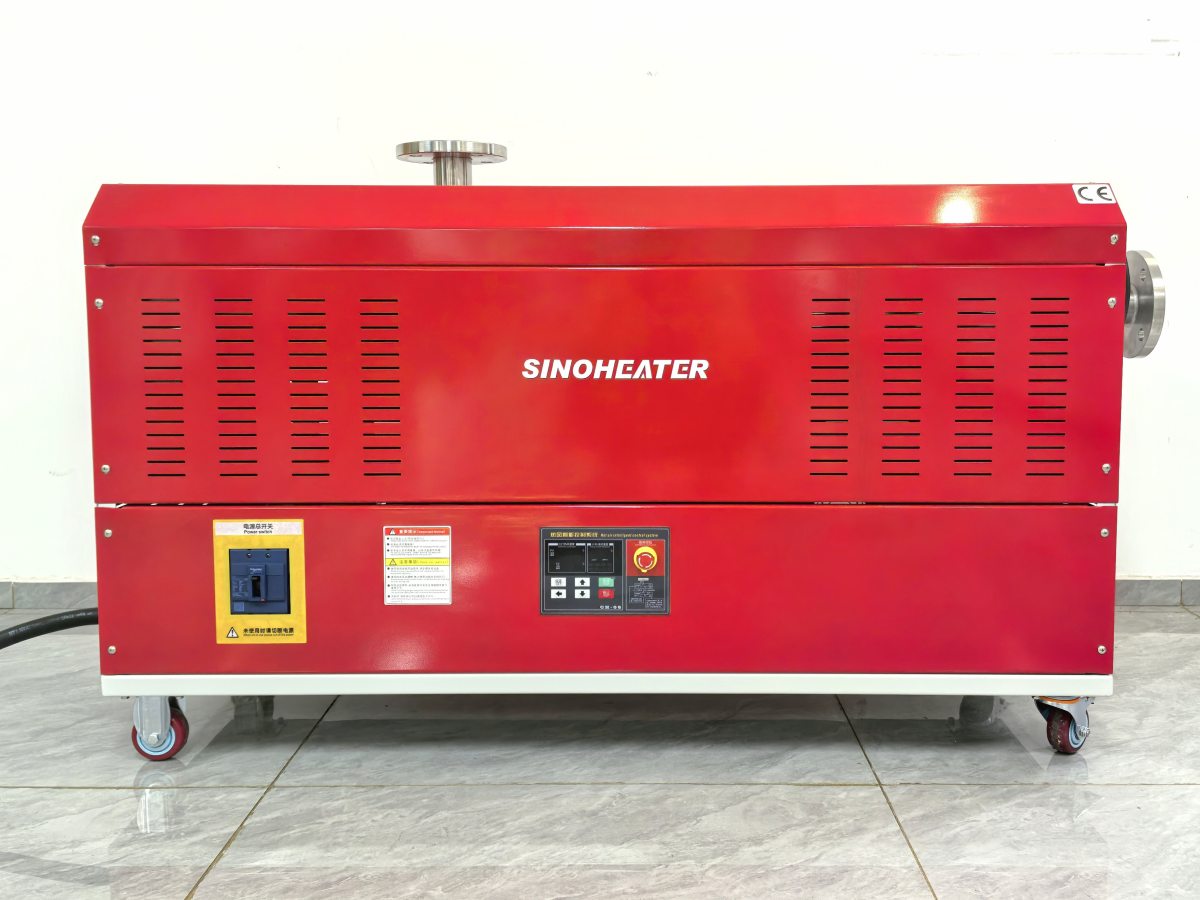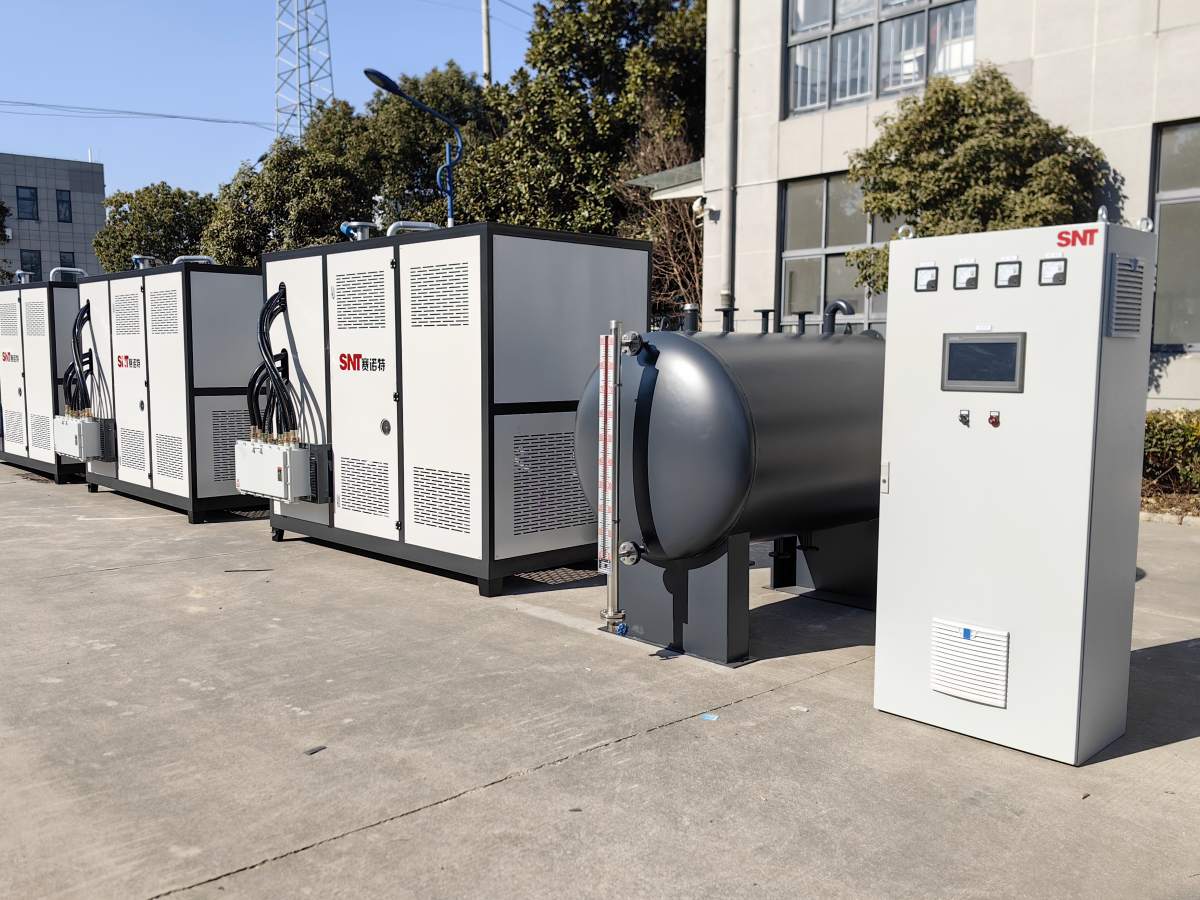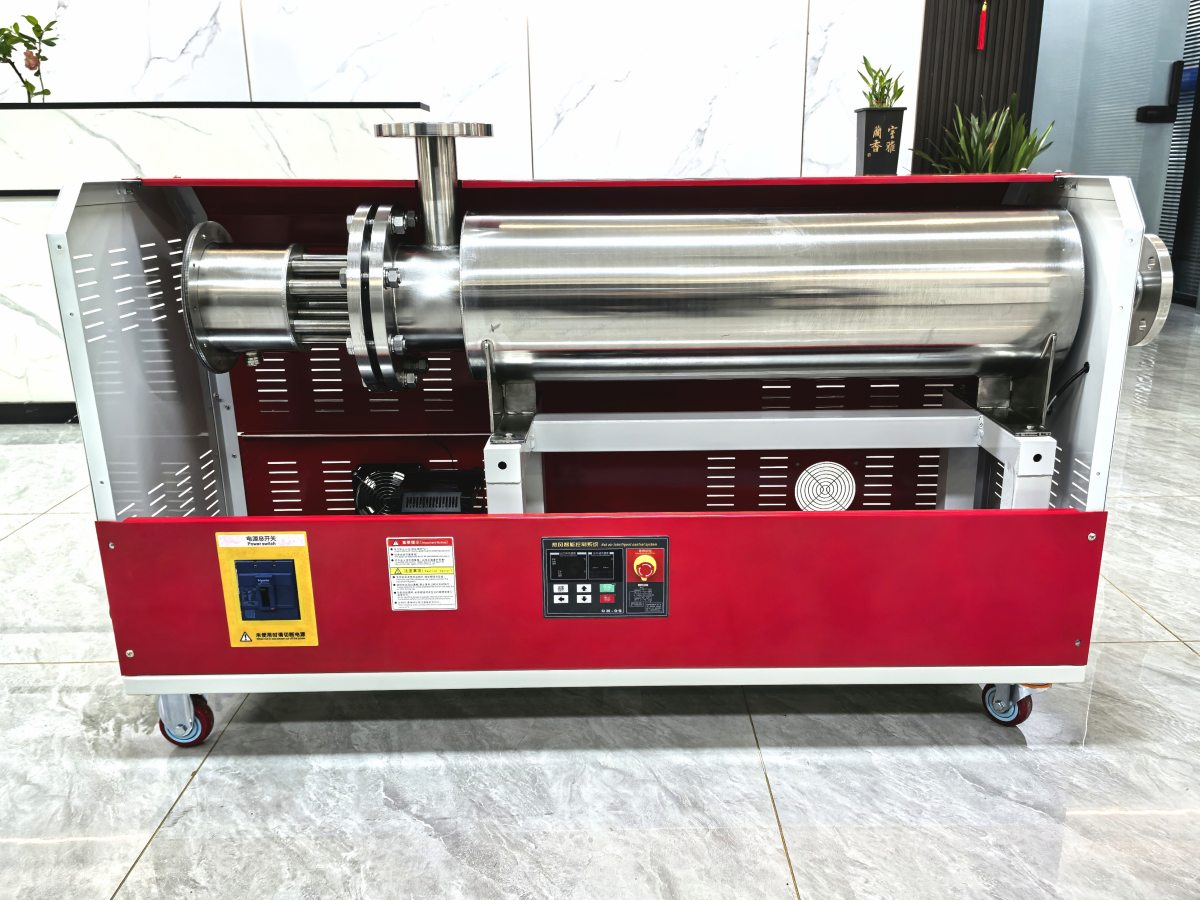
Before performing any setup or operation, confirm the power supply parameters match the input requirements of the unit, and inspect the power cord and internal wiring for any signs of fraying, exposed conductors, or loose connection points. Place the unit on a flat, stable horizontal surface with no flammable materials within the full air outflow path, to eliminate unnecessary fire risks during extended continuous operation. This pre-operation check establishes a safe foundation for daily use, and prevents many common avoidable faults that occur from improper initial setup.
Fixed temperature point calibration and operation
Power on the unit and let it run for 8 to 12 minutes to reach its stable single temperature operating state, then verify the outlet air temperature against the expected fixed value with a properly calibrated temperature meter. The single temperature gear design eliminates complex multi-step adjustment procedures, allowing operators to start consistent heating work immediately without extra tuning or configuration steps. This simplified operation logic reduces the chance of human error during temperature setting, making it especially suitable for repetitive, standardized heating tasks that do not require frequent temperature changes. Technicians can confirm the unit reaches and maintains its target temperature within a narrow tolerance band across the full rated airflow range.
Airflow path and regular maintenance
Keep the air inlet mesh completely clear of dust, lint, and other accumulated debris, as blocked intake will reduce airflow volume and cause abnormal internal overheating of the heating elements over time. Inspect the internal heating element mounting brackets at regular intervals, to make sure no loose components shift out of position and create unintended contact with surrounding internal structures. Check the fan blade balance during every scheduled maintenance session, to ensure stable airflow delivery without excessive vibration or unusual operating noise that indicates internal wear. This basic maintenance routine keeps the unit operating reliably for a long service life without unexpected performance drops.
Long term stable operating validation
After 100 hours of continuous cumulative operation, perform a full performance check to confirm the outlet temperature remains within its original designed tolerance range, and no noticeable drift has occurred from extended runtime. Verify that the overheat protection mechanism triggers correctly when the airflow inlet is partially blocked, confirming the safety system still functions as intended to stop operation before any damage occurs. Document all inspection results and operating hours in a service log, so any gradual performance change can be spotted early before it develops into a complete operational fault. This structured validation process ensures the unit maintains consistent, reliable heating performance across its entire working lifespan.