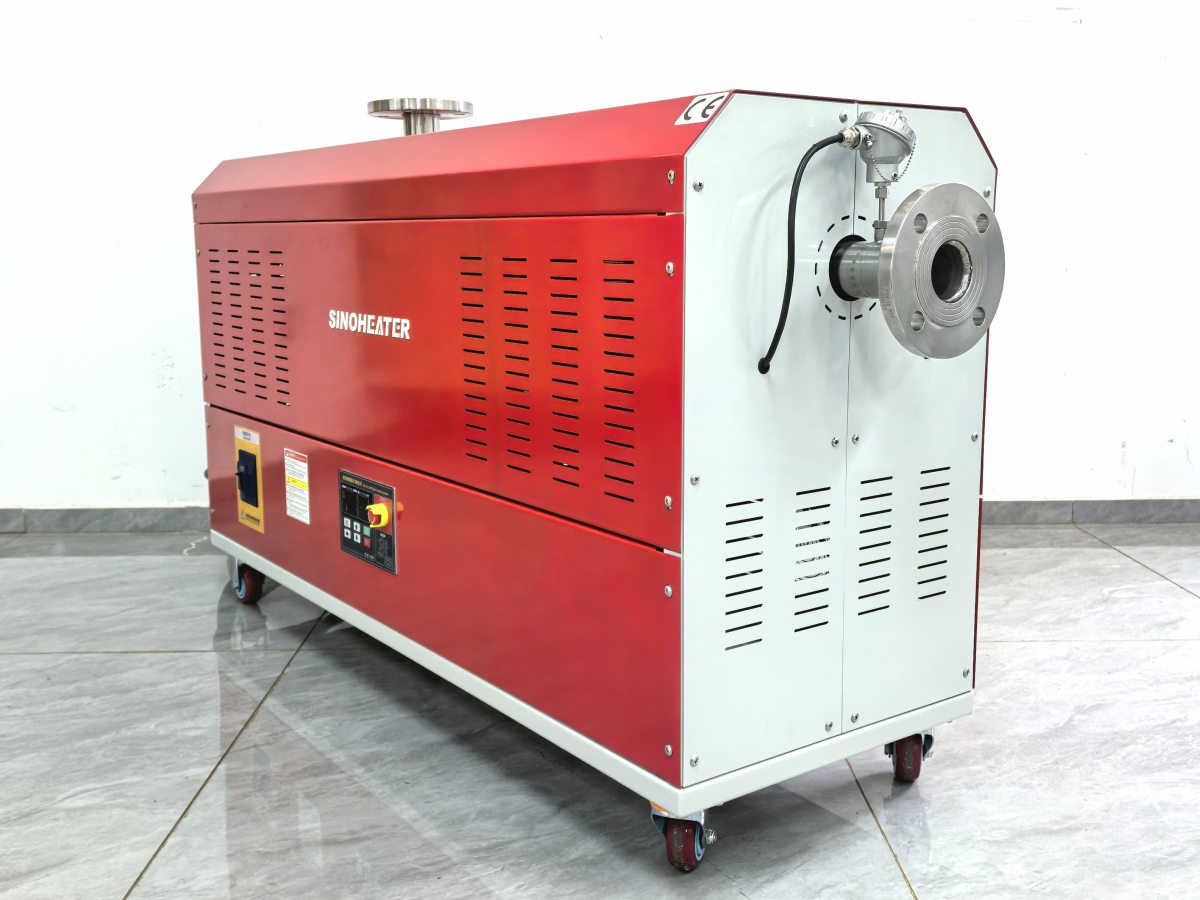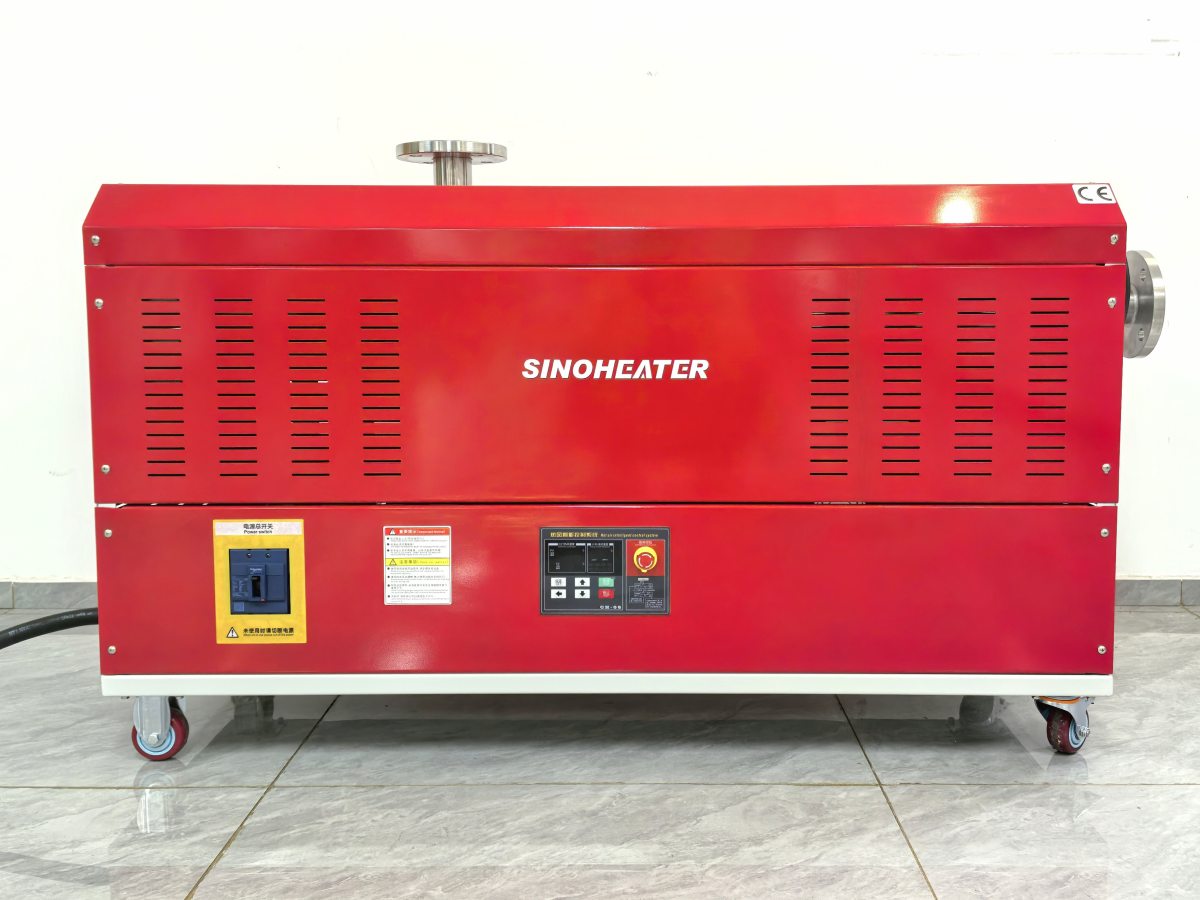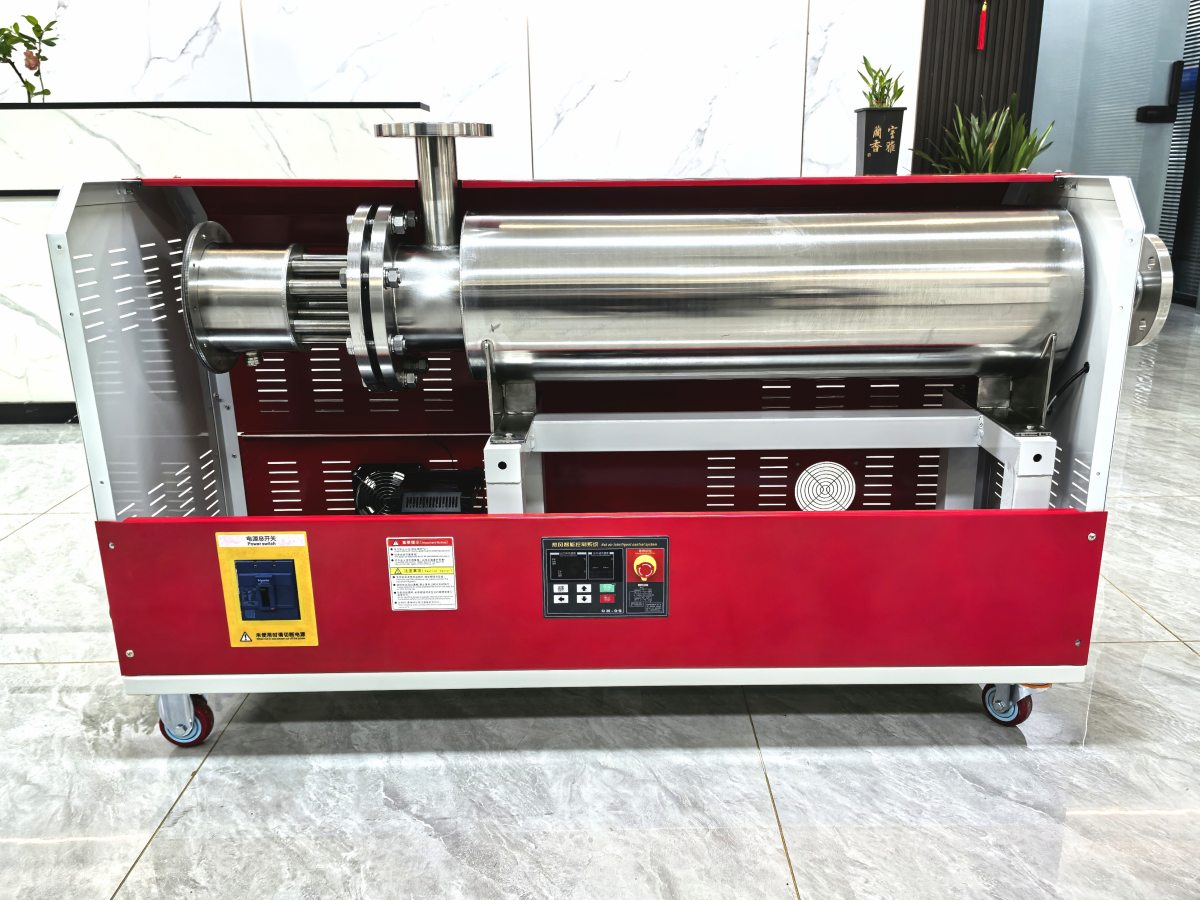
When integrating hot air blower systems with dedicated air duct layouts, alignment between airflow output and duct structural design directly determines long-term operational stability and consistent heat delivery across connected work zones. Proper matching ensures every segment of the connected system performs as intended, without unexpected pressure drops, uneven heat distribution, or unnecessary mechanical strain on internal components.
Airflow Velocity and Pressure Synchronization
Seamless airflow transition at the blower-to-duct connection eliminates sudden turbulence that would otherwise disrupt steady air movement through the full system. A properly matched interface maintains consistent velocity as air moves from the blower outlet into the duct network, preventing energy loss that would reduce effective heat delivery to downstream target areas. This smooth transition also reduces unnecessary wear on internal fan components caused by repeated backpressure spikes.
Gradual cross-sectional adjustments along the duct path preserve uniform air speed across every connected branch. When duct dimensions shift gradually instead of abruptly, the system avoids creating dead zones where stagnant air can cause localized overheating or uneven temperature output. This careful dimension matching supports predictable performance even when the duct network includes multiple directional bends or extended run lengths.
Static pressure balance across the entire duct run prevents unexpected airflow imbalances that would leave some end points with insufficient heat volume. A well-calibrated matching process accounts for resistance from every bend, joint, and inline accessory, ensuring the blower’s output capacity lines up perfectly with the total system demand. This eliminates situations where the blower runs at maximum output but still fails to deliver consistent performance at the farthest application points.
Structural Seal and Thermal Insulation Compatibility
Precision flange alignment at every connection point creates an airtight seal that prevents unplanned air leakage along the duct path. Properly matched connection surfaces sit flush against each other, eliminating small gaps that would let treated hot air escape before reaching its intended target. This tight seal preserves system efficiency and prevents unintended heat loss that could raise ambient workspace temperatures outside the controlled duct route.
Thermal insulation layers integrated with the duct exterior maintain consistent air temperature as it travels through extended duct segments. When insulation thickness and material properties are matched to the system’s operating temperature range, there is minimal heat drop even across long runs that pass through unheated or temperature-variable spaces. This ensures the air that exits at the final application point retains the exact heat level set at the blower unit.
Vibration-dampening connection interfaces isolate normal blower operational vibration from the full duct structure. These matched fittings prevent resonant vibration from traveling along the duct length, which would otherwise loosen joints over time, create distracting operational noise, and introduce unnecessary structural stress on mounting points. This compatibility extends the long-term service life of the entire integrated setup.
Installation and Long-Term Maintenance Accessibility
Modular joint design along the integrated duct path lets technicians disassemble specific segments quickly for routine inspection or cleaning, without requiring full system teardown. Properly matched connection points use standardized alignment features that make reassembly straightforward, ensuring the system returns to its original sealed, balanced state after every maintenance procedure. This reduces downtime for regular upkeep that preserves consistent performance over years of operation.
Built-in access panels positioned at key intervals along the duct run let teams check for accumulated debris or internal buildup without cutting into duct walls. These panels are sized and placed to align with typical maintenance workflows, so operators can clear blockages or inspect internal surfaces in minutes rather than hours. This design compatibility directly supports reliable, predictable long-term system performance.
Mounting bracket spacing calibrated to the combined weight of the blower and full duct assembly keeps the entire integrated setup stable even during extended continuous operation. Proper load distribution across all mounting points prevents structural sag or misalignment that would distort duct shape, disrupt airflow patterns, or put unintended strain on the blower outlet connection. This careful matching creates a robust, low-fuss installation that holds its original alignment for thousands of operating hours.