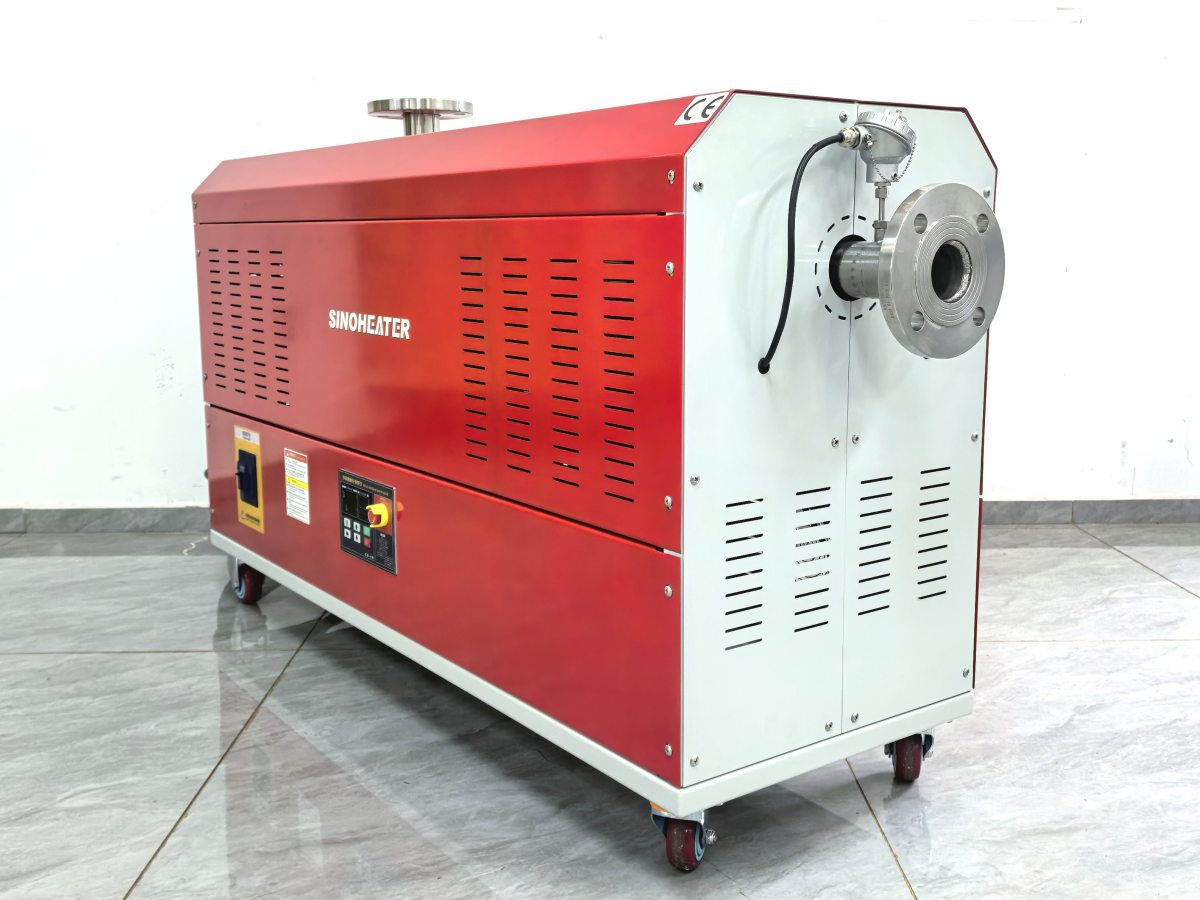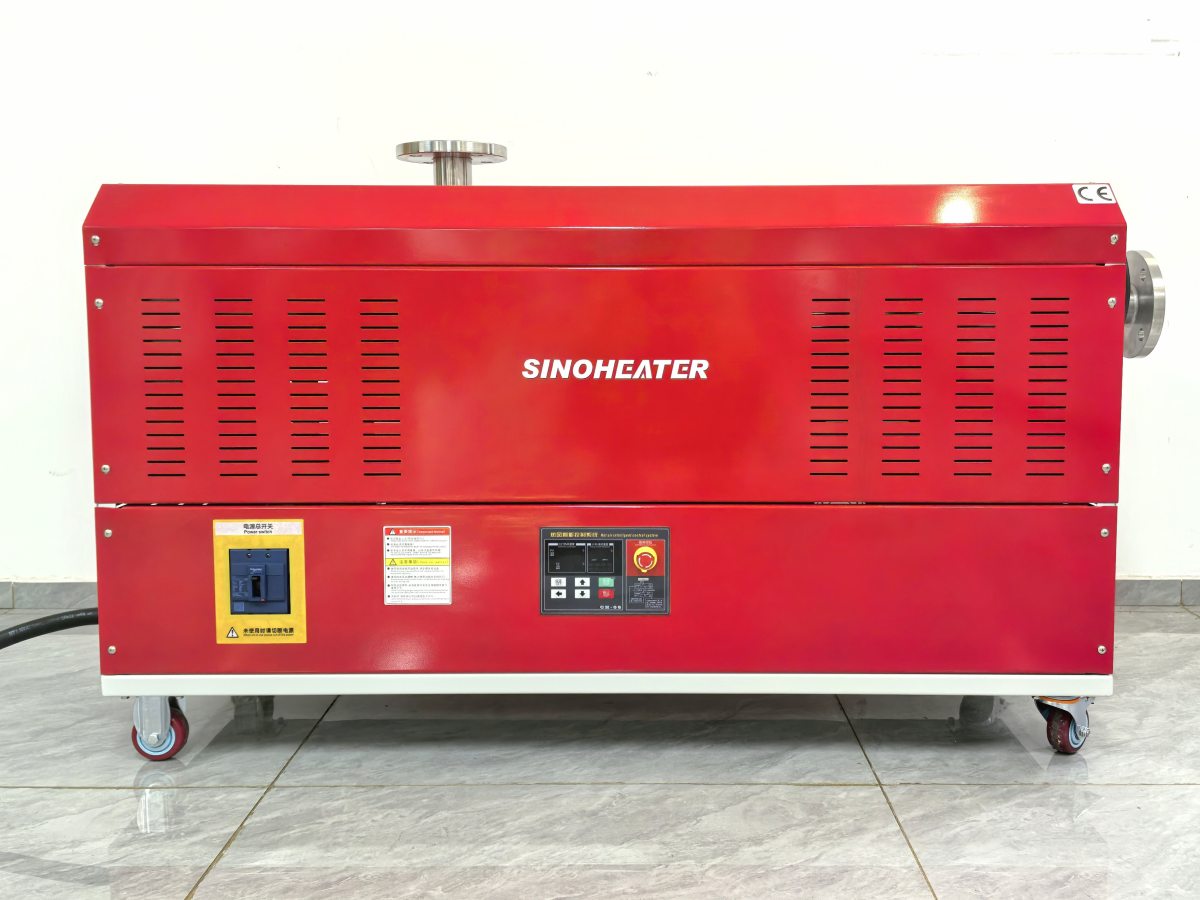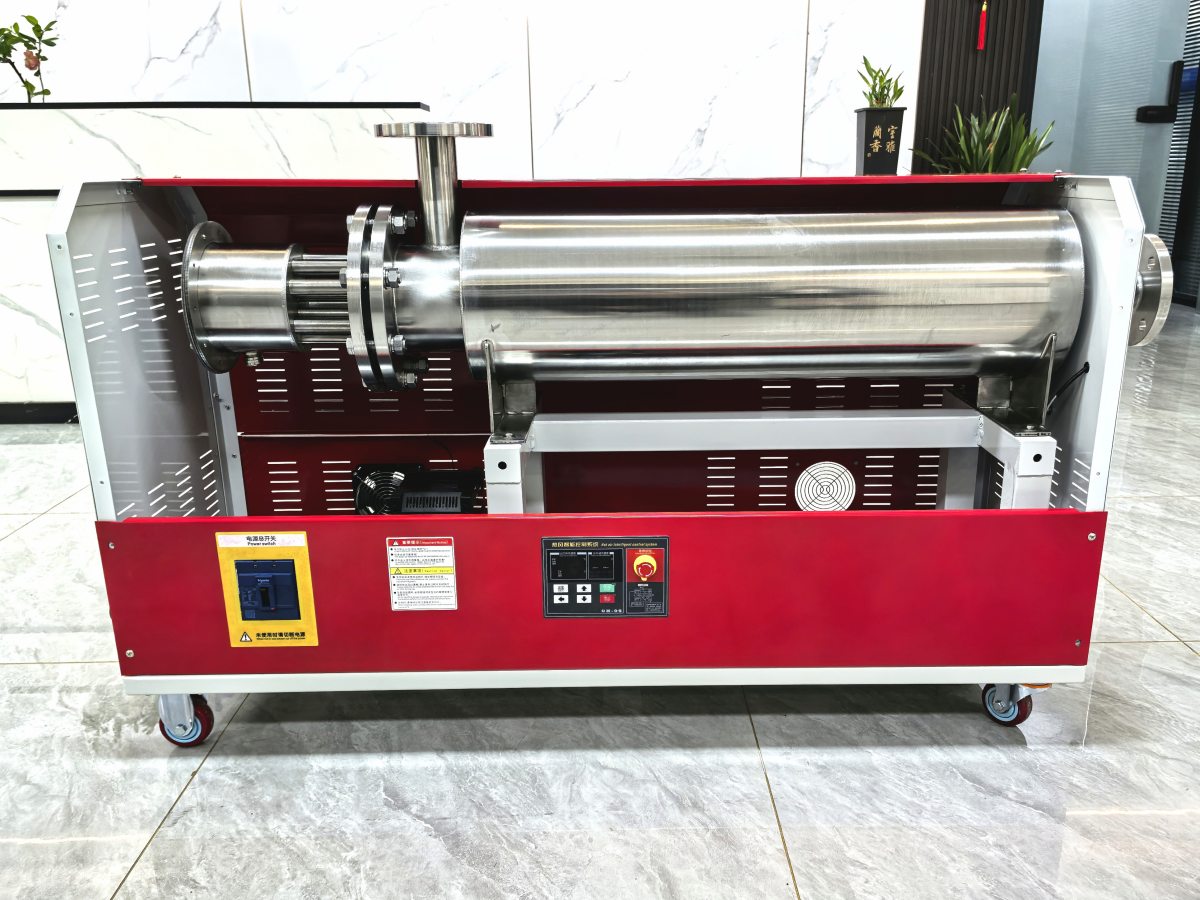
When working with logistics packaging heat shrink film processing, having a reliable heat source that delivers consistent, adjustable airflow makes every step of the wrapping process smoother and more predictable. Many packaging teams rely on targeted hot air delivery to seal irregularly shaped parcels, secure bundled items, and create a tight protective layer that resists dust, moisture, and minor abrasion during transit. This method works across nearly all common packaging workflows, from small batch custom orders to high-volume distribution lines.
Core Operating Principles for Heat Shrink Film Processing
The entire process revolves around controlled thermal expansion and contraction of the polymer film. When exposed to a specific temperature range, the film molecules relax and shrink rapidly, conforming tightly to the shape of the item underneath. For logistics applications, this means the heat source must maintain a stable temperature output that stays within the material’s recommended activation window. Too little heat leaves loose, wrinkled sections that fail to offer full protection, while excessive heat can tear through the film or damage temperature-sensitive contents inside the package.
Operators typically move the heat source evenly across the film surface, maintaining a consistent distance to avoid localized overheating. This sweeping motion ensures every section of the film reaches its shrink temperature at roughly the same time, eliminating weak spots that could tear open during handling. For items with sharp edges or uneven contours, careful angling of the airflow helps the film pull snugly against every surface without leaving gaps.
Practical Workflow Tips for Daily Packaging Tasks
Start by pre-stretching the film evenly over the item, making sure there are no deep folds or overlapping layers that could trap excess heat. Position the item on a flat, heat-resistant surface that will not stick to melted film residue, and clear the surrounding workspace of any loose materials that could be accidentally exposed to high temperatures. Begin applying airflow from the outer edges of the film, working slowly toward the center of the package. This prevents the film from pulling unevenly and creating wrinkles that are difficult to smooth out later.
For parcels with complex geometry, focus on corners and recessed areas first before moving to larger flat surfaces. These spots often require a few extra seconds of targeted airflow to ensure the film pulls completely tight around edges and does not leave loose flaps that could catch on conveyor belts or other equipment during shipping. After the initial full pass, inspect the entire surface and apply short bursts of heat to any remaining loose sections, taking care not to hold the airflow in one place for too long.
Safety and Consistency Best Practices for Long-Term Use
Always allow the airflow device to reach its stable operating temperature before beginning work, so every section of film receives the same level of heat exposure. Keep the work area well ventilated, as continuous heating of shrink film can release trace amounts of fumes that are easier to manage with steady air circulation. Operators should wear heat-resistant gloves when working on extended packaging sessions, to avoid accidental contact with hot surfaces or recently heated film that retains residual warmth.
Establishing a consistent routine for every package helps teams maintain uniform results even during peak shipping periods. Documenting the typical working distance, motion speed, and temperature setting for each film type used in your facility creates a shared reference that new team members can follow, reducing inconsistent results and wasted material over time. Regular workspace cleaning to remove accumulated film scraps and dust also lowers fire risk and keeps every packaging session running smoothly.