
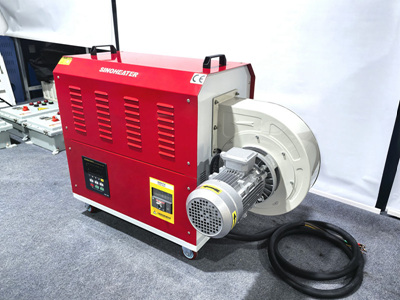
Direct-Blow Hot Air Heaters: Precision Heating for Rapid Temperature Rise
When quick, targeted warmth is essential—whether in workshops, garages, or large living spaces—direct-blow hot air heaters excel by delivering focused airflow directly to specific areas. Unlike traditional heaters that disperse warmth evenly across a room, these units prioritize speed and directionality, making them ideal for spot heating or drafty environments. Below, we explore how direct-blow systems work, their advantages, and practical tips for maximizing their efficiency.
How Direct-Blow Heaters Achieve Rapid Warmth
Direct-blow models use powerful fans and strategically designed nozzles to project heated air in a concentrated stream, minimizing heat dispersion and accelerating temperature rise in targeted zones.
The Science Behind Focused Airflow
- High-Velocity Fans: Unlike standard heaters with gentle airflow, direct-blow units incorporate robust fans that push air at higher speeds, ensuring heat reaches distant surfaces quickly.
- Adjustable Nozzles: Many models feature swiveling or telescoping nozzles that let users direct airflow precisely, whether toward a workbench, seating area, or entryway.
- Compact Heating Elements: Ceramic or metal coils heat up rapidly, transferring warmth to the air as it passes through the unit without requiring lengthy preheating periods.
Key Components for Efficient Direct Heating
- Thermal Insulation: Internal insulation prevents heat loss within the unit, ensuring all generated warmth is projected outward rather than absorbed by the casing.
- Overheat Protection: Built-in sensors automatically shut off the heater if internal temperatures exceed safe levels, preventing damage and reducing fire risks.
- Durable Housing: Metal or high-grade plastic exteriors resist warping or cracking under high temperatures, maintaining structural integrity over time.
Advantages of Direct-Blow Heating Systems
For spaces requiring immediate warmth or localized heating, direct-blow heaters offer distinct benefits over conventional models, from energy savings to versatility.
Faster Heating in Large or Drafty Areas
- Spot Heating: By focusing airflow on a specific area, these units warm occupied zones quickly without wasting energy heating empty spaces.
- Counteracting Drafts: Positioning the heater near windows or doors combats cold air infiltration, creating a barrier of warm air that stabilizes indoor temperatures.
- Reduced Warm-Up Time: High-velocity airflow cuts preheating time by 50% or more compared to standard heaters, making them ideal for intermittent use.
Cost-Effective Energy Use
- Lower Operating Costs: Directing heat only where needed reduces overall energy consumption, lowering utility bills over time.
- No Ductwork Required: Unlike central heating systems, direct-blow units operate independently, eliminating heat loss through ducts and vents.
- Portable Design: Many models are lightweight and equipped with handles or wheels, allowing users to move them between rooms as heating needs change.
Practical Applications for Direct-Blow Heaters
- Workshops and Garages: Warming tools, equipment, or workstations during cold weather improves comfort and productivity.
- Outdoor Events: Portable units with weather-resistant casings provide temporary heat for patios, construction sites, or sporting events.
- Commercial Spaces: Large open areas like warehouses or retail floors benefit from targeted heating in high-traffic zones, reducing the need for full-space heating.
Optimizing Performance for Maximum Efficiency
To ensure direct-blow heaters operate at peak effectiveness, proper placement, maintenance, and usage habits are critical.
Strategic Placement for Best Results
- Angle the Nozzle Downward: Directing airflow slightly downward ensures heat is distributed evenly across the floor and rises naturally, warming the entire space.
- Avoid Obstructions: Keep the heater at least 3 feet away from walls, furniture, or curtains to prevent airflow blockage and reduce fire hazards.
- Position Near Cold Sources: Placing the unit near drafty windows or exterior doors helps neutralize incoming cold air before it spreads.
Maintenance Tips for Longevity
- Clean Filters Regularly: Dust and debris can clog air intake filters, reducing airflow and forcing the fan to work harder. Inspect and clean filters monthly.
- Inspect Nozzles and Grilles: Check for cracks or blockages in the nozzle or vent grilles, which can disrupt airflow patterns and lower heating efficiency.
- Lubricate Moving Parts: If the unit includes adjustable components like swiveling nozzles, lubricate hinges annually to ensure smooth operation.
Common Mistakes to Avoid
- Using on High Settings Continuously: Running the heater at maximum power for extended periods can overheat the unit and increase energy costs. Use lower settings for sustained warmth.
- Ignoring Safety Features: Disabling overheat protection or tip-over switches compromises safety. Always ensure these functions are active before use.
- Neglecting Ventilation: While direct-blow heaters don’t require ducts, ensuring proper room ventilation prevents moisture buildup and maintains air quality.
Enhancing Direct-Blow Heating with Accessories
Certain accessories can improve the functionality and safety of direct-blow heaters, adapting them to specific environments or needs.
Useful Add-Ons for Versatility
- Oscillating Bases: Some models accept oscillating attachments that sweep airflow side to side, expanding the heated area without manual adjustment.
- Remote Controls: Wireless remotes allow users to adjust settings from a distance, ideal for hard-to-reach heaters or when adjusting temperature without leaving a seat.
- Wall Mounts: Securing the heater to a wall frees up floor space and directs heat downward, making it suitable for hallways or entryways.
Safety Accessories for Peace of Mind
- Tip-Over Switches: These automatically shut off the heater if it’s knocked over, preventing accidents in high-traffic areas or homes with pets.
- Cool-Touch Exteriors: Units with insulated casings stay safe to touch even during operation, reducing burn risks for children or curious hands.
- Cord Organizers: Built-in clips or external holders keep power cords tidy, minimizing tripping hazards and preventing damage to the cable.
Conclusion
Direct-blow hot air heaters offer a practical, energy-efficient solution for rapid, targeted heating in diverse settings. By combining high-velocity airflow with adjustable nozzles and durable construction, these units address the challenges of warming large, drafty, or intermittently occupied spaces. With proper placement, regular maintenance, and strategic use of accessories, direct-blow heaters deliver reliable warmth while minimizing energy waste and operational costs. Whether for home, work, or outdoor use, their precision heating capabilities make them a valuable addition to any heating strategy.


