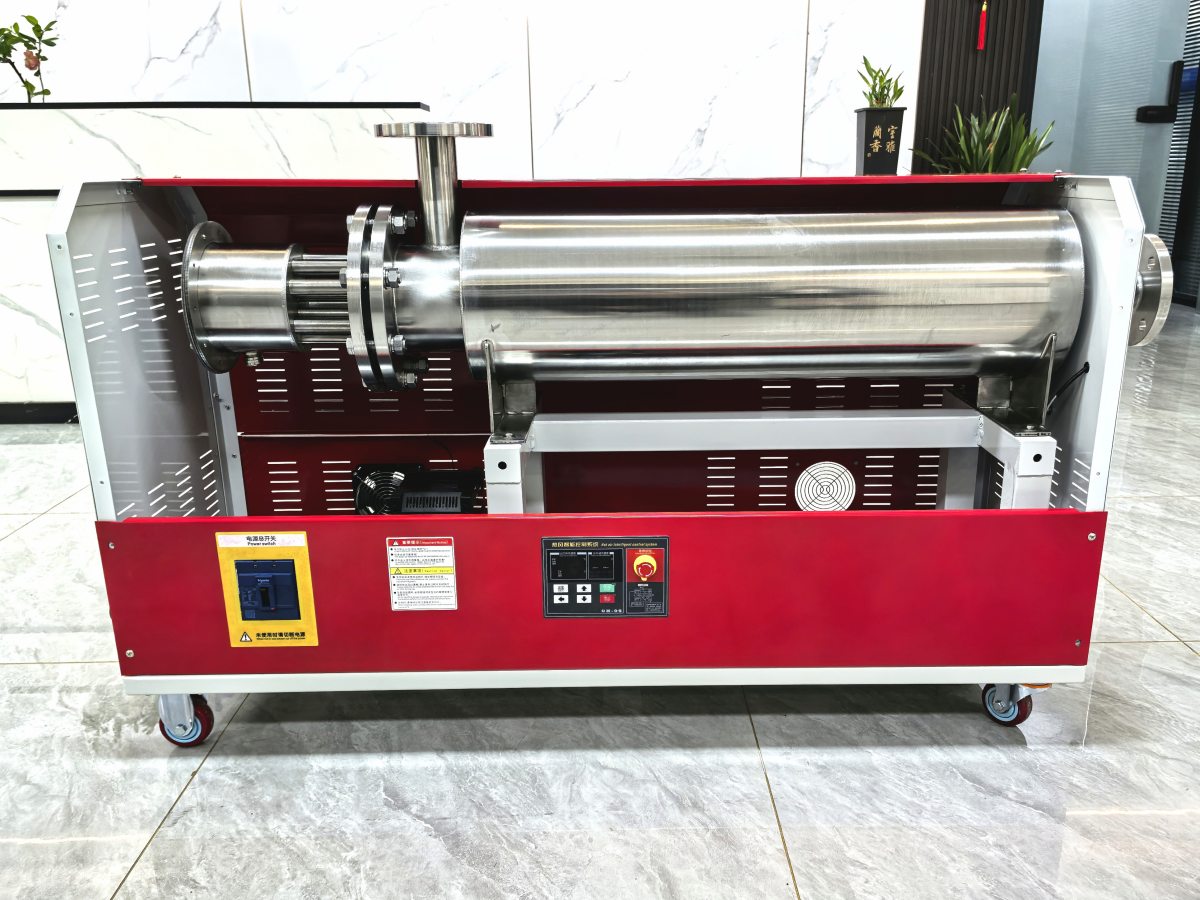
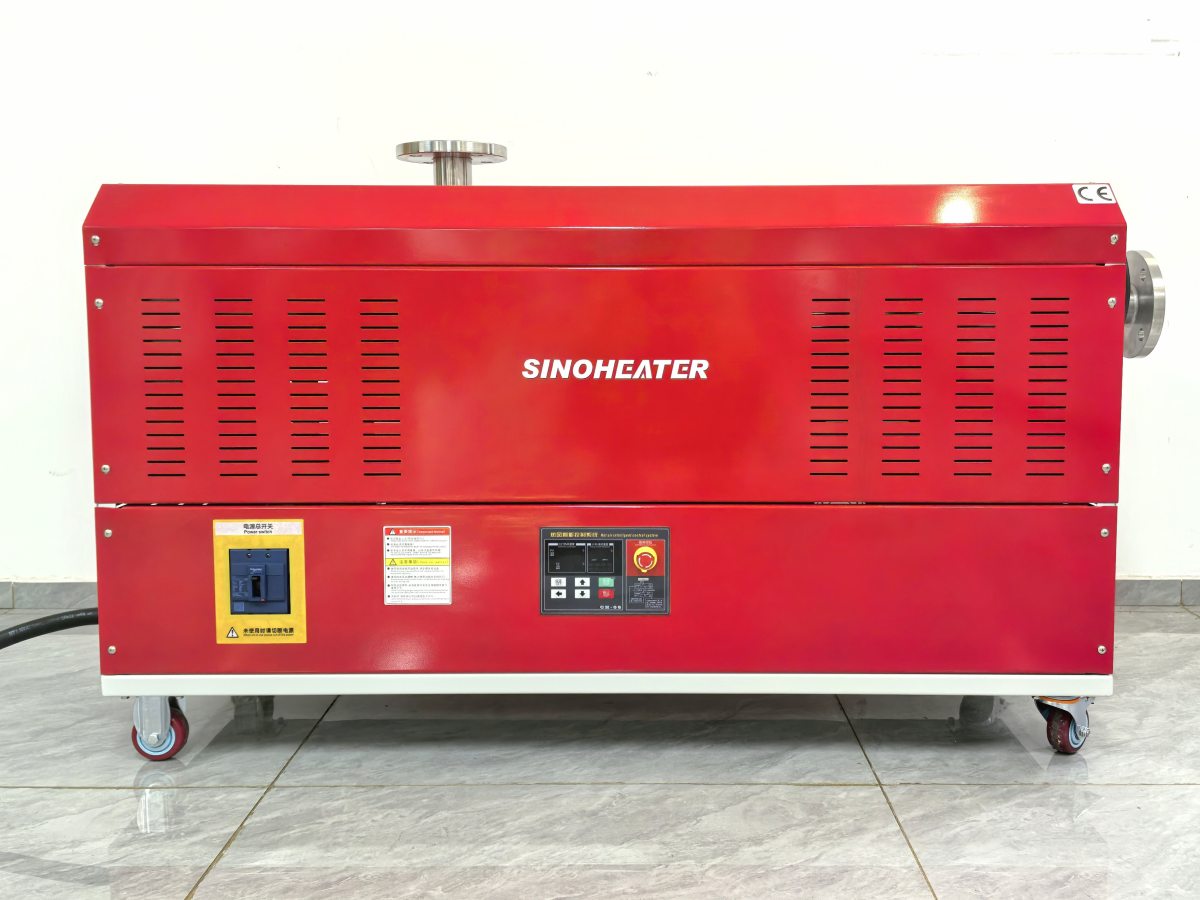
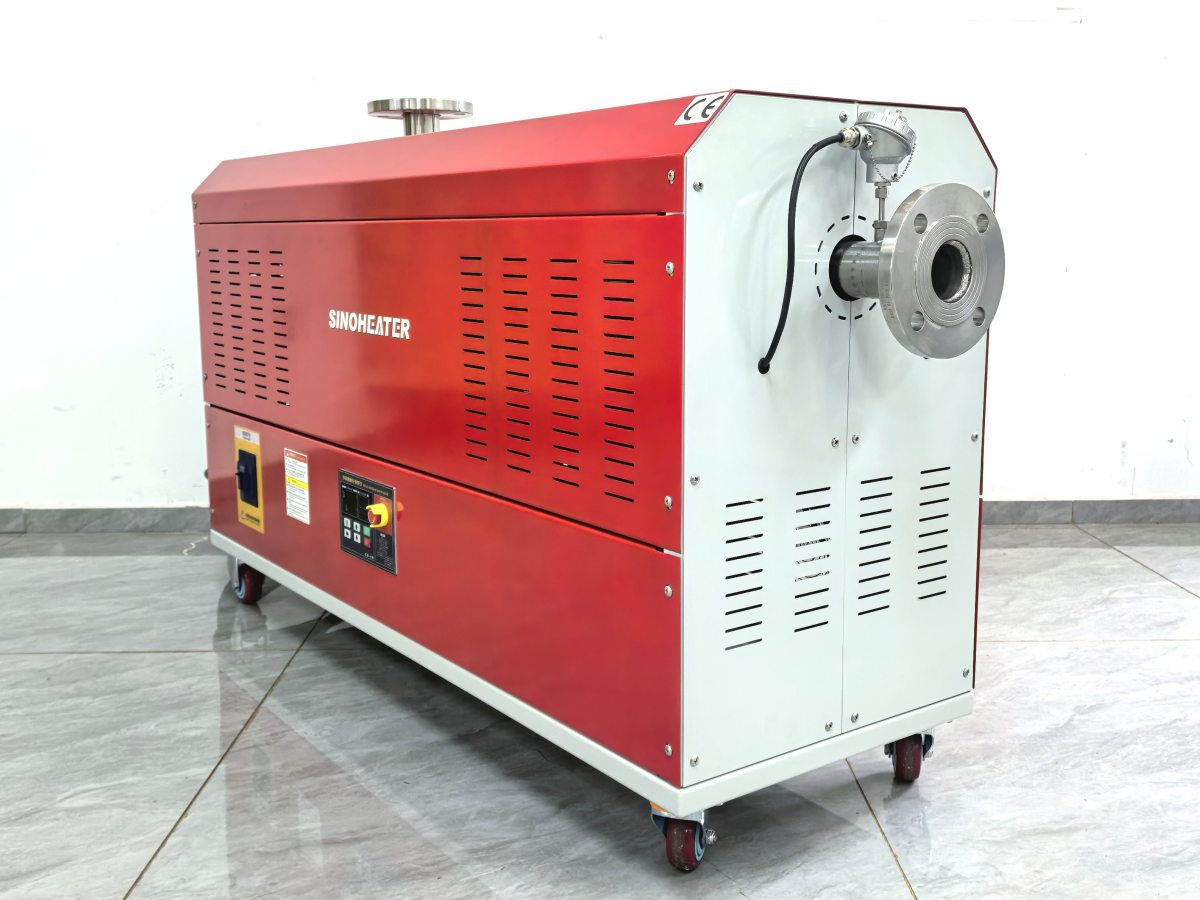
Ceramic handicraft surface drying is a delicate stage of production that directly defines the final quality, texture, and structural integrity of finished art pieces, and uneven, uncontrolled drying is one of the most common causes of avoidable defects. When newly shaped, glazed, or slip-cast ceramic pieces are left to dry under static ambient conditions, the outer surface loses moisture far faster than the inner core, creating steep internal moisture gradients that lead to surface cracking, warping, blistering, or uneven glaze settling that ruins hours of careful hand work. A properly configured hot air blower setup delivers consistent, adjustable convective heat and airflow that pulls surface moisture away at a controlled, uniform rate, eliminating these defects while preserving the fine handcrafted details, surface texture, and subtle decorative effects that make each ceramic handicraft unique.
Airflow Pattern Tuning for Delicate Ceramic Geometry
Different ceramic handicraft shapes, from thin delicate figurines to thick-walled hand-thrown vessels, require completely customized airflow distribution to avoid uneven drying that damages fine edges, raised relief details, or thin protruding sections.
Low-Velocity Laminar Airflow for Thin Walled Pieces
For delicate, thin-walled ceramic handicrafts such as hand-painted vases, fine ornamental figurines, and pieces with intricate raised surface relief, high speed turbulent airflow will erode soft unfired clay surfaces, shift unfixed slip decoration, or create rapid localized drying on one side of the piece that causes permanent warping. Tuning the hot air blower to deliver smooth, low-velocity laminar airflow across the entire surface of the craft ensures moisture is pulled away evenly, without applying enough physical force to distort soft unfired material or smudge hand-applied decorative layers. The airflow is directed at a 30 to 45 degree angle across the surface, rather than blowing directly perpendicular onto the craft, so the air glides gently over every curved edge and detailed feature instead of concentrating force on a single small spot.
Zoned Multi-Directional Air Circulation for Complex Shapes
Ceramic handicrafts with deep hollow cavities, undercut details, or multiple protruding elements cannot be dried evenly from a single fixed airflow direction, as dead zones with almost no air movement will trap residual moisture in hidden crevices. A multi-position hot air blower arrangement, positioned at complementary angles around the drying area, creates full 360 degree air circulation that reaches every hidden surface of the piece, including the inner walls of open vessels, the gaps between sculpted decorative elements, and the undersides of raised features. This eliminates the uneven drying that leaves damp hidden spots that will burst or crack during the high temperature firing stage, even if the outer surface of the handicraft appears completely dry to the touch.
Temperature Profiling Matched to Clay and Glaze Properties
Setting a single static high temperature for the entire drying cycle is a common mistake that creates thermal shock, rapid surface crusting, and trapped moisture under the outer layer of the ceramic handicraft. A carefully staged, gradually rising temperature profile matched to the exact material properties of the clay body and surface decoration ensures moisture escapes steadily from the inside out, with no sudden phase changes that damage the craft.
Low Temperature Initial Stage for Freshly Formed Greenware
In the first hours of drying, when the ceramic handicraft is still in its soft, unfired green state, the hot air blower is set to deliver a very mild, low temperature output that is only slightly warmer than standard room temperature. This gentle heat slowly pulls free, easily accessible surface moisture away at a rate that does not form a hard, impermeable dry crust on the outer face of the clay, which would trap remaining moisture deep inside the core of the piece. Even very small temperature spikes at this early stage can cause the outer surface to shrink and seal shut before inner moisture can escape, creating hidden internal stress that will crack the piece apart days later, long after the drying process appears complete.
Graduated Temperature Ramp for Glazed and Decorated Surfaces
Once the greenware has lost most of its free moisture and reached a semi-dry leather hard state, the hot air blower temperature can be raised in small, incremental steps over several hours, to target the residual bound moisture trapped near the surface of hand-applied glaze, underglaze decoration, or slip trailing details. This slow ramp prevents the liquid carrier in water-based glazes from boiling or bubbling as it dries, which would leave unwanted pinholes, craters, or uneven texture across the carefully finished decorative surface. It also ensures the glaze layer dries evenly and adheres uniformly to the clay body, so there is no flaking, peeling, or uneven shifting of decoration before the piece even enters the kiln for firing.
Operator Technique and Process Control for Consistent Handcraft Results
Even with perfectly tuned airflow and temperature settings, improper manual operation of the hot air blower can still ruin delicate ceramic handicrafts, and small, consistent adjustments tailored to each individual piece preserve the unique handcrafted quality of every work.
Controlled Hand Movement for Targeted Detail Drying
For small, localized areas of thick applied decoration, deep carved texture, or recessed crevices that hold extra moisture, operators use slow, steady sweeping motions to move the hot air blower across the specific target area, rather than holding it fixed in one spot. This targeted approach lets you dry a thick layer of hand-applied slip trailing or a deep carved pattern without over-drying and cracking the surrounding thinner surface areas of the craft. Operators maintain a consistent, safe distance between the blower outlet and the ceramic surface, so no single section of the piece is exposed to concentrated direct heat long enough to create localized overheating.
Moisture Check Points to Avoid Over-Drying
At regular intervals throughout the drying process, operators pause the hot air blower and perform a non-destructive moisture check by gently touching a hidden, non-decorated edge of the ceramic handicraft, or weighing the piece on a precision scale to track when its weight stabilizes at the expected fully dry value. This prevents over-drying, which can make unfired greenware so brittle that even light accidental contact will chip or break fine details. Once the target dry state is reached, the hot air blower output is gradually reduced back down to room temperature airflow over a 15 to 20 minute window, so the ceramic piece equalizes slowly to ambient conditions, eliminating the risk of sudden thermal stress that could create fine hidden cracks in the surface.