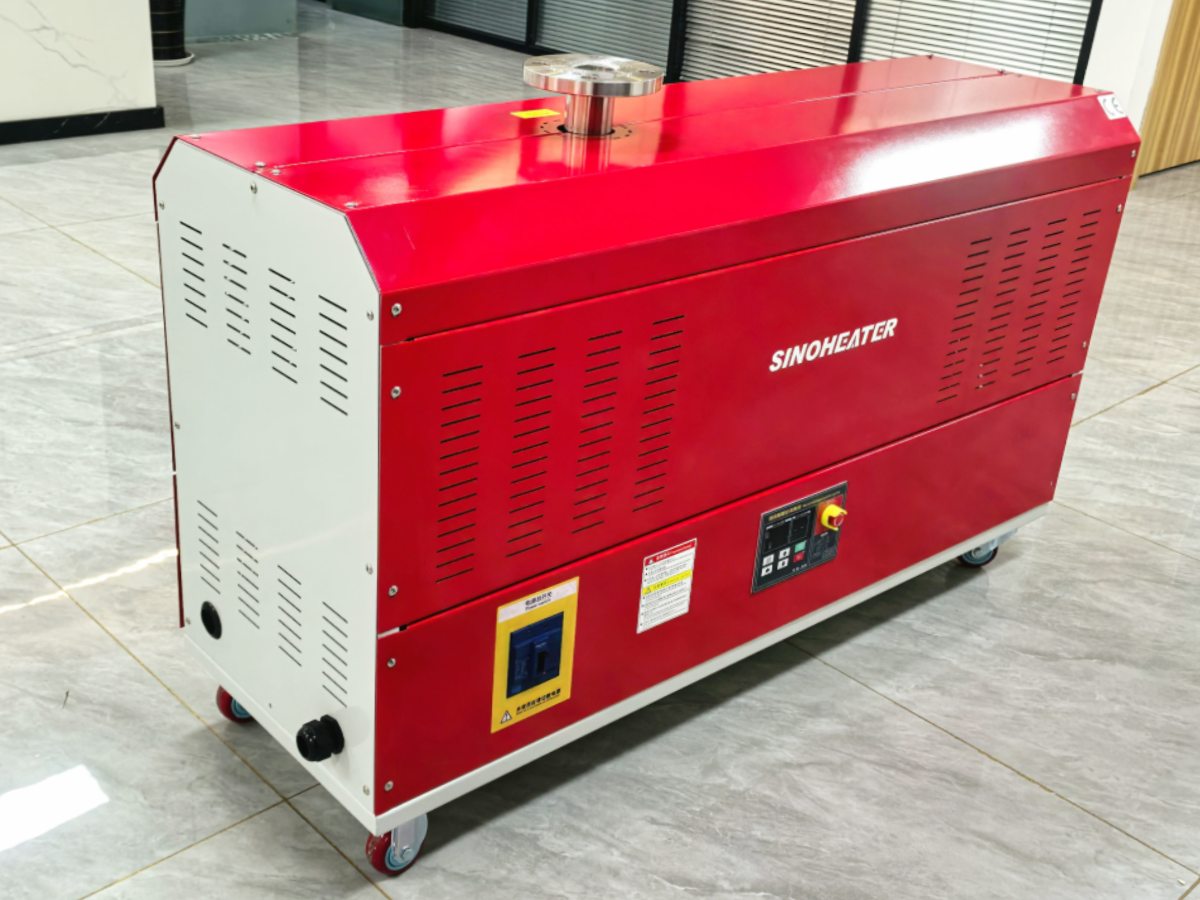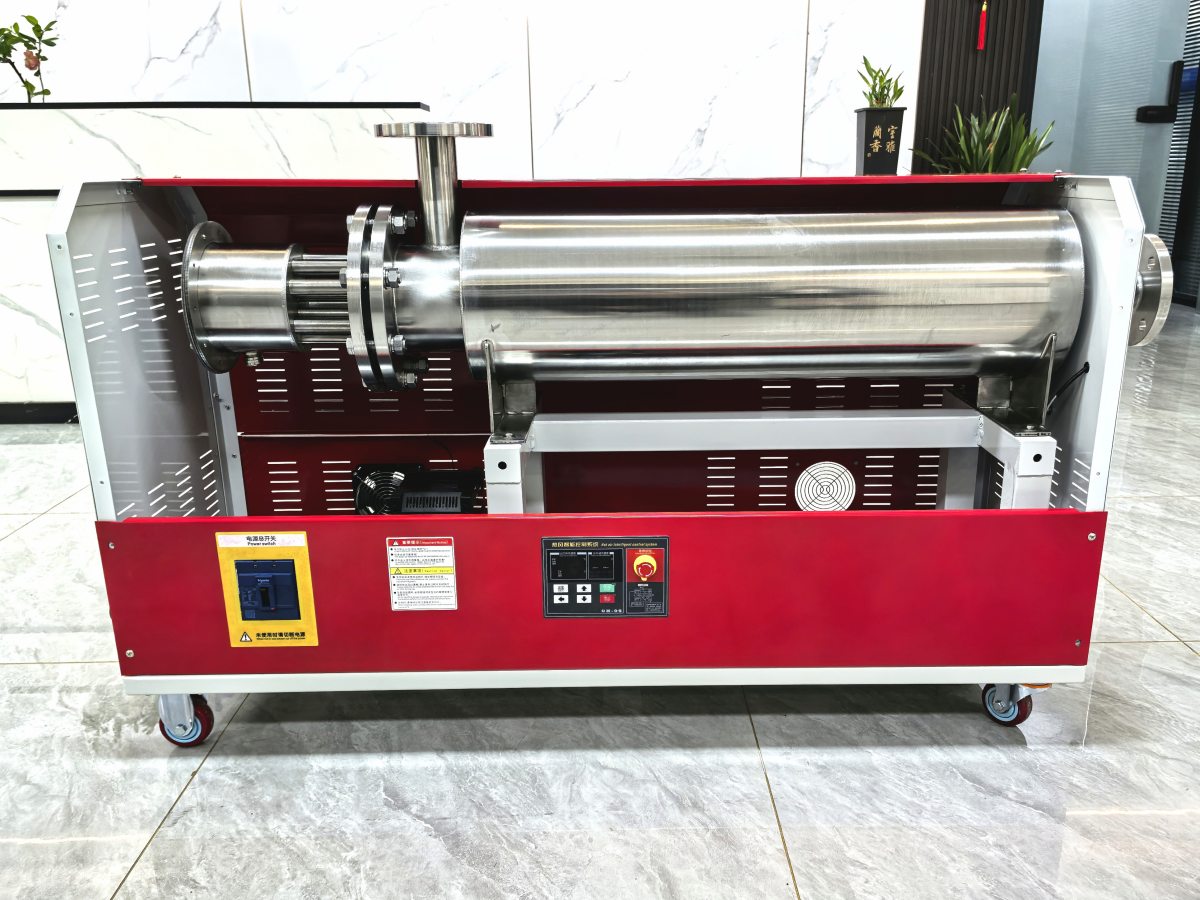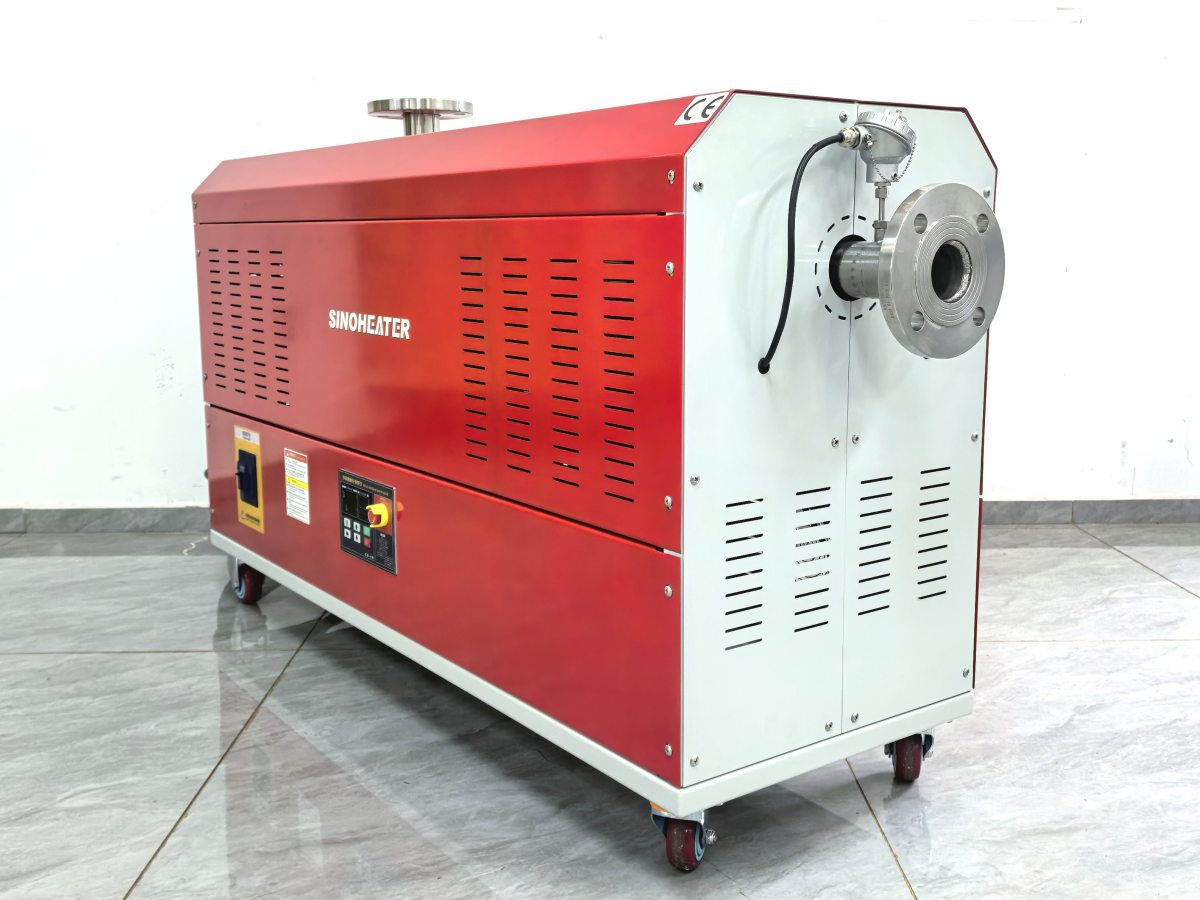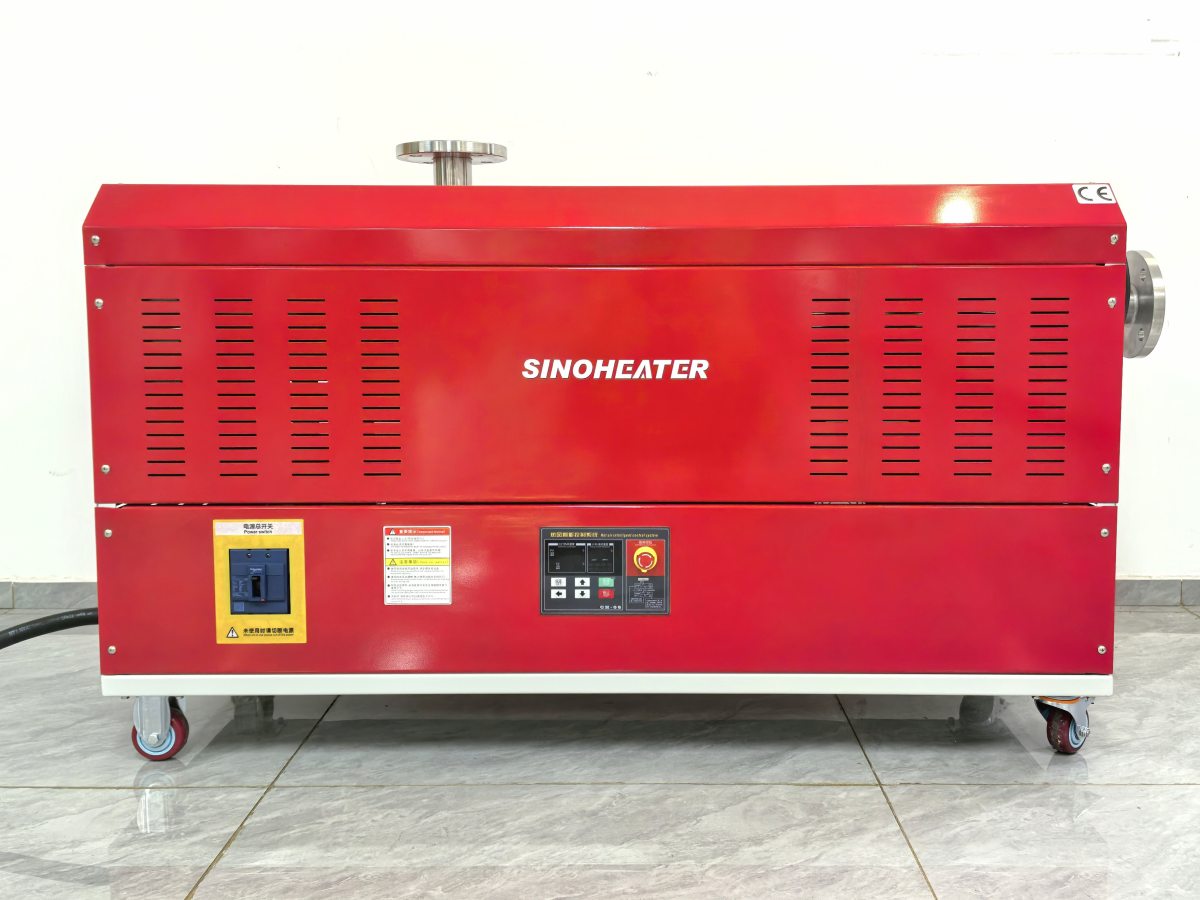
Hot air blower systems deliver a practical, non-abrasive auxiliary cleaning approach for surface rust removal on metal parts, addressing the limitations of traditional manual scraping, harsh chemical soaking, and heavy abrasive blasting methods. Thin surface rust, residual moisture trapped under rust layers, and loosely adhered corrosion byproducts often cling to metal surfaces even after initial mechanical cleaning, leaving behind faint discoloration and hidden moisture that can trigger new rust formation within days. The targeted high-velocity hot air stream works alongside primary rust removal processes to break up weak corrosion bonds, eliminate trapped moisture, and leave the metal surface in a fully stable, dry state that is ready for subsequent priming, coating, or reassembly. This method is particularly valuable for complex metal geometries, threaded fasteners, and precision machined surfaces where aggressive cleaning methods would easily cause unintended damage.
Thermal Softening of Loose Rust and Oxide Layers
The core working principle of hot air assisted rust cleaning relies on controlled, localized heating that creates subtle thermal expansion differences between the base metal and thin surface rust layers. Rust and iron oxide byproducts have a far lower thermal conductivity and different expansion rate compared to the underlying solid metal substrate. When focused, evenly distributed hot air is applied to the corroded surface, the weak porous rust layer heats up faster than the denser metal underneath, creating tiny, controlled separation forces that break the weak adhesive bond between loose rust particles and the base metal. This causes flaky, loosely adhered surface rust to lift away from the metal in fine dry particles, rather than being smeared or pressed deeper into tiny surface pits by manual scraping tools. The process is especially effective for light to moderate surface rust that has not yet penetrated deep into the metal grain, removing all loose corrosion residue without applying any physical contact force that could scratch or alter the original metal surface profile.
Trapped Moisture Elimination to Prevent Recurring Rust
One of the most overlooked benefits of hot air blower assisted rust cleaning is its ability to completely eliminate hidden moisture trapped inside micro-pits, threaded gaps, and overlapping metal joints after initial rust removal. Even after all visible rust flakes are brushed away, tiny amounts of residual moisture can remain sealed inside these hard-to-reach spaces, creating the exact damp environment that triggers new rust formation within just a few hours of finishing the cleaning work. Sustained, evenly distributed hot air flow penetrates into these narrow crevices, raising the local surface temperature enough to evaporate every last trace of trapped moisture, and blowing all the resulting water vapor completely away from the metal surface. This leaves the entire metal part, including all hidden gaps and hard-to-reach features, in a fully dry state that will not spontaneously re-corrode before the next protective coating step is applied. For parts that cannot be immediately primed or painted after rust removal, this full drying step adds a critical buffer window that prevents flash rust from forming during the gap between cleaning and subsequent surface treatment.
Targeted Air Flow Adaptation for Complex Metal Geometries
Unlike broad heating methods that apply uniform heat across an entire part, a hot air blower lets operators adjust heat intensity and air flow spread to match every unique feature on a complex metal component. For large flat corroded panels, a wide, diffuse hot air stream covers a broad area to lift loose surface rust evenly across the whole surface without overheating any single spot. For narrow threaded holes, intricate machined grooves, and overlapping metal flanges, a more concentrated, focused air stream can be directed deep into these hard-to-reach areas to blow away fine rust dust and eliminate hidden moisture that no brush or scraper could ever fully reach. Operators keep the blower in constant slow sweeping motion across the surface, never holding it fixed on one single spot long enough to cause excessive localized heating that could alter the base metal’s original temper or surface hardness. This level of precise, adjustable control makes the method perfectly safe for high-precision metal parts, aged vintage components, and thin sheet metal structures where aggressive cleaning methods would risk permanent, irreversible damage.
Post-Cleaning Surface Preparation for Subsequent Coating Work
After hot air assisted rust removal is complete, the metal surface is left in an ideal condition for applying protective primer, paint, or anti-corrosion treatment. All loose rust particles, fine corrosion dust, and residual hidden moisture have been fully removed, leaving nothing behind that would interfere with the adhesive bond between the metal substrate and the new protective coating. The slight, even warming of the metal surface from the hot air also helps the first layer of primer flow out more smoothly and wet the entire metal surface completely, eliminating tiny pinholes or fish eyes that can form when coating is applied to a cold, damp metal surface. This level of consistent surface preparation directly improves the long-term performance of the final anti-corrosion coating, extending the service life of the treated metal part far longer than what would be possible after conventional manual rust cleaning alone.