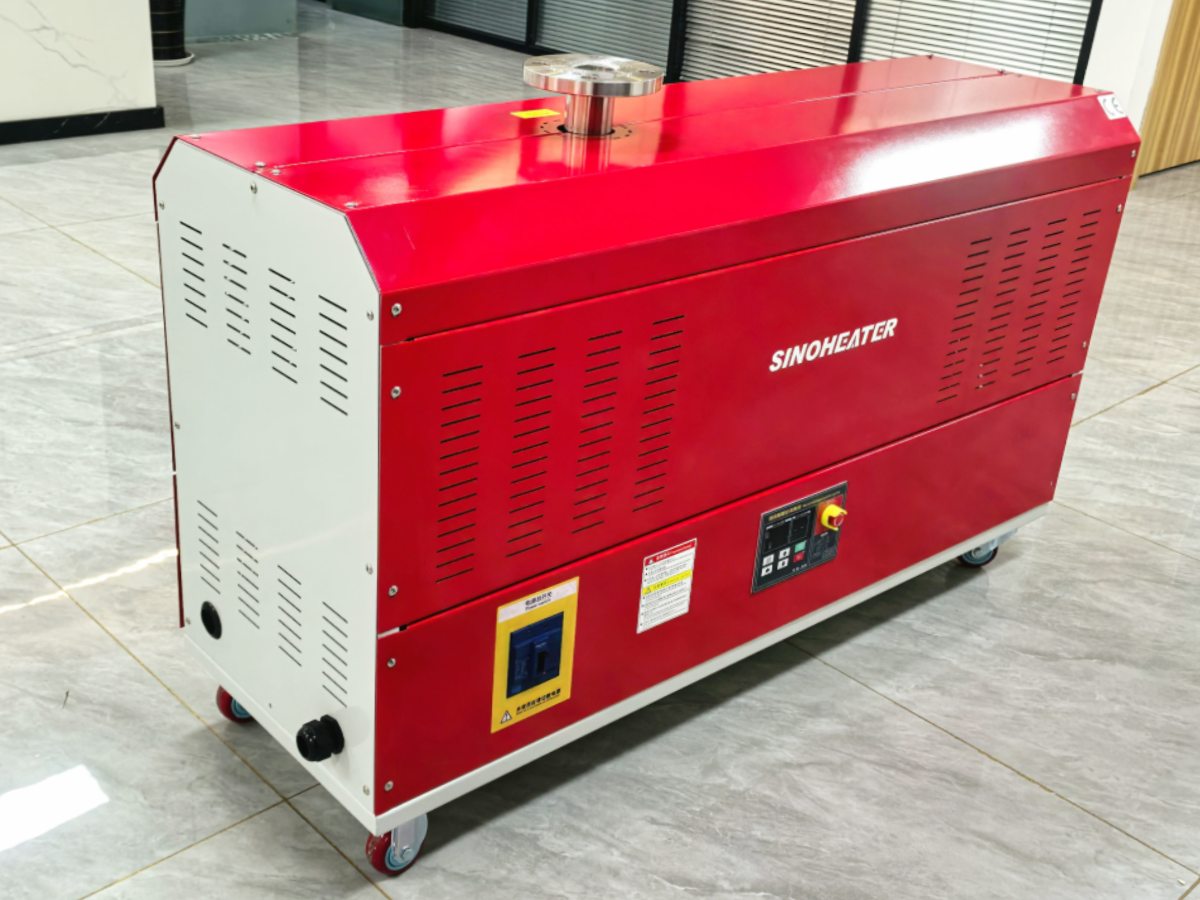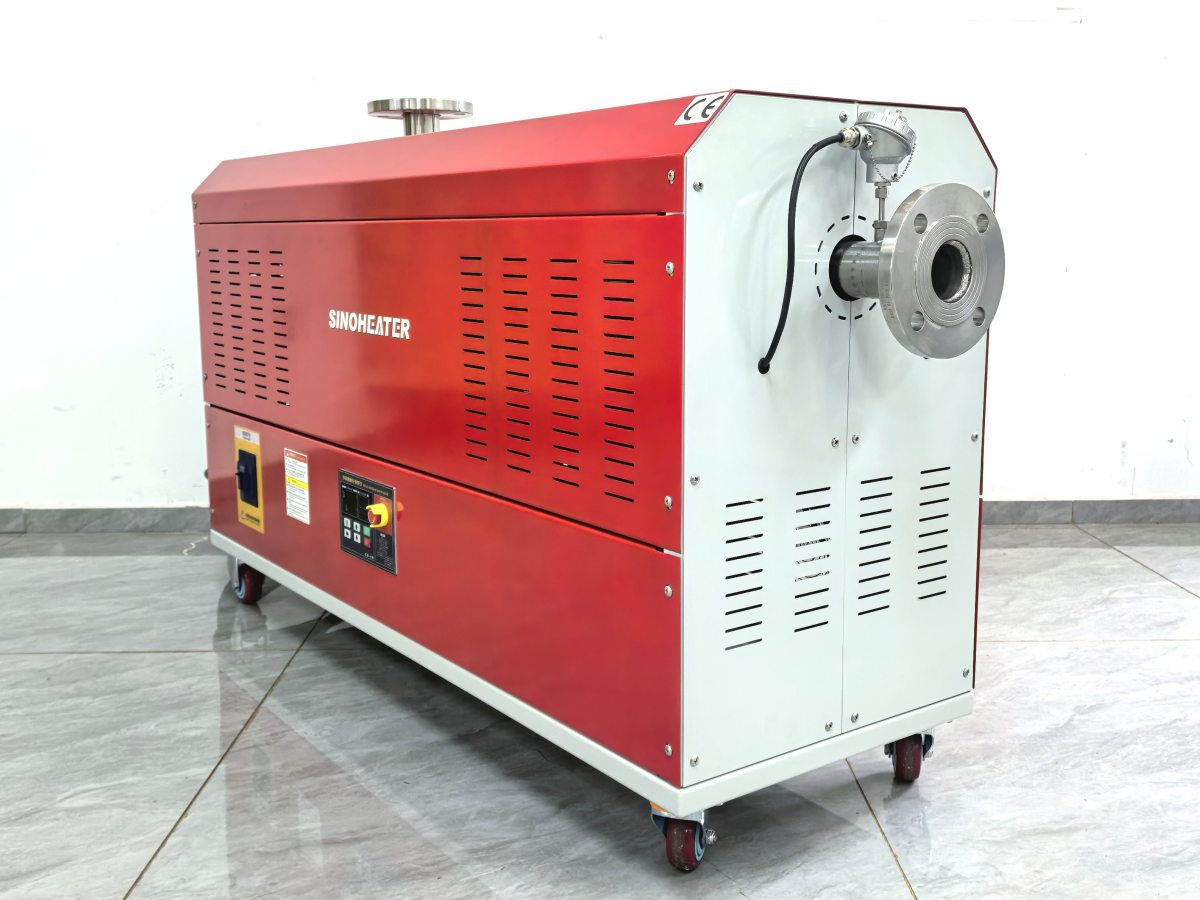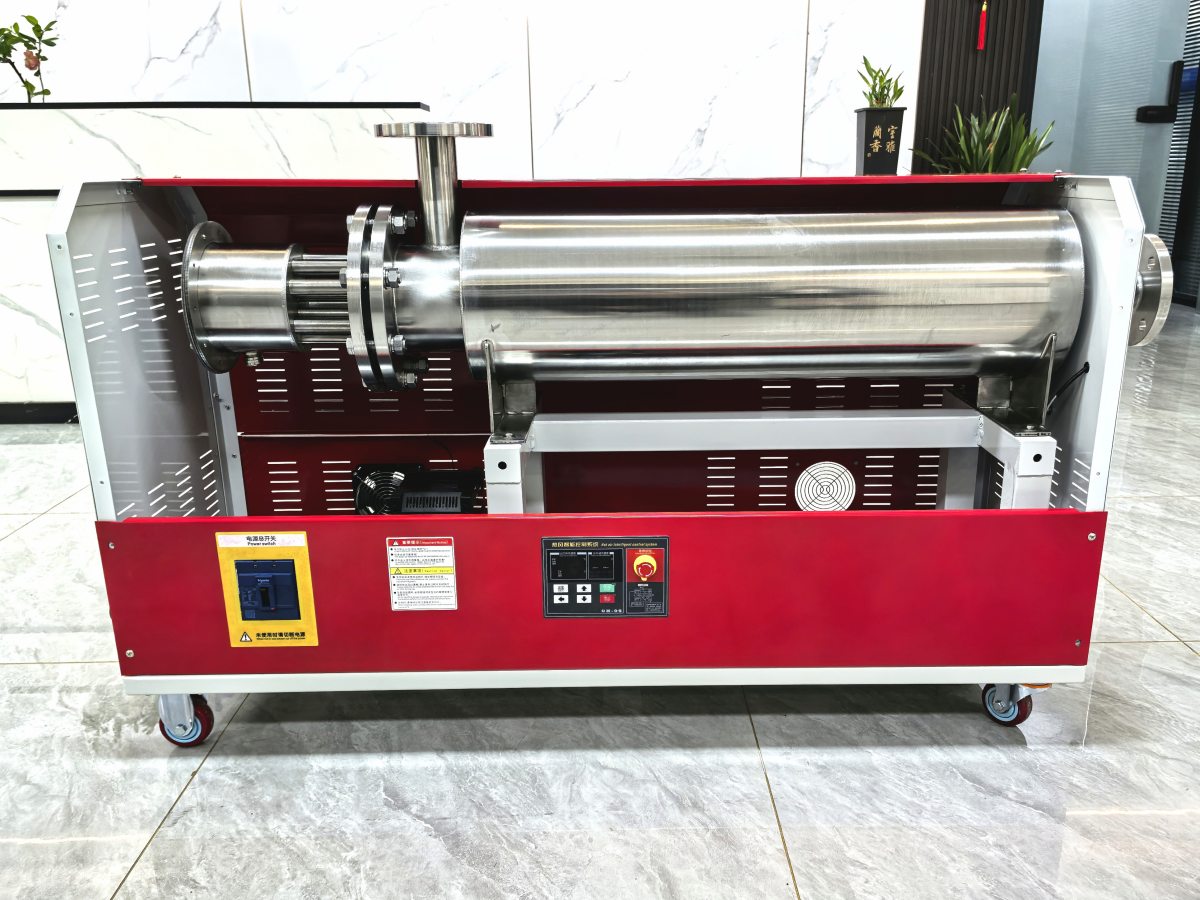
Hot air blower units mounted on mobile roller bases are widely used across workshops, construction sites, and temporary work zones, but their inherent mobility creates consistent challenges when it comes to keeping them stable during operation. Unintended rolling, slipping, or tipping can disrupt ongoing work, create unexpected safety hazards, and damage surrounding workpieces or nearby equipment. Targeted anti-slip and ground-fixing measures address these risks directly, ensuring the unit stays securely positioned even when running at full power on uneven, dusty, or slippery floor surfaces.
Pre-installation base structure preparation
Before placing the mobile unit on any work surface, inspect the full perimeter of the roller base frame to confirm all structural connection points are tight, with no loose bolts or bent support arms that would create an uneven weight distribution across the entire footprint. Add a set of wide, load-spreading support feet at four key points around the base frame, positioned between the existing rollers, so the unit’s weight is dispersed across a much larger contact area rather than being concentrated only on the small surface points of the wheels. The support feet should be adjustable by several centimeters of vertical travel, so operators can fine-tune the height on sloped or uneven ground to lift the rollers slightly off the floor once the unit is parked in its final operating position. This design removes the rolling element from the load-bearing equation entirely during active use, eliminating the risk of unintended movement caused by wheel rotation.
Direct ground contact anti-slip modifications
Fit the bottom face of every adjustable support foot with a thick, high-friction pad made of heat-resistant, tear-resistant material that maintains strong grip even when the floor is covered in fine rubber dust, metal shavings, water, or light oil residue. The outer edge of each pad can be shaped with a shallow, textured tread pattern that bites into rough concrete, asphalt, or unfinished workshop floors, creating far more resistance to sideward sliding than a smooth flat pad would provide. For work sites with extremely smooth polished concrete or tiled flooring, add a secondary interlocking base plate that sits on the ground beneath the full mobile unit, with matching recessed cutouts that align perfectly with each support foot to lock the entire assembly in place. The top surface of this base plate is coated with the same high-friction textured material, while the bottom edge extends slightly outward to create a wide, stable footprint that resists shifting even if the hot air blower experiences sudden vibration surges during operation.
On-site deployment and operational locking workflows
When moving the mobile unit to a new work location, first clear the entire intended floor area of loose debris, loose cables, and small scattered parts that could reduce grip or create a small bump under the base. Once the unit is rolled into the exact desired position, lock all wheel-mounted brake mechanisms first, then slowly extend each adjustable support foot downwards until the full weight of the base transfers from the rollers onto the four support pads. Rock the entire hot air blower unit gently from side to side by hand to confirm there is no wobble, no sideward shift, and no remaining roller contact with the ground before you turn the unit on. If you are working on a temporary outdoor site with soft dirt, gravel, or uneven paving stones, place a small flat rigid plate under each support foot to distribute the load and stop the pad from sinking or tilting into soft ground as the unit vibrates during long operating sessions.
Routine inspection and wear maintenance
At the start of every work shift, perform a quick visual check of all anti-slip pads, support feet, and locking mechanisms to look for signs of excessive wear, tearing, or hardened material that would reduce surface grip. Wipe the contact face of each anti-slip pad with a clean cloth to remove built-up wax, oil, or melted plastic residue that can accumulate over time and make the surface slippery. Check the tension on all adjustment screws and locking levers to confirm they do not work loose from prolonged exposure to the hot air blower’s operating vibration, and re-tighten any connections that show signs of shifting. Replace anti-slip pads as soon as their surface texture wears completely smooth or their thickness reduces to less than half of their original dimension, to ensure the full anti-slip performance is maintained across every operating scenario.