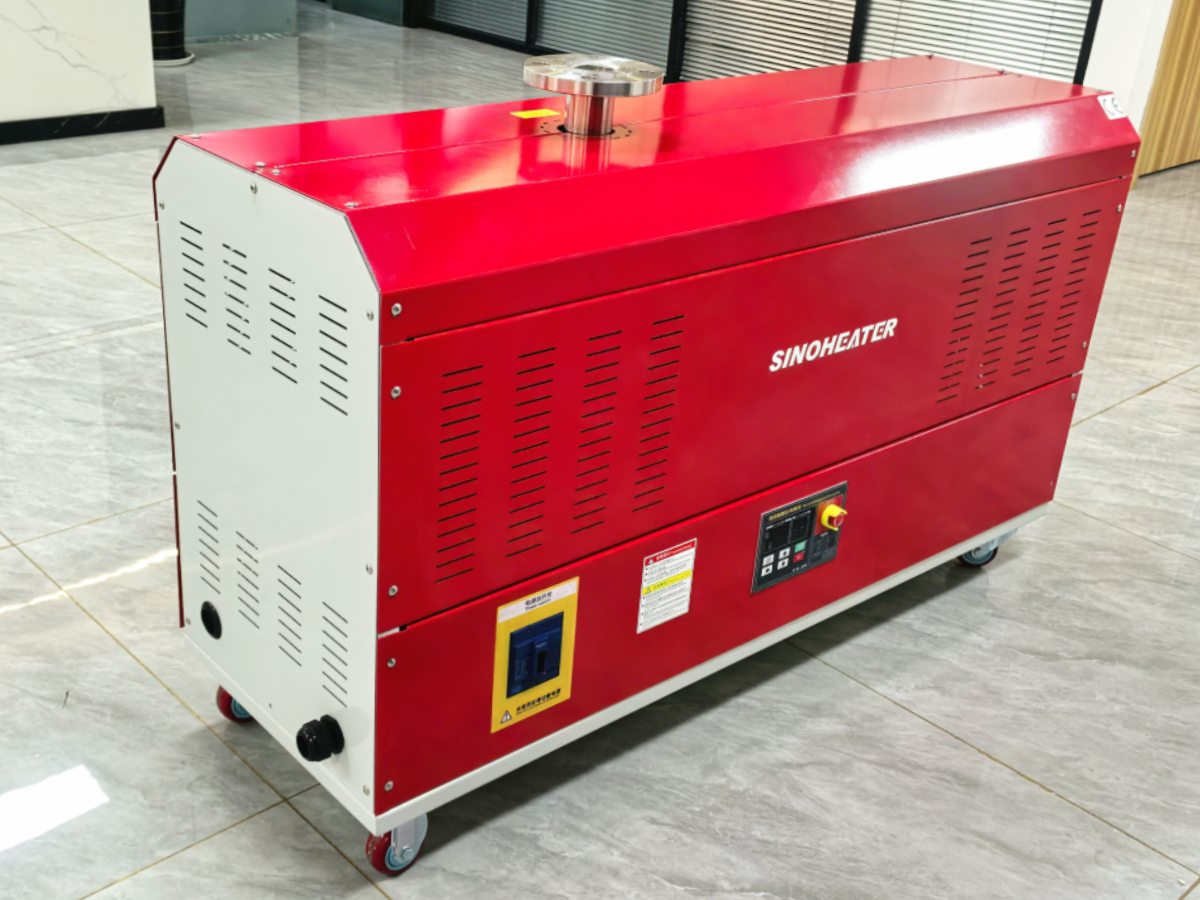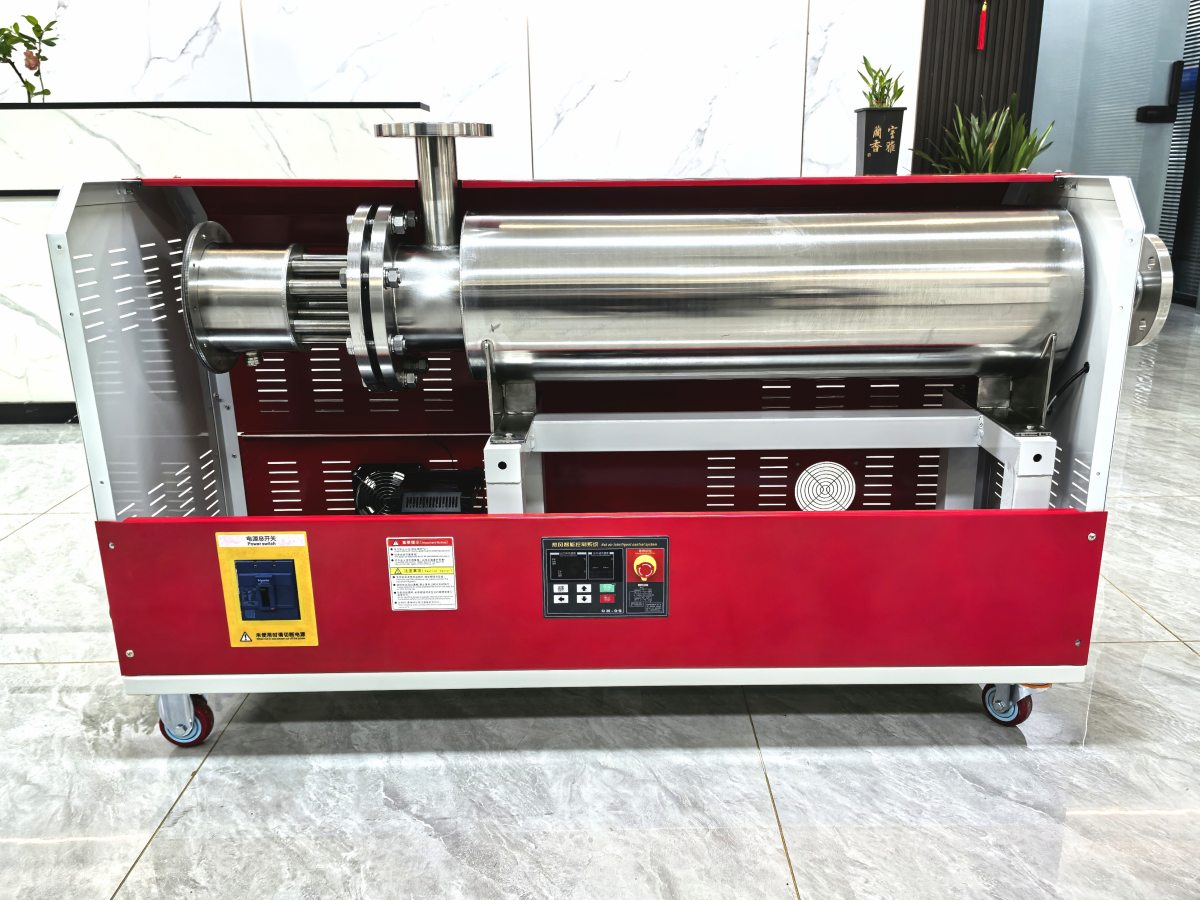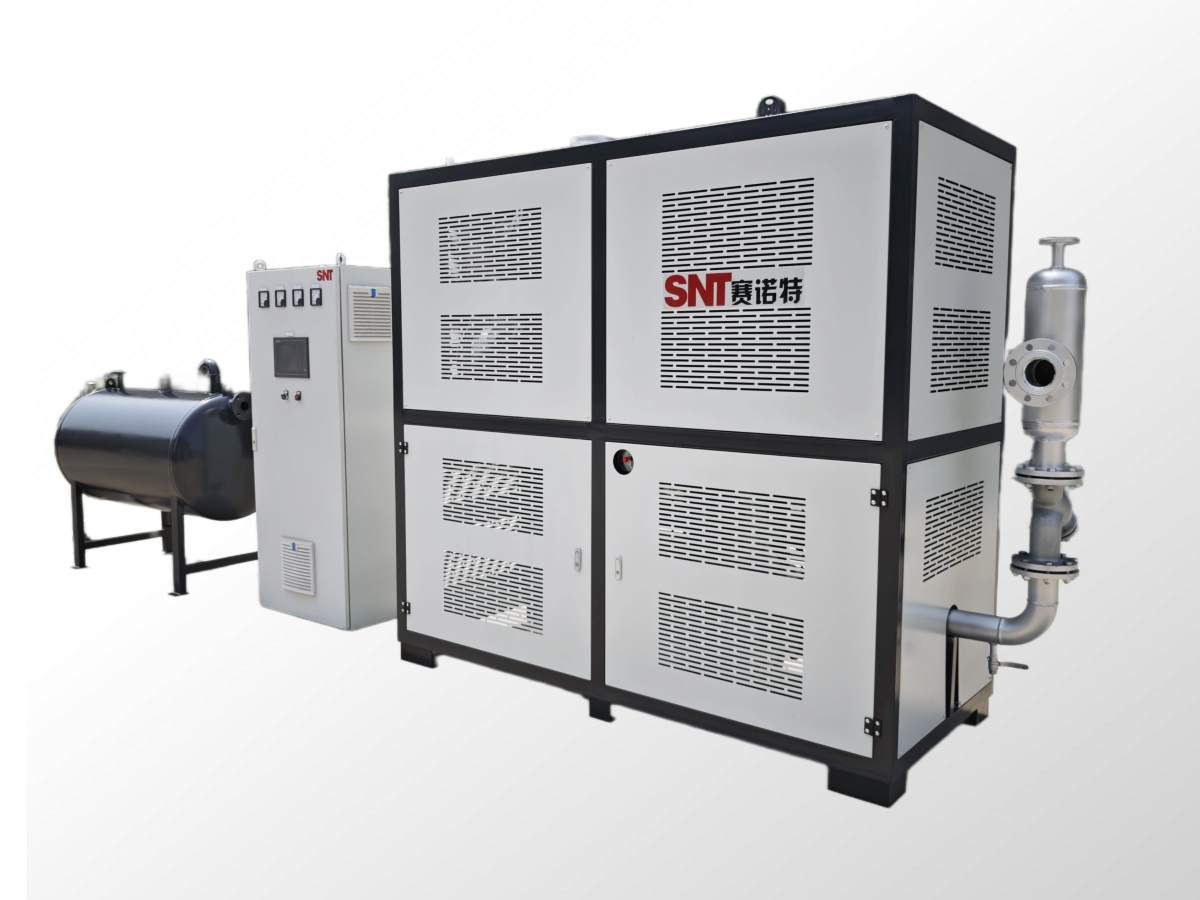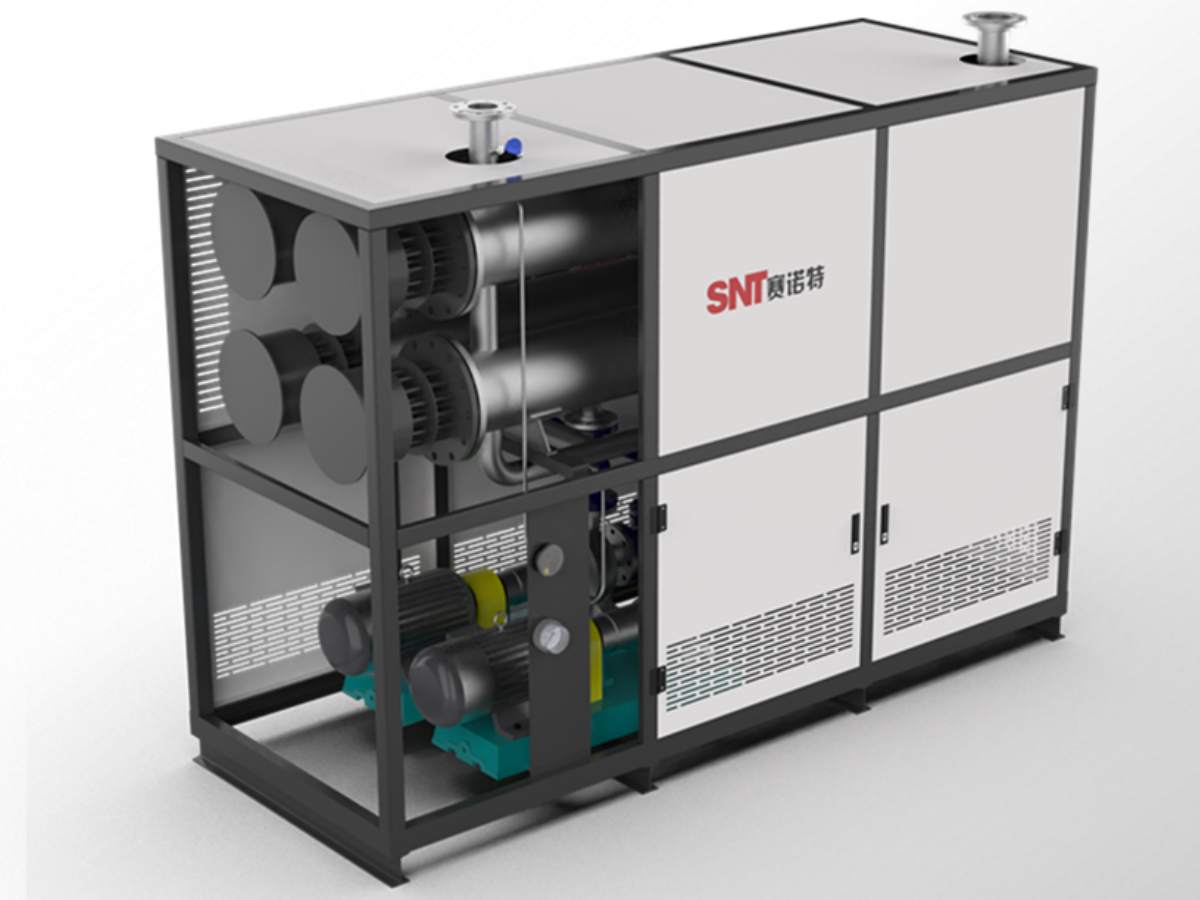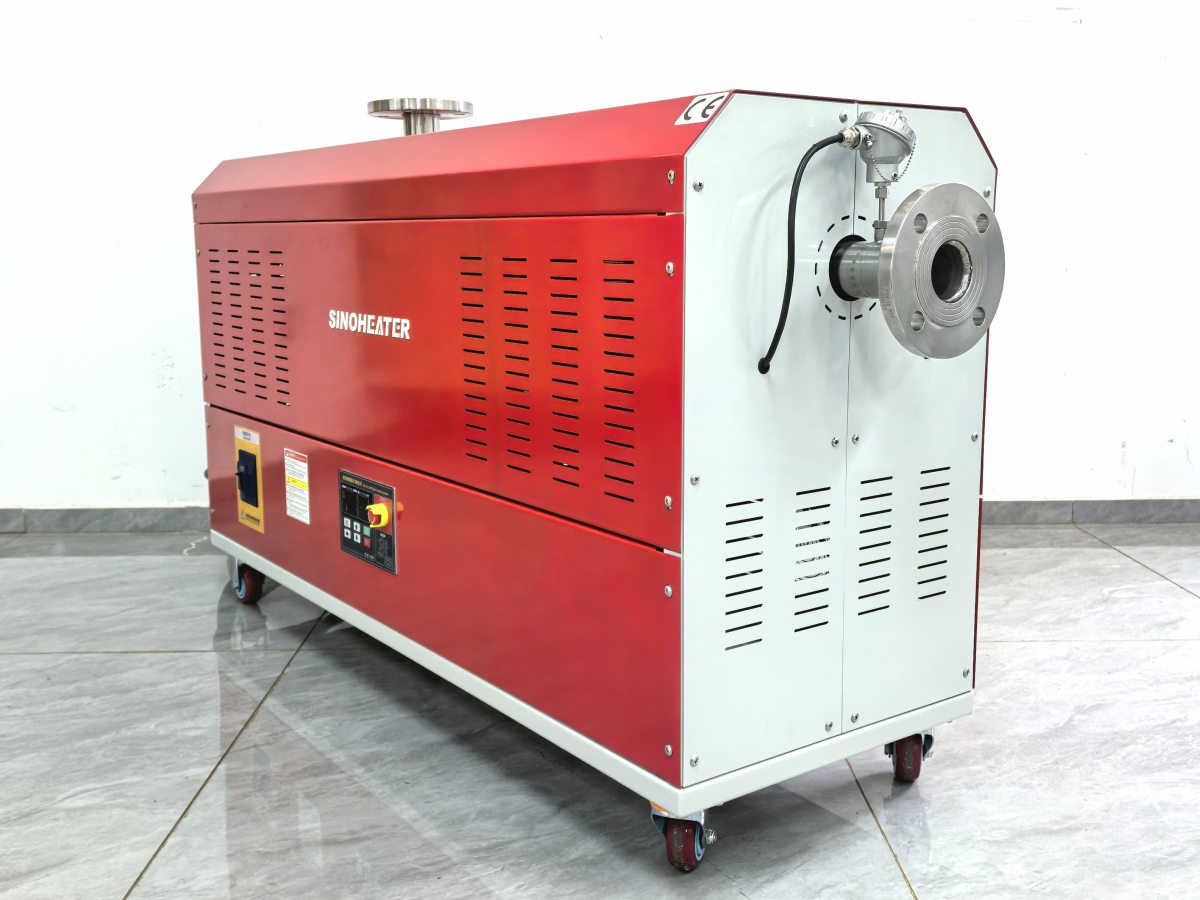
Hot air blower silent low noise indoor operation type is purpose engineered to deliver consistent heated airflow without the loud, disruptive operational noise that makes standard high-power blowers unsuitable for occupied indoor spaces. These systems are designed specifically for use in enclosed work areas, shared office environments, and indoor processing zones where continuous high noise levels would create discomfort, reduce worker focus, or violate local indoor occupational noise limits. Their design refinements are rooted in decades of industrial noise control engineering data, with performance metrics validated through independent acoustic testing and long-term real-world indoor field operation.
Impeller dynamic balance and aerodynamic optimization
The largest single source of noise in a standard hot air blower comes from turbulent airflow and minor mechanical vibration generated by the high-speed rotating impeller. Silent low-noise variants rework every detail of the impeller’s blade geometry to eliminate these noise sources at their origin, rather than just masking them with external sound insulation.
Each individual blade is shaped with a gradual, curved leading edge that cuts through incoming air smoothly, rather than slamming into it at a sharp angle that creates high-frequency turbulent noise. Every impeller assembly is precision balanced to extremely tight tolerances after manufacturing, eliminating even the tiniest eccentric mass that would generate low-frequency vibration and humming noise during continuous operation. This refinement alone cuts a huge share of the blower’s total operational noise output before any additional acoustic treatment is applied.
Motor vibration isolation mounting
The electric drive motor inside any hot air blower generates small but constant high-frequency vibration during operation, which travels through the unit’s main frame and radiates out as audible noise across the surrounding indoor space. Silent low-noise models mount the entire motor assembly on a set of compliant, high-damping isolation mounts that physically break the path for vibration to transfer into the main chassis.
These mounts absorb almost all of the motor’s operational vibration before it can reach the blower’s outer housing, eliminating the resonant humming and rattling noise that is almost impossible to avoid on standard non-isolated units. Even after thousands of hours of continuous runtime, these isolation mounts maintain their damping performance, so noise levels do not creep upward as the unit ages and mechanical components wear in slightly.
Inlet and outlet acoustic noise attenuation
Even after all mechanical and aerodynamic noise sources are minimized at their origin, residual airflow noise still travels out through the blower’s air inlet and outlet openings. Silent low-noise indoor operation models integrate multi-stage acoustic treatment directly into these airflow paths, to dissipate remaining noise energy before it can escape into the surrounding room.
Inlet side labyrinth sound baffle
The air intake on these units is not a simple open hole in the outer casing. It leads into a long, winding labyrinth path lined with high-density, heat-resistant acoustic absorption material. This structure lets air flow through freely with almost no measurable pressure drop, but forces every sound wave generated inside the blower to bounce repeatedly against the absorbent lining, dissipating almost all of its energy before it can exit back into the room.
This design avoids the common problem where adding simple porous foam over the air intake quickly clogs with dust, restricts airflow, and ruins blower performance over time. The rigid labyrinth baffle stays structurally stable even with continuous long term use, and can be easily accessed and cleaned during routine maintenance to keep both airflow and noise attenuation performance at their original factory specification.
Outlet side airflow straightener and silencer
Heated air exiting the blower’s heating element often carries high levels of turbulent, swirling motion that creates sharp, high-frequency hissing noise as it flows out of the nozzle. Silent low-noise units integrate a layered airflow straightener at the discharge side, with a series of parallel fine guide vanes that smooth out all turbulent swirling motion in the heated air stream.
After passing through this straightener, the air flows through a compact expansion silencer chamber that lets any remaining high-frequency noise waves dissipate harmlessly. The end result is a smooth, steady, laminar hot air stream that exits the blower with almost no sharp hissing or rushing noise, even when the unit is running at full airflow and maximum temperature output.
Outer chassis structural noise damping
Even after all internal noise sources are minimized, a thin, lightly damped metal outer housing will still act like a large speaker surface, radiating any remaining small internal vibrations out into the surrounding indoor space. Silent low-noise indoor operation type hot air blowers use a fully optimized dual-layer chassis design to eliminate this final source of radiated noise.
Dual-layer decoupled outer housing
The outer casing is built as two separate physical layers, with a wide gap between them filled with high-density acoustic damping compound. The inner layer that holds all the internal blower components is completely decoupled from the outer cosmetic shell, so no residual vibration from the motor or fan can transfer directly to the large outer surface that faces the room.
This design ensures the outer housing stays almost completely vibration free during operation, so it cannot radiate any secondary resonant noise into the surrounding indoor space. Even when the unit runs continuously for hours at full power, the outer casing never develops the faint buzzing or rattling that is typical of standard single-layer blower housings.
Sealed panel gap noise break
Every seam, joint, and mounting gap between different sections of the outer chassis is lined with a continuous, compliant acoustic sealing gasket. This eliminates all the tiny narrow gaps that would otherwise let high-frequency noise leak out of the internal enclosure, and prevents two hard metal panel edges from rattling against each other when the unit runs.
There are no unplanned sound leaks anywhere on the main body of the blower, so all remaining internal noise energy stays trapped inside the chassis and dissipates against the internal acoustic lining, instead of escaping out into the occupied indoor environment. The end result is an operational noise level low enough that the unit can run continuously in the same room as people working, talking, or carrying out detailed precision tasks, without creating any noticeable disruptive distraction.
Thermal performance and long-term indoor usability
All these noise reduction refinements are engineered to never compromise the blower’s core hot air delivery performance, even after thousands of hours of continuous indoor operation. The acoustic materials used inside the unit are all rated for continuous exposure to the maximum operating temperature of the heated airflow, with zero risk of heat damage, material degradation, or release of unwanted fumes into the indoor air stream.
There is no trade-off between low noise output, consistent hot air performance, and long-term operational reliability, making these units the ideal choice for any indoor application where standard high-noise blowers would be completely unsuitable for regular, extended daily use.