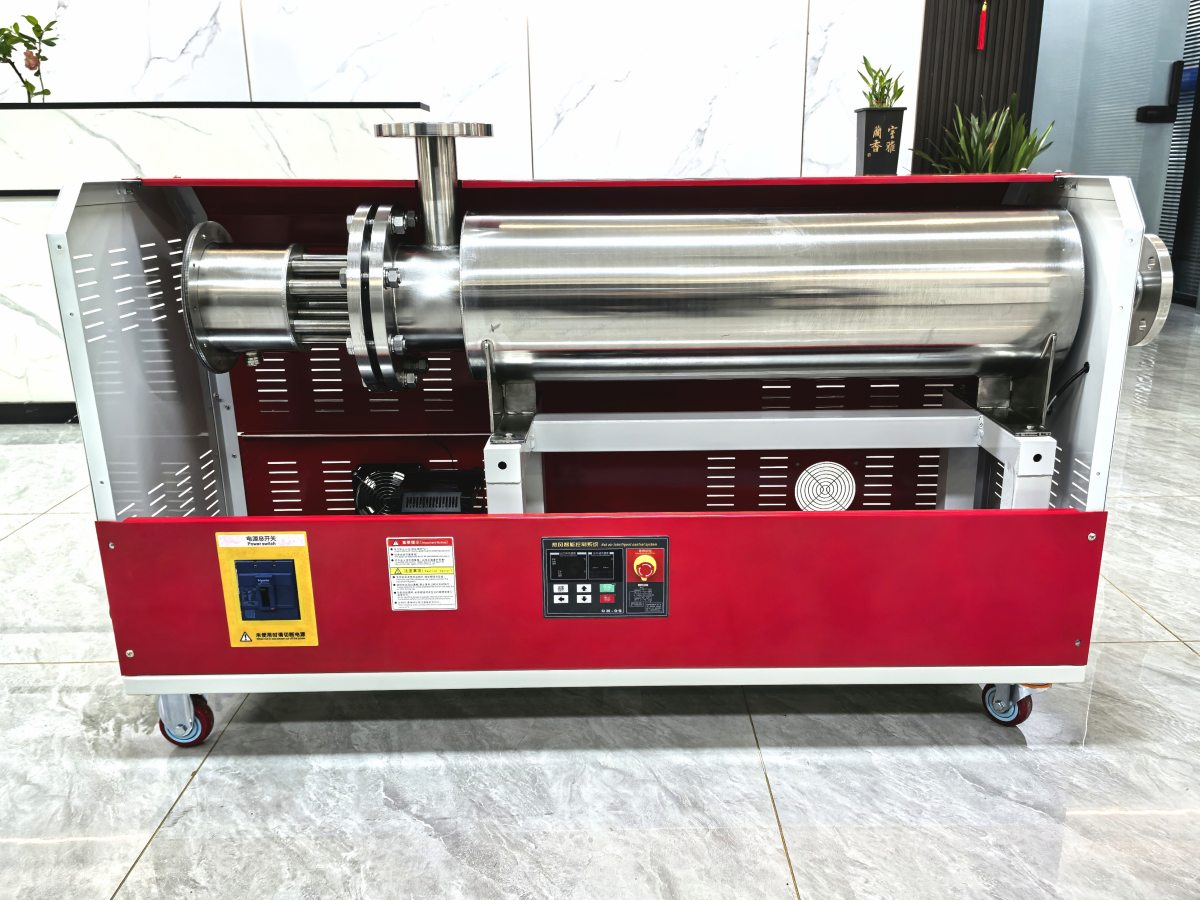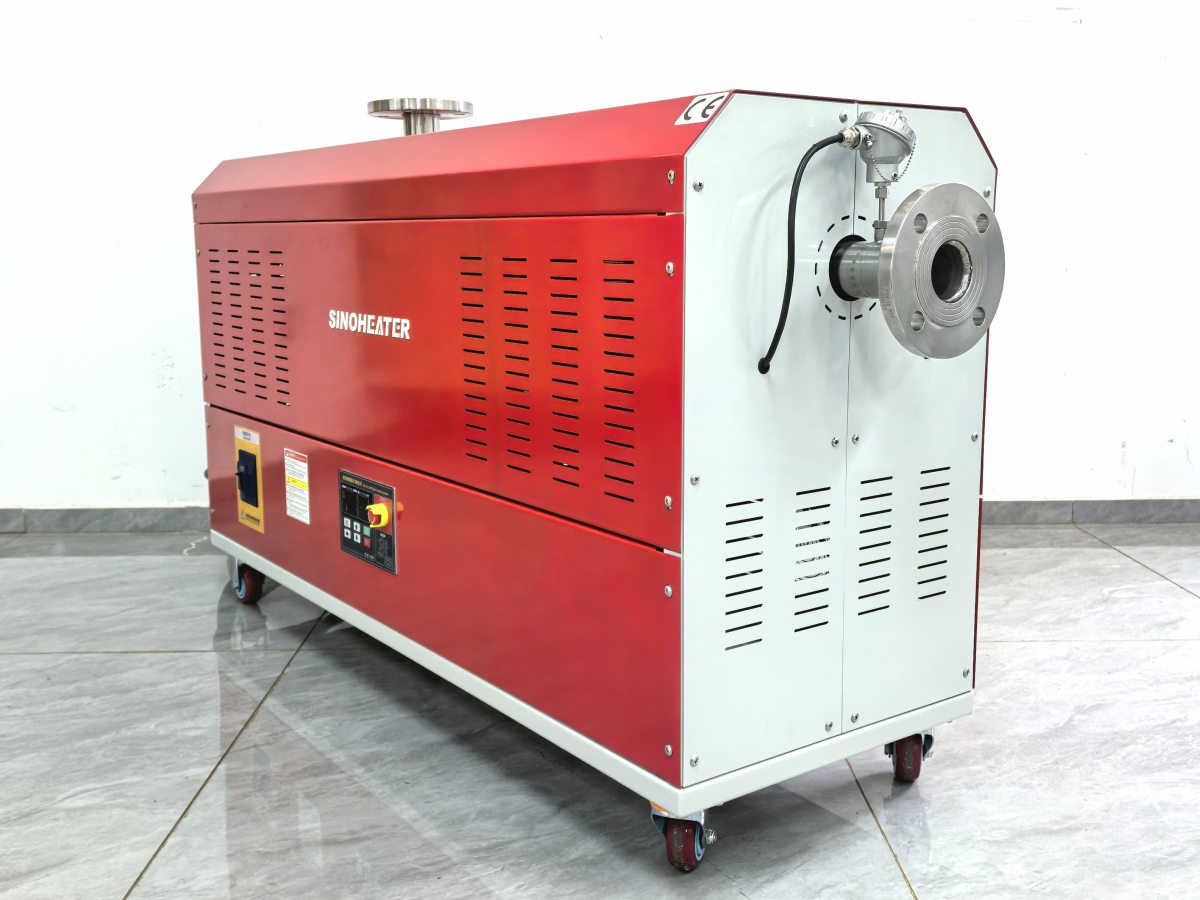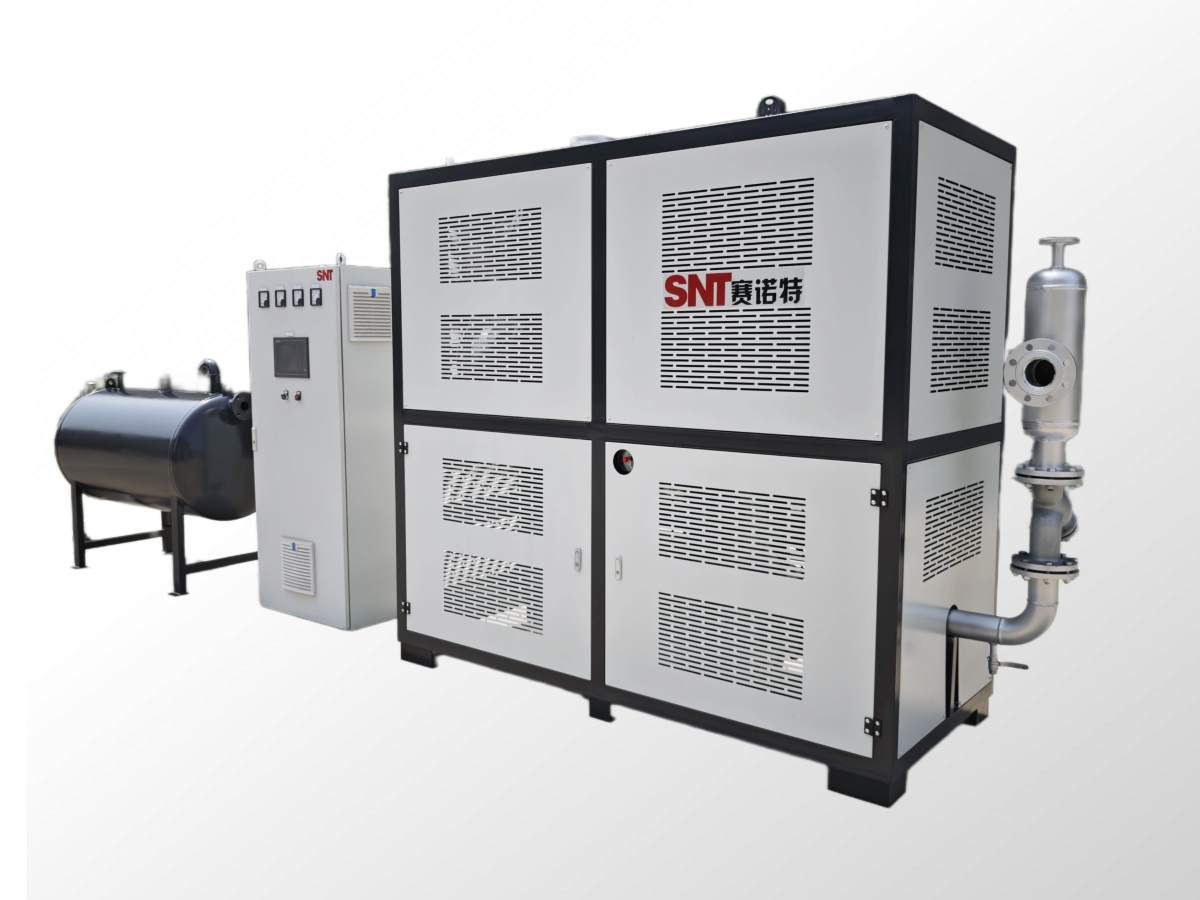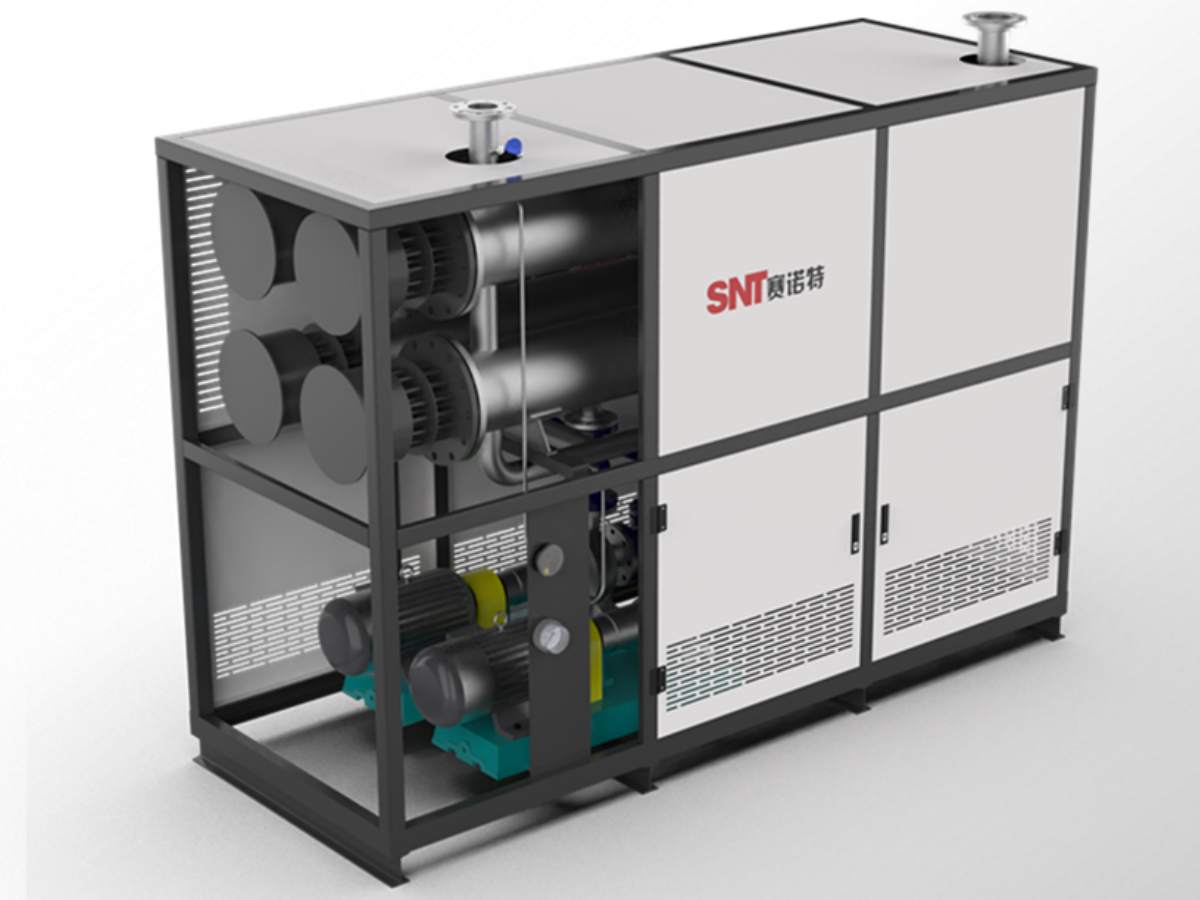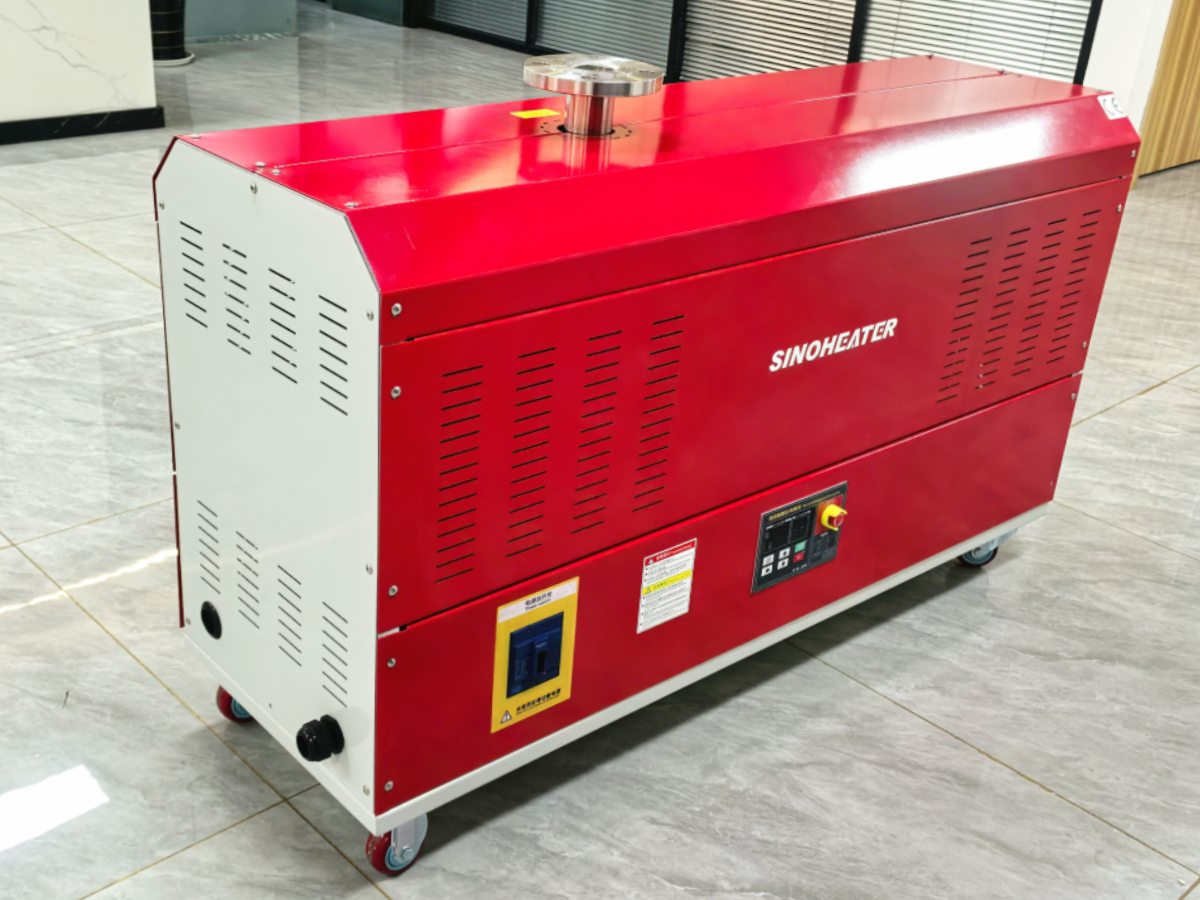
Hot air blower high temperature high power industrial heavy duty type systems are built to sustain continuous, high-output thermal airflow delivery under the most demanding non-stop industrial operating conditions. Designed to handle extended exposure to extreme internal heat, high mechanical load, and unforgiving workshop environments, these units deliver consistent, high-volume heated air for processes that cannot tolerate unexpected temperature drops, airflow fluctuations, or unplanned mid-shutdowns.
Thermal Output Stability Under Continuous Full Load
The core structure of a high temperature high power industrial heavy duty hot air blower is engineered to maintain precise, steady heat delivery even when running at maximum rated output for multiple consecutive hours. The internal heat generation assembly is constructed to resist thermal deformation and uneven heat distribution that can occur when operating at extreme temperature levels for extended periods, preventing localized overheating that would degrade performance or trigger unnecessary safety shutdowns. The airflow path is optimized to move large volumes of air evenly across all heated surfaces, so no single section of the heating element remains exposed to stagnant high temperature air that could shorten operational lifespan. This consistent thermal performance ensures downstream industrial processes relying on uniform heated air receive the exact conditions they require, even when the unit runs nonstop through full production shifts.
Robust Mechanical Drive Resilience
The motor and fan assembly inside these heavy duty units is built to withstand the sustained mechanical stress of pushing high volumes of air through long ductwork, dense material loads, and restricted outlet configurations that create significant back pressure. Every rotating component is precision balanced to minimize vibration that would otherwise build up over thousands of operating hours, preventing premature wear on bearings, mounting points, and connection joints. The drive system is sized to deliver full torque even when airflow resistance spikes unexpectedly, so the unit does not stall or drop airflow volume at critical moments during a production cycle. This heavy duty mechanical design eliminates the performance drops that can happen with standard units when they are pushed beyond their intended intermittent duty limits.
High Temperature Material and Sealing Design
Every material that comes into contact with recirculating or outlet high temperature air is selected to resist long-term thermal degradation, oxidation, and structural fatigue at extreme operating temperatures. Internal duct walls, connection flanges, and outlet transition sections use heat-resistant construction that does not warp, crack, or release unwanted fumes after repeated exposure to sustained high heat. All sealing points along the hot airflow path use high-temperature rated gaskets and connection hardware that maintain a tight, leak-free seal even after hundreds of thermal expansion and contraction cycles. This prevents unplanned hot air leakage that would waste energy, create unprotected high temperature zones inside the workshop, and reduce the effective heat volume reaching the intended process area.
Overheat Protection and Thermal Redundancy
Multiple layers of independent thermal monitoring are integrated into the unit to track temperature conditions at different points along the heating assembly, airflow path, and motor housing. If any single component begins to exceed safe operating limits, the system triggers a gradual, controlled power reduction rather than an abrupt full shutdown, giving connected industrial processes time to adjust before stopping. These redundant monitoring points are positioned to catch abnormal heat buildup in areas that are often overlooked on standard units, such as the air inlet side of the heating element and the inner wall of the outlet transition. This layered protection drastically reduces the risk of unexpected total system failure during critical production runs, even when the unit is pushed to the upper limits of its high temperature and high power capabilities.
Installation and Operational Compatibility for Heavy Use Zones
These industrial heavy duty hot air blower systems are designed to integrate seamlessly into existing high-demand production layouts that require nonstop thermal airflow support. The main mounting base is reinforced to absorb continuous operational vibration without transferring stress to surrounding support structures, so the unit can be secured on factory floors, elevated process platforms, or heavy duty framework without frequent re-tightening of mounting bolts. The power input section is engineered to handle the high electrical load of continuous full power operation, with heavy gauge internal wiring and reinforced connection terminals that resist heat buildup and loose contact after thousands of hours of use. This level of robust construction makes these units well suited for high-demand industrial environments where downtime due to underperforming heating equipment would cause major disruptions to full-scale production workflows.