Complete Guide to Duct Installation and Connection Methods for Heat Blowers
Proper ductwork installation ensures efficient airflow, energy conservation, and safe operation of heat blowers. Whether setting up a residential heating system or a commercial ventilation network, following structured connection methods is critical. This guide covers planning, material selection, assembly techniques, and troubleshooting for seamless duct integration.
Planning the Duct Layout
Mapping Airflow Paths
Begin by sketching the building’s floor plan to visualize heat distribution. Identify key areas requiring heating, such as living rooms, workshops, or storage zones. Use straight duct runs whenever possible to minimize pressure loss, reserving bends for necessary directional changes. Avoid routing ducts near water pipes, electrical wiring, or flammable materials to prevent safety hazards.
Calculating Duct Sizes
Determine the appropriate duct diameter based on the heat blower’s output capacity and room dimensions. Oversized ducts reduce air velocity, while undersized ones create excessive pressure and noise. Use industry-standard formulas or consult HVAC guidelines to match duct size to cubic feet per minute (CFM) requirements. For multi-room systems, prioritize larger main ducts branching into smaller secondary lines.
Selecting Duct Materials
Choose materials suited to the environment and budget. Galvanized steel offers durability and heat resistance, making it ideal for permanent installations. Flexible aluminum ducts work well for tight spaces or temporary setups but may require more frequent maintenance. Insulated ducts prevent heat loss in unconditioned areas like attics or basements, improving energy efficiency.
Assembling Duct Components
Cutting Duct Sections
Measure and mark duct lengths accurately before cutting. Use tin snips for steel ducts or a utility knife for flexible types. Ensure cuts are straight to prevent gaps during assembly. For rectangular ducts, trim flanges evenly to maintain alignment. Wear gloves and safety goggles to protect against sharp edges.
Joining Rigid Ductwork
Connect steel duct sections using slip joints or flanged fittings. Slide one end into the other and secure with sheet metal screws spaced 6–8 inches apart. Seal joints with aluminum tape or mastic sealant to prevent air leaks. For flanged connections, align the flanges and tighten bolts evenly to avoid warping.
Installing Flexible Ducts
Unroll flexible ducts fully to avoid kinks that restrict airflow. Attach one end to the heat blower outlet or a metal collar using a hose clamp or duct tape. Stretch the duct gently toward the vent, avoiding sharp bends. Secure the far end to the vent grille with a similar clamp. Support long runs with hangers every 4–5 feet to prevent sagging.
Connecting to Vents and Heat Blowers
Attaching Duct to Heat Blower
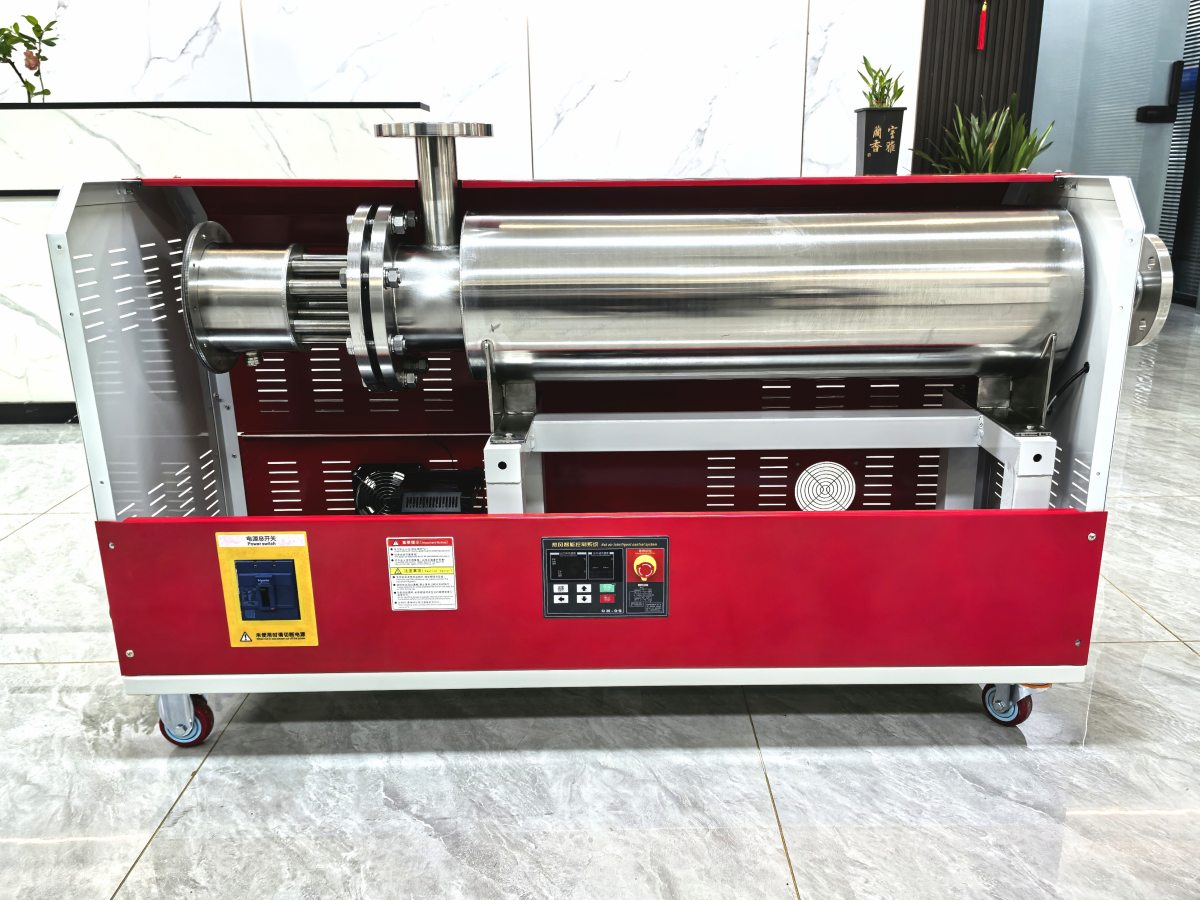
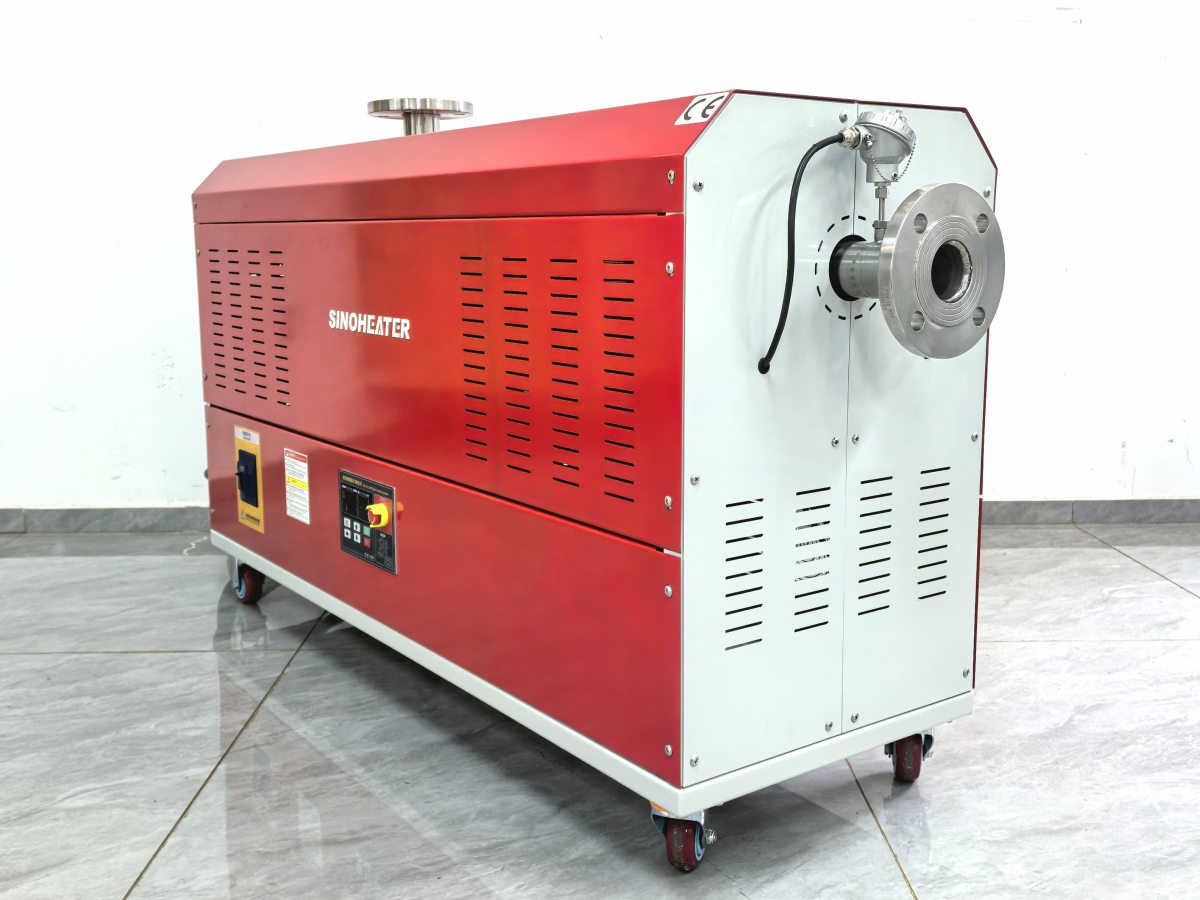
Locate the heat blower’s outlet port and measure its diameter. Select a collar or adapter that matches the duct size. Slide the collar onto the outlet and secure it with screws or clamps. Connect the duct to the collar, ensuring a snug fit. For round ducts, use a crimping tool to taper one end slightly for easier insertion.
Linking Ducts to Wall/Ceiling Vents
Install vent grilles in pre-cut wall or ceiling openings. Connect the duct to the grille’s backplate using a metal collar or flexible connector. Adjust the grille’s louvers to direct airflow as needed. Seal gaps around the grille with caulk to prevent drafts and energy loss. For drop-ceiling installations, use adjustable hangers to position vents flush with tiles.
Integrating Dampers for Airflow Control
Install manual or automatic dampers in duct branches to regulate heat distribution. Manual dampers feature a lever for adjusting airflow, while automatic ones respond to thermostat signals. Place dampers near junctions to balance pressure between rooms. Label each damper’s position for easy reference during system adjustments.
Testing and Troubleshooting
Checking for Air Leaks
Turn on the heat blower and inspect all duct joints for escaping air. Use a smoke pencil or tissue paper to detect leaks. Tighten screws, add sealant, or replace damaged tape to fix gaps. Pay special attention to connections near the heat blower, as high pressure increases leakage risk.
Balancing Airflow Between Rooms
Measure airflow at each vent using an anemometer or DIY methods like a paper towel test. If some rooms receive insufficient heat, adjust dampers to redirect flow. Close dampers slightly in overheated areas and open them in cooler zones. Recheck airflow after each adjustment until balance is achieved.
Verifying System Efficiency
Monitor the heat blower’s energy consumption and room temperatures over several days. If costs rise unexpectedly or rooms remain cold, inspect ducts for blockages, leaks, or improper sizing. Clean filters and vents regularly to maintain optimal performance. Schedule professional inspections annually to address hidden issues like condensation or mold growth.
By following these steps, you can create a reliable, efficient duct system for your heat blower. Prioritize precision during assembly and regular maintenance to extend the lifespan of both ducts and heating equipment. Always adhere to local building codes and safety standards to avoid hazards and ensure compliance.