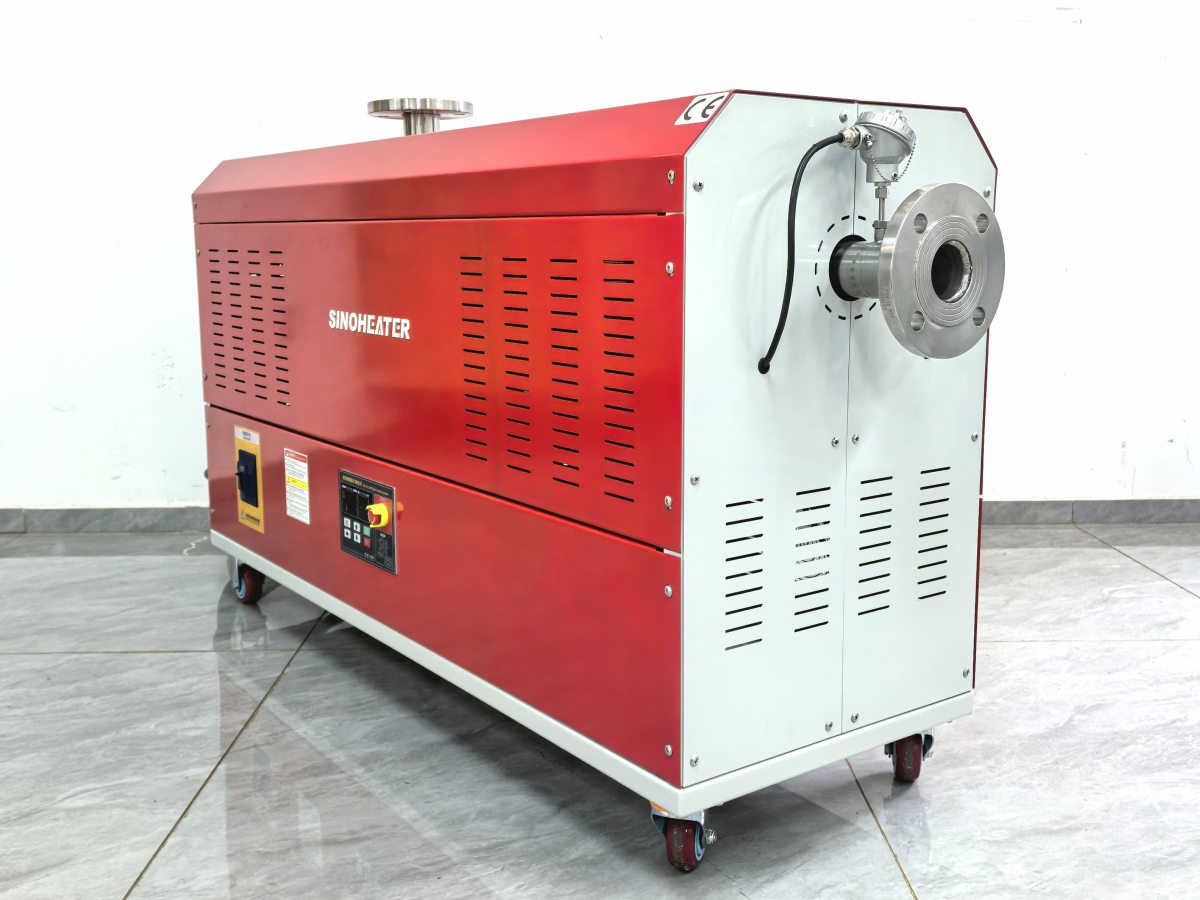
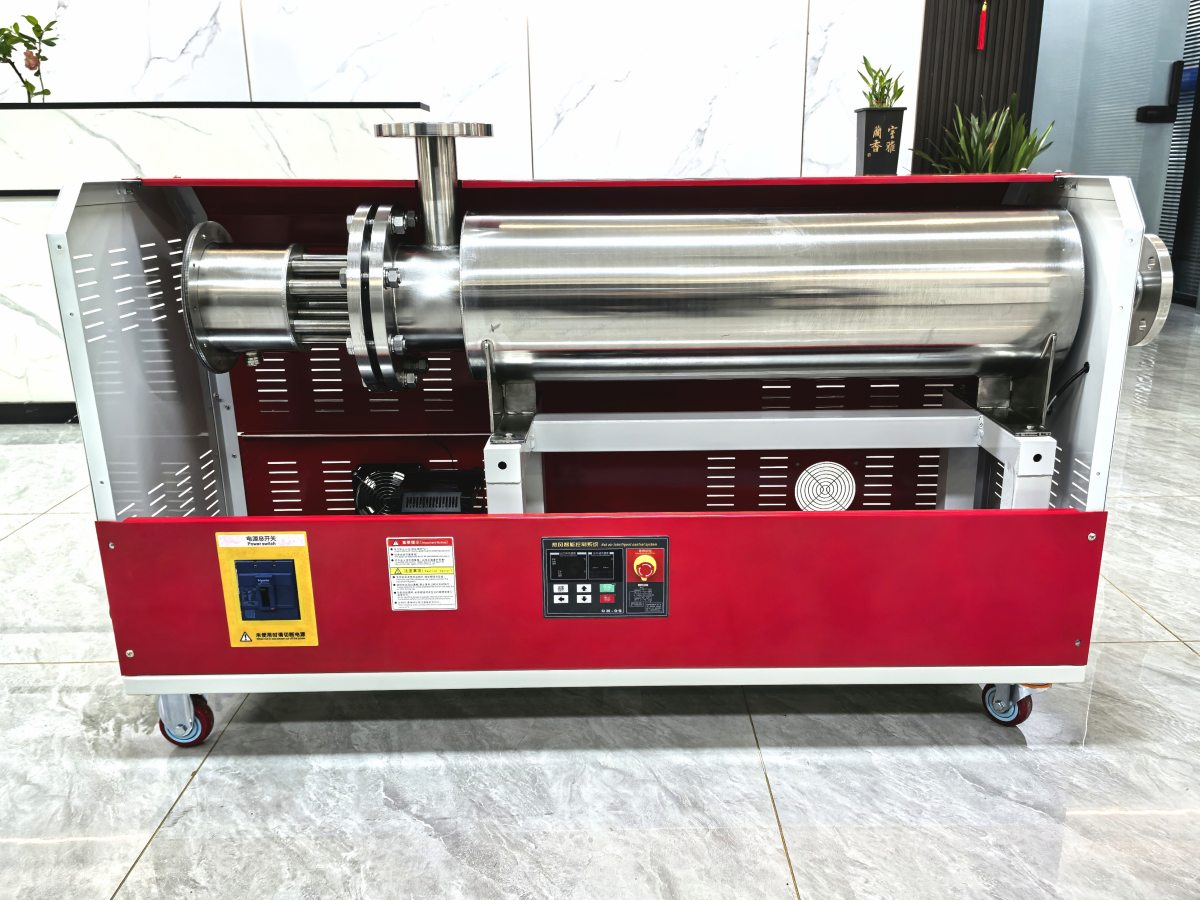
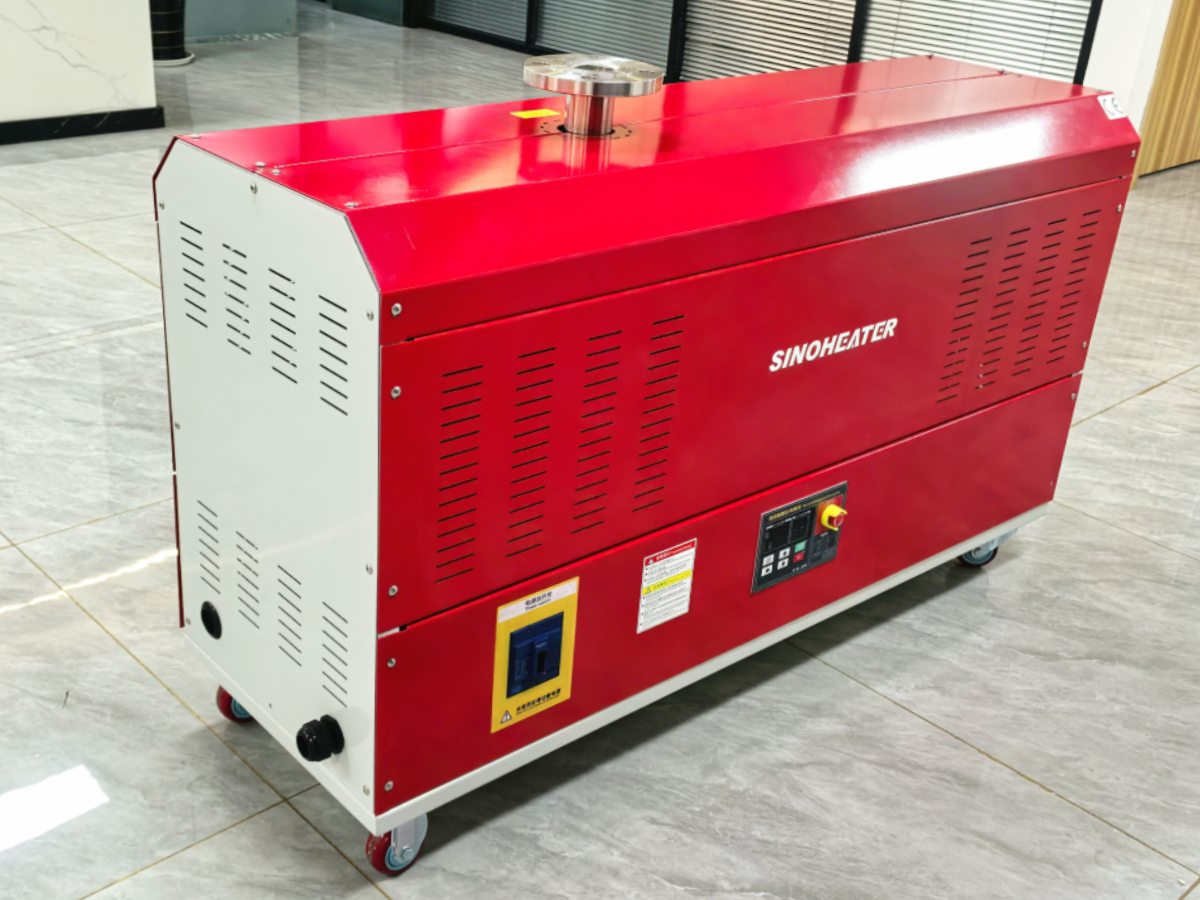
Integrated Hot Air Blowers: Streamlined Heating with Unified Main Units and Outlets
For environments where space efficiency, quick installation, and compact design are priorities, integrated hot air blowers offer a practical solution. By combining the heating main unit and air outlet into a single structure, these systems simplify setup, reduce maintenance complexity, and deliver targeted warmth without the need for extensive ductwork. Below, we explore the design advantages, common applications, and key considerations for choosing integrated hot air blowers.
Compact Design and Space-Saving Benefits
Integrated hot air blowers are engineered to minimize their footprint, making them ideal for areas with limited floor or wall space. Their unified structure eliminates the need for separate components, reducing clutter and freeing up room for other equipment or furniture.
Simplified Installation Process
Unlike split-type systems that require duct connections between the main unit and outlet, integrated models are installed as a single piece. This cuts down on labor costs and installation time, as technicians don’t need to align ducts or seal joints. For example, a small workshop can mount an integrated blower on a wall or ceiling in minutes, directing heat directly into the workspace without complex routing.
Reduced Maintenance Complexity
With fewer moving parts and connections, integrated blowers have fewer potential failure points. Filters, fans, and heating elements are often easily accessible through a single panel, simplifying routine cleaning and repairs. In a garage or warehouse, this means less downtime during maintenance and consistent performance over time.
Enhanced Aesthetic Appeal
The sleek, unified design of integrated blowers blends seamlessly into modern interiors or industrial settings. Without protruding ducts or separate components, these systems maintain a clean, professional appearance. A retail store might use wall-mounted integrated blowers to provide discreet heating without disrupting product displays or customer flow.
Applications Where Integrated Heating Excels
The portability and simplicity of integrated hot air blowers make them suitable for a wide range of environments, from temporary setups to permanent installations. Here are three sectors where these systems are particularly effective.
Small Commercial Spaces
Cafes, boutiques, and office lobbies often need efficient heating without sacrificing valuable floor space. Integrated blowers can be mounted on walls or suspended from ceilings, delivering direct warmth to seating areas or entryways. Their compact size allows them to fit into tight corners or above doorways, where larger systems wouldn’t be practical.
Residential Garages and Workshops
Homeowners seeking affordable, easy-to-install heating for garages or hobby rooms frequently choose integrated blowers. These systems provide instant warmth without the need for central ductwork, making them ideal for detached structures or renovations. A DIY enthusiast might install a ceiling-mounted unit to keep tools and materials at a comfortable temperature year-round.
Temporary or Portable Heating Needs
Construction sites, event venues, and agricultural facilities often require flexible heating solutions that can be moved or adjusted as needs change. Integrated blowers with wheels or mounting brackets offer portability, allowing users to relocate them quickly. For instance, a farmer might use a portable unit to warm livestock areas during cold snaps or dry crops in a barn.
Key Factors to Evaluate Before Purchase
While integrated hot air blowers offer many benefits, selecting the right model requires careful consideration of heating capacity, safety features, and noise levels.
Heating Capacity and Room Size
The output of an integrated blower must match the square footage of the space it’s intended to heat. Underpowered units will struggle to maintain comfortable temperatures, while oversized models waste energy and create uneven warmth. For example, a 500-square-foot garage would need a blower with a higher wattage than a 200-square-foot office.
Safety Certifications and Overheat Protection
Look for models with safety certifications from recognized organizations, as these indicate compliance with industry standards for electrical and fire safety. Overheat protection is also crucial—this feature automatically shuts off the unit if internal temperatures rise too high, preventing fires or damage to components.
Noise Level and Operational Quietness
In quiet environments like offices or bedrooms, noise from the blower’s fan or motor can be disruptive. Check the decibel rating (dB) of potential models and opt for those with insulated casings or variable-speed fans, which adjust airflow to minimize noise. A library might prioritize a low-noise unit to avoid disturbing patrons.
Advanced Features for Improved Performance
Modern integrated hot air blowers incorporate technologies that enhance efficiency, convenience, and user control.
Adjustable Thermostats and Timers
Built-in thermostats allow users to set desired temperatures, ensuring the blower operates only when needed. Timers add further control by scheduling on/off cycles, such as heating a workshop before arrival in the morning or turning off automatically at night. This reduces energy waste and lowers utility bills.
Durable Construction Materials
Models designed for industrial or outdoor use often feature corrosion-resistant casings and weatherproof seals. These protections extend the unit’s lifespan by shielding internal components from dust, moisture, or extreme temperatures. A warehouse might choose a blower with a stainless-steel exterior for long-term reliability.
Energy-Efficient Heating Elements
High-efficiency heating coils or ceramic elements convert more electrical energy into heat, reducing operating costs. Some models also include eco-mode settings that lower power consumption during mild weather or when full heat isn’t necessary. A homeowner looking to cut energy use might prioritize these features.
Integrated hot air blowers provide a practical, space-saving heating solution for a variety of settings. Their unified design simplifies installation and maintenance, while advanced features like adjustable thermostats and durable construction ensure reliable performance. By evaluating heating capacity, safety features, and noise levels, users can select a model that meets their specific needs without compromising on comfort or efficiency.