Warm Air Heaters in Pharmaceutical Factories: Drug Drying and Constant – Temperature Maintenance
In the pharmaceutical industry, the quality and stability of drugs are of paramount importance. The processes of drug drying and maintaining a constant temperature play a crucial role in ensuring that medications meet strict quality standards and retain their efficacy over time. Warm air heaters have become an indispensable tool in pharmaceutical factories for these critical operations.
The Significance of Drug Drying and Constant – Temperature Control
Ensuring Drug Efficacy
Many drugs are sensitive to moisture. Excess moisture can lead to chemical reactions within the drug formulation, causing degradation of active ingredients. For example, some antibiotics may lose their antibacterial properties if exposed to high levels of moisture during storage. By using warm air heaters for drying, the moisture content in drugs can be significantly reduced, preventing such degradation and ensuring that the drugs remain effective for their intended use. This is especially important for drugs with a narrow therapeutic index, where even small changes in the active ingredient concentration can have a significant impact on treatment outcomes.
Preventing Microbial Growth
Microorganisms, such as bacteria, fungi, and yeasts, thrive in moist environments. In a pharmaceutical factory, the presence of these microorganisms in drugs can pose a serious health risk to patients. Drying drugs using warm air heaters helps create an inhospitable environment for microbial growth by reducing the available moisture. This is a critical step in the production of sterile drugs, such as injectables and ophthalmic preparations, where any microbial contamination can lead to severe infections or other adverse reactions in patients.
Maintaining Product Stability
Drugs need to maintain their physical and chemical stability throughout their shelf – life. Fluctuations in temperature can cause changes in the drug’s physical form, such as melting, crystallization, or phase separation, which can affect its bioavailability and performance. Warm air heaters with precise temperature control capabilities can be used to maintain a constant temperature during the drying process and subsequent storage. This ensures that the drug remains in a stable state, with consistent quality and performance over time, meeting the regulatory requirements for drug stability testing.
How Warm Air Heaters Function in Drug Drying and Constant – Temperature Maintenance
Forced Convection Heating
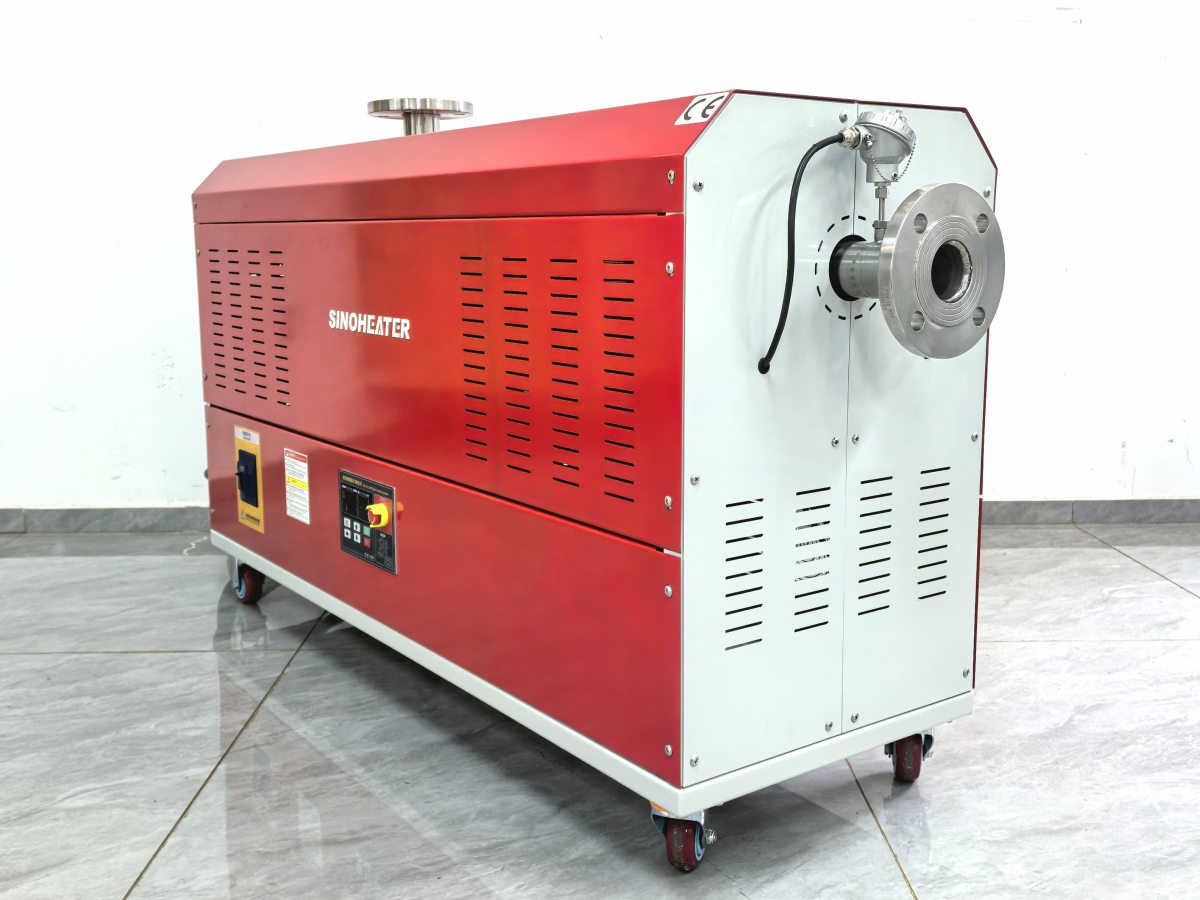
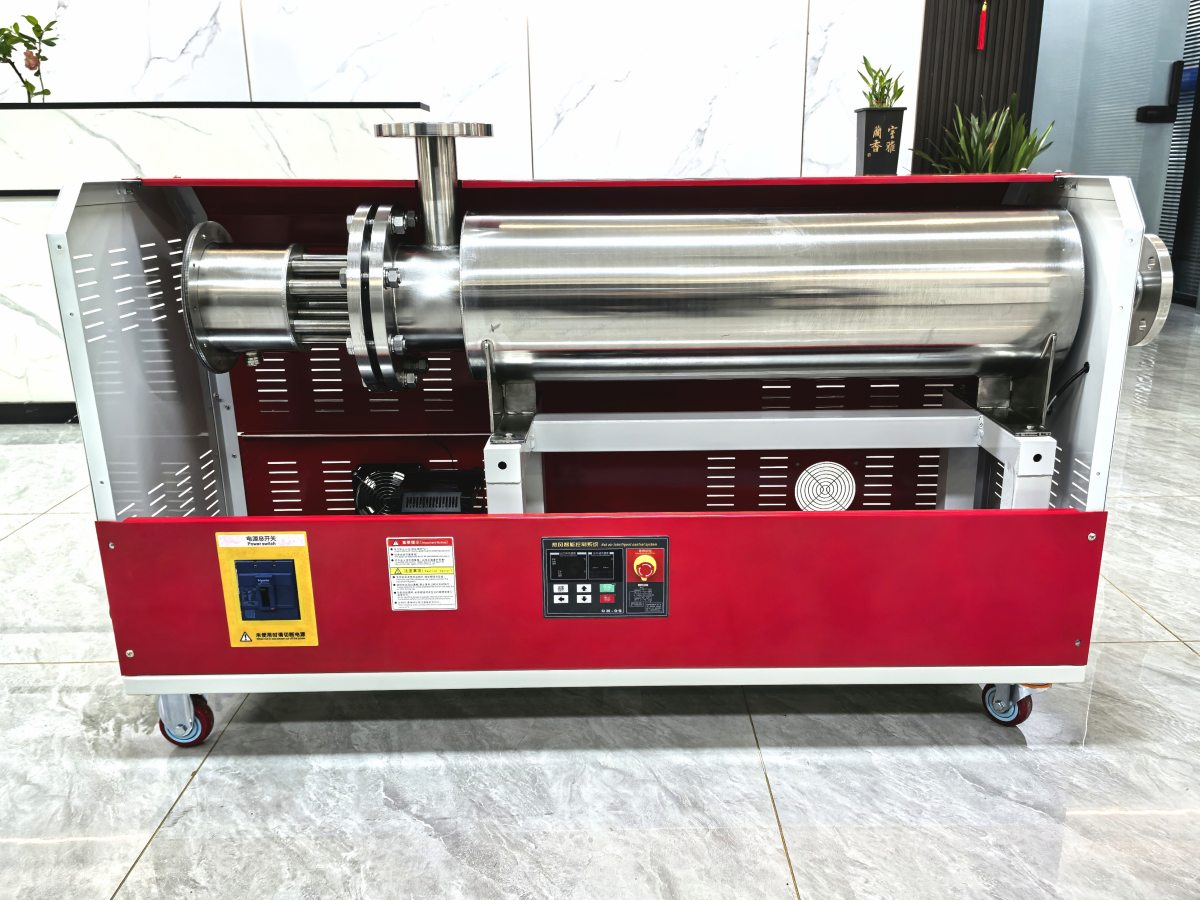
Warm air heaters operate on the principle of forced convection heating. They use a heating element to warm the air, and a fan then circulates this warm air throughout the drying chamber or storage area. The warm air comes into direct contact with the drug surface, transferring heat to the drug. As the drug absorbs heat, its internal temperature rises, causing the moisture within to evaporate. The continuous circulation of warm air ensures that all parts of the drug are evenly heated, resulting in uniform drying. This is particularly important for drugs in the form of powders, granules, or tablets, where uneven drying can lead to problems such as caking or inconsistent dissolution rates.
Precise Temperature Regulation
Maintaining a constant and precise temperature is essential for both drug drying and storage. Warm air heaters are equipped with advanced temperature control systems, such as thermostats and proportional – integral – derivative (PID) controllers. These systems allow for accurate setting and maintenance of the desired temperature within a narrow range. For example, during the drying of heat – sensitive drugs, a low and constant temperature may be required to prevent thermal degradation of the active ingredients. The PID controller continuously monitors the temperature and adjusts the heating output of the warm air heater to ensure that the temperature remains stable, even in the face of external disturbances such as changes in ambient temperature or air flow.
Humidity Control Integration
In addition to temperature control, humidity control is also crucial in drug drying and storage. Warm air heaters can be integrated with dehumidification systems to regulate the humidity levels in the drying chamber or storage area. By removing excess moisture from the air, the dehumidification system helps accelerate the drying process and prevent the re – absorption of moisture by the drugs. Some warm air heaters may also have built – in humidity sensors that work in conjunction with the dehumidification system to maintain the optimal humidity level for the specific drug being processed. This combined temperature and humidity control ensures that the drugs are dried and stored under the most suitable conditions.
Considerations for Using Warm Air Heaters in Pharmaceutical Factories
Compliance with Regulatory Standards
The pharmaceutical industry is highly regulated, and all equipment used in drug production must comply with strict regulatory standards. Warm air heaters used in pharmaceutical factories should be designed and manufactured in accordance with Good Manufacturing Practice (GMP) guidelines. These guidelines ensure that the equipment is of high quality, easy to clean and maintain, and does not introduce any contaminants into the drug production process. Regular calibration and validation of the temperature and humidity control systems are also required to demonstrate compliance with regulatory requirements.
Material Compatibility
The materials used in the construction of warm air heaters and the associated ductwork must be compatible with the drugs being processed. Some drugs may be sensitive to certain metals or plastics, which could react with the drug formulation and cause contamination. Therefore, it is important to select materials that are inert and do not interact with the drugs. For example, stainless steel is often used in pharmaceutical equipment due to its corrosion resistance and non – reactivity with most drugs.
Energy Efficiency
Pharmaceutical factories often operate 24/7, and energy consumption can be a significant cost factor. Warm air heaters should be energy – efficient to minimize operating costs and reduce the environmental impact. Look for models that are designed with high – efficiency heating elements and variable – speed fans. These features allow the heater to adjust its power consumption based on the heating requirements, reducing energy waste. Additionally, proper insulation of the drying chambers and storage areas can help retain the heat generated by the warm air heaters, further improving energy efficiency.
By understanding the significance of drug drying and constant – temperature control, how warm air heaters function in these processes, and the considerations for their use, pharmaceutical factories can leverage these devices to produce high – quality, stable, and safe drugs that meet the needs of patients worldwide.