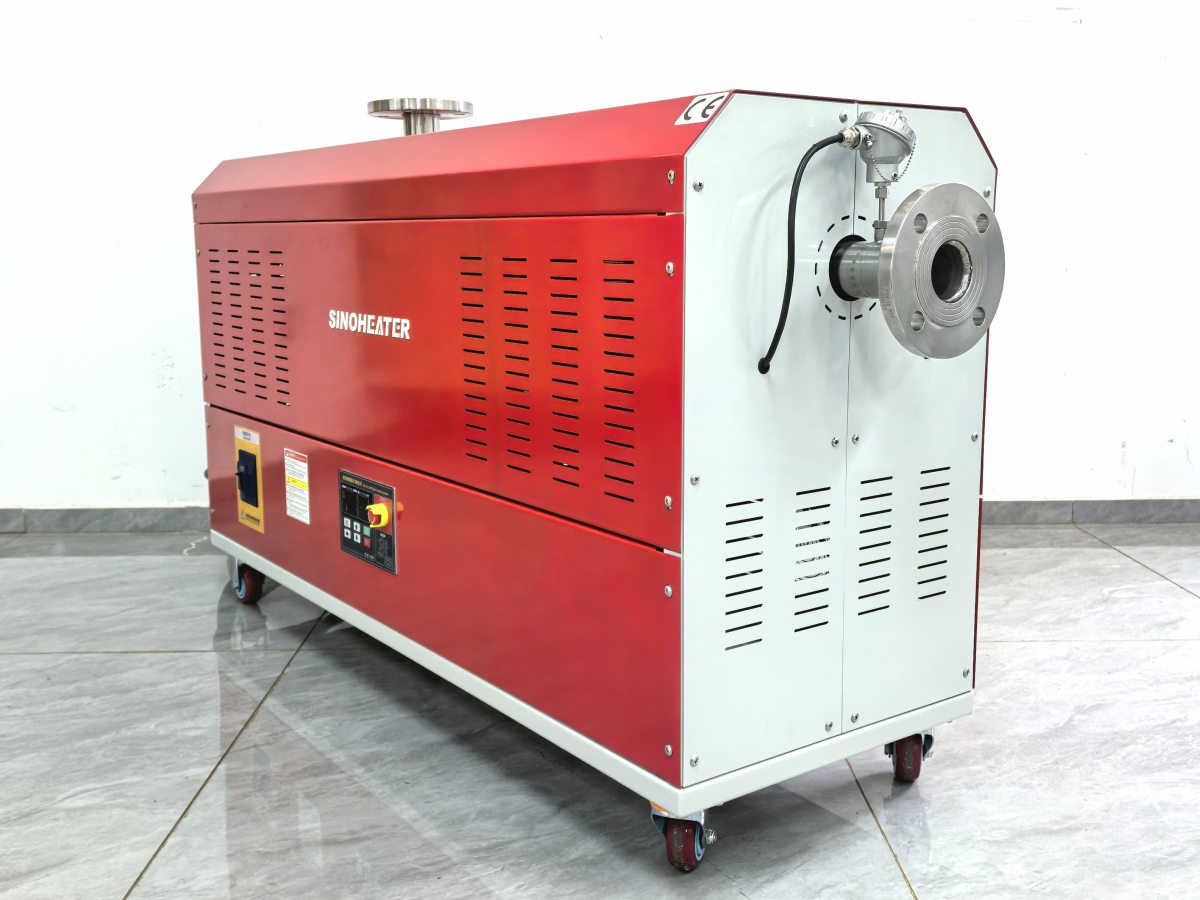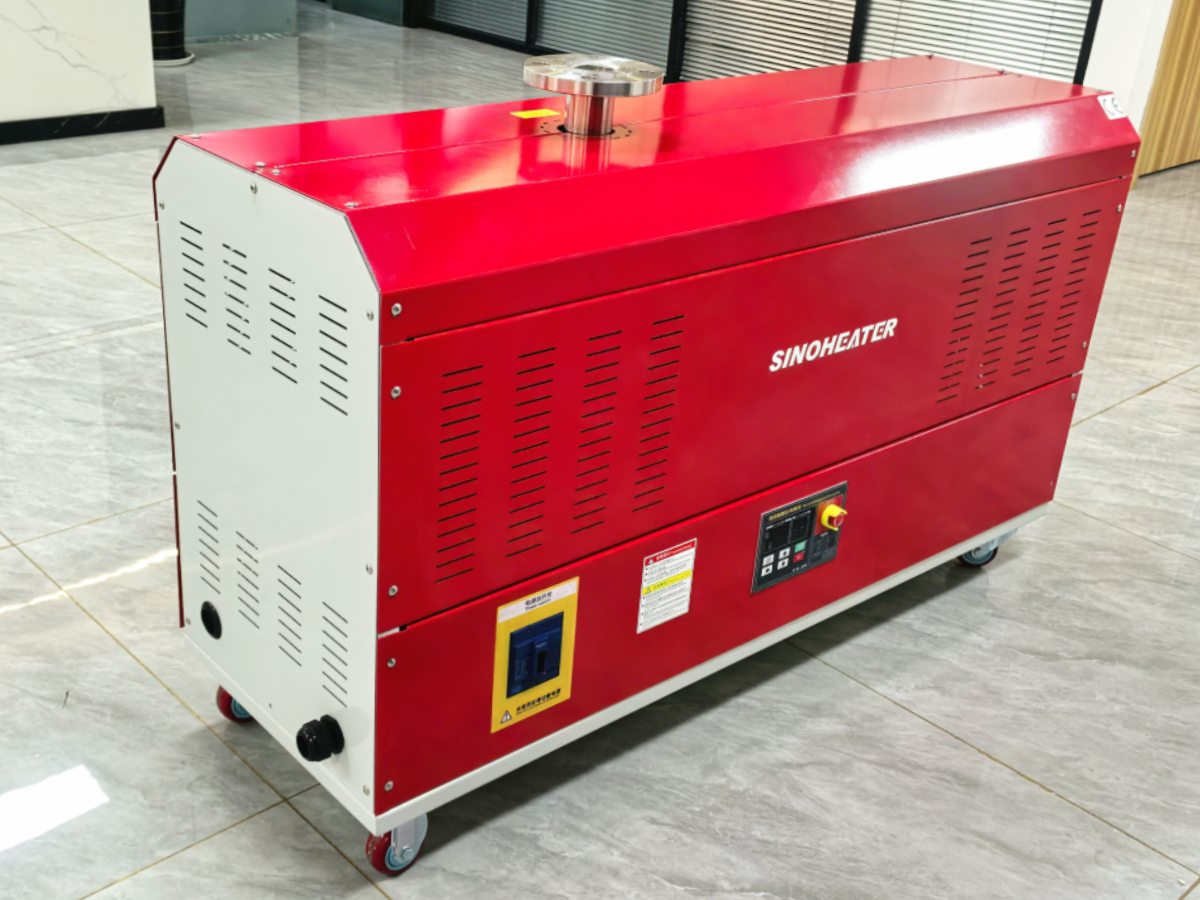
The reliable operation of hot air blowers in particulate-laden environments is governed by a set of standardized dustproof grades and corresponding environmental adaptation indicators. These metrics provide a quantifiable framework for matching equipment protection levels to specific ambient conditions, directly impacting longevity, maintenance intervals, and process stability. For operations in woodworking, metal fabrication, construction, or recycling facilities, selecting a unit with appropriate ingress protection and validating its performance against measurable environmental parameters is a critical engineering decision.
Understanding Ingress Protection (IP) Codes for Dust Resistance
The Ingress Protection (IP) code, defined by international standard IEC 60529, is the primary classification system for dust resistance. The first digit after “IP” indicates solid particle protection. For industrial hot air blowers, two ratings are most relevant. IP5X denotes “dust protected,” meaning while some dust may enter the enclosure, it will not enter in sufficient quantity to interfere with the satisfactory operation of the equipment. IP6X is a higher standard of “dust tight,” indicating no ingress of dust under defined test conditions. An IP6X-rated unit is sealed against fine particulate matter, which is essential for environments with conductive metal dust, fine silica, or other abrasive powders that could foul motor bearings, heating elements, or electronic controls.
Quantifying Ambient Particulate Concentration and Particle Size
Selecting the correct IP rating requires an assessment of the operating environment. Key indicators include the concentration of airborne particles (measured in milligrams per cubic meter, mg/m³) and the particle size distribution. Facilities like cement batching plants or grain handling may have high concentrations of larger, non-conductive particles where an IP5X rating might suffice with regular maintenance. Conversely, environments with fine, conductive, or combustible dust (e.g., aluminum grinding, carbon powder processing) demand the absolute barrier of an IP6X enclosure to prevent internal accumulation that could lead to electrical short circuits, bearing failure, or fire risk. Ambient air quality standards for occupational health (like PM10, PM2.5 levels) can serve as a preliminary reference point for particle size prevalence.
Design Features Enabling High Dustproof Performance
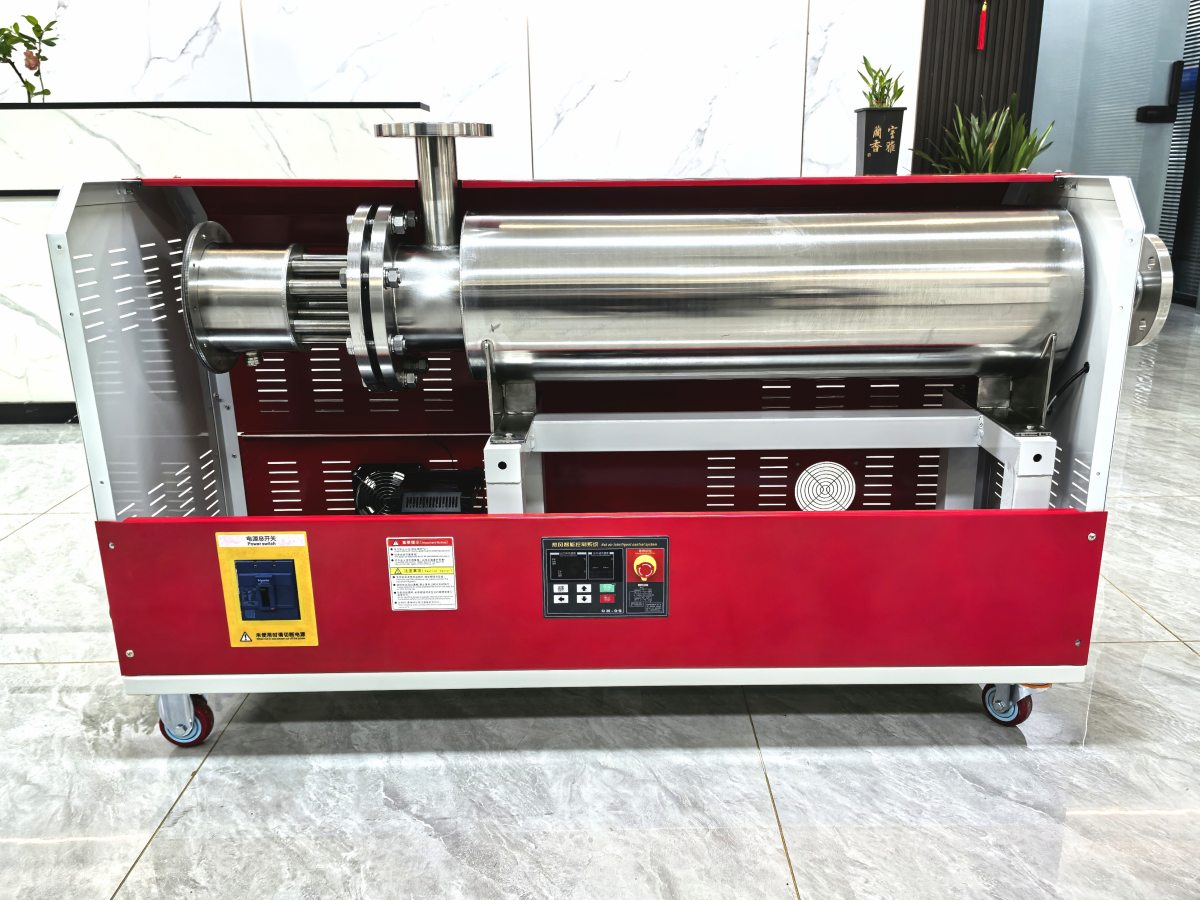
Achieving a specific IP rating involves integrated design features. The enclosure itself must have precisely machined flanges with continuous gaskets, often made from high-temperature silicone or fluorocarbon rubber, to seal the joint between the housing and the cover. All cable entries must use certified gland fittings that maintain the seal. The motor cooling system is a critical focus; units designed for dusty environments often employ a closed-loop cooling circuit. This system uses an internal fan to circulate air within a sealed motor chamber, while an external heat exchanger dissipates heat, preventing contaminated ambient air from being drawn directly over the motor windings. The air intake for the blower fan and heating chamber may incorporate a pre-filter, but the primary defense remains the integrity of the sealed main enclosure.
Operational and Maintenance Implications of Dustproof Design
A higher dustproof grade necessitates specific operational protocols. The sealed design can affect thermal management, potentially requiring derated operation in high ambient temperatures or careful monitoring of internal component temperatures via built-in sensors. Maintenance procedures must account for the sealed nature of the unit; opening the enclosure for service in a dirty environment requires careful cleaning of the exterior first and the use of replacement gaskets rated for the operating temperature to restore the seal upon reassembly. Furthermore, the performance of the unit should be validated against environmental indicators such as internal pressure differentials (for pressurized enclosures) and periodic inspection of filter elements (if present) to ensure the design’s protective capabilities are maintained throughout the equipment’s service life.