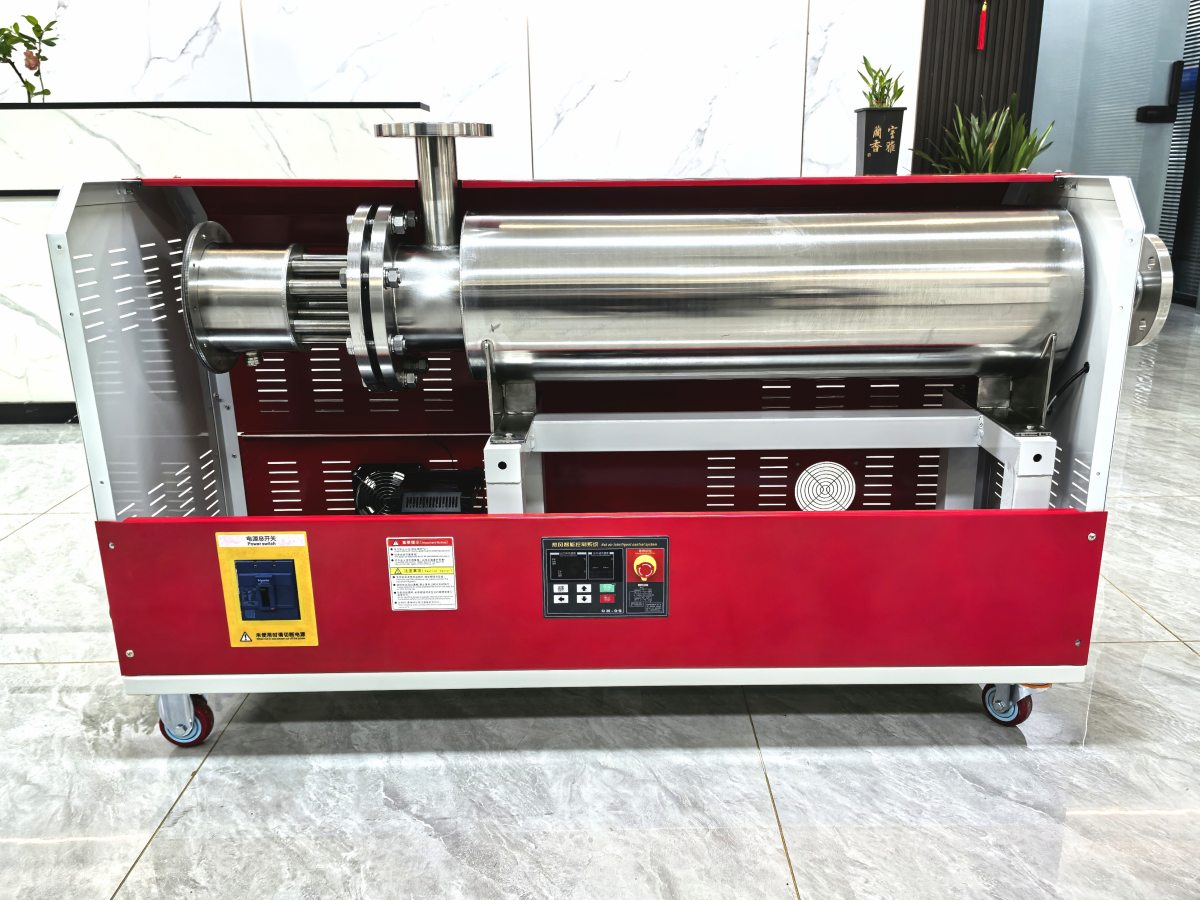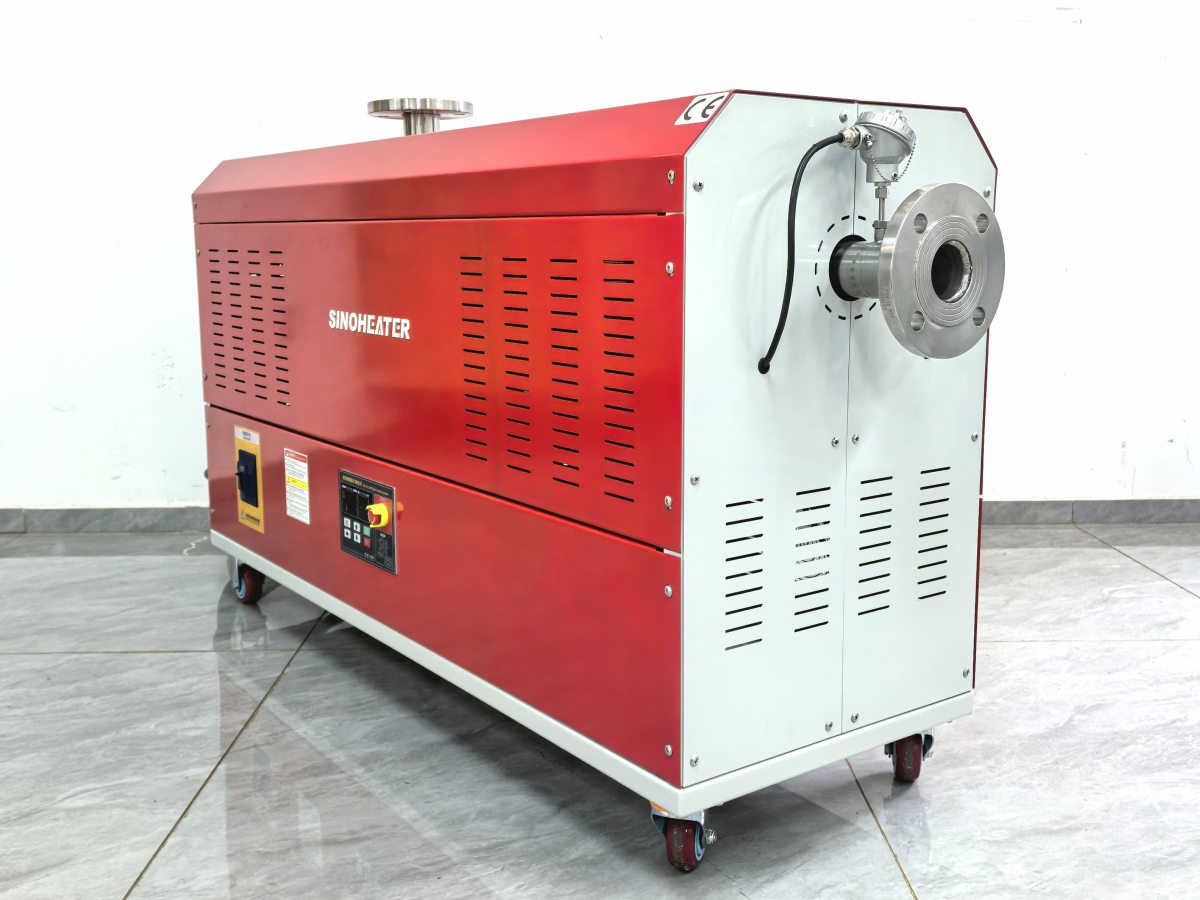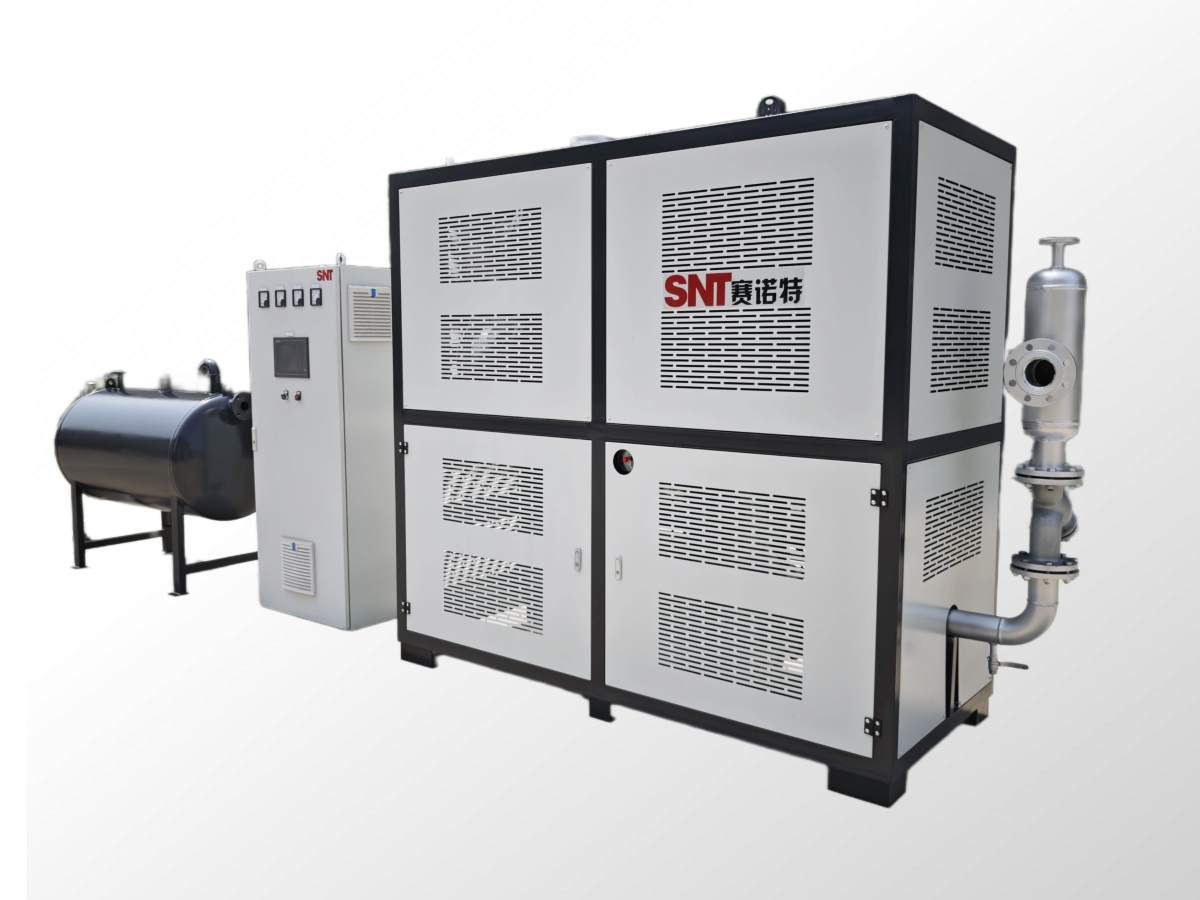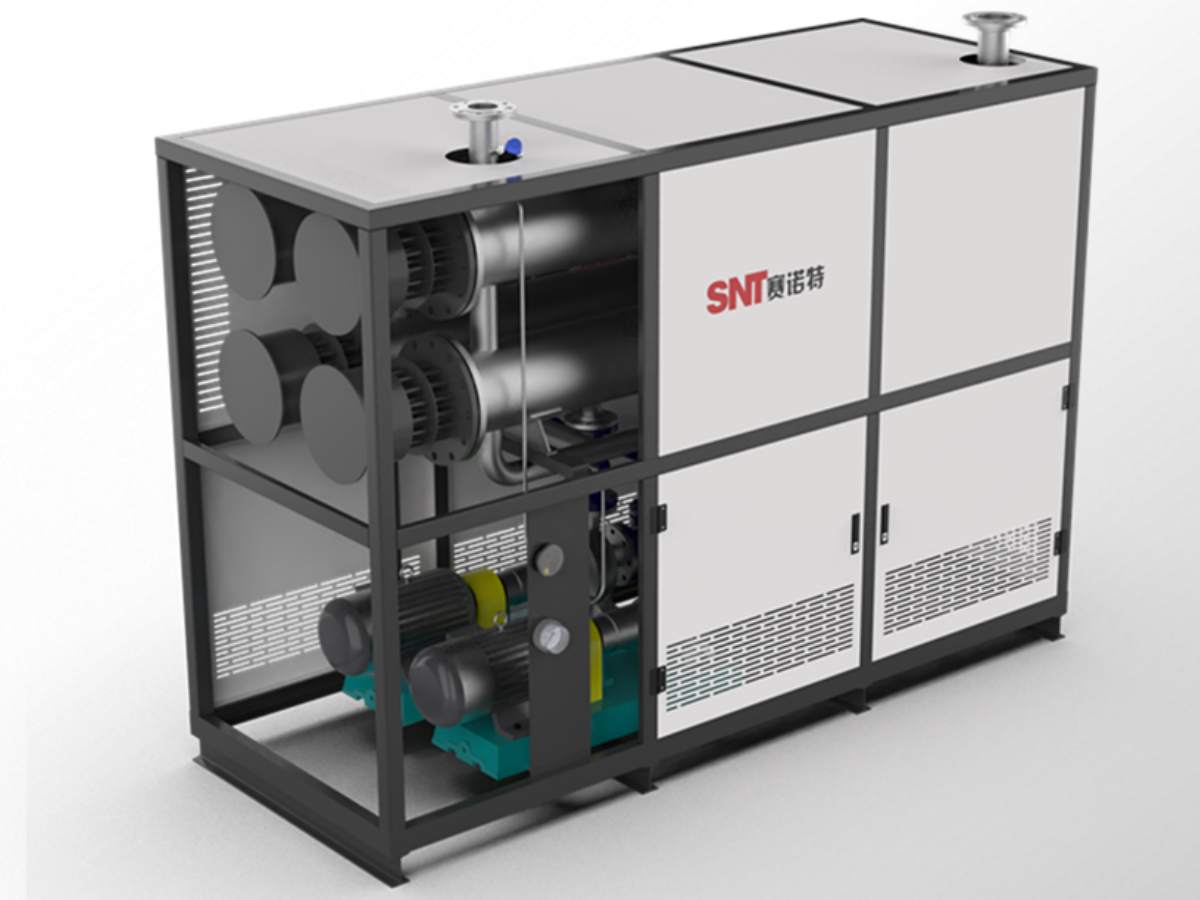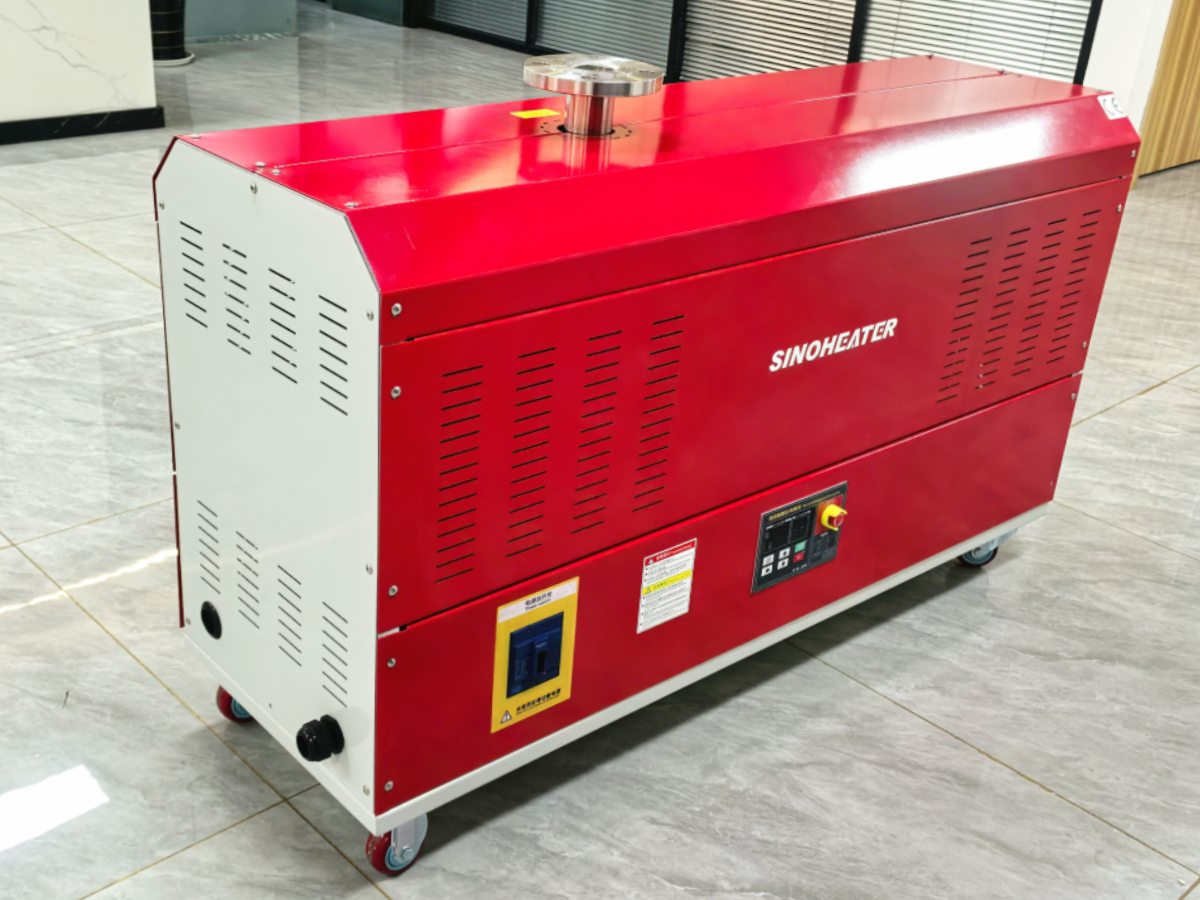
Dual air outlet simultaneous heating type hot air blower structures are engineered to deliver synchronized, evenly distributed thermal output across two separate airflow paths, addressing many of the limitations found in single-outlet designs that struggle to cover wider or more complex work surfaces. This specialized layout balances internal airflow routing, heat generation, and structural stability to support consistent dual-stream heating performance across extended industrial or craft operating cycles.
Concentric Dual Air Duct Internal Layout
The core of the structure uses a nested concentric duct arrangement that divides the total incoming airflow into two independent, evenly balanced streams before either stream reaches the heating zone. The outer annular duct and inner circular duct are separated by a thin, heat-resistant partition that maintains consistent airflow velocity on both sides, preventing uneven pressure drop that could create mismatched flow rates between the two outlets. This layout ensures no single air path receives disproportionate airflow volume, so both streams carry a similar mass of air through their respective heating sections. The entire air guiding structure is aligned along a single central axis, eliminating sharp bends or dead pockets that would cause turbulent flow and waste energy. This carefully planned internal routing lays the foundation for stable, synchronized heating performance across both outlets.
Independent Heating Element Synchronization Design
Each of the two separated air streams passes through its own dedicated heating section, calibrated to reach identical thermal output levels under the same operating power. The heating elements are positioned symmetrically relative to their respective airflow paths, so incoming cold air makes full, uniform contact with the heat-generating surface the moment it enters the heating zone. Temperature sensing points are placed immediately upstream of each outlet, feeding real-time data back to the control system to ensure neither stream drifts outside the target temperature range during operation. This parallel, synchronized heating arrangement eliminates the common problem of one outlet running significantly hotter than the other, which would create uneven thermal processing results on the target workpiece. Even under variable load conditions, the two heating zones maintain perfectly matched temperature output to support consistent dual-stream heating.
Dual Outlet Terminal Structural Balance
The final section of the structure positions the two outlets at carefully calculated angles and spacing, so the two simultaneous hot air streams converge or run parallel to each other exactly as required for the intended application. The connecting joints between the heating chamber and outlet nozzles use high-temperature resistant embedded fastener-free connections, avoiding loosening issues that could develop after thousands of thermal cycling cycles. The outer housing around the dual outlet zone uses layered heat insulation material to prevent unnecessary heat transfer between the two air streams, ensuring each stream preserves its exact target temperature all the way to the discharge point. This terminal structural design also minimizes overall weight and bulk at the working end, making the unit easy to maneuver and position accurately during active operation. The end result is a robust, long-lasting dual outlet system that delivers reliable synchronized heating performance for a wide range of thermal processing tasks.
Properly engineered dual air outlet simultaneous heating structures consistently deliver more uniform, wide-coverage thermal processing results than conventional single-outlet hot air blower designs.