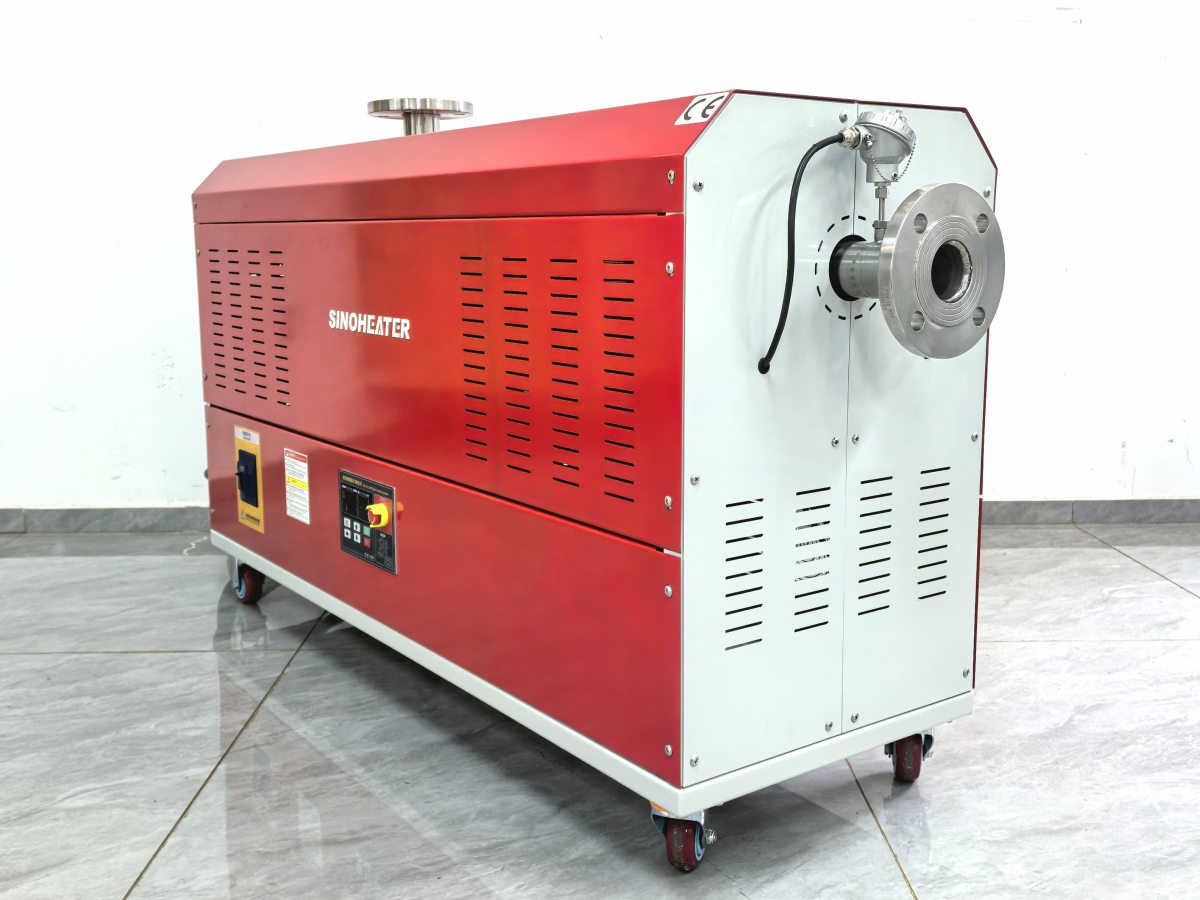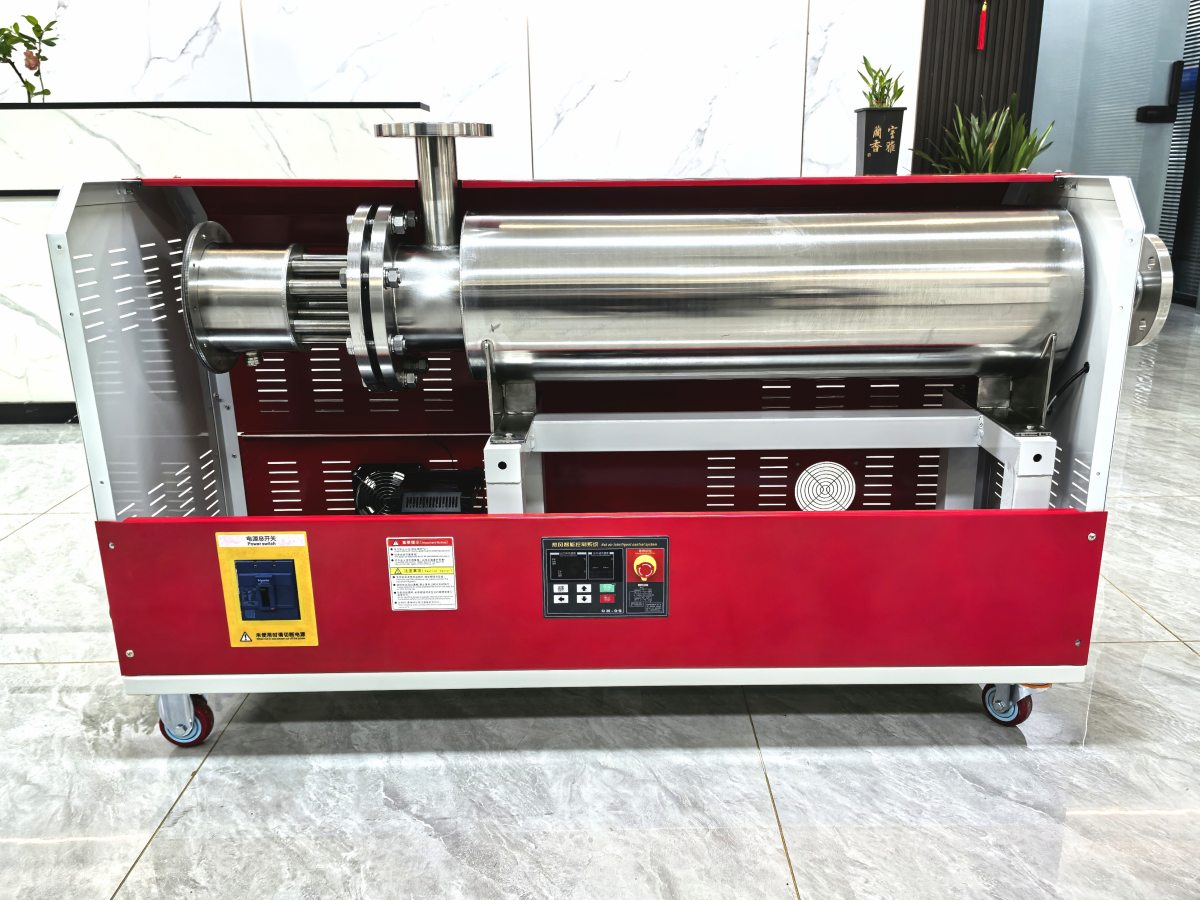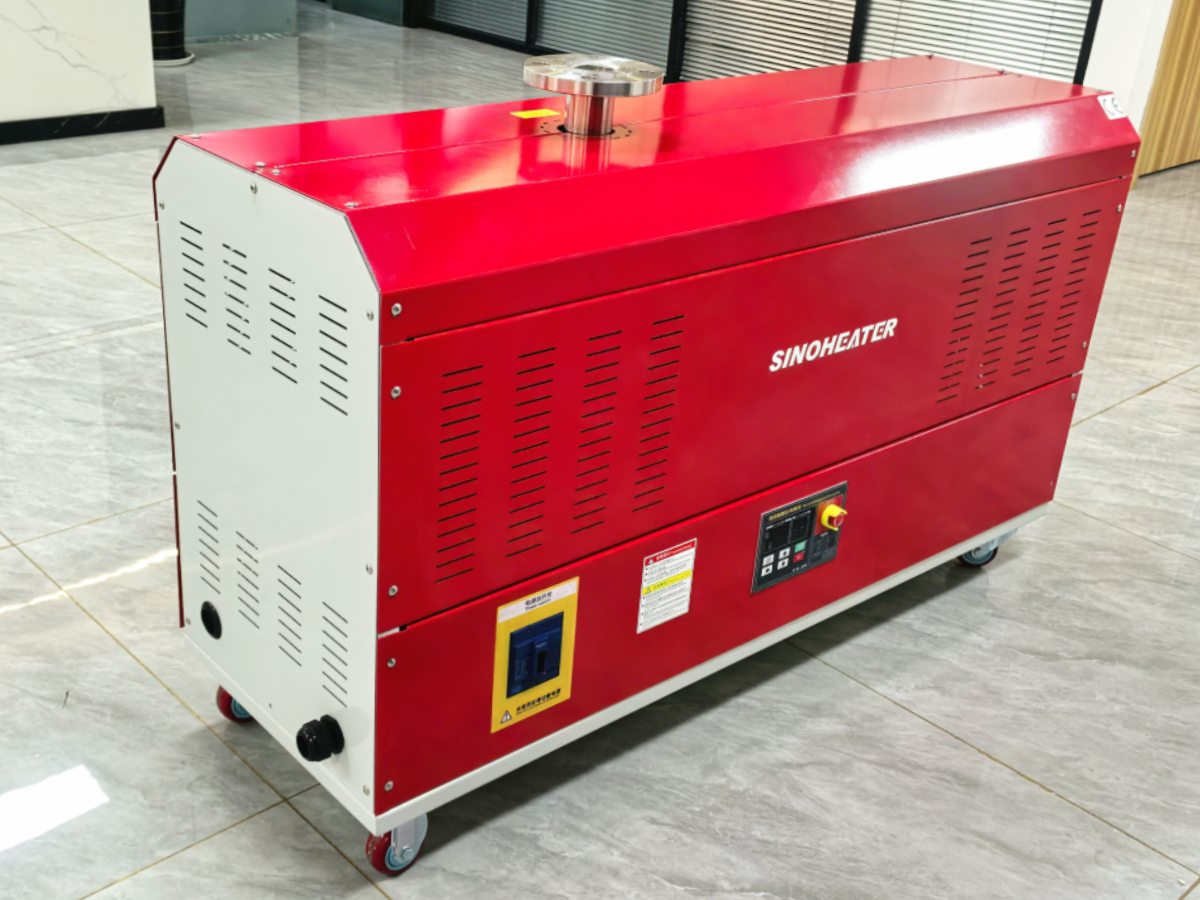
Vertical upward heating hot air blower configurations are purpose-built to move hot air in a natural rising direction that aligns with basic thermal convection behavior, creating performance traits that differ significantly from horizontal or downward-blowing hot air system layouts. This design choice solves many common pain points that appear in conventional angled airflow heating tasks, especially for applications where uniform, steady heat coverage across an open horizontal workspace is a top priority. The structure leverages the natural physical properties of warm air to deliver more efficient, stable heating without unnecessary extra power consumption.
Natural convection-aligned airflow path efficiency
Since hot air naturally rises on its own, a vertical upward blowing layout eliminates the unnecessary directional resistance that horizontal or downward systems must overcome to push warm air against its natural movement tendency. The internal air duct is engineered with smooth, gradual bends that guide airflow straight upward with minimal turbulence, so nearly all kinetic energy from the fan is used to move air toward the target workspace instead of being wasted on redirecting flow direction. This alignment with natural thermal behavior also reduces the risk of turbulent eddies that create uneven temperature dead zones, letting hot air spread evenly across the full horizontal plane above the outlet without requiring complex flow correction structures.
Stable uniform temperature field across horizontal workspace
Warm air moving slowly upward in a controlled vertical stream has far more time to spread evenly and equalize in temperature before it reaches the target processing area, rather than hitting the surface in a narrow high-velocity jet that creates localized overheating. Operators working with this design get a wide, consistent temperature band across the entire horizontal workspace, with no sharp hot spots or unexpected cold gaps that would ruin uniform heating results. This trait is especially valuable for batch processing tasks where multiple parts sit side by side on a horizontal tray, as every piece receives nearly identical thermal exposure with no need for complex motion systems to move the blower or workpieces around during operation.
Low-maintenance structural and operational durability
The vertical layout naturally separates the motor, fan assembly, and heating element into distinct vertically stacked zones, with gravity helping to keep fine dust, debris, and small processing particles from settling directly onto sensitive heating and electrical components. Any heavy contaminants that get pulled into the air intake tend to fall back down under their own weight instead of being carried straight into the high-temperature heating core, which reduces buildup of burnt residue that would otherwise degrade long-term heating performance. This structural arrangement also creates a very compact footprint that occupies minimal floor space, making it much easier to integrate into existing production line layouts without requiring major reconfiguration of surrounding work areas.