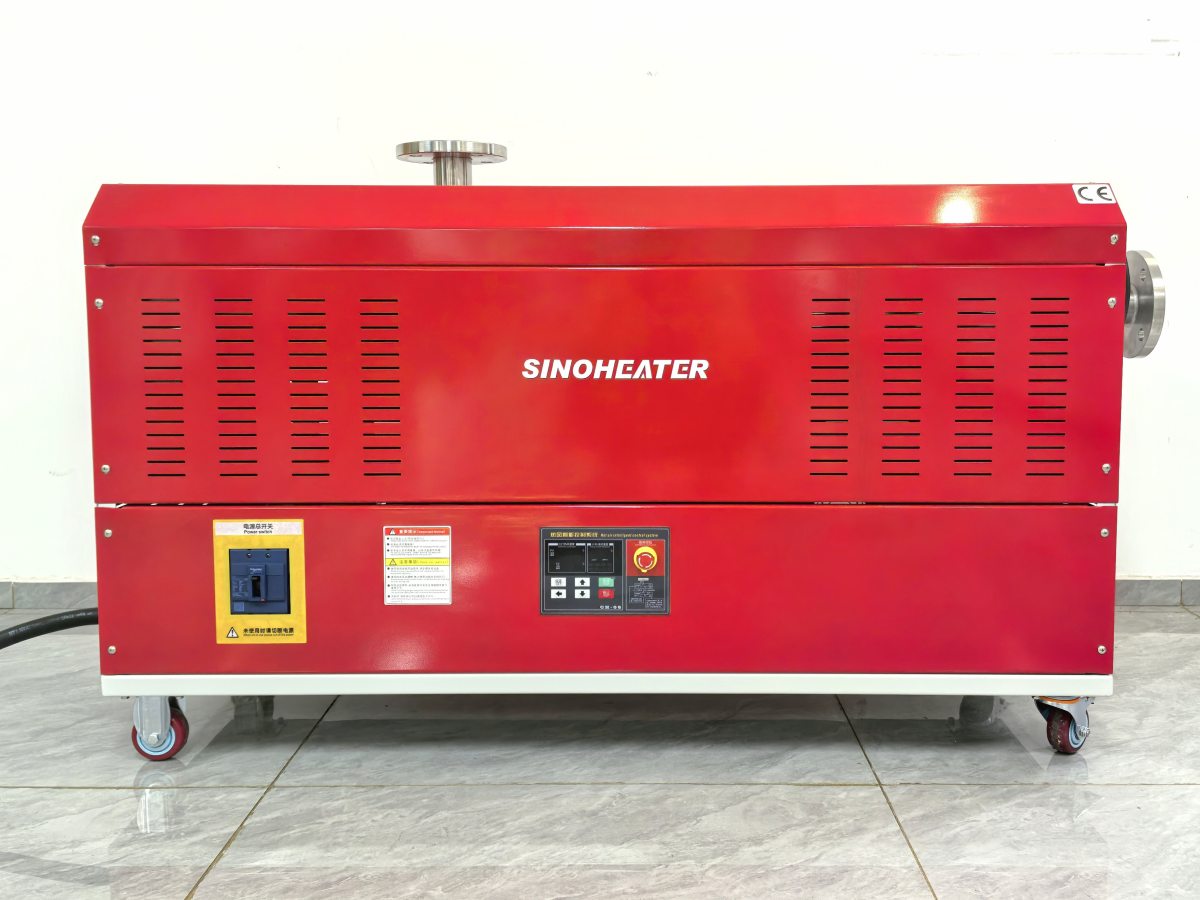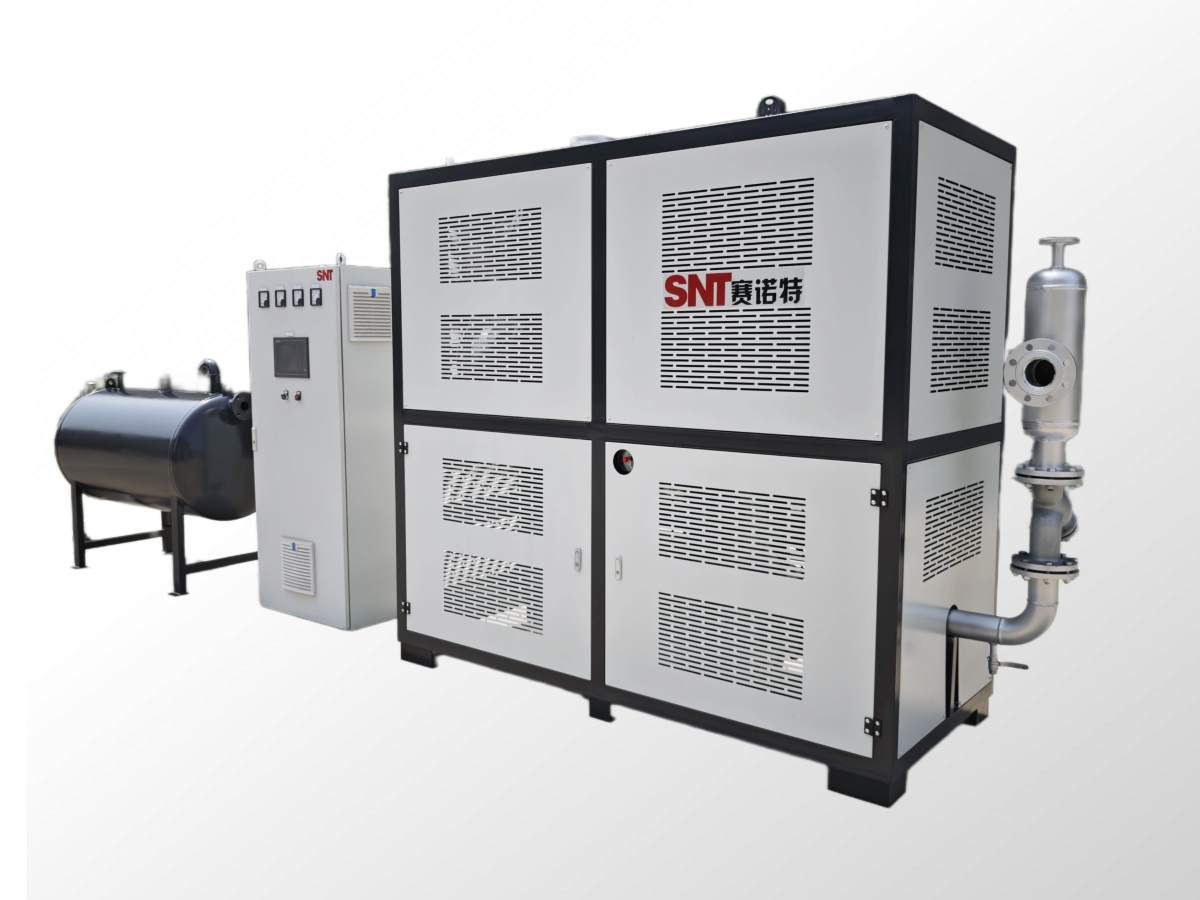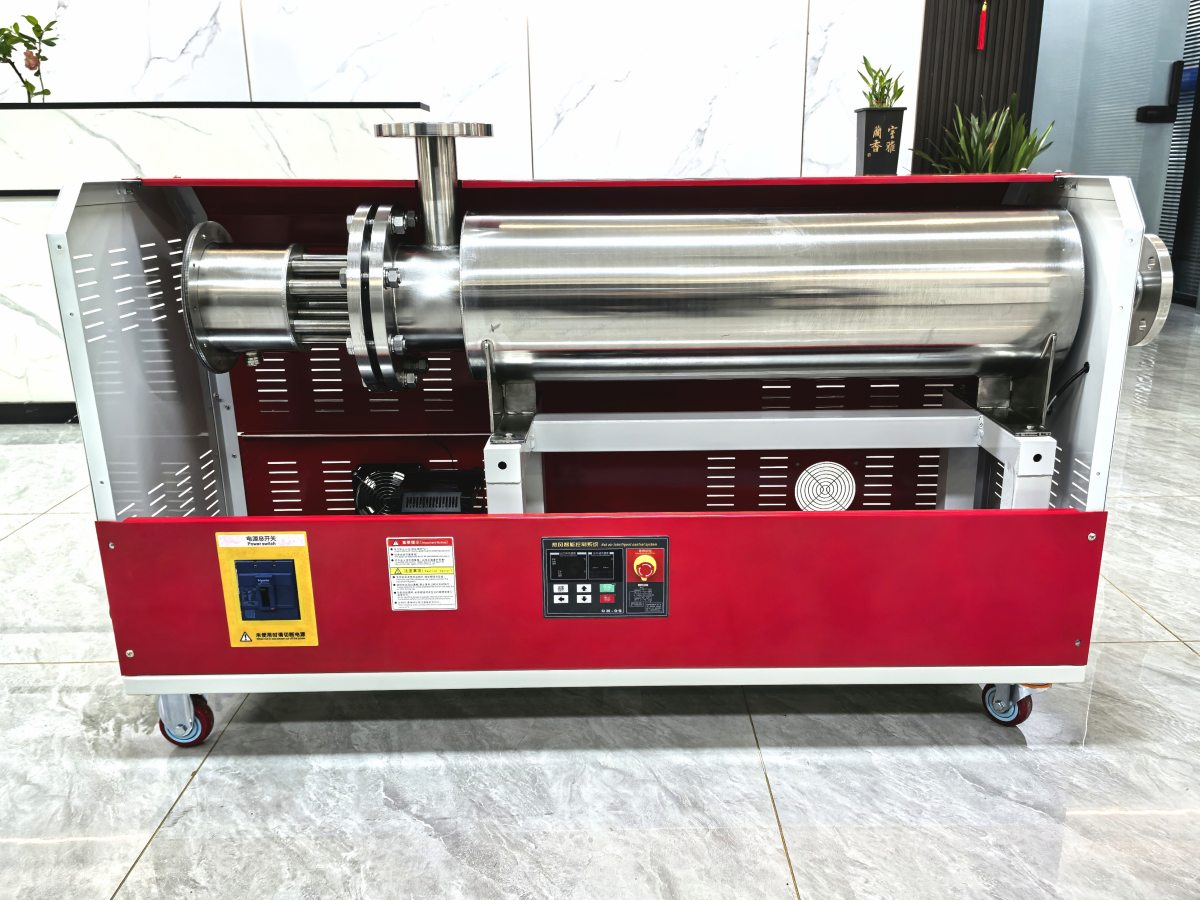
Hot Air Blower Stainless Steel Corrosion Resistant Industrial Type
In industrial environments where process air carries chemical fumes, fine salt particles, acidic mist, or high levels of humid corrosive vapor, standard hot air blower construction materials begin to degrade rapidly after only a few months of continuous operation. Surface rust, pitting corrosion, and structural oxidation eat away at fan blades, internal air ducts, and heating chamber walls, gradually reducing airflow balance, contaminating process output, and creating unexpected unplanned downtime. The stainless steel corrosion resistant industrial design solves these long-standing pain points, using material properties and structural engineering choices proven across decades of field deployment in some of the harshest operating conditions. This guidance is built on hands-on experience maintaining and troubleshooting thermal air systems in chemical processing, coastal manufacturing, food processing, and pharmaceutical production facilities.
Material Performance in Aggressive Operating Environments
Stainless steel’s natural corrosion resistance comes from a thin, stable chromium oxide layer that forms spontaneously on the material’s surface when exposed to oxygen. This passive layer self-repairs after minor surface scratches or abrasions, preventing corrosive agents from reaching the underlying base metal, a characteristic that no standard carbon steel or coated metal construction can match.
In high-humidity coastal or marine industrial settings, where fine salt particles are continuously pulled into the blower’s intake air, stainless steel resists the electrochemical corrosion that would quickly create rust buildup on standard metal surfaces. This eliminates the gradual pitting that often throws fan blades out of dynamic balance, preventing rising vibration levels that would damage motor bearings and shorten overall system lifespan. Even after years of continuous operation, the smooth, non-porous surface of stainless steel stays free of the flaking oxide debris that would otherwise break loose and contaminate downstream process materials.
In facilities where process air carries weak acidic or alkaline fumes, stainless steel maintains full structural integrity without the gradual chemical erosion that attacks painted or coated blower housings. There is no risk of coating blistering, peeling, or flaking off into the airflow stream, a common failure mode in non-stainless units that operate near chemical processing lines. This consistent material stability also prevents the formation of sharp, corroded edges inside the air duct that can create unwanted turbulence and reduce overall airflow efficiency over time.
For food and pharmaceutical processing environments that require frequent washdown cycles with alkaline cleaning agents and high-temperature water, stainless steel stands up to repeated exposure without staining, discoloration, or microbial buildup in surface crevices. The non-porous, easy-to-wipe surface meets strict sanitary requirements, and does not trap residual organic material that would degrade over time and contaminate process air output.
Structural Design Features Optimized for Long Corrosion-Free Service
Beyond base material selection, the industrial stainless steel hot air blower uses specific structural design choices that eliminate hidden corrosion risks that would otherwise shorten service life even with high-quality base metal. These design details are the result of decades of field feedback from maintenance teams operating in harsh industrial sites.
Every internal weld joint across the air flow path is fully ground smooth and passivated after assembly, with no remaining sharp crevices, rough weld spatter, or uneven seams. Unfinished welds are one of the most common hidden failure points, as they trap moisture, dust, and corrosive residue that breaks down the passive chromium oxide layer and creates localized pitting corrosion. Full post-weld surface treatment eliminates this risk entirely, creating a continuous smooth surface across every inch of the internal air path.
The fan blade assembly is machined and balanced as a single monolithic stainless steel structure, with no dissimilar metal fasteners used to attach blades to the central hub. This eliminates galvanic corrosion risk that occurs when two different metals are in direct contact in a humid, corrosive environment, a failure mode that would cause fasteners to seize, weaken, or break unexpectedly after extended operation. The single-piece construction also maintains perfect dynamic balance far longer than assembled blade designs, even when operating in air with high levels of fine particulate.
All external mounting flanges, connection points, and support brackets are also constructed from matching stainless steel grades, rather than using mixed carbon steel parts for structural support. This prevents galvanic coupling between different metals, and stops rust stains from non-stainless components from spreading across the blower housing and creating unnecessary surface contamination that can eventually break down the passive layer.
Field Installation and Preventive Maintenance Best Practices
Even the highest quality stainless steel corrosion resistant hot air blower will not deliver its full expected service life if installation and basic maintenance steps are overlooked. These simple, field-verified practices ensure the unit remains corrosion-free and operating at peak efficiency for many years of continuous industrial service.
During initial installation, avoid making direct contact between the stainless steel housing and uncoated carbon steel tools, brackets, or structural supports. Small iron particles transferred to the stainless steel surface can form surface rust spots that break through the passive layer if left in place for extended periods. If accidental contact does leave iron residue on the surface, wipe the area down with a mild stainless steel passivating solution to restore the full protective oxide layer before the unit goes into service.
Route the blower’s intake air duct as far away as possible from direct sources of highly concentrated corrosive fumes, chemical spill zones, or areas where harsh cleaning chemicals are regularly sprayed directly into the air. Even the most corrosion-resistant stainless steel will experience accelerated wear if exposed to extreme concentrations of highly aggressive chemicals that far exceed normal design operating limits. Adding a simple pre-filter at the intake to capture large particulate droplets of corrosive mist will drastically extend the service life of the entire unit.
During scheduled routine maintenance, wipe down all internal and external stainless steel surfaces with a soft non-abrasive cloth and mild pH-neutral cleaning solution. Never use steel wool, harsh abrasive scrubbers, or chlorine-based cleaning products on any stainless steel surface, as these will scratch the passive layer and leave behind embedded particles that create localized corrosion spots. After every washdown, rinse all surfaces thoroughly with clean fresh water and wipe completely dry to eliminate any leftover cleaning residue.
Inspect all internal air path surfaces at least once every three months for any early signs of discoloration, small surface stains, or minor pitting. Catching these early warning signs long before they develop into larger structural issues allows you to clean and re-passivate affected areas quickly, restoring the full protective surface layer without requiring major component replacement. Document all inspection results in your equipment maintenance log, so you can track long-term corrosion trends and adjust your intake air filtration setup if operating conditions become more aggressive over time.