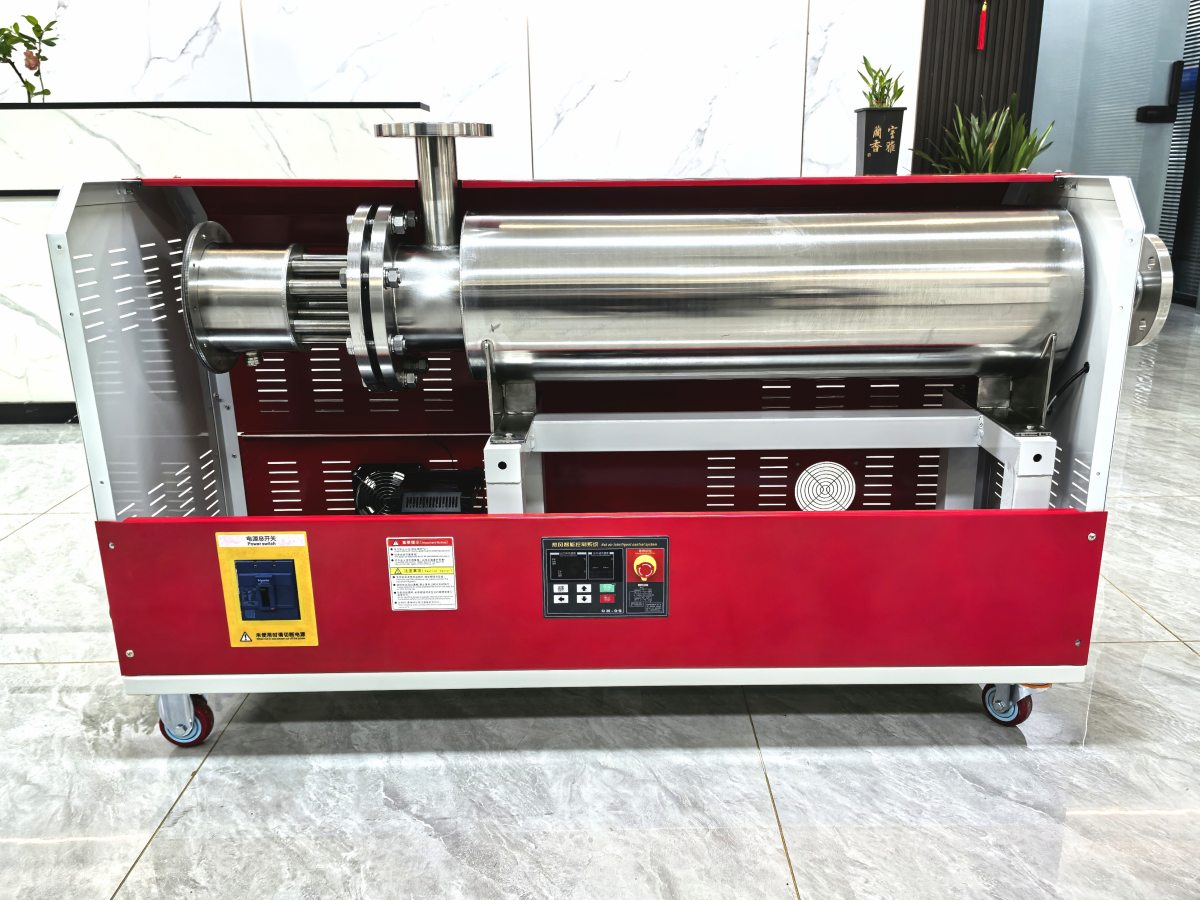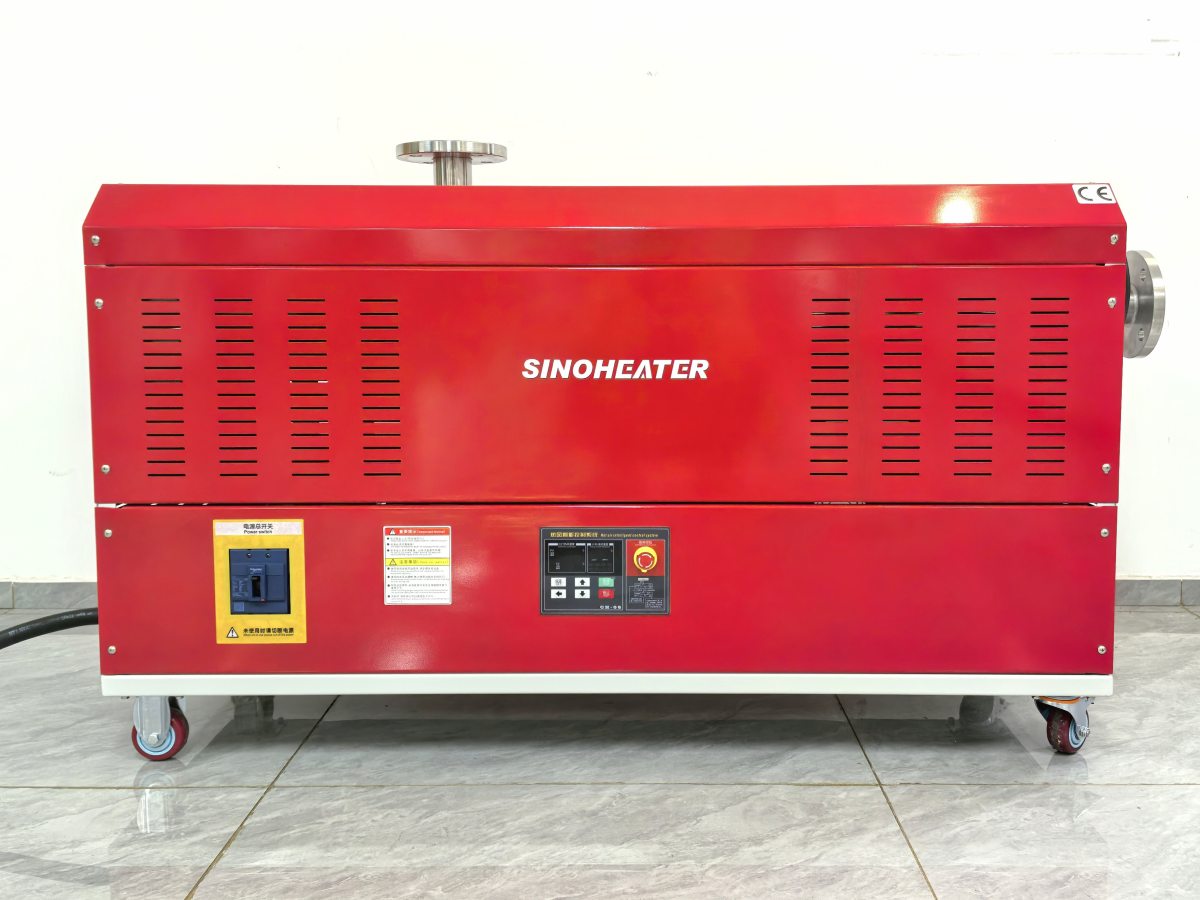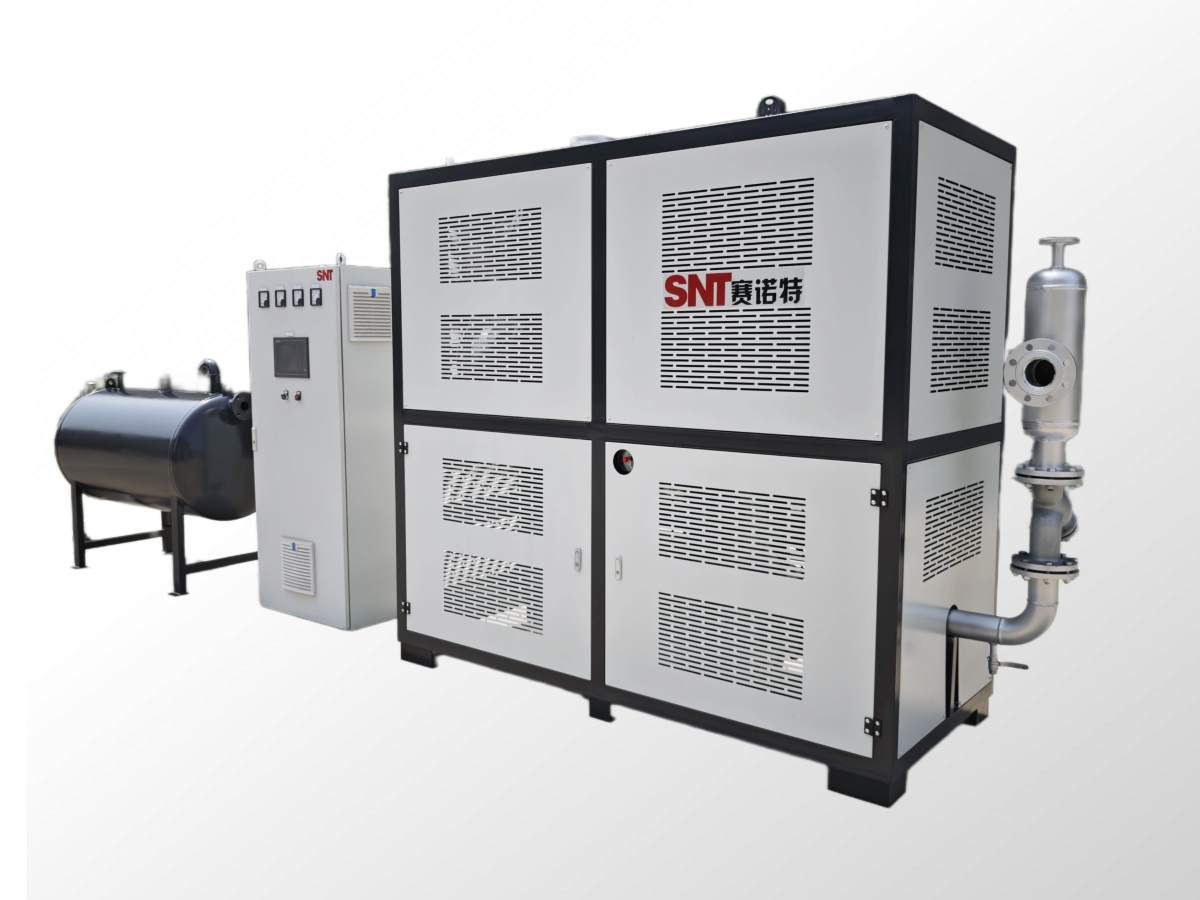
Hot Air Blower Integrated Filter Self-Cleaning Auxiliary Type
Industrial hot air blowers operating in dusty, high-particulate work environments face consistent performance degradation as intake filters clog over time. Traditional filter replacement workflows create unplanned downtime, interrupt production cycles, and often leave operators guessing exactly when a filter has reached the point where it is no longer delivering adequate airflow. The integrated filter self-cleaning auxiliary design addresses these pain points directly, building automated maintenance functionality into the blower’s core air intake system to preserve consistent performance, extend filter service life, and eliminate unnecessary manual intervention. This content draws on decades of field experience with industrial thermal systems, covering real-world operating principles, practical setup guidance, and verified maintenance practices proven across thousands of deployed units.
Core Operating Principles of the Self-Cleaning Auxiliary System
Unlike separate external filter assemblies that require manual removal and cleaning, the integrated auxiliary system works directly in line with the hot air blower’s normal airflow path, using the blower’s own pressure differential to power the cleaning cycle. This eliminates the need for external compressed air lines or separate motorized cleaning components that add extra points of potential failure.
The system continuously monitors the pressure drop across the filter media in real time, using pressure taps positioned immediately upstream and downstream of the filter element. As particulate matter builds up on the filter surface, the measured differential pressure rises steadily, and the system triggers a cleaning cycle once the pre-programmed threshold is reached. This on-demand activation ensures cleaning only runs when it is actually needed, instead of following a rigid fixed schedule that wastes energy and wears out components prematurely.
When the self-cleaning cycle activates, a precisely controlled short burst of reverse airflow is directed through the filter media, flowing in the exact opposite direction of normal intake air. This targeted reverse pulse dislodges accumulated dust, fiber, and particulate matter that has built up on the outer surface of the filter, sending the debris into a dedicated collection hopper positioned below the filter assembly. The cycle lasts only a fraction of a second, and is timed so it does not create any significant disruption to the blower’s normal operating airflow.
All cleaning parameters, including pulse duration, interval between multiple pulses, and maximum allowed differential pressure, can be adjusted to match the specific particulate profile of the work environment. In facilities with high volumes of fine dry dust, the system can be set to run more frequent, shorter pulses, while locations with larger, heavier particulate can use fewer, more powerful pulses to dislodge debris effectively.
Field Installation and Commissioning Best Practices
Proper installation and initial setup are critical to ensuring the self-cleaning auxiliary system delivers its full expected performance benefit. Even a small misalignment during commissioning can reduce cleaning effectiveness by more than half, leading to unexpected filter clogging and reduced blower airflow.
During the initial mounting process, confirm that the entire integrated filter assembly sits perfectly level with no tilt in any direction. The debris collection hopper at the base of the filter must hang completely vertical, so dislodged particulate can fall freely into the collection space without getting trapped on ledges or inside crevices around the filter housing. Any trapped leftover debris will get reintroduced into the airflow during the next normal operating cycle, accelerating filter clogging.
Route all pressure sensor tubing along a smooth, protected path that avoids exposure to direct hot airflow from the blower’s outlet side. The tubing inner diameter must be sized to prevent fine particulate from building up and creating blockages that would give inaccurate differential pressure readings. Every connection point on the pressure line should be secured with a small clip to prevent it from coming loose during extended periods of equipment vibration.
After all mechanical connections are complete, run a full test sequence of the self-cleaning system with the hot air blower running at normal operating speed. Observe each reverse pulse in action, and confirm that the entire surface of the filter media receives even, uniform reverse airflow. Check for any signs of air leakage around the filter housing seals during the pulse cycle, and adjust seal tension as needed until no leakage is visible.
Calibrate the differential pressure sensor using a calibrated reference manometer, to ensure the measured values match real-world conditions exactly. Set the initial trigger threshold for the self-cleaning cycle at a level that leaves enough remaining filter media capacity to capture fine particulate, without waiting until the filter is so heavily clogged that airflow has already dropped significantly.
Long-Term Operational Validation and Preventive Maintenance
Even the most robust self-cleaning auxiliary system requires periodic light inspection to keep operating reliably over years of continuous industrial service. These simple, low-effort checks prevent gradual performance drift that would slowly erode the system’s effectiveness over time.
Inspect the debris collection hopper at scheduled intervals, and empty it before it becomes more than two-thirds full. If the hopper is allowed to fill completely, dislodged particulate will have nowhere to go, and will end up sitting directly below the filter media where it can get sucked back onto the filter surface the next time the blower starts up. This single oversight is the most common cause of premature filter clogging in otherwise well-functioning systems.
Every three to six months, remove the filter element for a quick visual inspection. Check the depth of particulate penetration into the filter media, and confirm that the self-cleaning pulses are consistently removing surface debris as intended. If you notice that fine particulate is beginning to build up deep inside the filter material even after repeated cleaning cycles, you can make a small adjustment to increase the duration of the reverse pulse by 10 to 15 percent to restore full cleaning effectiveness.
Check all seal surfaces around the filter housing for signs of wear, cracking, or accumulated particulate buildup. Even a tiny gap in the housing seal can allow unfiltered dirty air to bypass the filter entirely, entering the blower and coating internal heating elements and fan blades with dust. This creates uneven hot spots on heating components and reduces blower efficiency far faster than normal filtered operation.
Log every differential pressure reading, cleaning cycle count, and inspection result in a dedicated equipment maintenance log. Over time, this data will show you clear trends in how filter load changes across different production seasons, allowing you to fine-tune the self-cleaning parameters to match shifting environmental conditions and maximize the total usable lifespan of every filter element.