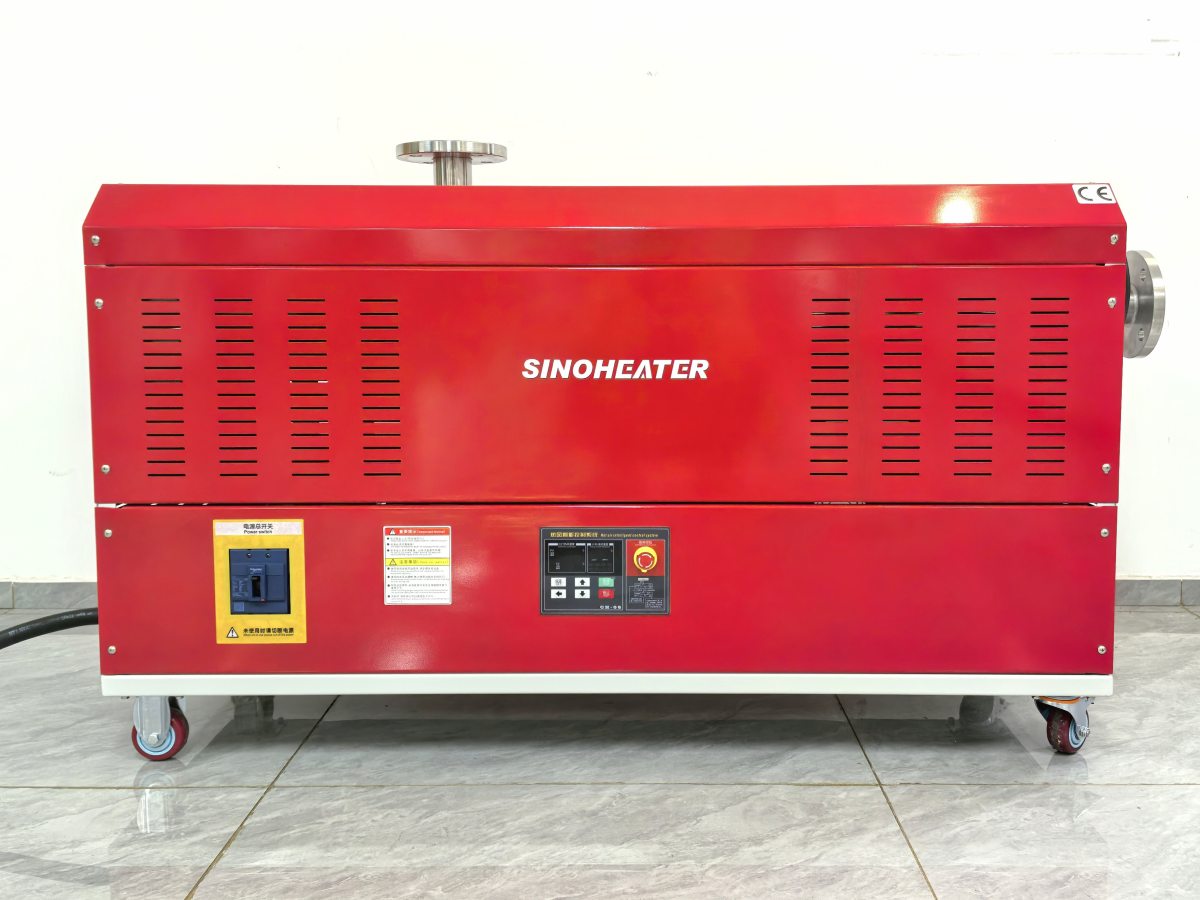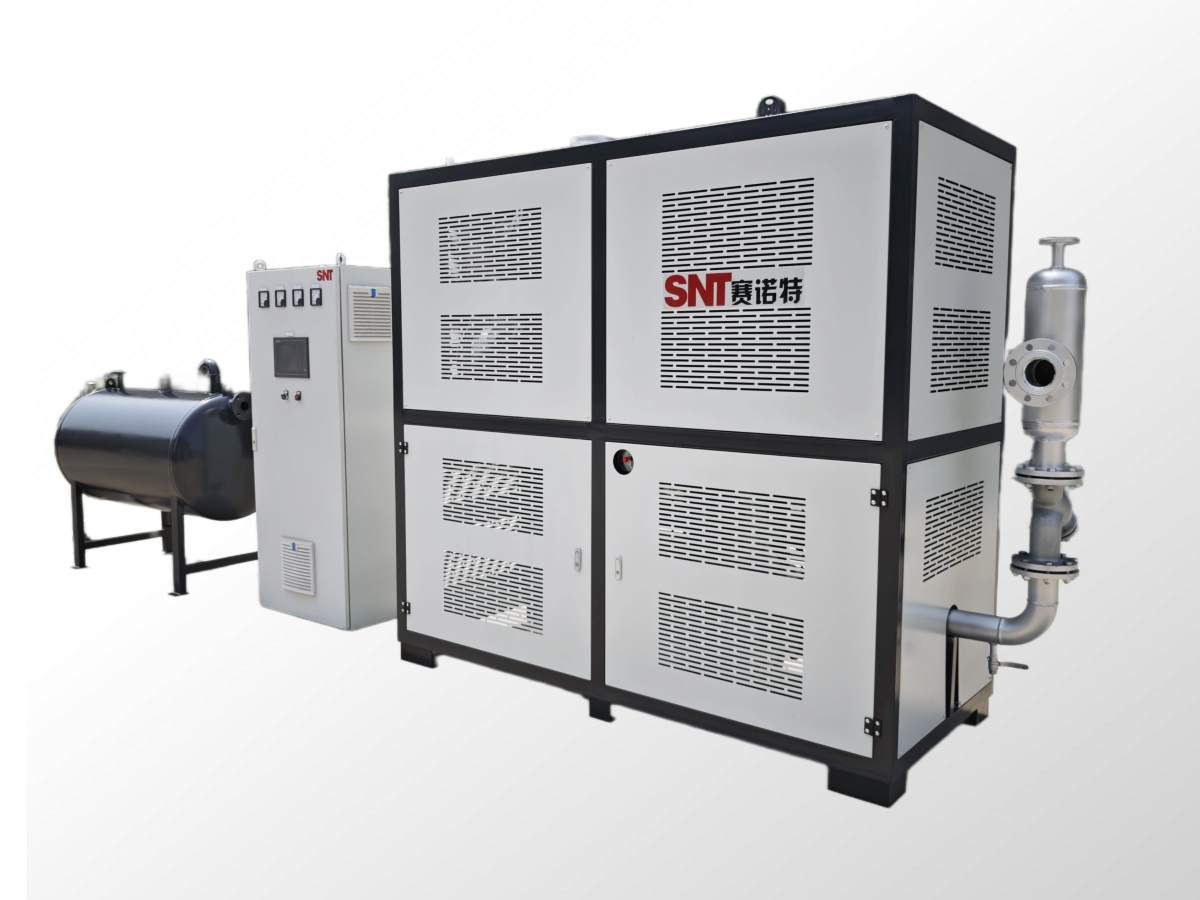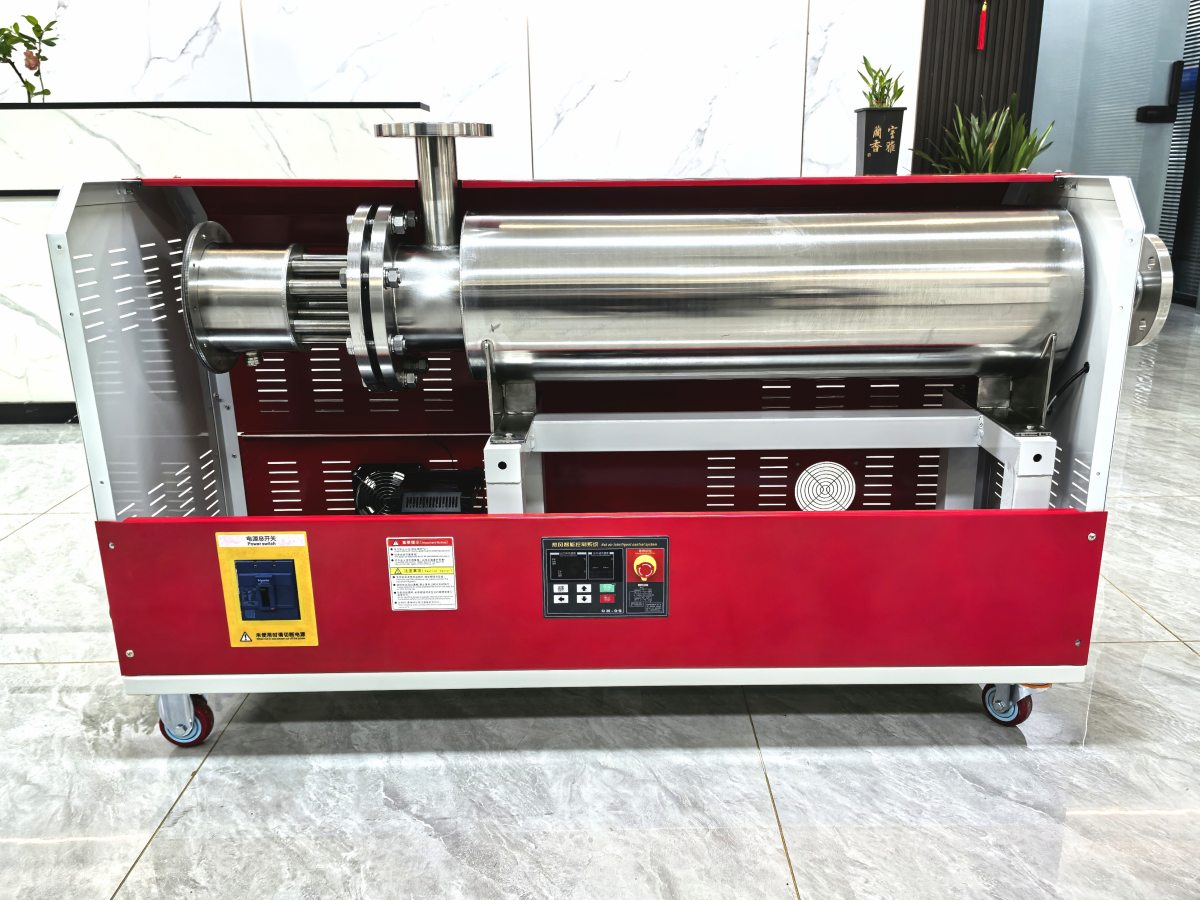
The high altitude low air pressure adaptive hot air blower is purpose-built to maintain stable thermal performance at elevations above 1000 meters, where thin air, reduced oxygen density and lower atmospheric pressure will cause standard units to experience noticeable airflow drop, overheating and insufficient heating output. This type of unit adjusts its internal aerodynamic and thermal control logic to match local low-pressure environmental conditions, ensuring consistent hot air delivery even at high plateau and mountainous work sites.
Internal Airflow Runner and Impeller Optimization
The core adaptive performance of this unit starts from a redesigned internal air passage structure, which compensates for the reduced air density at high altitude from the very first stage of air intake.
Converging Inlet Acceleration Section
The air inlet section connecting the impeller and internal runner adopts a smoothly converging profile that gradually reduces the cross-sectional area, to accelerate the low-density incoming air before it enters the pressurization zone. This carefully calculated contour matches the airflow characteristics of low-pressure thin air, minimizing turbulence and flow separation that would otherwise waste fan power and generate unnecessary noise. The gap between the impeller tip and the inner wall of the runner is also precisely calibrated to reduce backflow leakage, which becomes a major source of efficiency loss under low atmospheric pressure conditions.
Staged Pressure Boost Layout
The internal air passage is divided into multiple sequential pressure boosting stages, which gradually raise the static pressure of the incoming thin air to a level high enough to overcome the resistance of the heating chamber and external nozzle. This design ensures that the unit can still deliver the required volumetric airflow at the outlet, even when the ambient air density is 30% or more lower than standard sea level conditions. Without this optimized pressurization structure, a standard blower would suffer a sharp drop in actual airflow, leading to severe internal overheating and automatic shutdown during long-term operation at high altitude.
Heating System Adaptive Regulation Logic
A closed-loop dynamic control system adjusts the heating power and temperature calculation algorithm in real time, to adapt to the different heat transfer properties of low-density hot air at high altitude.
Airflow-Based Power Matching
Instead of using a fixed heating power setting for all operating conditions, the control system calculates the actual mass flow of air passing through the heating chamber in real time, and dynamically adjusts the input heating power accordingly. At high altitude, the same volumetric airflow contains far less air mass, so an unregulated fixed heating system would easily overheat the heating element and cause the outlet air temperature to far exceed the set value. This adaptive power matching prevents overheating damage to the internal heating core, while keeping the outlet temperature stable within the user’s preset working range.
Altitude Temperature Calibration Mechanism
The built-in temperature sensing system is pre-calibrated to compensate for the difference in temperature measurement deviation caused by low air density and reduced thermal convection at high altitude. Standard temperature sensors calibrated at sea level often output inaccurate readings in thin high-altitude air, leading the control system to underestimate the actual heating chamber temperature and run the unit at dangerously high levels. This adaptive calibration eliminates such measurement errors, ensuring that the displayed and controlled temperature values remain consistent and accurate across different elevation ranges.
Field Operation and High-Altitude Site Adaptation Maintenance
Standardized on-site operation and regular maintenance procedures further ensure that the adaptive performance of the unit remains reliable after long-term use in low-pressure high-altitude environments.
Pre-Deployment Altitude Parameter Alignment
Before the unit is put into formal operation at a specific high-altitude work site, the control system should be set to match the exact local elevation and corresponding atmospheric pressure parameters. This step can be completed by referencing the local meteorological station data, or running a short self-calibration cycle that automatically measures the local ambient air pressure on site. This alignment process ensures that all internal adaptive control parameters are initialized to the optimal state for the actual working environment, rather than using generic default values that are not fine-tuned for the specific site.
Periodic Impeller and Air Intake Inspection
At high altitude, the fan impeller runs at a relatively higher rotational speed for extended periods to deliver the required mass airflow, which makes regular inspection of blade condition and dynamic balance status a necessary maintenance step. Any accumulated dust or minor deformation on the impeller blades will cause a much more noticeable drop in airflow performance under low air pressure conditions than at sea level. Regularly cleaning the air intake filter and checking the impeller balance can prevent unexpected performance degradation, keeping the unit’s high altitude adaptive performance stable for a long service life.