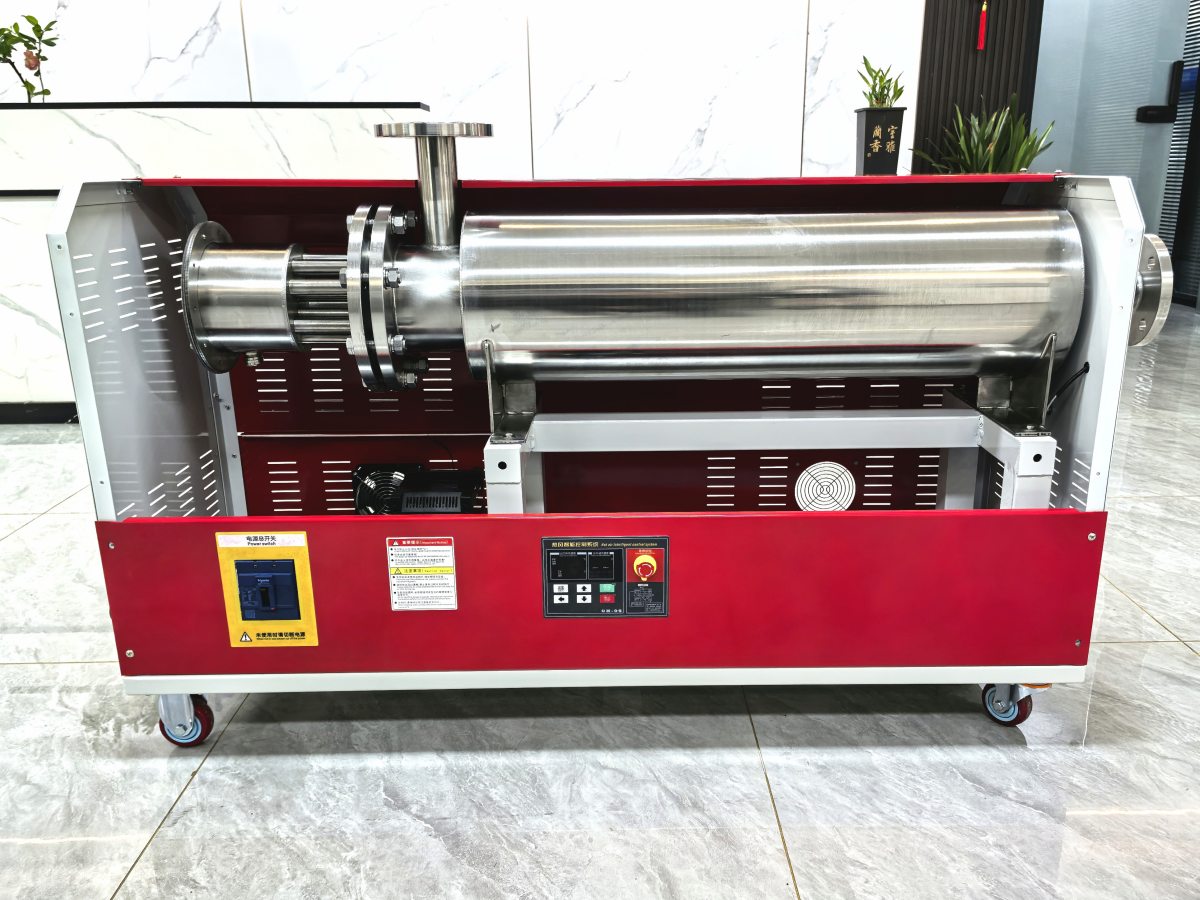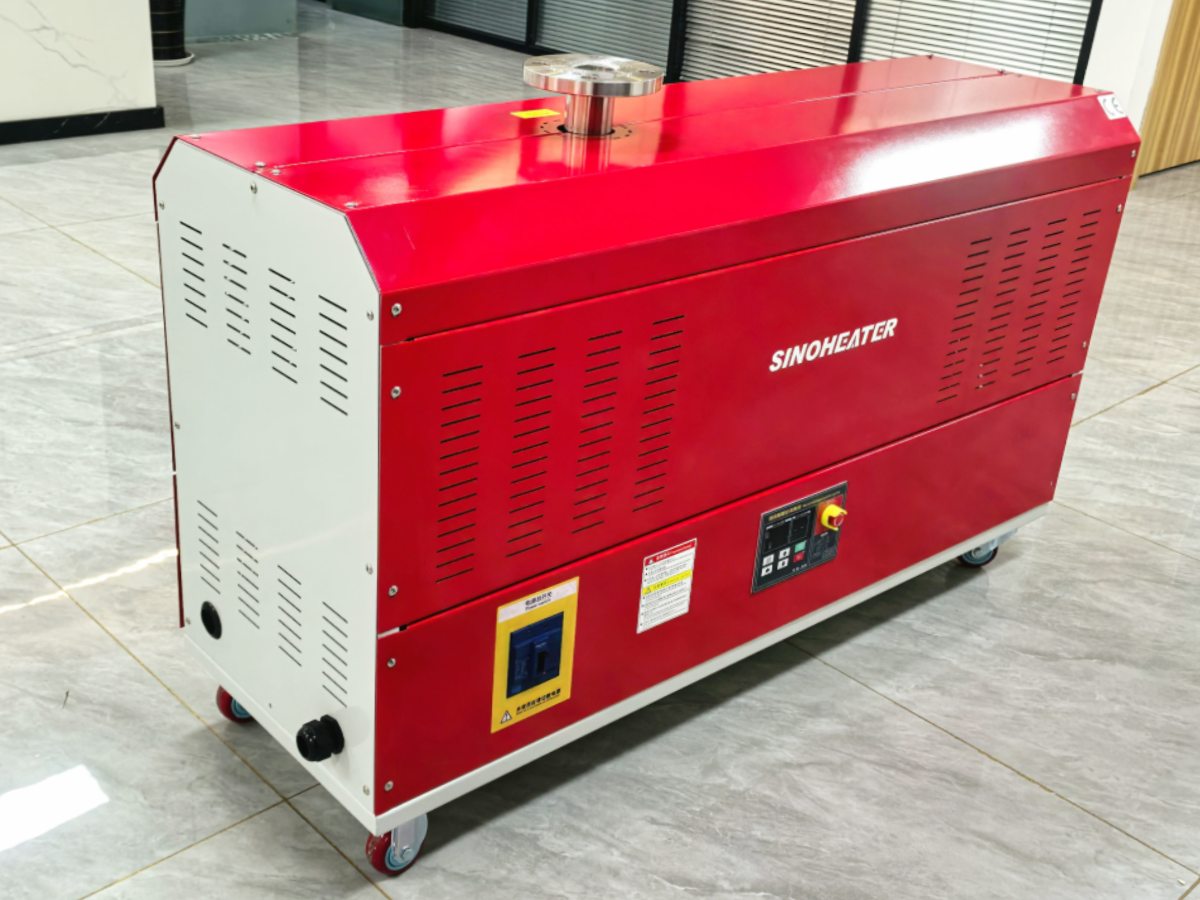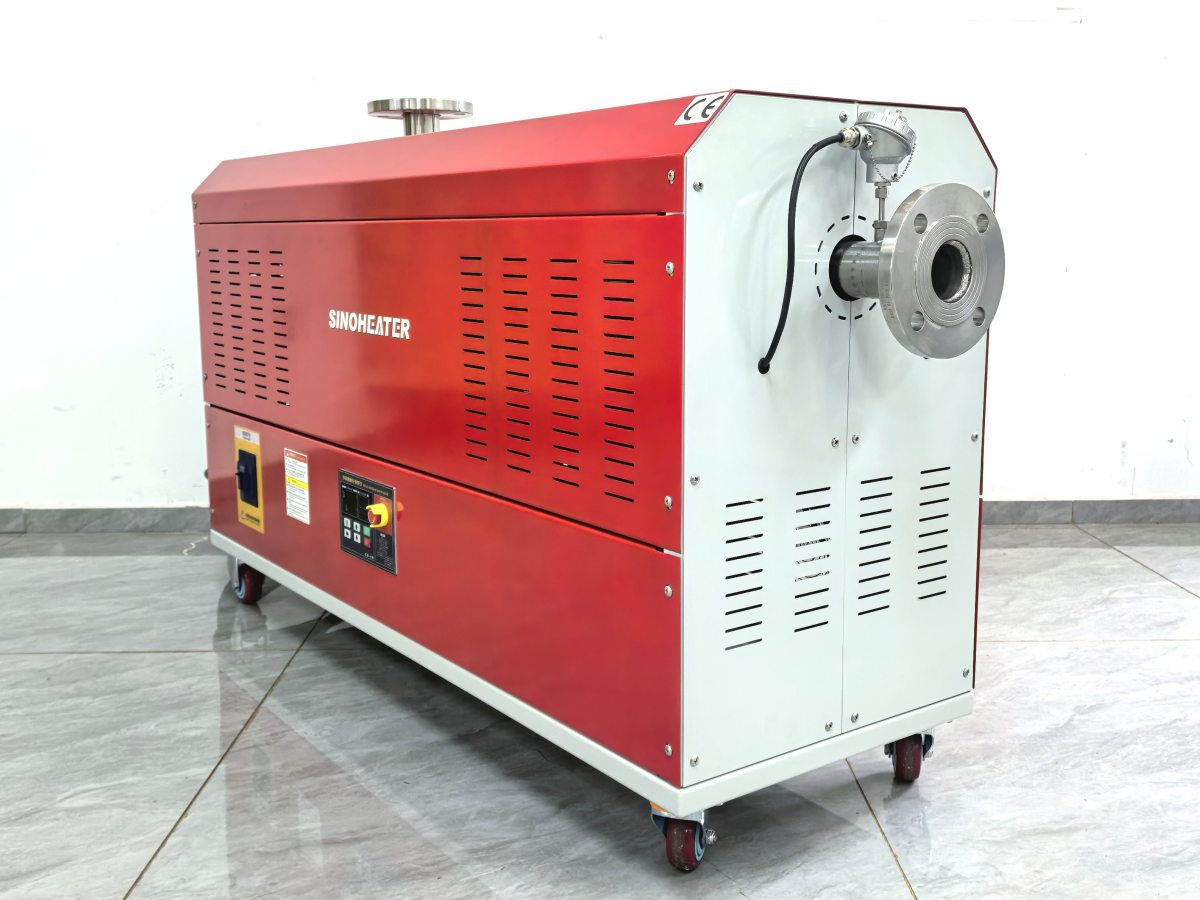
Proper pre-drying before electroplating directly impacts coating adhesion and final part quality, and hot air blower systems have become a widely adopted solution in hardware electroplating lines for this critical process stage. Unlike passive air drying that leaves inconsistent surface moisture and hidden residual water in part gaps, targeted hot air treatment prepares hardware surfaces to receive subsequent plating layers with far more uniform results.
Temperature and air flow alignment with hardware part geometry
Every hardware component carries unique surface features, from threaded holes and stamped recesses to welded seams and polished flat areas, so one-size-fits-all air patterns rarely deliver full pre-drying coverage. Operators map the full surface profile of each part family before running formal production, marking every low-ventilation zone that tends to trap cleaning solution after pre-treatment rinsing. Hot air output is adjusted to match these specific zones, angling air streams to blow directly into recesses instead of only flowing across outer exposed surfaces.
The working temperature range is calibrated to sit well below the threshold that would alter base material properties or leave unintended thermal marks, while still delivering enough heat to lift thin water films away from metal surfaces. Air flow speed is tuned to avoid displacing fine surface activation layers that were applied in earlier process steps, ensuring the part remains chemically ready for the plating bath immediately after pre-drying completes.
Process integration points across the electroplating line
Hot air pre-drying stations are placed at carefully selected transition points rather than being clustered in a single isolated section of the line. The first application runs right after the final alkaline cleaning rinse, removing all standing water before parts move into acid activation, so no diluted cleaning residue carries over to contaminate the next bath. A second targeted pre-drying stage sits after the activation rinse, eliminating residual moisture that would otherwise lower plating solution concentration when parts enter the tank.
For parts that go through multiple sequential plating layers, short burst hot air treatments are added between intermediate rinses to prevent cross-contamination of different metal solutions. Each station is synchronized with line conveyor speed, so dwell time under hot air stays consistent even when line throughput is adjusted for different batch sizes. This distributed layout also reduces the total footprint required for pre-drying work, fitting easily into existing line clearances without major reconfiguration of surrounding equipment.
Common operational adjustments for consistent pre-drying results
Even a well-calibrated setup needs small regular tweaks to maintain performance across long production runs. Operators check air outlet paths at the start of each shift, clearing any accumulated lint or metal fines that could block uniform air distribution across the part surface. They also monitor ambient workshop humidity levels on high-moisture days, extending targeted hot air dwell time slightly to compensate for slower natural evaporation in the surrounding environment.
For high-volume batches of small hardware parts arranged on dense plating racks, air nozzle positions are adjusted between rack layers to make sure inner parts receive the same hot air coverage as those on the outer edges. No sudden spikes in heat output are applied when new batches first enter the station, as rapid uneven heating can create temporary surface thermal gradients that interfere with subsequent plating uniformity. These small, routine adjustments keep pre-drying performance stable batch after batch, reducing the rate of rejected parts caused by trapped moisture before plating ever begins.