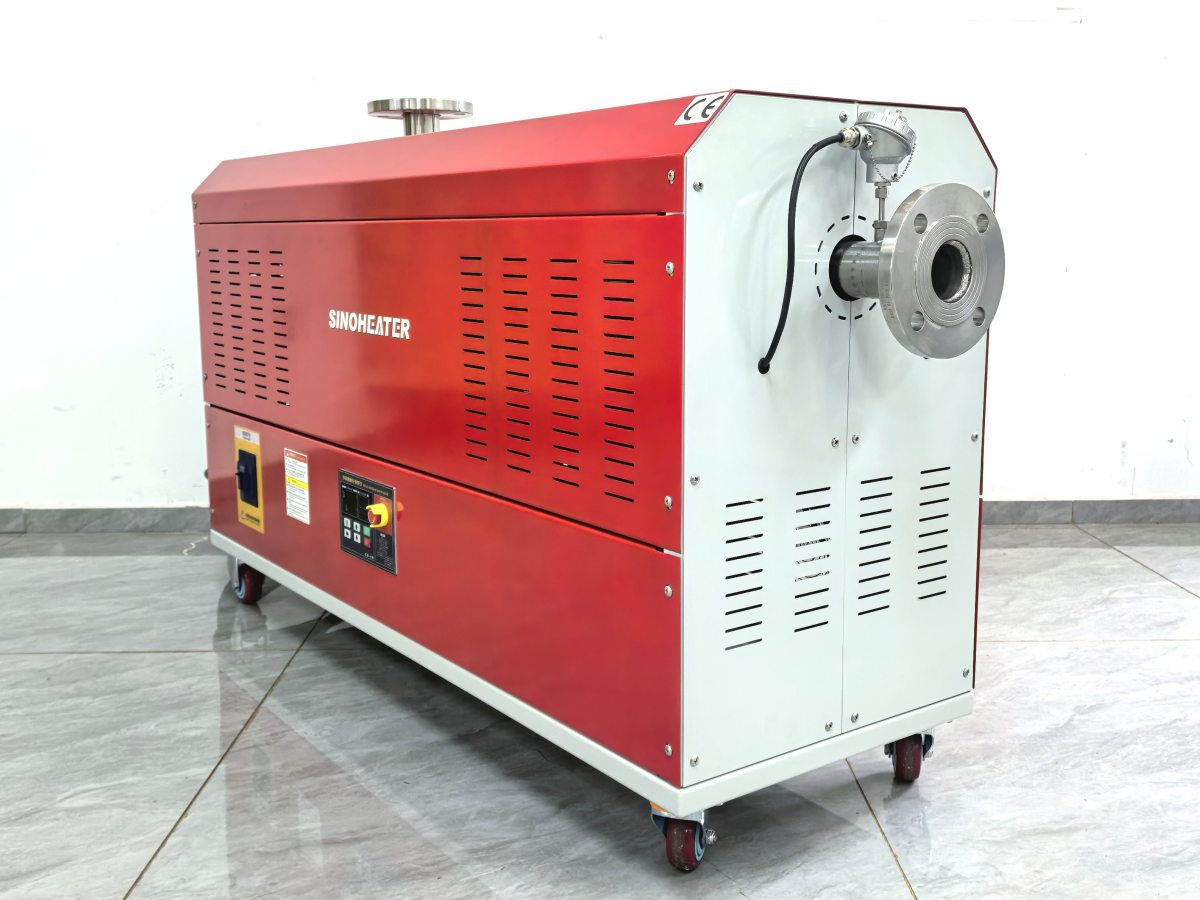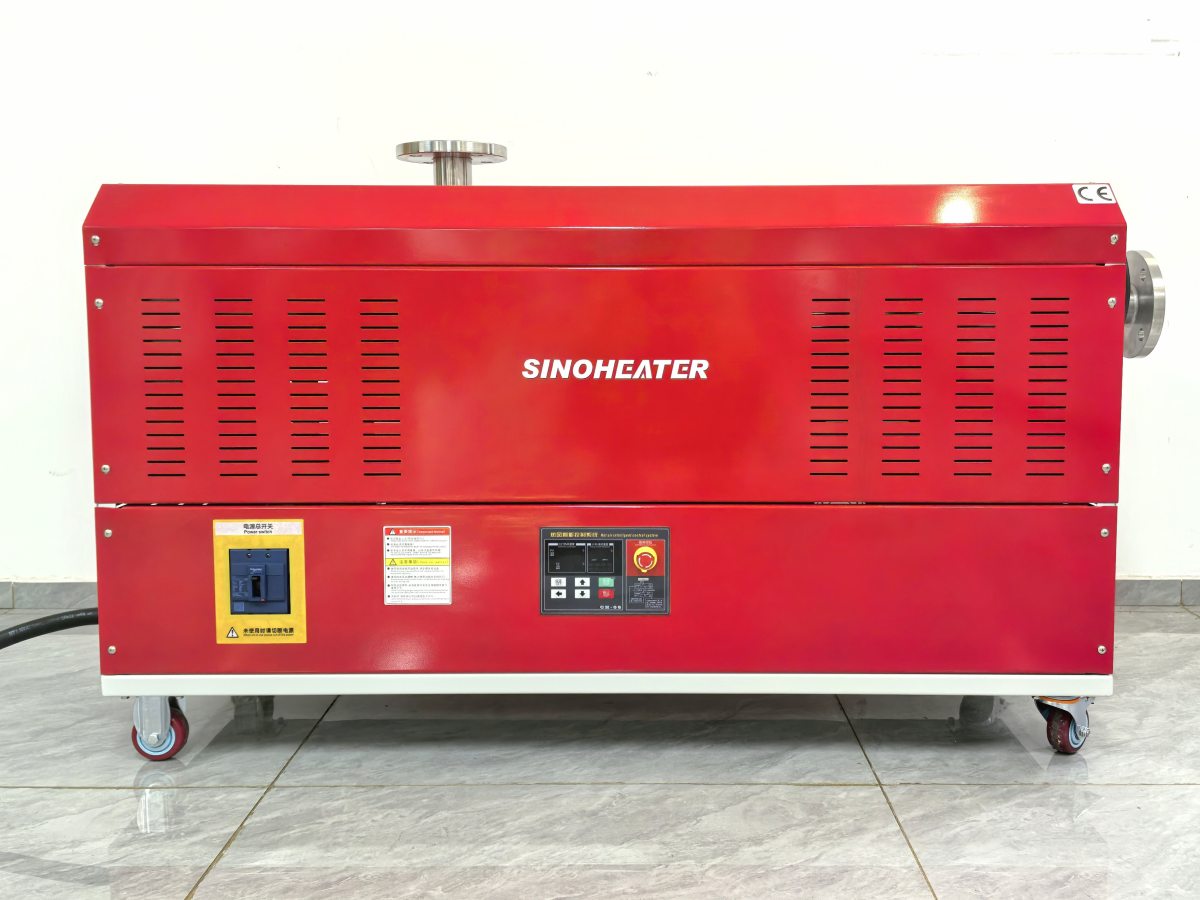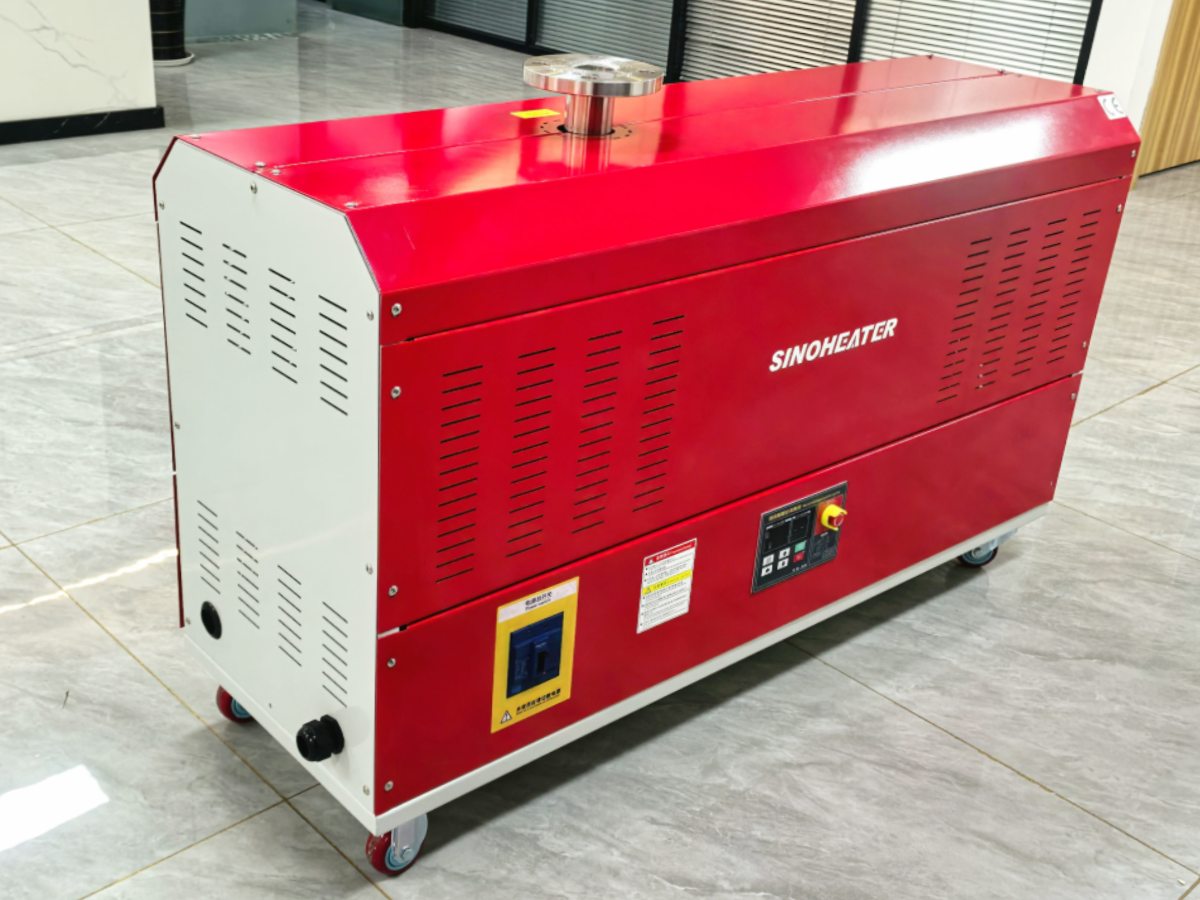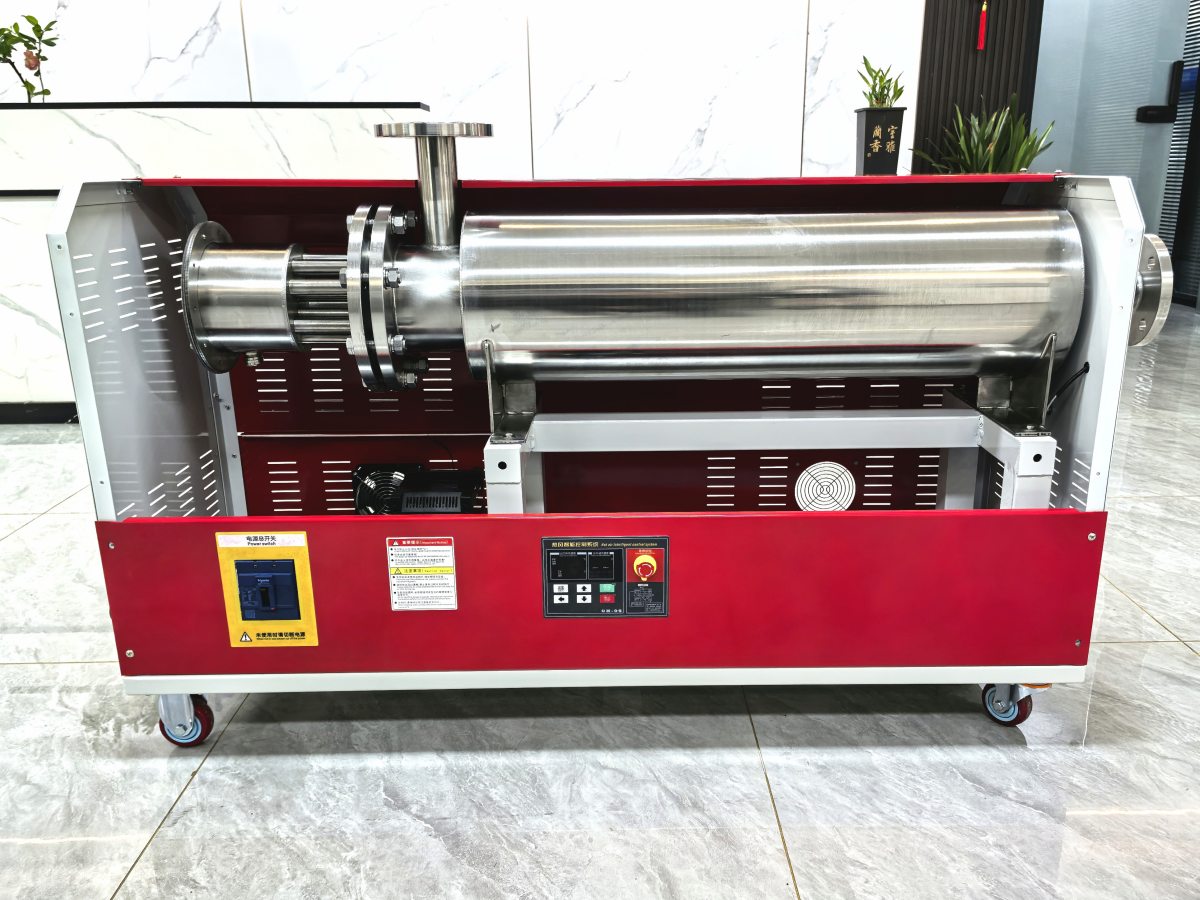
Handmade candle demoulding relies on precise, even heat to gently release solidified wax from mold surfaces without cracking the finished candle, leaving behind uneven edges, or damaging the delicate mold structure. A hot air blower delivers targeted, adjustable heat that lets makers control the warming process far more accurately than passive room heating or inconsistent ambient temperature adjustments. This makes it a highly practical tool for demoulding all types of handmade candles, from detailed sculpted designs to smooth pillar styles, as long as users follow structured, process-focused precautions tailored to the unique properties of wax and mold materials.
Controlled Surface Warming to Break Wax-Mold Adhesion
The core function of hot air blower heating for candle demoulding is delivering localized, uniform heat to the thin boundary layer where solidified wax makes direct contact with the inner mold surface. This targeted warming raises the temperature of that outer wax layer just high enough to soften it slightly, breaking the subtle adhesive bond that forms between wax and mold material during cooling, without melting the entire candle structure. Makers move the airflow in slow, consistent circular motions across the entire exterior mold surface, ensuring no single spot receives concentrated heat long enough to create a localized melted indentation on the finished candle. This controlled approach eliminates the most common handmade demoulding failure, where uneven heating creates a partially melted candle surface that sticks, tears, or loses its carefully crafted shape during removal.
Temperature Gradient Management to Avoid Candle Cracking
Rapid, uneven temperature shifts across the solidified wax structure create internal stress that can cause the finished candle to crack along fine invisible lines the moment gentle demoulding pressure is applied. Hot air blower work is structured to raise the entire mold’s temperature gradually, bringing the bulk of the wax mass up to a consistent, slightly flexible temperature before any demoulding attempt begins. Makers avoid blasting high temperature air directly onto a single cold section of wax, and instead distribute heat evenly across the full mold exterior to ensure the entire candle warms at the same slow, steady rate. This careful gradient control preserves the full structural integrity of even highly detailed, intricately shaped handmade candles that would easily crack under faster, more aggressive heating methods.
Mold Material Compatibility and Uniform Heat Distribution
Different handmade candle mold materials respond very differently to concentrated hot air exposure, and improper heating can cause permanent warping, surface disfigurement or shortened mold lifespan over repeated demoulding cycles. Hot air blower workflows are adjusted to match the specific mold material, adjusting working distance and airflow speed to spread heat evenly across the entire mold surface, rather than focusing heat on one small area. For flexible, thin-walled molds, the airflow is kept moving constantly to avoid localized softening that would deform the mold, while for rigid, thick molds, slightly extended heating time ensures heat penetrates all the way through to the inner wax contact surface. This material-aligned heating approach protects the long-term reusability of molds, while still delivering all the heat needed for clean, damage-free demoulding.
Edge and Detail Targeted Heating for Intricate Candle Designs
Highly detailed handmade candles with deep embossed patterns, sharp geometric edges or complex embedded decorative elements often develop extra strong adhesion points in small, tight crevices that are hard to warm with general ambient heating. A hot air blower lets makers direct a narrow, controlled stream of warm air exactly to these high-adhesion detail spots, softening the trapped wax in narrow gaps without overheating the rest of the candle structure. This targeted detail heating ensures even the most complex sculpted candles release smoothly, with no broken fine details, chipped edges or torn decorative sections that would ruin hours of careful handmade work. Makers can adjust airflow direction in real time as they work, addressing individual stubborn adhesion points one by one without disturbing the rest of the candle.
Post-Heating Rest Period Before Demoulding
After completing the full hot air blower heating pass across the entire mold surface, makers introduce a short, controlled rest period before attempting to pull the candle free. This pause lets the heat distribute evenly through the full wax mass, ensuring the softened boundary layer reaches every contact point between wax and mold, rather than staying only on the surface. Rushing demoulding immediately after heating often leads to partial release, where one section of the candle pulls free while another still firmly sticks, creating uneven pressure that tears the wax or breaks fine details. This short waiting step ensures the entire candle is in the ideal flexible state for demoulding, leading to far higher consistent success rates for even the most challenging handmade candle projects.