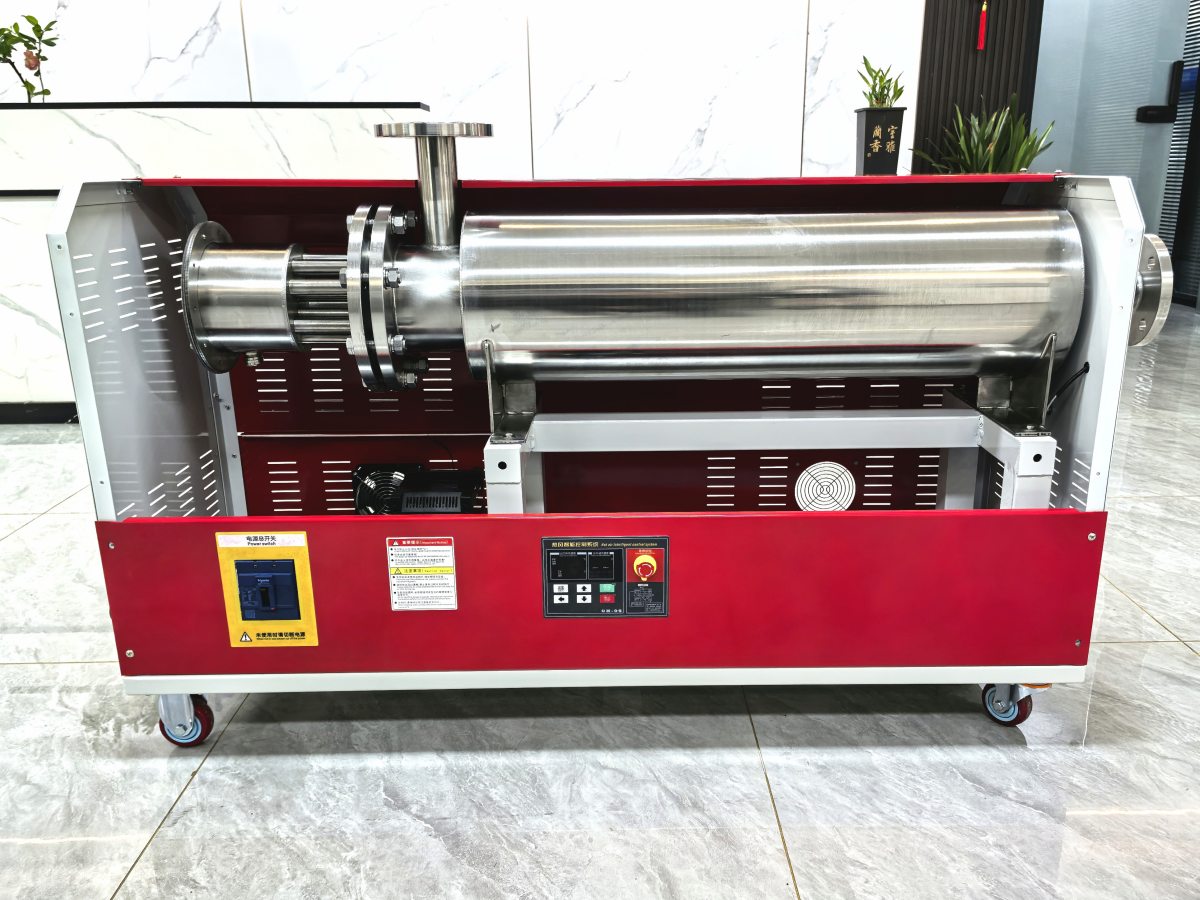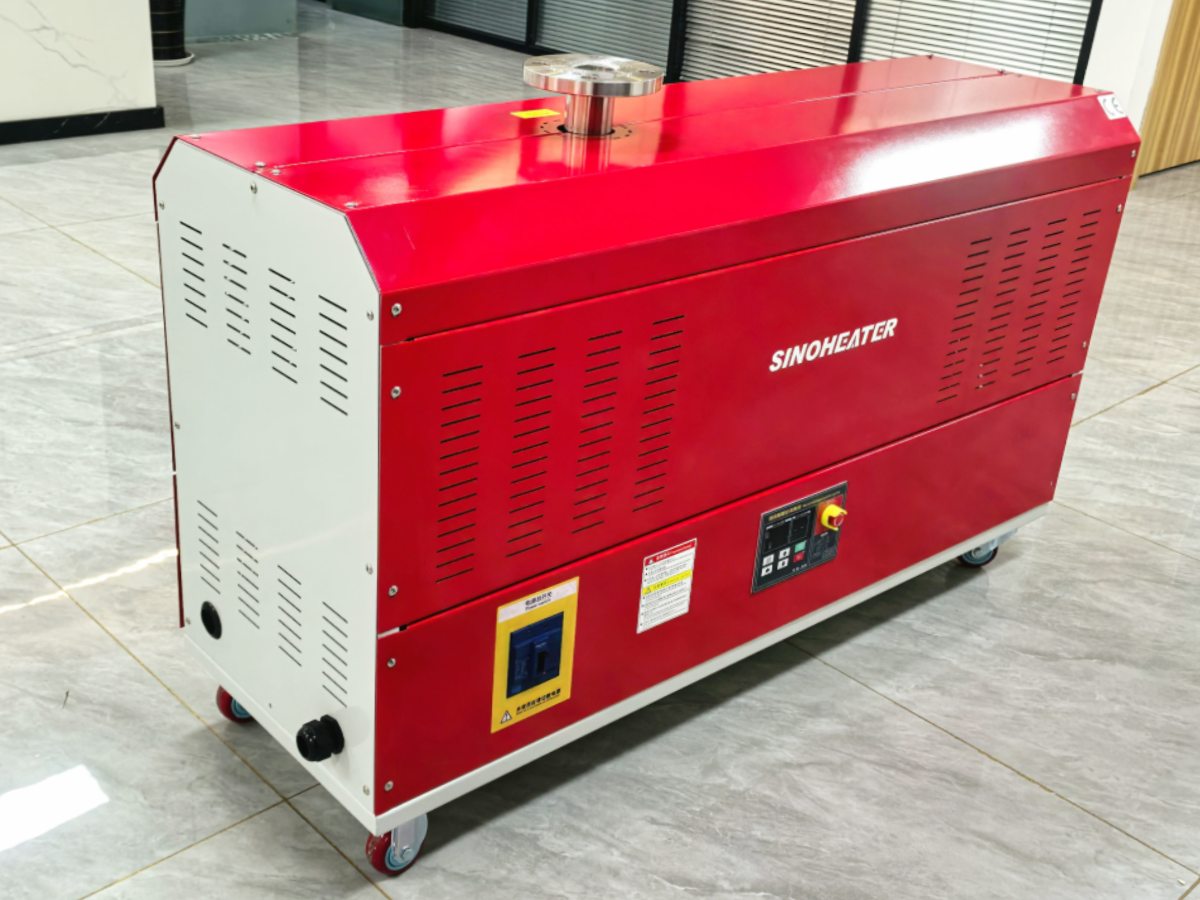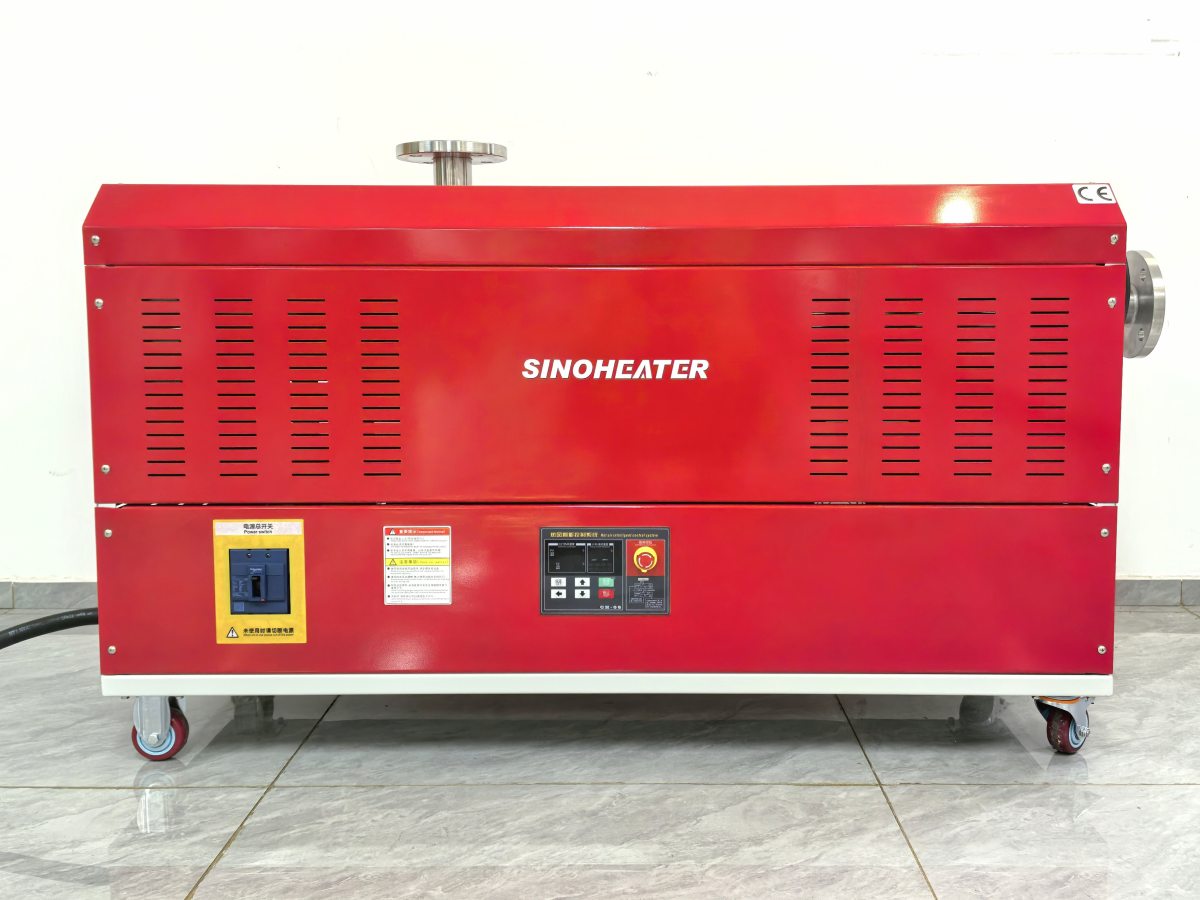
Damp shoes trapped inside a closed, poorly ventilated shoe cabinet create far more than just an unpleasant stale odor, they create the perfect dark, humid environment for mold growth, material degradation, and persistent musty smells that spread to every other pair of footwear stored nearby. Traditional air drying methods often take 12 hours or longer, and many people are forced to put on still-damp shoes the next morning, which creates discomfort and long-term wear issues for the footwear. Using a hot air blower to deliver targeted, controlled airflow inside the shoe cabinet and directly into damp shoes turns this slow, frustrating process into a fast, reliable routine that can fully dry even the wettest pairs in a fraction of the time, while also eliminating excess trapped moisture from the cabinet itself to stop mold growth before it starts.
Safe Hot Air Blower Setup for Shoe Cabinet Drying
Setting up the hot air blower correctly is the first step to avoid accidental overheating, uneven drying, or unnecessary damage to shoe materials and cabinet surfaces. You never want to point the blower directly at a single spot on the cabinet wall or leave it running at maximum heat for hours on end, as prolonged concentrated high temperatures can warp wooden or synthetic cabinet panels and damage delicate shoe materials.
Proper Airflow Inlet Positioning
The most effective setup places the hot air blower outside the slightly ajar cabinet door, directing a steady stream of warm, not excessively hot, airflow into the lower section of the cabinet. Since warm air naturally rises, this positioning lets the heated air circulate upward through every shelf, around every pair of shoes, and carry trapped moist air out through the small gap at the top of the door. This creates a gentle, continuous air exchange that prevents moist air from being recirculated and trapped inside the closed cabinet, which would slow down drying and leave faint condensation on inner surfaces.
Pre-Drying Cabinet Prep Work
Before you turn on the blower, pull all pairs of damp shoes slightly apart on their respective shelves, and make sure no two shoes are pressed tightly together with zero airflow gap between them. Loosen any tightly tied laces, pull open the tongues of closed footwear, and slightly unzip any side zippers, to expose the inner linings that hold 90 percent of the trapped moisture. This small extra step lets the warm air reach every hidden damp surface inside the shoes, cutting total drying time almost in half compared to leaving shoes packed tightly in their normal stored position.
Step-by-Step Drying Workflow for Different Shoe Types
Different footwear materials respond very differently to hot air exposure, and a one-size-fits-all heat setting can easily cause permanent shrinkage, cracking, or delamination that ruins a perfectly good pair of shoes. Adjusting the blower’s heat level and distance based on the material of the damp footwear ensures you get full fast drying without any accidental damage.
Drying Thick, Water-Resistant Outdoor Footwear
For fully soaked work boots, hiking shoes, or winter footwear that has been exposed to heavy rain or melting snow, start with a medium heat setting and run the blower for 15 minute cycles, pausing briefly between each cycle to feel the outer surface of the shoes and check that no spot is becoming excessively hot. Direct a portion of the airflow directly into the open top of each shoe, to push warm air deep into the toe box where most trapped water collects and takes the longest to evaporate. This approach will fully dry even the wettest thick-soled pairs in under two hours, far faster than leaving them out to air dry at room temperature.
Drying Delicate Leather and Casual Footwear
For thin leather dress shoes, soft fabric sneakers, or suede footwear, use a much lower heat setting and keep the blower at least 30 centimeters away from the shoe surface at all times. Never direct concentrated hot air at a single small spot on leather or suede, because this will pull natural oils out of the material, create permanent cracks, or cause the material to shrink unevenly. Slow, gentle moving warm air will still dry these delicate pairs quickly, without creating the brittleness, discoloration, or warping that often happens when people try to rush the drying process with too much direct heat.
Post-Drying Steps to Eliminate Residual Cabinet Dampness
Once all the shoes are fully dry, the hot air blower still has a critical role to play in removing the residual trapped moisture that has soaked into the inner walls, shelf surfaces, and bottom corners of the shoe cabinet. Even after every pair of shoes is completely dry, this hidden residual dampness will slowly evaporate back into the enclosed air the moment you close the cabinet door, leaving your next pair of stored shoes feeling slightly damp and musty the next time you take them out.
Full Cabinet Air Circulation Cycle
After you remove all the dry shoes from the cabinet, leave the blower running on cool or very low heat for an extra 10 to 15 minutes, with the cabinet door propped almost fully open. Run the airflow across every inner shelf surface, the bottom tray, and the back wall of the cabinet, to evaporate all hidden condensed moisture that has collected in areas that never get exposed to regular room air circulation. This step removes the hidden source of recurring cabinet dampness, rather than just drying the symptoms one pair of shoes at a time.
Long-Term Moisture Prevention Routine
Make this blower drying process a quick 20 minute routine once every one or two weeks, even on days when you do not have any obviously wet shoes to dry. This regular gentle airflow cycle prevents moisture from building up gradually in the first place, stops mold spores from taking hold on inner cabinet surfaces, and keeps every pair of stored shoes smelling fresh and completely dry, even during long stretches of rainy, humid weather. This simple consistent maintenance eliminates the persistent musty shoe cabinet odor that most people assume is impossible to fully get rid of, without needing to rely on disposable chemical dehumidifier products.