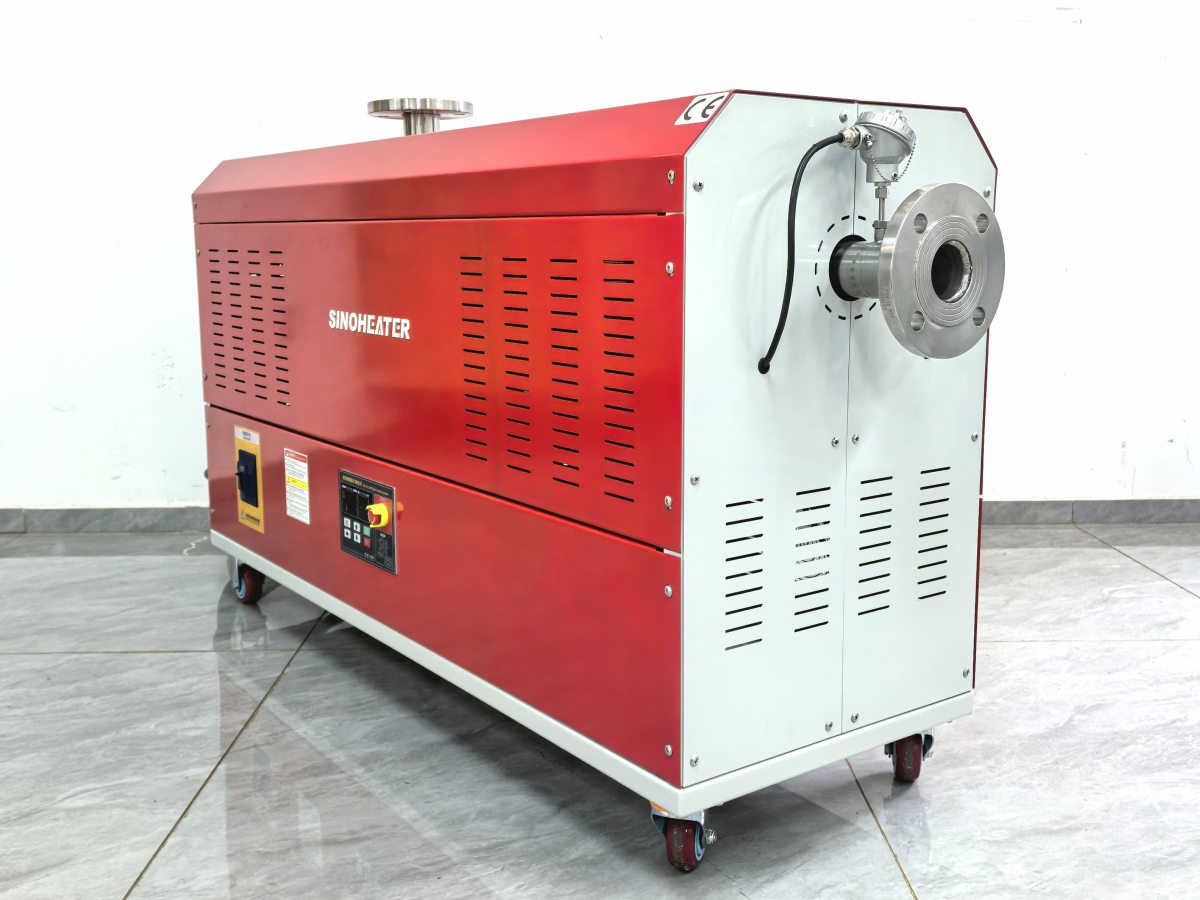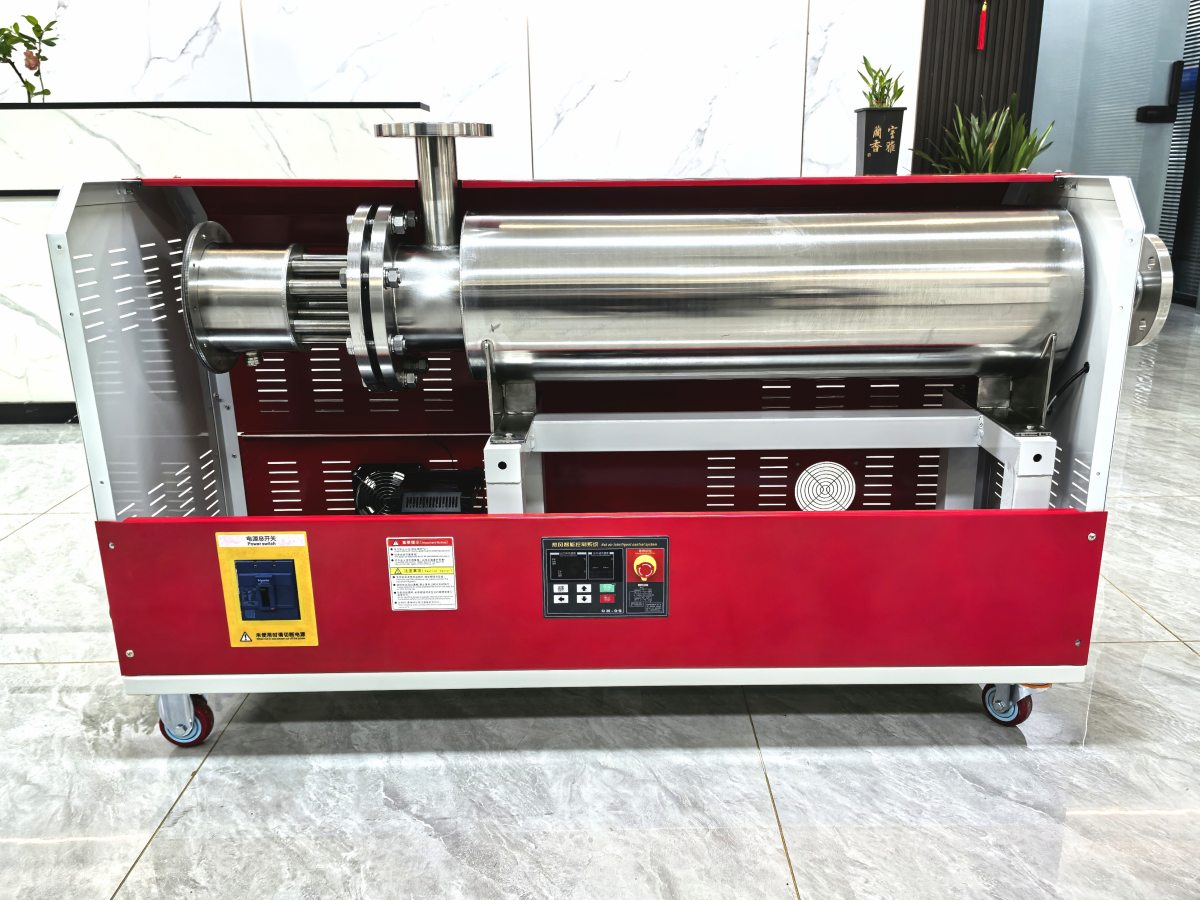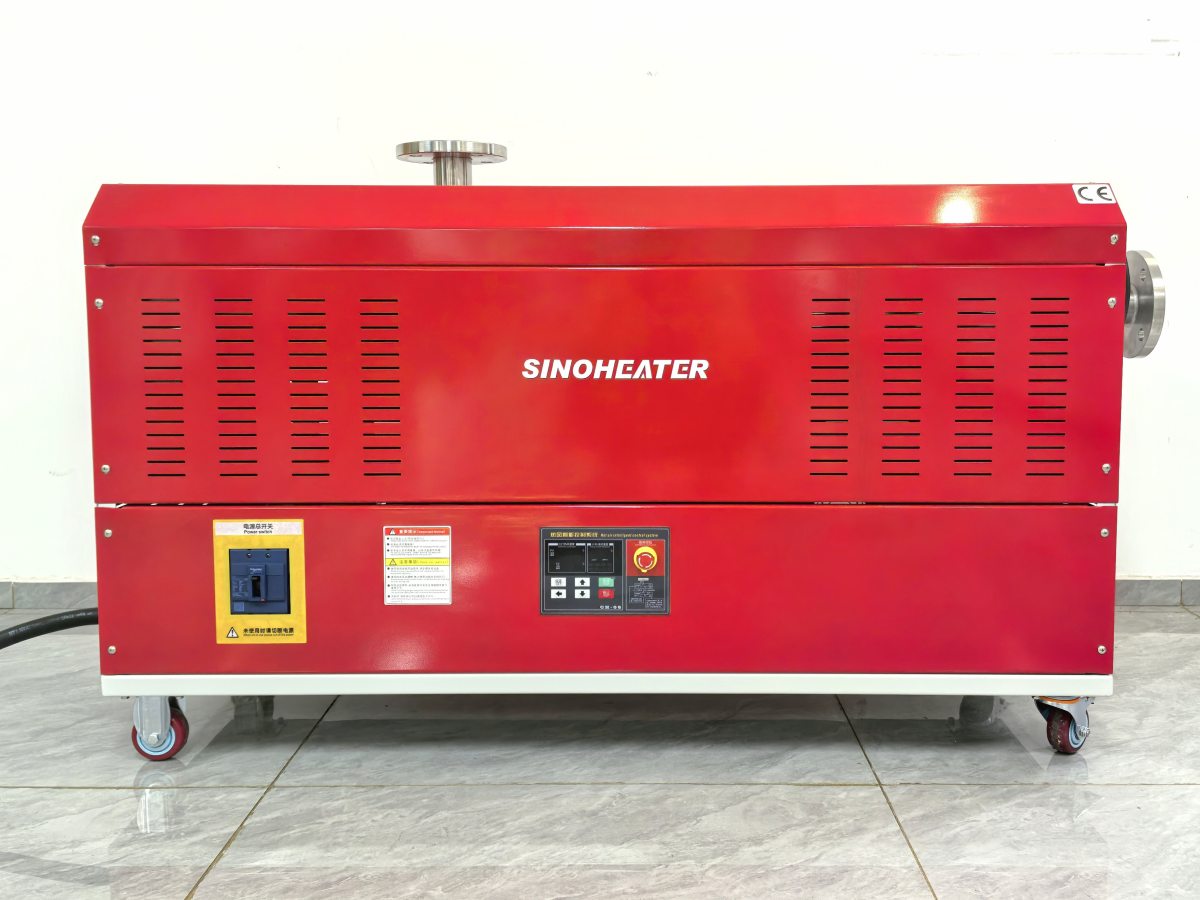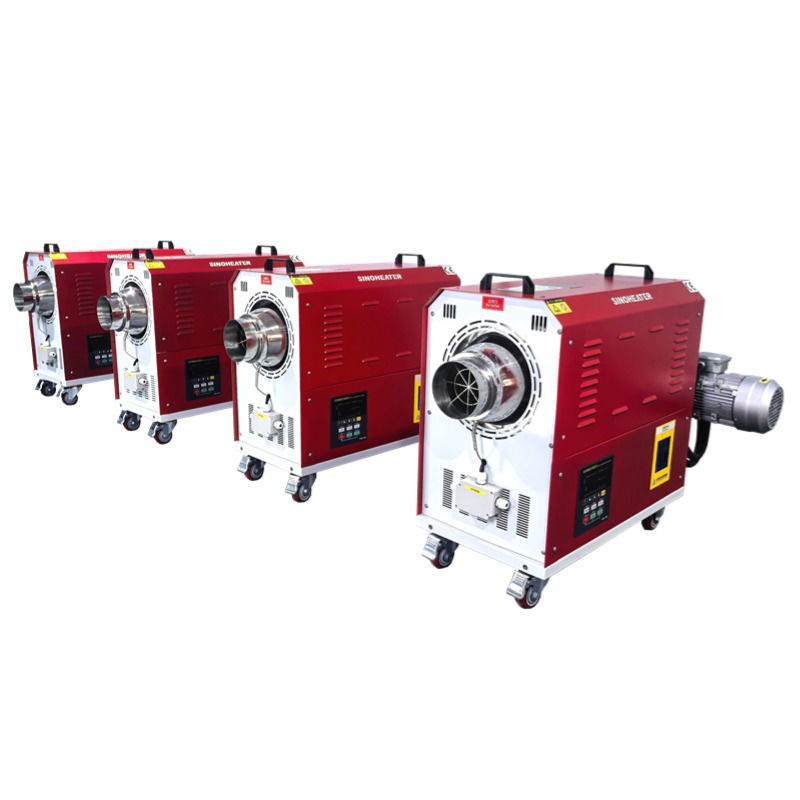
Regular replacement of aging heating elements is one of the most overlooked yet critical maintenance tasks for any hot air blower system that runs for extended hours in workshops, industrial spaces, or commercial drying setups. Many operators only notice issues when the unit stops producing enough heat or starts making strange humming noises, but waiting for that point can lead to far more costly problems down the line.
Why aging heating elements put your whole system at hidden risk
Over months and years of consistent thermal cycling, the metal coils inside your hot air blower expand and contract thousands of times, creating tiny micro-fractures that slowly spread across the surface. These small cracks do not show up on basic visual checks most of the time, but they start to disrupt the even flow of heat across the element, leading to uneven air output that can ruin delicate drying processes or force the entire unit to work far harder than its original design intended. As the degradation moves further along, the brittle old material can even start to shed small metal particles that get pulled into the blower’s air stream, building up on internal fan blades and motor components that were never meant to carry that extra debris load.
Clear, easy-to-spot signs that your heating elements are ready for a scheduled swap
You do not need specialized diagnostic tools to catch the early warnings that a replacement is due. One of the first common signs is that your hot air blower takes 2 to 3 times longer to reach its target operating temperature than it did when it was first installed, even when the thermostat is set to the exact same level you have always used. You might also notice faint, unusual burning smells that do not line up with normal dust buildup on the unit, or small patches of discoloration across the surface of the heating element that look darker or more warped than the rest of the coil. If you run your hand a safe distance from the air outlet and feel inconsistent hot spots mixed with sudden bursts of cooler air, that is a very clear signal that the old element can no longer maintain uniform heat distribution across its full length.
Best practices to time your replacements without unnecessary downtime
You do not have to wait for a full system failure to plan this simple maintenance step. Start by logging the total runtime of your hot air blower in a simple notebook or digital log, so you can track exactly how many hours the heating element has been in active use, instead of guessing based on calendar dates alone. For units that run 8 hours a day on workdays, setting a recurring check every 3 months to inspect the element for warping, cracking, or discoloration will help you spot degradation long before it causes a problem. Schedule the actual replacement during a slow shift or a planned break in your workflow, so you never have to pause a critical job halfway through because a completely failed heating element left you with no working hot air supply. When you perform the swap, take a few extra minutes to wipe away all accumulated dust from the surrounding internal components, so the new heating element can run at maximum efficiency from the very first time you turn the unit on.