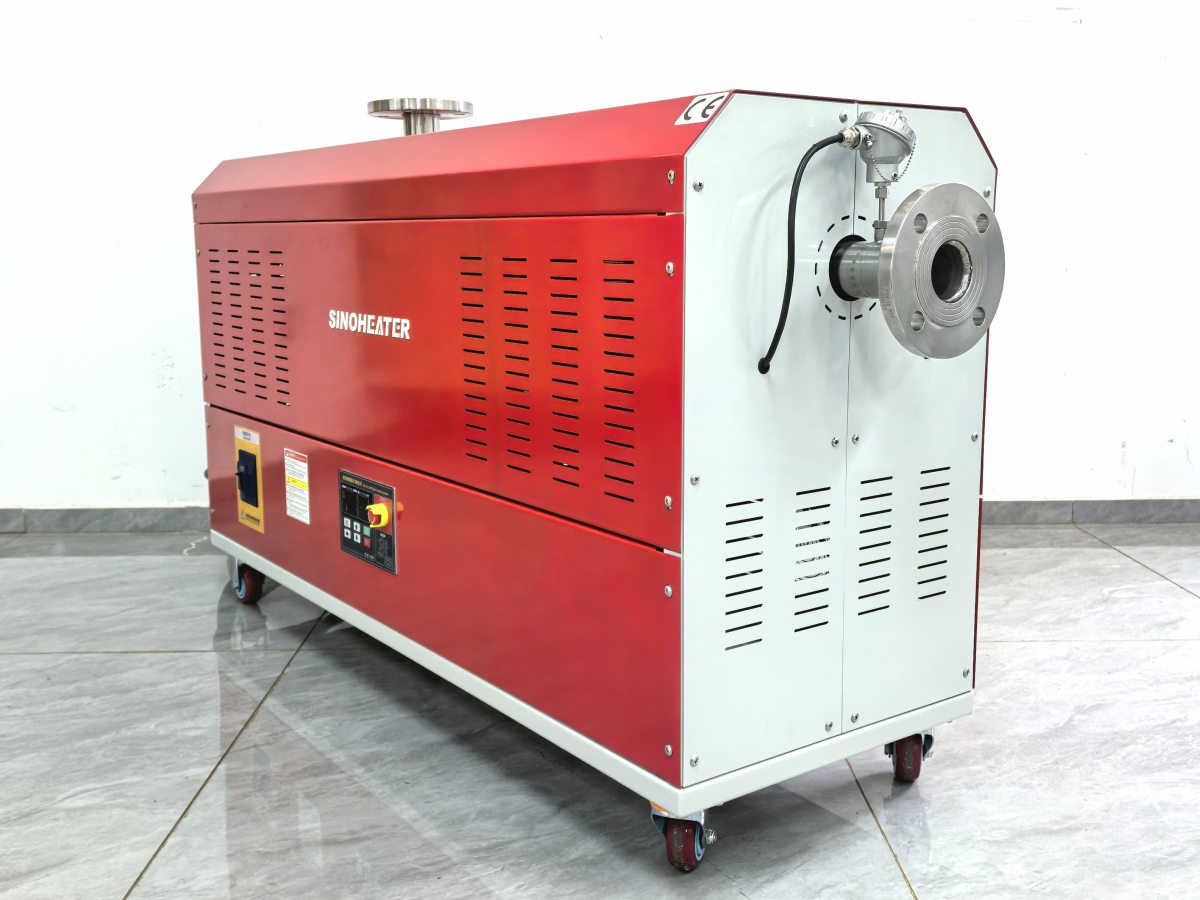
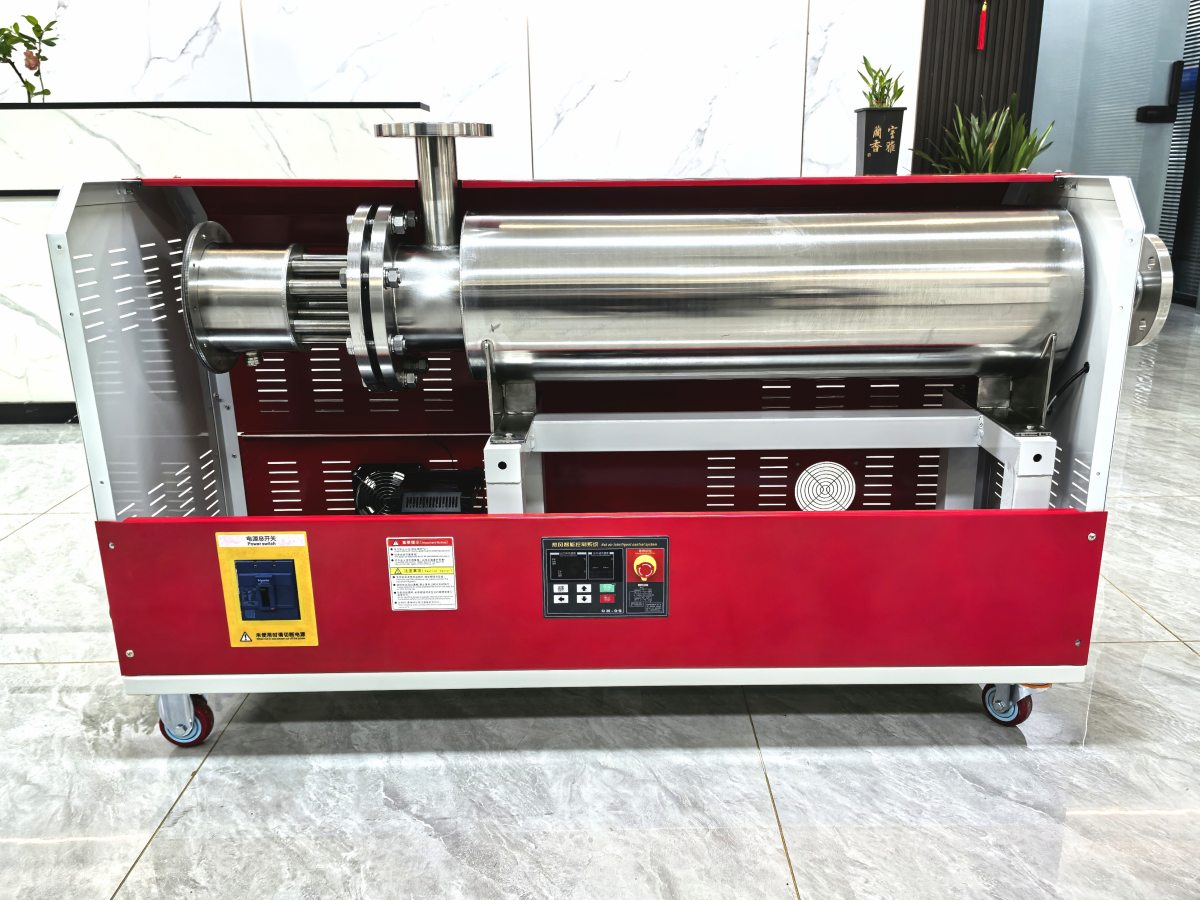
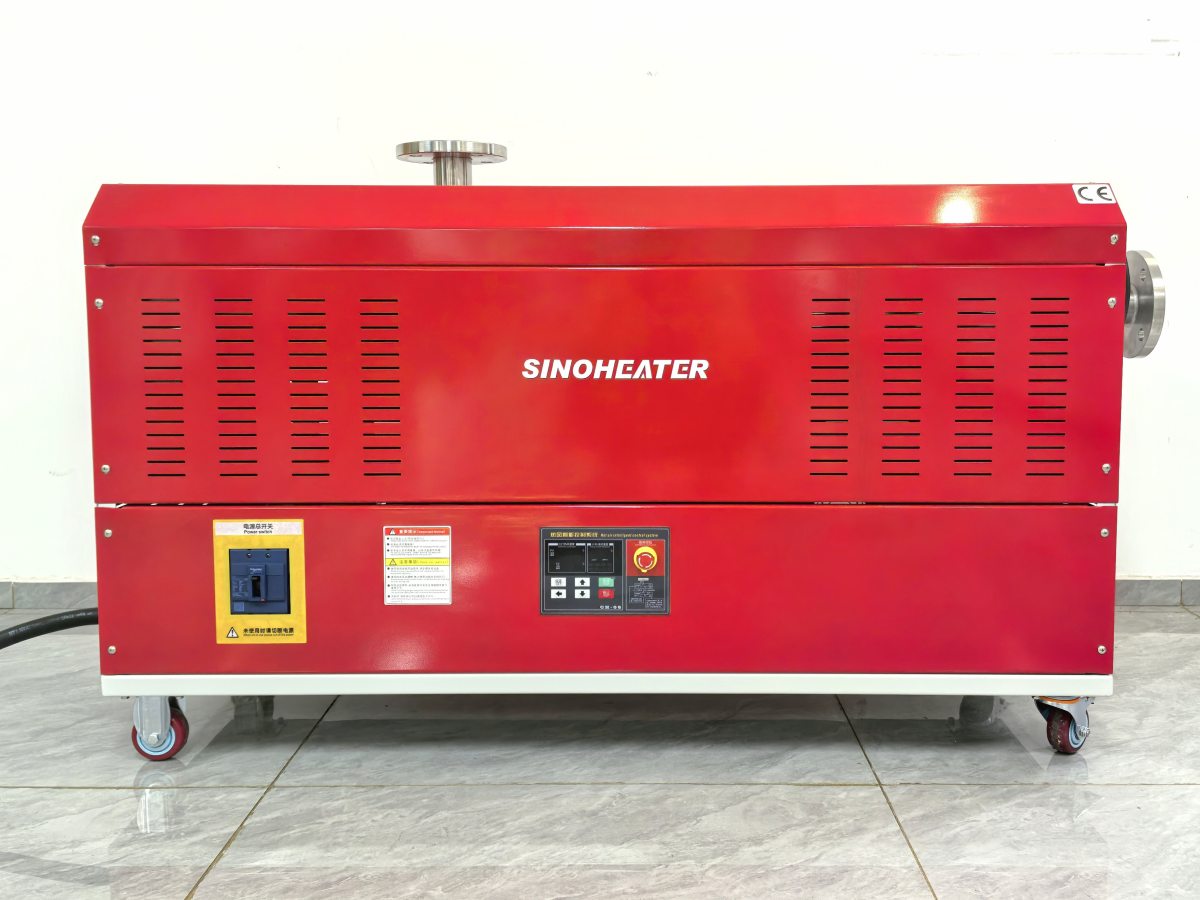
Processing a double layer heat insulation shell for a hot air blower requires strict control over material performance, structural precision and assembly details, to ensure stable heat insulation effect and long-term structural reliability under continuous high temperature working conditions. Every processing step is aligned with practical industrial operation demands, avoiding common defects like uneven heat insulation, structural deformation or unexpected heat leakage.
Inner Shell High Temperature Resistant Forming Process
The inner layer of the shell is processed through one-piece stamping and high temperature shaping, eliminating unnecessary welding seams that may become weak points under repeated thermal cycling. The material is pre-treated with a special surface oxidation process before forming, to enhance its high temperature oxidation resistance and prevent performance degradation after long hours of contact with hot airflow. The curved transition at every corner of the inner shell is designed with a large enough radius, which reduces local stress concentration and lowers the risk of deformation when the temperature rises rapidly. All the reserved mounting holes on the inner shell are processed with secondary precision reaming, to ensure the connection gaps stay consistent and no extra stress is generated during assembly.
Intermediate Insulation Layer Filling and Solidification Treatment
The space between the inner and outer shell is filled with high-performance insulation material through a vacuum negative pressure pouring process, which completely removes all tiny air bubbles and hollow gaps inside the insulation layer. This process ensures the density of the insulation material stays uniform across the entire shell, avoiding local heat breakthrough points caused by uneven filling. After pouring, the whole assembly goes through a staged temperature solidification process, which lets the insulation material form a stable internal microstructure without generating extra internal stress. No adhesive that may release harmful volatile substances under high temperature is used in this step, and the insulation material bonds closely with both the inner and outer shell surfaces to avoid relative displacement during equipment operation.
Outer Shell Precision Molding and Gap Matching Control
The outer shell is processed with high-precision CNC machining to keep its overall flatness and roundness within a very narrow tolerance range. The connection flange between the outer shell and other parts of the hot air blower is machined with a dual-sided parallel grinding process, to ensure the assembly surface stays completely flat and no extra assembly stress is generated after tightening. The reserved clearance between the outer shell and the inner insulation layer is strictly controlled at a reasonable value, which reserves enough space for thermal expansion of the inner structure while not leaving extra air convection gaps that may reduce heat insulation performance. All the surface treatment on the outer shell uses a high temperature resistant coating that will not peel off or change color after long-term exposure to moderate heat, maintaining stable structural and appearance performance through years of daily use.