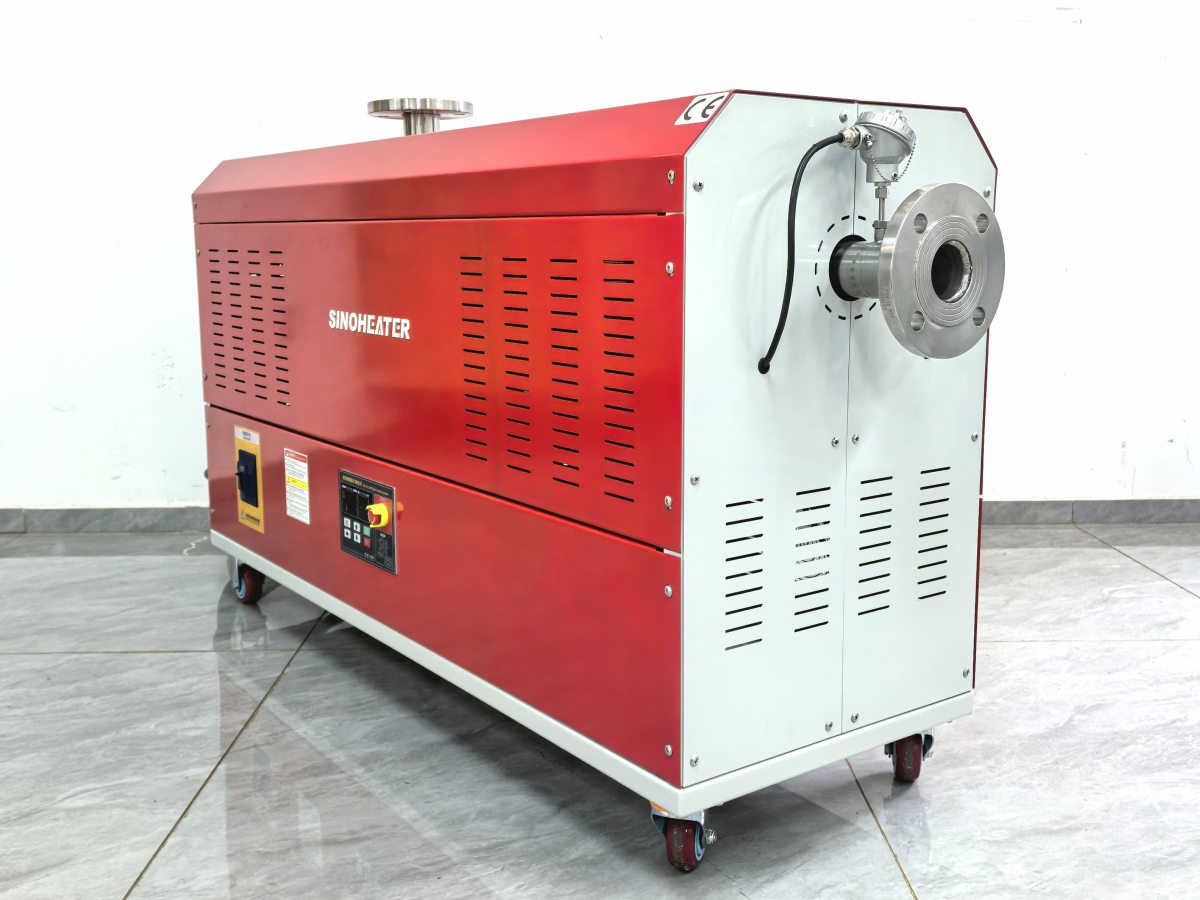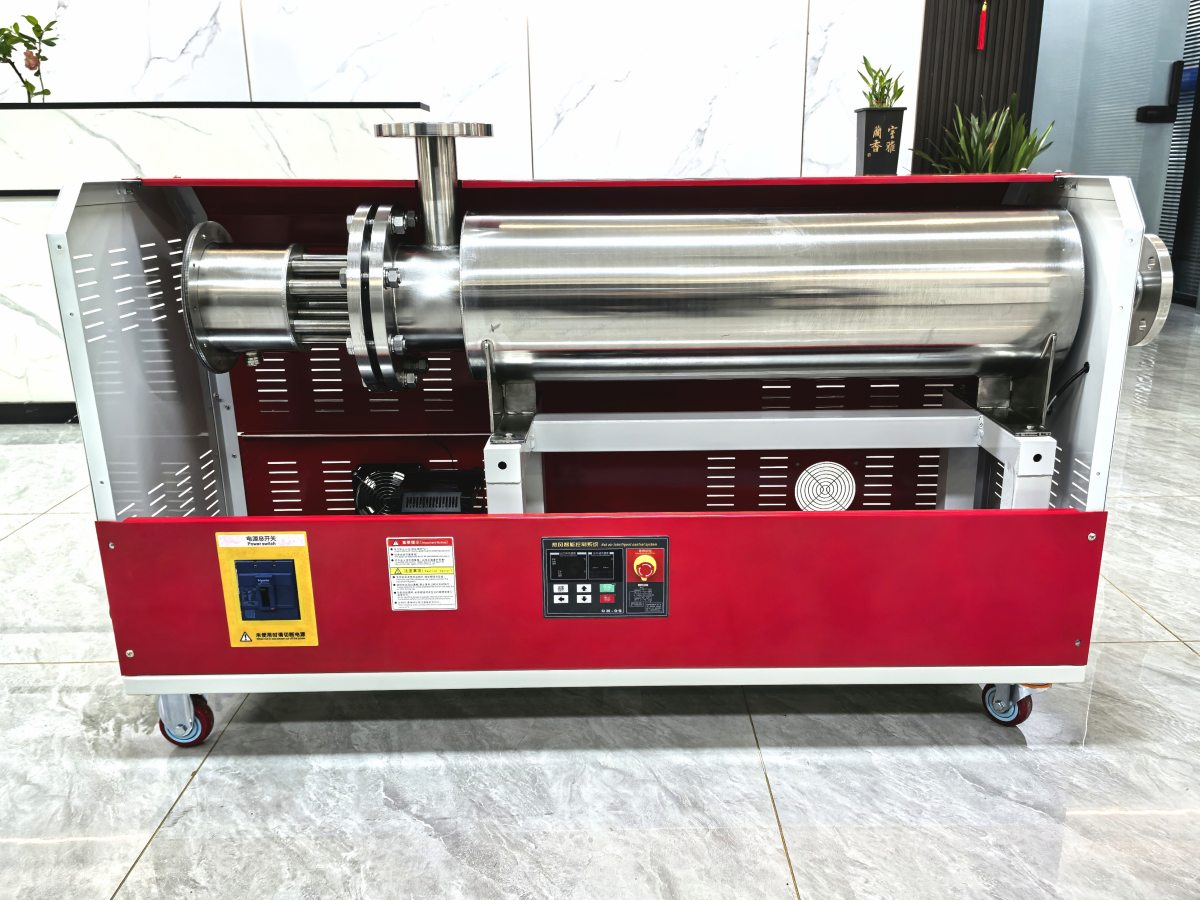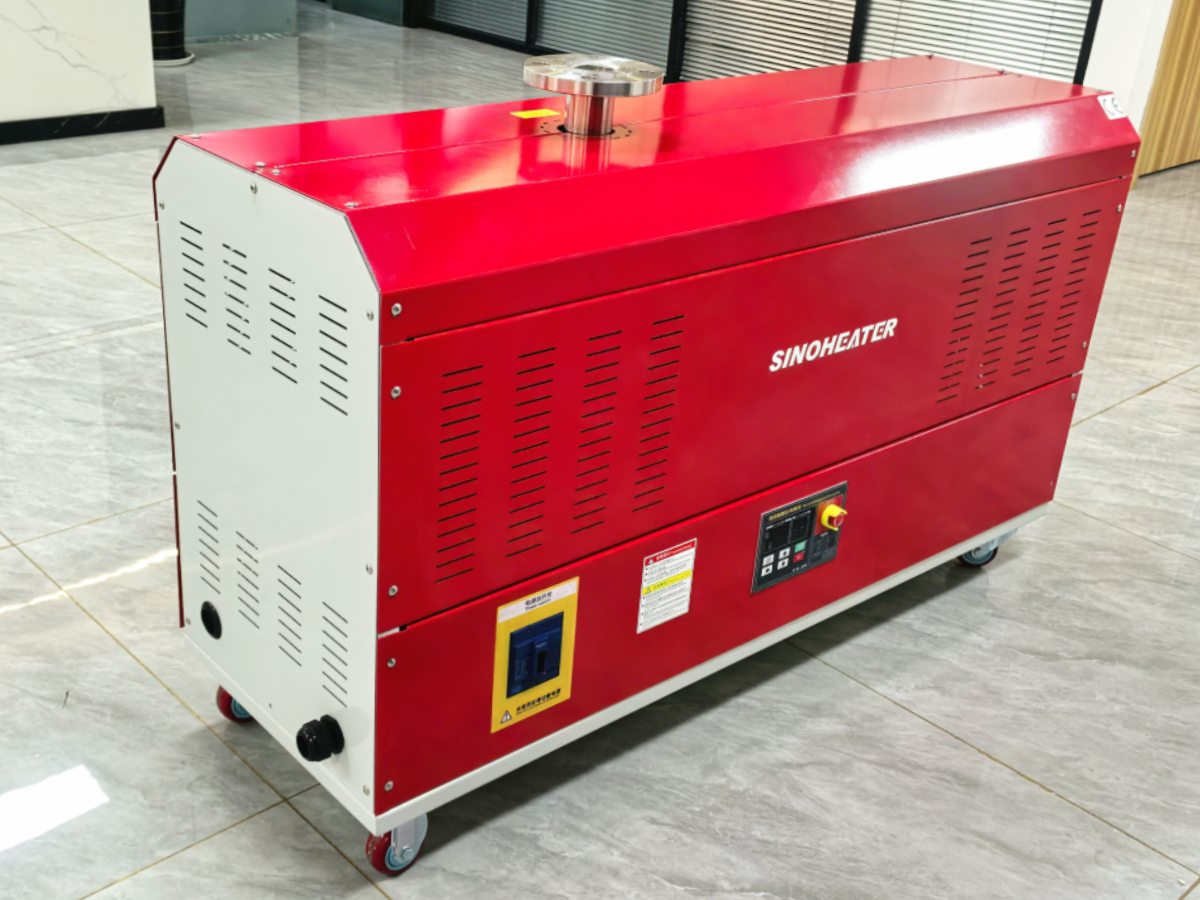
For industrial and commercial processes requiring consistent thermal delivery in cold environments, understanding the key performance indicators of a low-temperature constant output hot air blower is essential for selection, application, and maintenance. These metrics define the unit’s capability to maintain stable performance despite ambient thermal challenges, ensuring process reliability and product quality.
Core Aerodynamic and Thermal Stability Metrics
Maintained Airflow Volume at Target Temperature
The primary indicator is the unit’s ability to deliver its rated volumetric airflow (typically in Cubic Meters per Hour, m³/h, or Cubic Feet per Minute, CFM) when the intake air is at the specified low ambient temperature. Performance sheets should specify this as “Airflow at [e.g., -10°C] Intake.” A significant drop in airflow compared to standard 20°C conditions indicates potential issues with fan motor performance or increased air density affecting system backpressure. True constant output models will use motor speed compensation or inlet air pre-conditioning to minimize this variance.
Stabilized Outlet Temperature and Thermal Uniformity
The most critical thermal indicator is the stability of the outlet air temperature under cold intake conditions. Data should show the temperature consistency over time, often expressed as a deviation (e.g., ±3°C) from the setpoint. Furthermore, the temperature profile across the air stream—measured at the nozzle exit—should remain uniform. A widening temperature differential or “hot spots” at low ambient temperatures can signal inadequate heating element design or insufficient airflow mixing, which is detrimental to processes like shrink-wrapping or paint curing.
Heating Element Response and Recovery Time
When a cold air mass is suddenly drawn in, the heating system must react swiftly. A key performance indicator is the temperature recovery time—the duration it takes for the outlet air to return to the setpoint after a simulated load or intake temperature drop. Advanced systems with high thermal mass heating elements or predictive control algorithms will exhibit shorter recovery times, maintaining a near-constant output where simpler systems might show a noticeable dip.
Electrical and Control System Performance Indicators
Power Input Stability and Power Factor
Monitoring the electrical input under low-temperature operation is crucial. A constant output blower should maintain a stable power draw (in kW) at its set temperature, regardless of ambient cold. Significant fluctuation suggests the controller is struggling to compensate. Additionally, the Power Factor should remain high (close to 1.0), indicating efficient electrical usage. A dropping power factor in cold conditions can point to issues with motor windings or heating element resistance characteristics.
Controller Accuracy and Ambient Compensation Function
The sophistication of the temperature controller is a defining indicator. Look for specifications on proportional-integral-derivative (PID) tuning range and its effectiveness in low-temperature environments. A premium indicator is the presence and performance of an automatic ambient temperature compensation feature. This function allows the unit to self-adjust its power output based on a built-in intake air sensor, which is the core mechanism for achieving a true constant outlet temperature despite varying cold inputs.
Motor Torque and Start-Up Performance in Cold
The fan motor must overcome increased bearing grease viscosity and potential condensation. Key indicators include the minimum starting temperature (e.g., -20°C) and the locked rotor current at that temperature. A motor that can start reliably and reach operating speed quickly under cold conditions ensures immediate airflow, which is vital for protecting the heating elements from overheating at startup.
Reliability and Durability Under Thermal Stress
Cyclic Endurance and Thermal Shock Resistance
Performance is measured over time, not just at a point. An important indicator is the unit’s rated cycle life—the number of on/off or full-power cycles it can endure when operating between room temperature and its minimum ambient spec. Related to this is thermal shock resistance: the unit’s ability to withstand sudden exposure to extreme cold (e.g., opening a factory door) without causing cracks in the housing, failure of seals, or delamination of internal insulation.
Material Behavior and Insulation Integrity
The performance of insulating materials at low temperatures is a critical durability indicator. Specifications should note the type of insulation and its thermal conductivity (k-value) at the minimum operating temperature. Over time and cycles, insulation can settle or degrade. A good indicator of long-term performance is a low case temperature (the external surface temperature of the unit) during operation in a cold ambient, which signifies effective heat retention inside the airflow path and minimal energy loss.
Condensation Management and Corrosion Protection
Operating a hot device in a cold environment creates a condensation risk, especially when the unit is powered off and cools down. Performance indicators related to this include the ingress protection (IP) rating of the housing, the use of corrosion-resistant materials or coatings for internal components (like the heating element supports and fan housing), and design features such as condensate drains or hydrophobic coatings on electrical connections. Long-term resistance to corrosion from repeated condensation cycles is a key marker of reliability.