Hot Air Blower Winter Prep: What to Check Before the Cold Hits
Winter changes everything for a hot air blower. The cold air coming through the intake is denser, wetter, and full of particles that weren’t there in summer. The heating element works harder to compensate. The motor draws more current to push that cold air through. And every seal, gasket, and connection that held up fine in July starts to fail in January.
Most operators don’t think about winter prep until the first morning the blower won’t start or the temperature reading is off by 30 degrees. By then, they’ve already lost a shift. The fix is simple — do the prep in October, not in December.
What Cold Weather Actually Does to a Blower
Cold Air Is Harder to Move
Air density increases as temperature drops. At 0°C, air is roughly 15 percent denser than at 20°C. That means the fan has to work harder to push the same volume through the nozzle. The motor draws more current. The windings heat up more. And if the motor was already running near its limit in summer, winter pushes it past the edge.
This also changes the airflow-to-temperature ratio. The blower might hit the set temperature, but the actual heat transfer to the workpiece drops because the denser cold air absorbs more energy before it reaches the target. Operators crank the temperature up to compensate, which overheats the element and shortens its life.
Moisture in Cold Air Wrecks Internal Components
Winter air carries more relative humidity. When that cold, moist air hits the hot heating element inside the blower, condensation forms instantly. That water drips onto the motor windings, the control board, and the sensor connections. Over a few weeks of daily use, that moisture causes oxidation, corrosion, and eventually short circuits.
The intake filter absorbs even more of this moisture. A filter that was dry in September is soaked by November. A wet filter restricts airflow, forces the motor to work harder, and becomes a breeding ground for mold if the blower sits idle over a weekend.
Thermal Shock Cracks What Summer Never Touched
Turning a blower on in a cold garage means the heating element goes from ambient temperature to 300°C in seconds. That rapid expansion stresses the element, the ceramic insulators, and the solder joints. Elements that survived a hundred summer cycles can crack on the first cold startup of the season.
What to Do Before the First Cold Morning
Inspect the Intake Filter and Clean or Replace It
Start here. Pull the intake filter out. If it’s cloth, wash it in warm water and let it dry completely — a damp filter in cold weather is worse than no filter. If it’s foam or paper, replace it. A clogged filter in winter reduces airflow by up to 40 percent, and the blower compensates by overheating the element.
While the filter is out, look inside the intake housing. Dust, lint, and debris accumulate there over the off-season. Clean it out with compressed air and a brush. Any blockage at the intake forces the motor to draw excess current, and that current heats the windings faster than they can cool in cold ambient conditions.
Check Every Seal and Gasket for Cold Damage
Rubber hardens in cold. Gaskets that were soft and pliable in September are now stiff and brittle. Run your finger around every seal on the blower — the housing joints, the nozzle connection, the fan cover. If a gasket feels hard, cracked, or compressed beyond recovery, replace it before winter starts.
A bad seal in winter lets cold air leak into the housing. That leak drops the internal temperature, forces the controller to overcompensate, and creates condensation inside the unit. One bad gasket can cause more damage than a dirty filter.
Test the Heating Element for Cracks
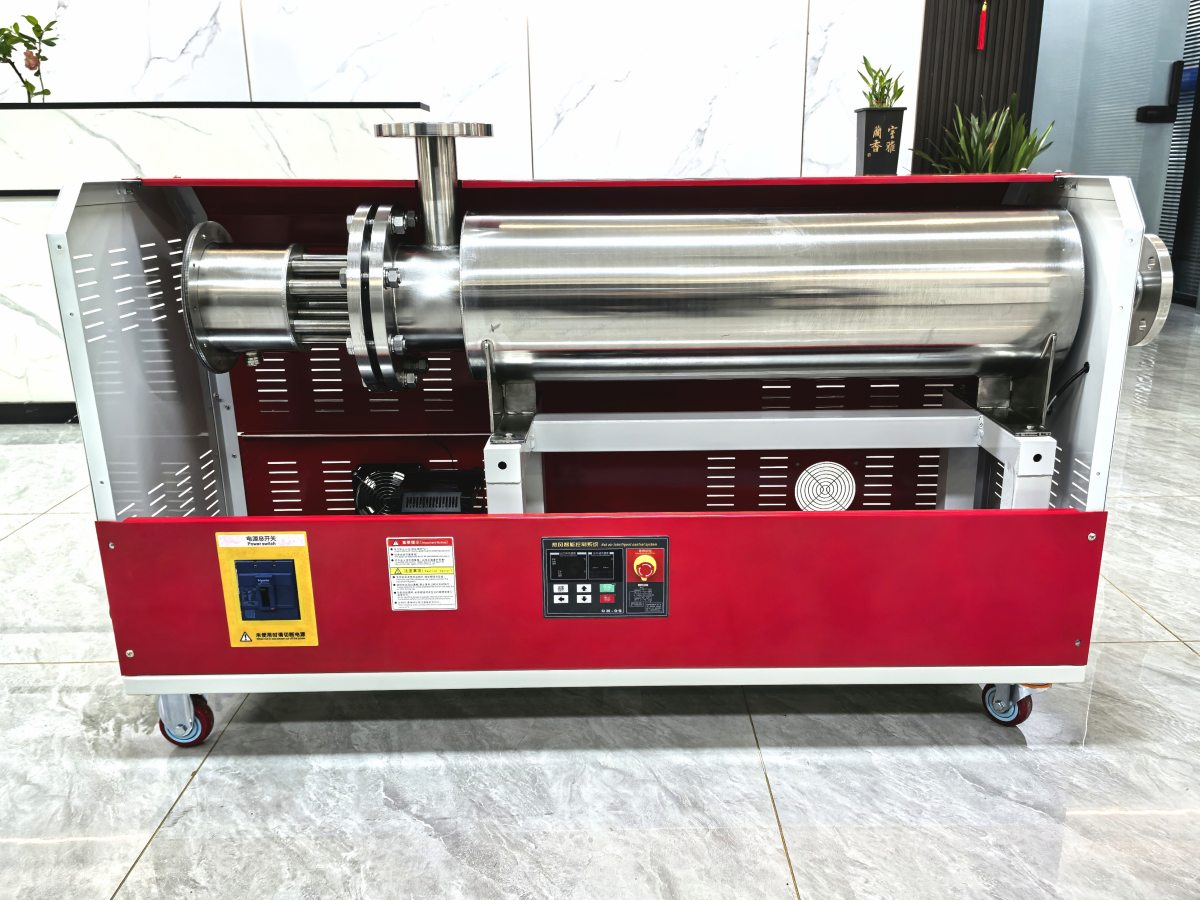
Look at the heating element through the air intake or by removing the front cover if possible. Look for hairline cracks, white spots, or any discoloration. A cracked element will fail under thermal shock during the first cold startup. It won’t fail gradually — it will fail suddenly, mid-shift, with no warning.
If you see any damage, replace the element now. Not next week. Not when it breaks. Now. A new element costs a fraction of what a mid-shift failure costs in downtime and scrapped work.
Calibration and Functional Checks for Cold Weather Operation
Verify Temperature Accuracy at Low and High Settings
Cold weather throws off temperature readings. The sensor that was accurate at room temperature may drift when the ambient temperature drops to 5°C or below. Before winter production starts, run the blower through its full temperature range and compare the controller reading against a reference thermometer at the nozzle.
Pay special attention to the low end. A blower that reads 50°C when it’s actually outputting 35°C will underheat your workpieces, and you won’t notice until the bonds fail hours later. Document any offset and adjust the setpoint accordingly until a full recalibration can be done.
Test the Fan at All Speed Settings in Cold Conditions
Turn the blower on in the actual working environment — not in a warm office. Let it run at each fan speed for two minutes. Listen for changes in motor noise. A motor that sounded smooth in September might whine or grind in December because the bearings have dried out or the lubricant has thickened.
If the fan speed doesn’t change noticeably between settings, the motor is struggling. That struggle means excess current draw, excess heat, and a shorter motor life. Clean the fan blades, check the bearings, and if the noise persists, the motor needs service before winter production ramps up.
Confirm the Tip-Over and Overheat Protection Still Work
Cold weather doesn’t disable safety functions — but it can mask their failure. Tilt the blower past the trigger angle and confirm it shuts off immediately. Then let it cool and try again. Do this three times. All three should behave identically.
For overheat protection, let the blower run at maximum temperature with the nozzle blocked for five seconds — just long enough to trigger the cutoff. The element should shut off and the fan should continue running to cool down. If the blower doesn’t cut off, the thermal fuse or the protection circuit has failed. That’s a fire risk in any season, but in winter, when the workshop is full of dry materials and heated spaces, it’s a serious one.
Daily Habits That Keep a Blower Alive Through Winter
Let It Warm Up Before Full Power
Cold mornings tempt everyone to crank the blower to max immediately. Don’t. Let it run at low temperature and low fan speed for three to five minutes. This warms the motor gradually, drives out any condensation that formed overnight, and lets the lubricant in the bearings thin out. A blower that gets a proper warm-up lasts twice as long as one that gets abused from the first second.
Wipe Down the Housing Every Shift
Winter workshops are dusty and damp. Flux, grease, and moisture land on the blower housing every single day. That layer insulates the motor and traps heat. A quick wipe with a dry cloth at the end of each shift takes thirty seconds and prevents the slow thermal buildup that kills motors over a season.
Don’t Let It Sit Idle Over Weekends in a Cold Space
If the blower sits in an unheated garage or warehouse over a weekend, moisture condenses inside every time it cools down. Monday morning startup in a cold space is the most dangerous moment for the blower. Either move it to a heated area before the weekend or run it for five minutes on Friday afternoon to dry out the internals before it cools down completely.
The Monday Morning Test
Before any winter production runs on Monday, do a quick five-point check. Temperature reading against a reference. Fan speed at all settings. Tip-over shutoff. Housing warmth — even and consistent, no hot spots. Noise level — smooth motor hum, no grinding or clicking.
If all five pass, the blower is ready. If even one fails, don’t use it on production work. Fix it first. A ten-minute check on Monday saves you from a two-hour emergency on Tuesday.
Winter doesn’t have to destroy your blower. It just makes every small problem a big one. Do the prep in October. Check the seals. Clean the filter. Test the element. Verify the readings. And when January arrives with frozen air and frozen fingers, your blower will be the one thing in the shop that actually works like it’s supposed to.