Core Principles of Uniform Diffusion Air Flow for Wide Nozzle Hot Air Blowers
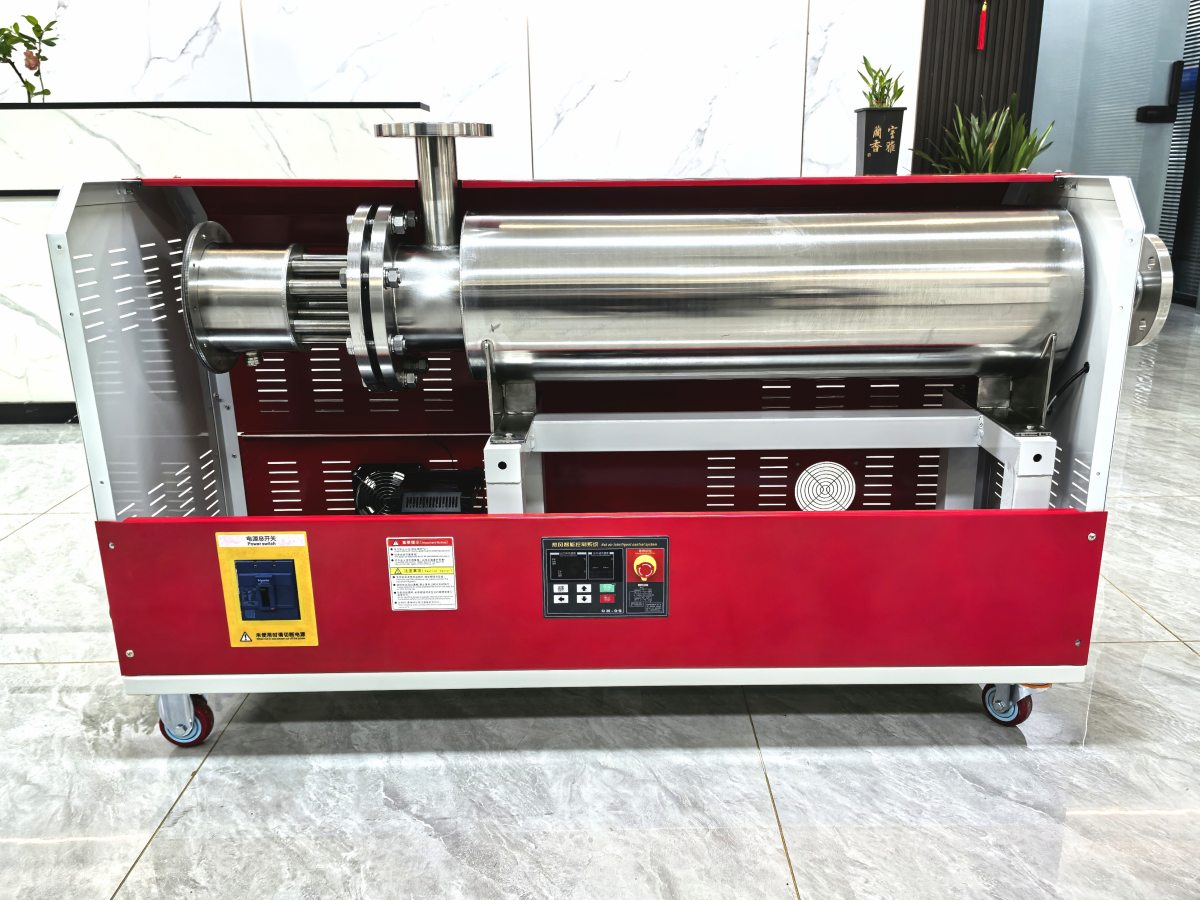
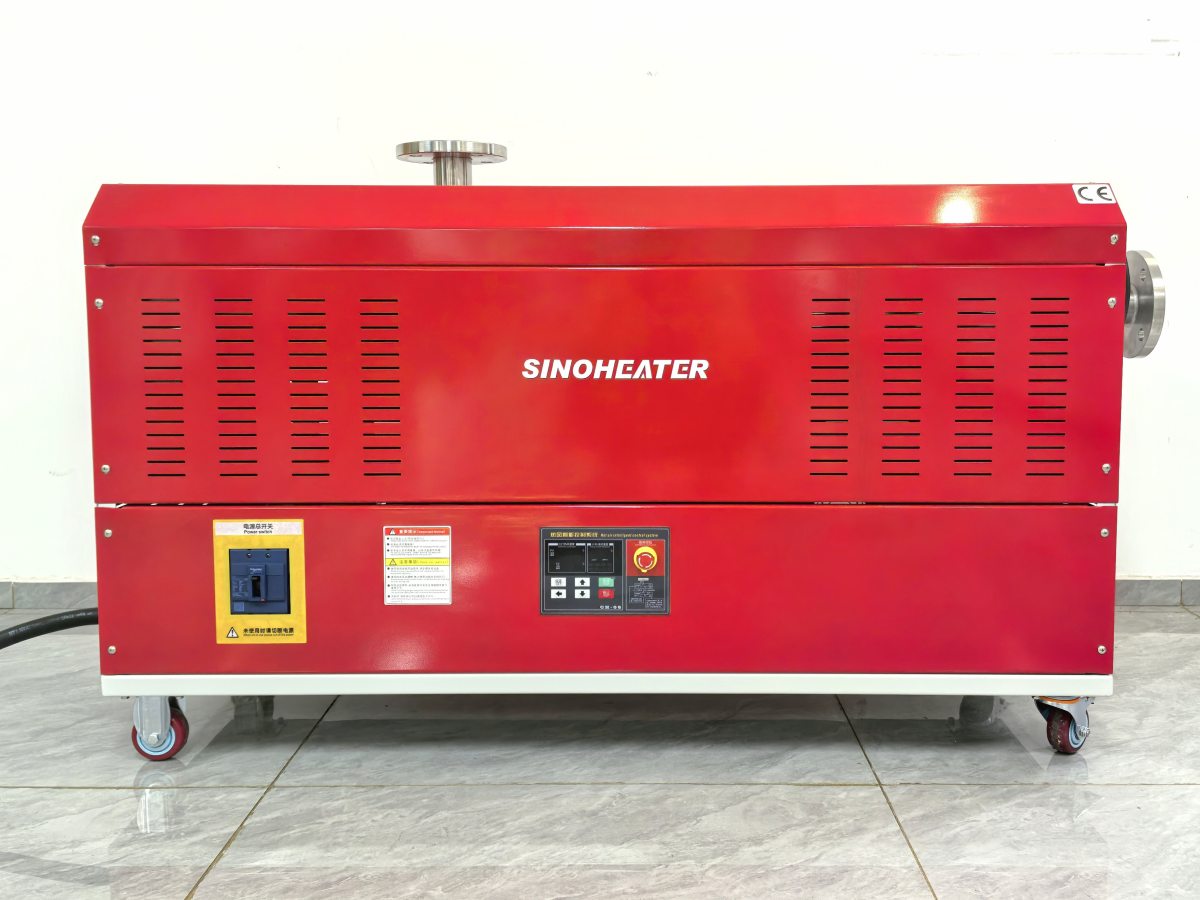
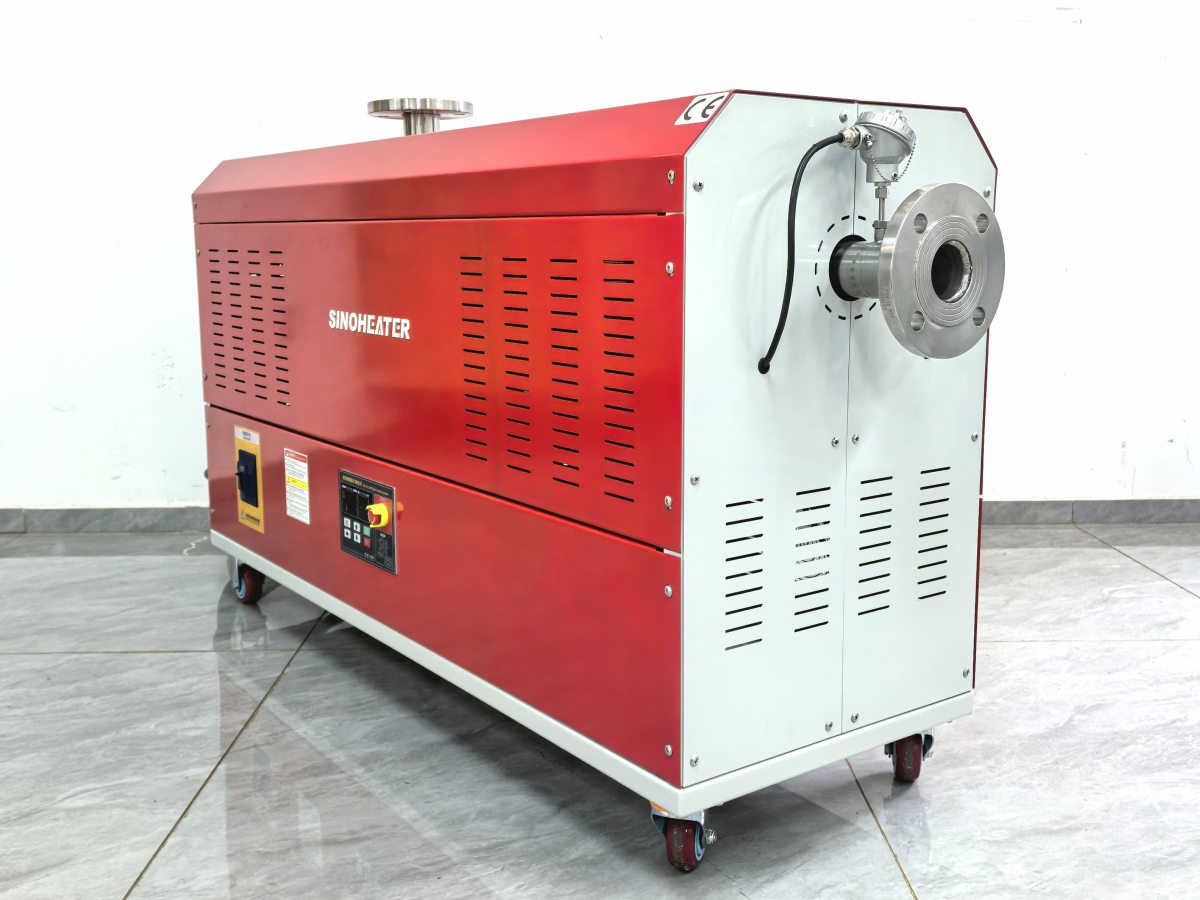
When working with wide nozzle hot air blowers, the uniform diffusion air flow theory focuses on how heated air spreads evenly across a target surface instead of concentrating in a narrow, high-velocity stream. This principle relies on carefully calibrated air pressure distribution at the nozzle outlet, where the internal geometry of the wide opening guides the moving air to expand gradually rather than burst outward in a tight jet.
Engineers who apply this theory note that consistent air density across the entire nozzle opening is the first critical condition to achieve even diffusion. If pressure varies across different sections of the wide nozzle, some areas will push air out faster than others, creating uneven hot spots or cold gaps on the material being treated. The theory also accounts for the natural tendency of moving air to mix with surrounding ambient air as soon as it leaves the nozzle opening, and it outlines how to structure the nozzle’s exit profile to control this mixing process without disrupting the even spread of the main air stream.
Key Factors That Shape Even Air Distribution
Several measurable variables directly impact how well a wide nozzle can deliver uniformly diffused hot air under this framework. The angle of the nozzle’s inner walls plays a major role: too steep an angle will force air to accelerate sharply at the edges, while too shallow an angle will create unnecessary friction that slows flow across the center of the opening. The velocity of air entering the nozzle from the blower chamber also matters, as excessively high inlet speeds can break the smooth, laminar flow patterns that support even diffusion, leading to turbulent eddies that disrupt consistent heat coverage.
Air temperature is another often overlooked variable tied closely to this theory. Heated air has lower density than cooler ambient air, and this difference can cause the rising hot stream to warp upward unevenly if the diffusion design does not account for buoyancy effects. Proper application of the theory includes small, calculated adjustments to the nozzle’s edge profiles to counteract this buoyancy drift, ensuring the entire air flow stays aligned parallel to the target surface rather than curving away before it makes full contact.
Practical Applications of the Theory in Industrial Thermal Processes
Workers in thermal processing fields rely on this uniform diffusion air flow principle to avoid common issues that come with poorly calibrated hot air systems. For surface coating curing, an evenly spread air stream ensures every section of the wet coating receives the exact same volume of heated air, eliminating the risk of partial curing that leads to sticky surfaces or premature coating failure later on. This same logic applies to material drying processes, where uneven air flow can leave hidden pockets of moisture trapped inside layered materials, causing warping or mold growth long after the drying step is complete.
Field-Validated Adjustments for Better Flow Performance
Experienced technicians who work with wide nozzle hot air systems use small, targeted tweaks aligned with this theory to fix uneven flow issues without full system overhauls. Adding a fine, layered flow straightener just before the nozzle exit can break up large turbulent air pockets that form inside the blower duct, restoring the consistent pressure distribution the uniform diffusion theory requires. Technicians also regularly test air velocity at multiple points across the nozzle opening with an anemometer, making minor adjustments to blower fan speed to bring every measurement within a narrow, predefined range that supports even heat spread.
These on-site adjustments are documented in many industrial maintenance guides, as they help teams avoid the common mistake of cranking up blower power to compensate for uneven flow, which only wastes energy and creates new turbulence issues that work against the goals of uniform diffusion.
How This Theory Improves Operational Safety and Consistency
Properly applied uniform diffusion air flow design reduces many hidden risks that come with misconfigured hot air blower systems. When air spreads evenly across the wide nozzle, there are no concentrated high-velocity hot spots that can overheat, scorch, or even ignite sensitive materials that pass under the stream. This is especially critical when working with thin, flammable substrates, where a single narrow jet of overheated air could create a fire hazard even at relatively moderate overall system temperatures.
Long-Term System Stability Tied to Diffusion Design
Systems built around this theory also show far less performance drift over months and years of continuous use. Because the flow path is designed to minimize sharp corners and high-friction zones, there are fewer areas for dust, residue, or melted material to build up and block sections of the nozzle opening. This means the system maintains its even air distribution far longer between cleaning cycles, reducing unplanned downtime and ensuring every batch of processed material meets the same consistent quality standards.
Regular inspections that check for small buildups along the nozzle’s inner edges, a step recommended in most industrial thermal operation manuals, help preserve the smooth flow geometry that the uniform diffusion air flow theory depends on, keeping performance steady for thousands of operating hours.