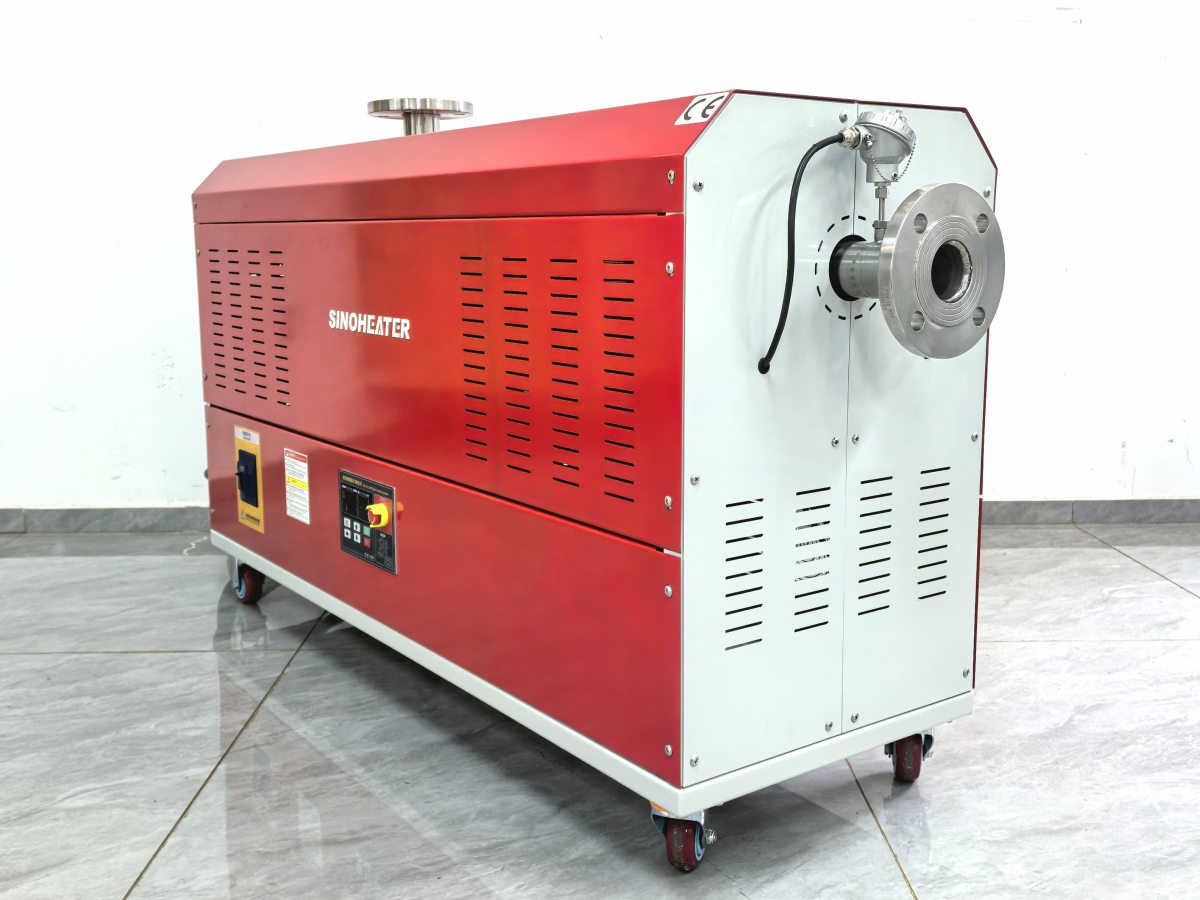
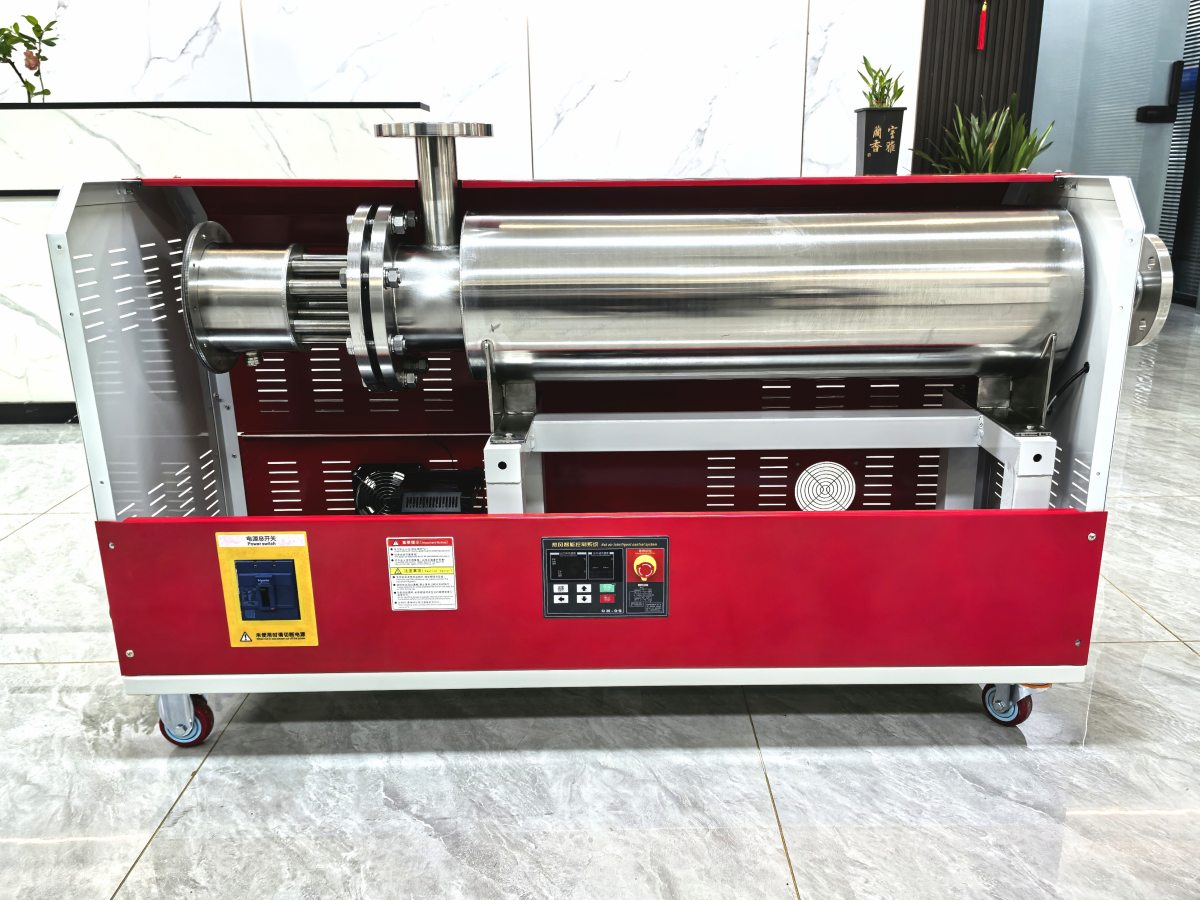
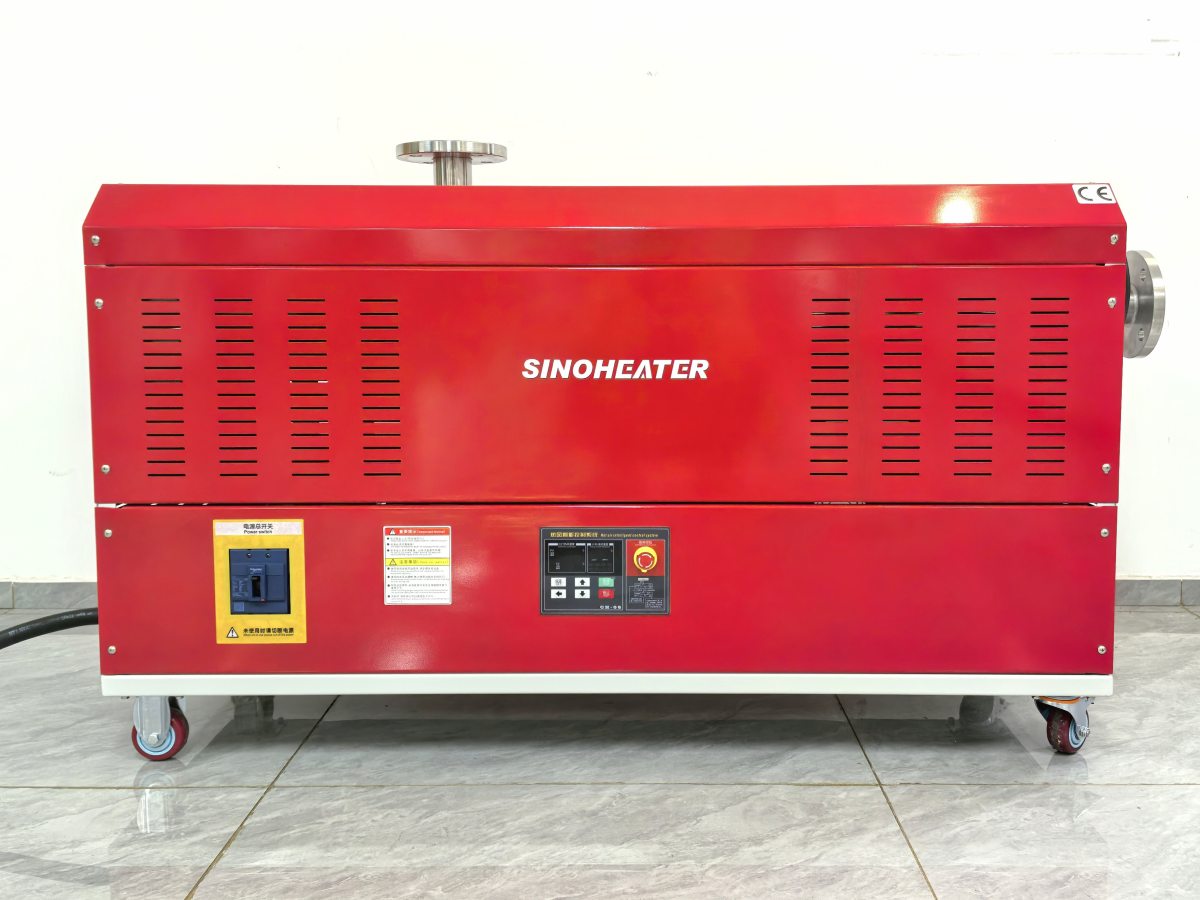
Regular pipeline inspection for gas-fired hot air blowers is a core part of long-term safe and stable operation, and it also helps avoid hidden risks that may cause performance drops or safety hazards during daily use.
Core Inspection Steps for Gas Pipeline Connections
Before starting any inspection work, make sure to turn off the gas supply at the main shutoff valve and let the equipment cool down completely to avoid accidental burns or gas leakage during the process.
Check every joint along the gas pipeline first, including the connection points between the hot air blower and the supply line, and wipe off any dust or grease on the surface of the pipes to get a clear view of the metal condition.
Prepare a non-corrosive leak-detection solution that meets industry safety standards, and brush a thin layer of the solution evenly on all connection points, valves and exposed pipeline sections. Watch for any continuous bubbles forming on the surface of the pipes within a few minutes, as these bubbles are a clear sign of gas leakage that needs immediate handling.
Do not ignore small connection points that are hard to reach, such as the joints hidden near the equipment base or the bent sections of the pipeline, as these areas are prone to slight looseness after long-term vibration from the running hot air blower.
Venting and Exhaust Pipeline Safety Checks
The exhaust pipeline of the gas-fired hot air blower must always lead directly to the outdoor open space, and it should never be connected to any indoor flue, wall gap, attic or concealed space inside the building.
Use only rigid or flexible heavy metal pipes for the exhaust system, and never use plastic pipes or thin metal foil pipes, as these materials can easily deform under high temperature and cause blockages or fire risks.
Check the condition of the outdoor exhaust hood regularly, make sure the louvers can open smoothly when the hot air blower is running and close tightly when the equipment stops, to prevent rain, snow, debris or small animals from entering the pipeline and causing blockages.
Inspect all the clamps at the pipeline joints to make sure they are tightly sealed, and replace any loose or rusted clamps in time to avoid air leakage that reduces exhaust efficiency. For the bent sections of the exhaust pipeline, choose 45-degree elbows as much as possible instead of sharp 90-degree elbows, to maintain smooth airflow and reduce the accumulation of lint and moisture inside the pipes.
Regular Maintenance and Hidden Risk Troubleshooting
Set a fixed inspection cycle for the entire gas pipeline system, and carry out a full professional inspection at least every two years by a licensed and trained gas service technician, even if no obvious leakage signs are found in daily checks.
Pay attention to any abnormal phenomena during the operation of the hot air blower, such as yellow flames instead of stable blue flames, unusual smells near the pipeline, or symptoms of dizziness and headache that only appear when the equipment is running. These signs may indicate incomplete combustion or hidden carbon monoxide leakage caused by pipeline problems.
Check the surface of the gas pipeline regularly for signs of corrosion, rust or wear, especially for sections that are exposed to humid air or close to high-temperature parts of the hot air blower. Deal with any minor wear immediately before it develops into a larger crack.
Install a standard audible carbon monoxide alarm in the same room where the gas-fired hot air blower is placed, to get an early warning of any invisible gas leakage that cannot be found in daily visual checks. Keep the area around the gas pipeline clean, do not stack flammable items near the pipeline, and make sure there is enough open space for air circulation and easy access during each inspection.