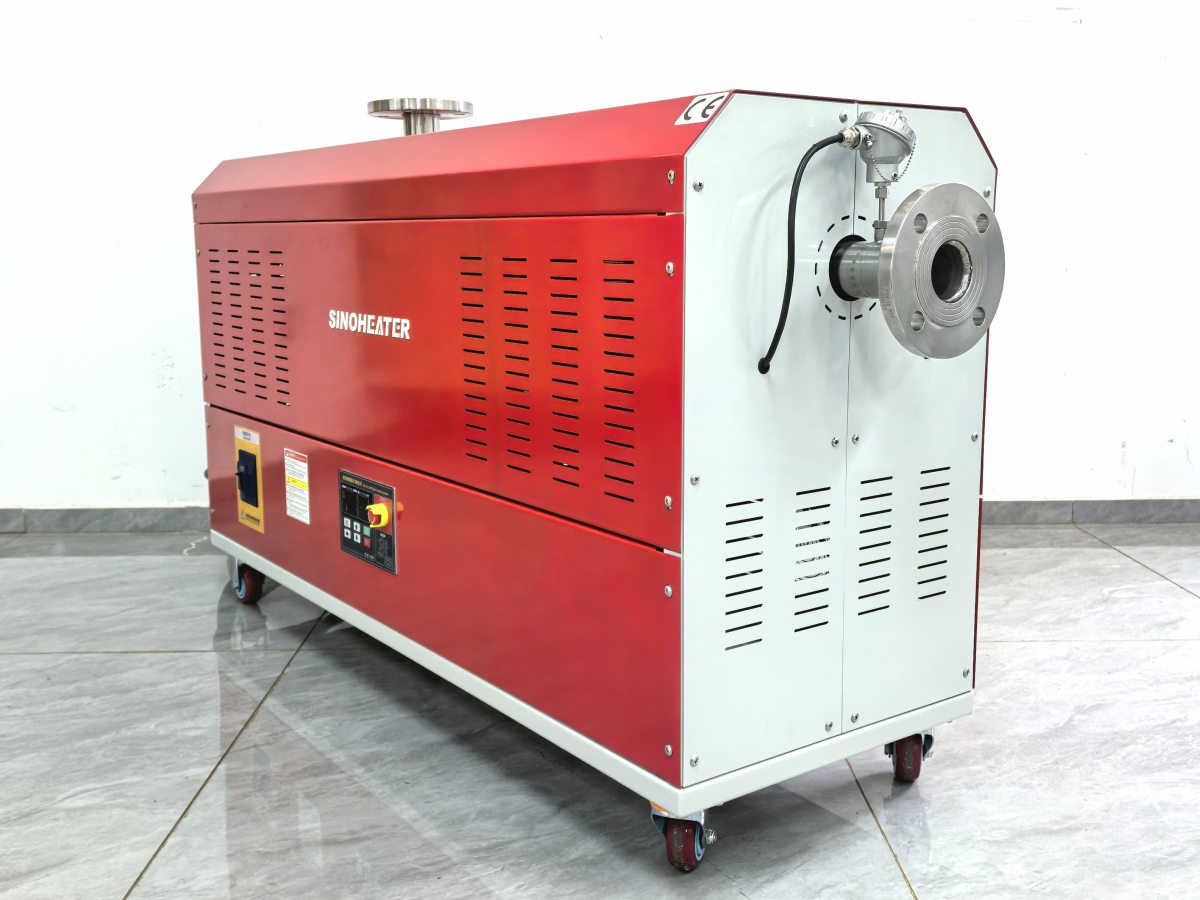
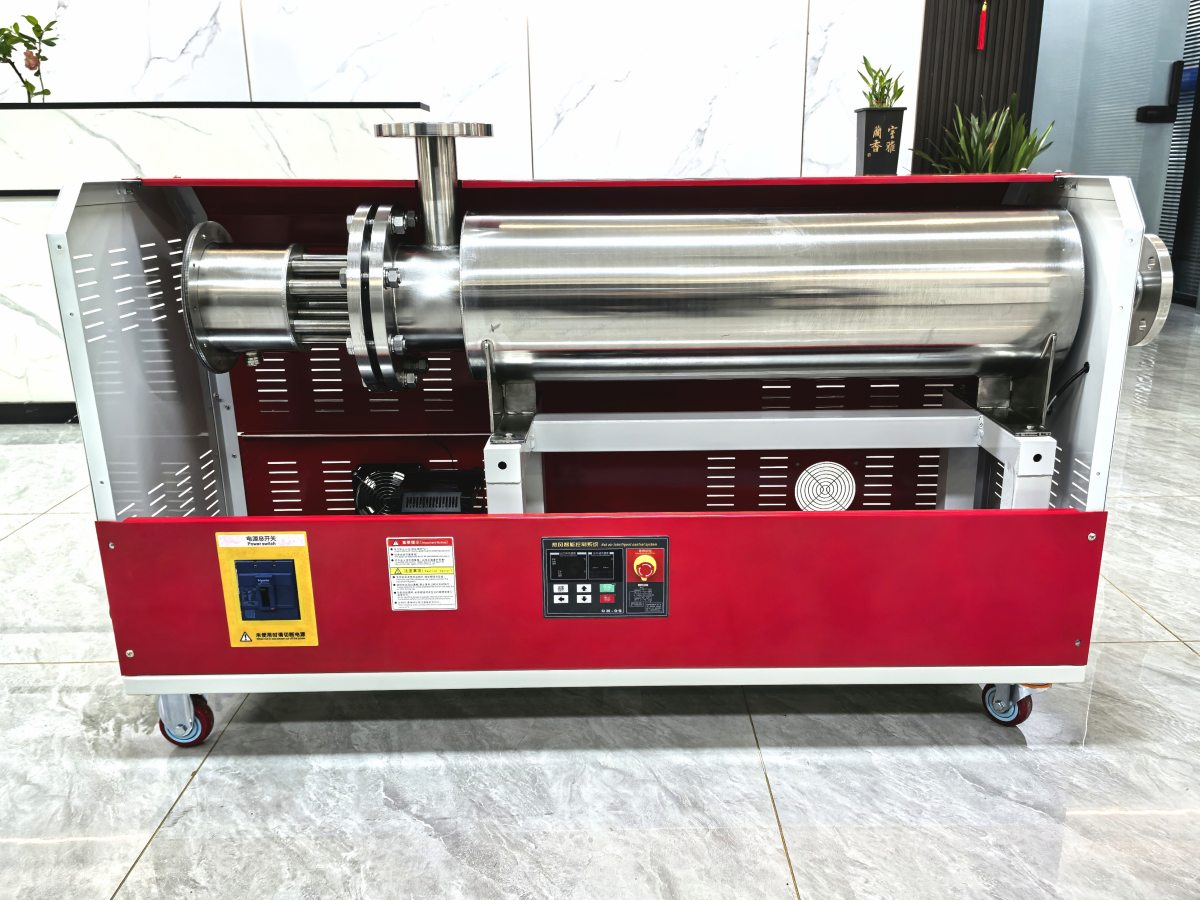
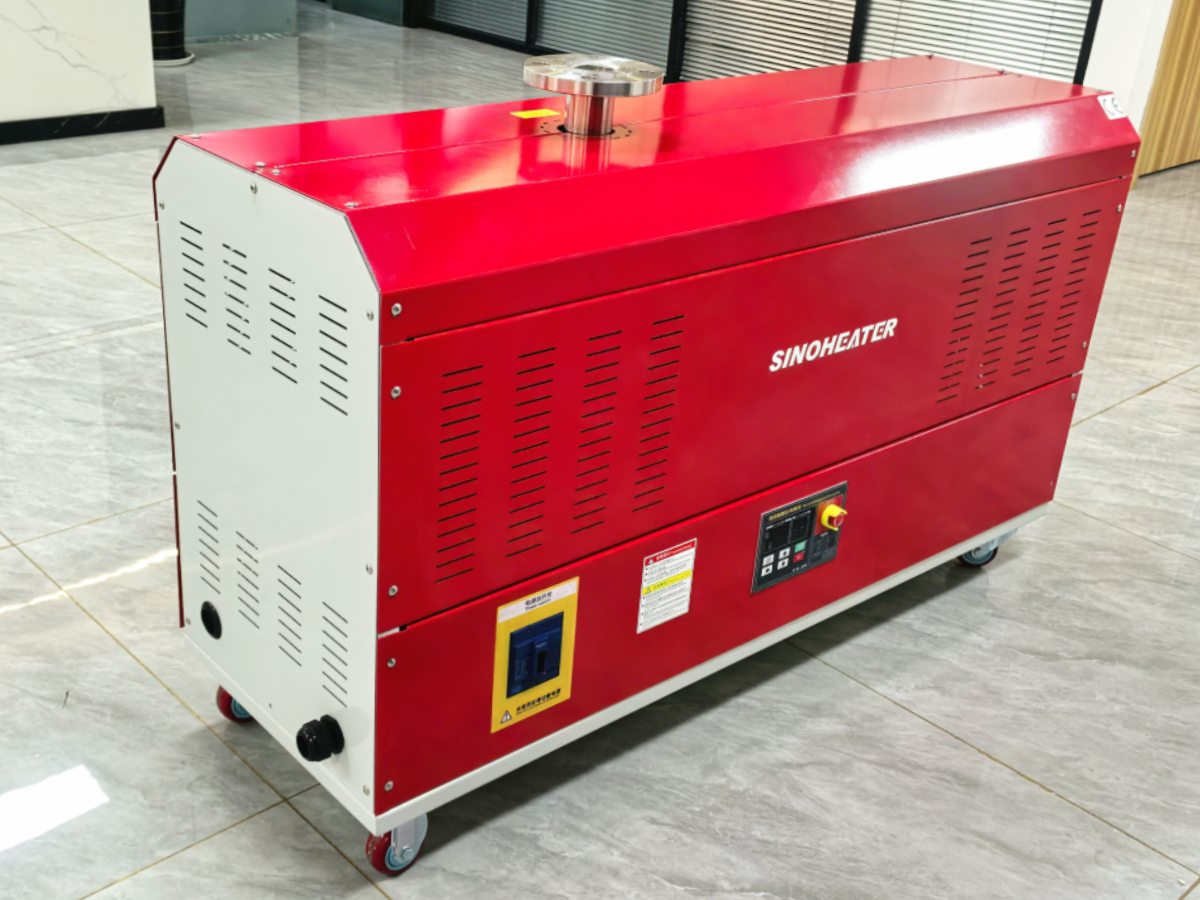
When it comes to the structural design of hot air blower integrated heating core assembly, every detail directly impacts long-term operational stability and daily use experience. This design focuses on seamless integration of core components, cutting down unnecessary connection points that often cause energy loss or potential safety risks during extended working hours.
Core Component Layout and Internal Connection Logic
The internal layout of the assembly arranges all heat-generating and air-guiding parts in a concentric alignment, so that incoming cold air can make full contact with heat-generating units the moment it enters the structure. No extra gaps are reserved between adjacent functional parts, which eliminates the possibility of local overheating caused by stagnant air flow. The connection between each part uses a high-temperature resistant embedded structure instead of traditional fasteners, which avoids loosening issues that may occur after thousands of thermal cycling processes.
Heat Conduction Path Optimization and Thermal Uniformity Control
The heat conduction path inside the assembly is designed to shorten the distance between heat-generating units and the air flow channel as much as possible. All heat transfer surfaces are treated with a special oxidation process to maintain stable thermal conductivity even after long-term exposure to high temperature air. The structure also adds a subtle gradient guide design on the inner wall of the air channel, which helps spread heat evenly across the entire cross-section of outgoing hot air, preventing local overheating spots that may damage nearby components or affect the consistency of outlet air temperature.
High Temperature Resistance and Structural Durability Design
Every material selected for the assembly structure has been tested to withstand continuous operation at the maximum rated temperature without obvious deformation or performance degradation. The overall structure reserves a reasonable thermal expansion space, which offsets the stress generated when different materials expand and contract at different rates during temperature rise and fall. This design effectively extends the service life of the entire assembly, and reduces the probability of structural failure under frequent start-stop working conditions. The outer edge of the assembly also adds a heat insulation buffer zone, which prevents excess heat from transferring to the outer shell of the hot air blower and improves the overall energy utilization efficiency.