Hot Air Blower All Metal Shell Structural Design Features
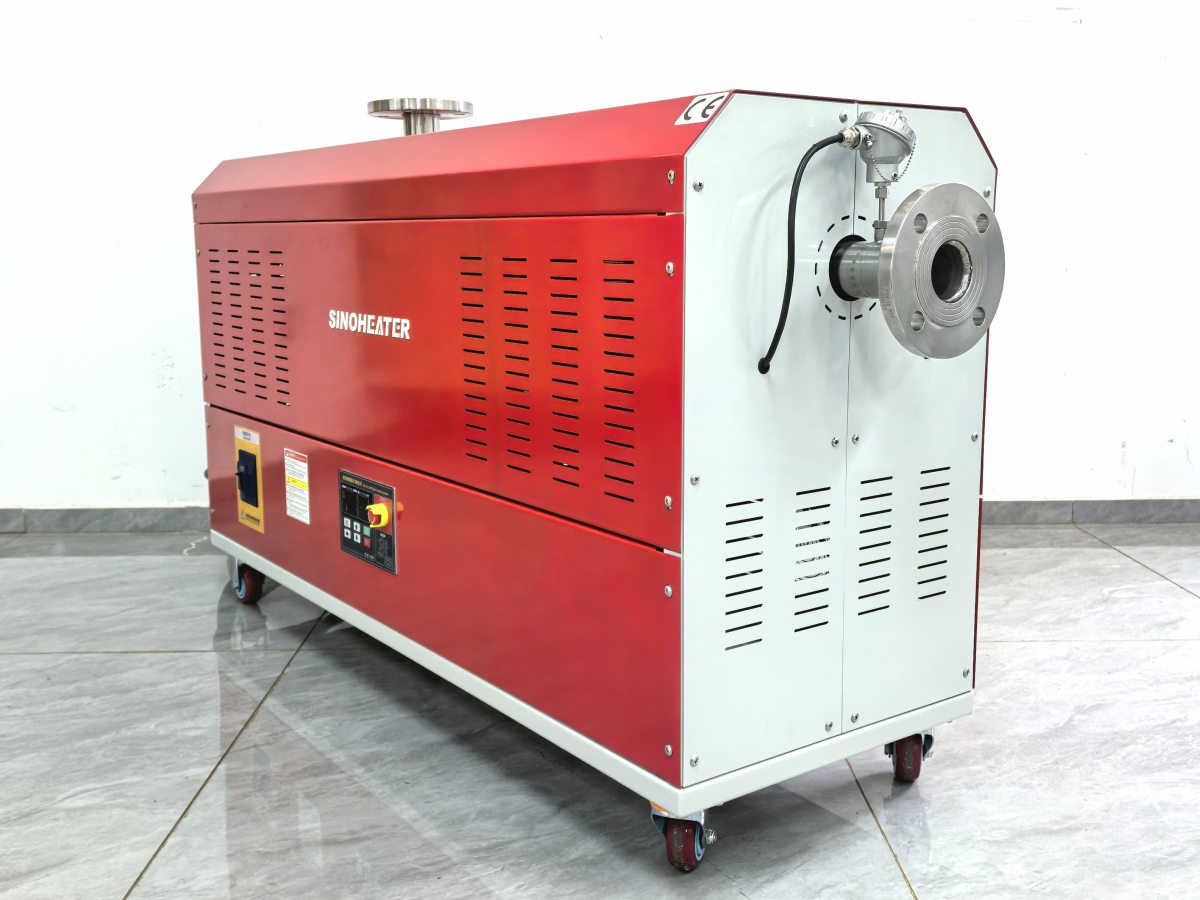
The all metal shell of a hot air blower forms the first line of protection for internal core components, while directly influencing equipment durability, operational safety and long term performance stability in harsh industrial environments. Unlike non-metal shell alternatives that may degrade under sustained high temperatures or heavy mechanical impact, a properly engineered all metal structure delivers consistent structural integrity even after thousands of hours of continuous operation. This design approach prioritizes real world application demands, addressing common pain points such as heat deformation, accidental damage, and long term corrosion that often shorten the service life of hot air blowers used in heavy duty production scenarios.
Thermal Management Oriented Shell Layout Design
Every structural detail of the metal shell is planned to work in tandem with the internal heat dissipation system, preventing unnecessary heat accumulation that could compromise both shell stability and internal component lifespan.
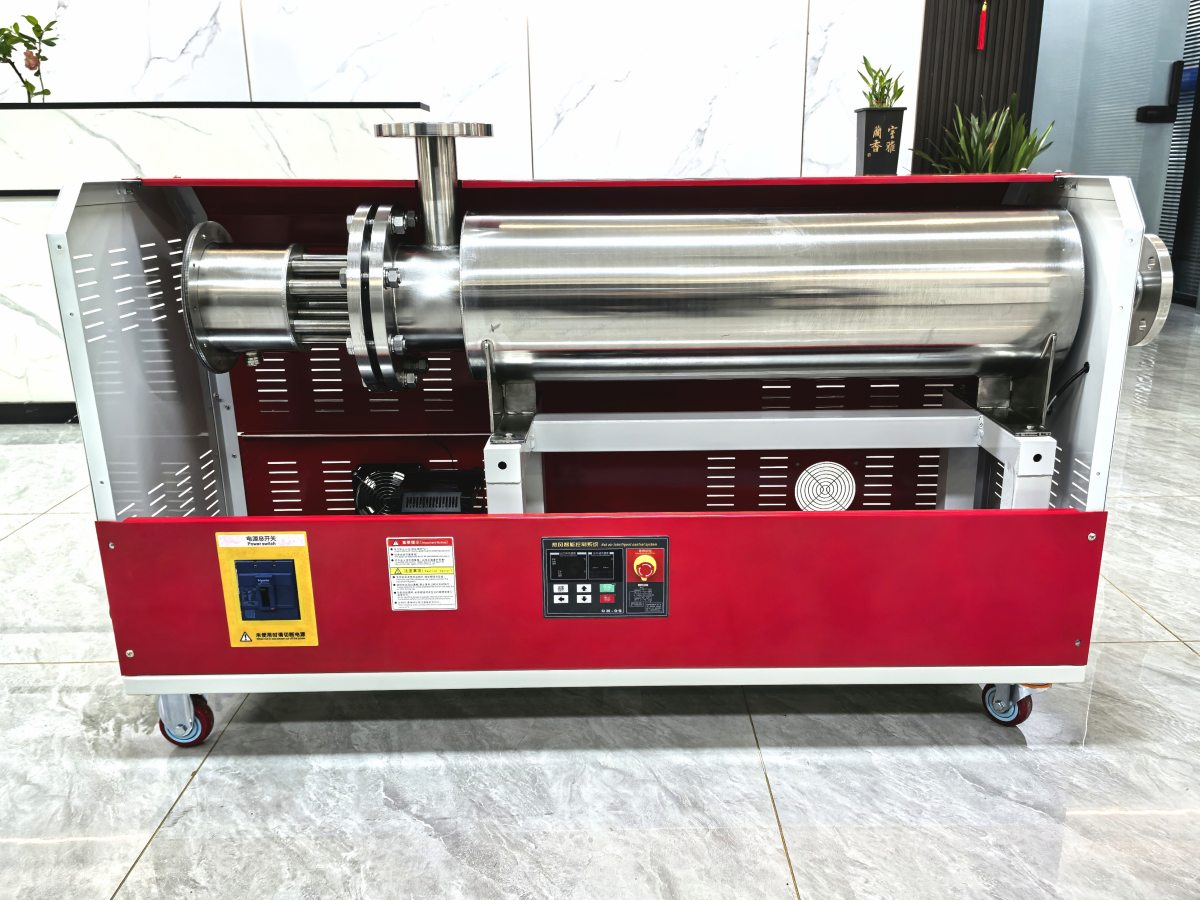
The layered cavity partition structure inside the shell creates independent flow channels for cooling air and high temperature working air, eliminating the risk of heat transfer between these two separate air streams. Thick metal partitions are welded securely to the inner shell wall, with precisely positioned openings that guide cooling air to flow directly over heat generating components before exiting through dedicated ventilation slots on the shell side. This layout avoids the common flaw of uneven heat distribution that causes local overheating on the outer shell surface, ensuring the external temperature of the shell stays within a safe range even during maximum power continuous operation.
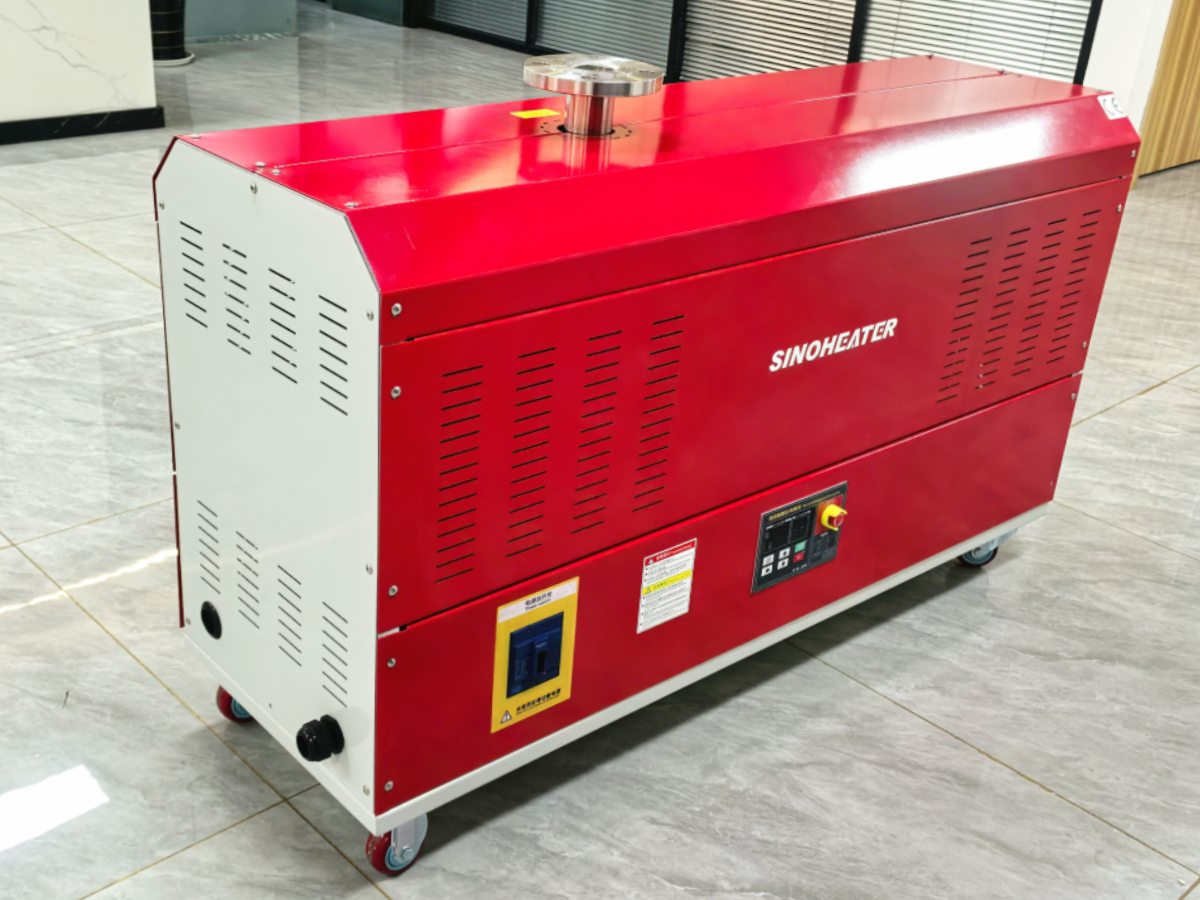
Graduated ventilation slot distribution across different shell sections optimizes air flow efficiency without sacrificing overall structural strength. The slots near the air intake area are designed with larger open areas to maximize fresh air intake, while slots near the exhaust section adopt narrower, staggered openings that prevent foreign debris from entering the shell while maintaining unobstructed hot air outflow. All ventilation edges are deburred and rounded during manufacturing, eliminating sharp corners that could cause turbulence and reduce the overall efficiency of the internal air circulation system.
Extended heat conduction ribs are integrated directly into the inner surface of the metal shell, rather than attached as separate aftermarket components. These ribs are machined as a single part of the inner shell wall, creating a continuous heat conduction path that pulls excess heat away from high temperature internal components and spreads it evenly across the entire shell surface. This integrated design eliminates the thermal resistance that exists between two separate joined parts, significantly improving the overall passive heat dissipation performance of the shell structure.
Mechanical Strength and Operational Safety Structural Features
The all metal shell is engineered to withstand long term mechanical stress, accidental impact and frequent operational adjustments, maintaining its original shape and protective performance over years of heavy use.
Reinforced corner wrapping structures are applied to all high stress corners of the shell, where impact forces are most likely to concentrate during equipment transportation or on site installation. Thickened metal plates are bent into custom shapes that wrap around each corner, and then welded seamlessly to the main shell body to create a rigid, shock resistant frame that distributes impact force across a much larger area. This design prevents the common issue of shell denting or cracking after minor collisions, which could otherwise misalign internal components and disrupt normal equipment operation.
Modular access panel structure with precision positioning guides simplifies routine maintenance operations without compromising overall shell rigidity. Each access panel is machined with matching alignment grooves that lock perfectly into the corresponding shell frame, ensuring the panel can only be installed in the exact correct position every time it is removed and replaced. The mounting points around each panel are reinforced with embedded metal inserts, so repeated opening and closing for internal inspection or component replacement will not cause thread wear or loose panel fit that could create unwanted air leakage gaps.
Integrated load bearing base structure is machined as an extension of the main metal shell, rather than assembled as a separate connected part. This continuous metal structure transfers all the weight of internal heavy components directly to the equipment mounting surface, eliminating the risk of separation between the shell and base that often occurs on units with bolted on base plates. The base section also includes pre formed positioning notches that allow for stable, accurate mounting on different work stands or production line platforms, preventing unintended movement or tipping during high vibration operation.
Corrosion Resistance and Long Term Durability Design Details
Every surface and joint of the all metal shell is treated and structured to resist harsh environmental factors, ensuring reliable performance even in high humidity, dust heavy or chemically corrosive industrial settings.
Seamless welded joint design eliminates the gaps and crevices that would otherwise trap moisture, dust or corrosive particles on the shell structure. All shell assembly joints are fully welded along the entire connection line, and then ground smooth to create a continuous, gap free metal surface that leaves no space for contaminants to accumulate. This approach removes the hidden corrosion points that often appear on shells assembled with rivets or partial spot welds, drastically extending the long term structural service life of the unit.
Multi stage surface treatment is applied to both the inner and outer surfaces of the metal shell, creating a protective layer that bonds tightly to the base metal material. The treatment process first removes all surface impurities through mechanical polishing and chemical activation, then applies a high temperature resistant protective coating that will not blister, peel or degrade even when exposed to sustained high operating temperatures. This coating also creates a non porous surface that is easy to wipe clean during routine equipment cleaning, preventing corrosive residues from building up on the shell surface over time.
Sealed cable penetration points are integrated directly into the metal shell wall, with custom formed metal glands that create a tight, dust proof and moisture proof seal around every incoming and outgoing cable. These penetration points are positioned away from high airflow areas to avoid creating unnecessary turbulence, and the metal material of the gland forms a continuous connection with the main shell to maintain consistent structural integrity. This design prevents dust, water spray or corrosive fumes from entering the internal shell cavity through cable gaps, protecting sensitive internal electrical components from environmental damage.