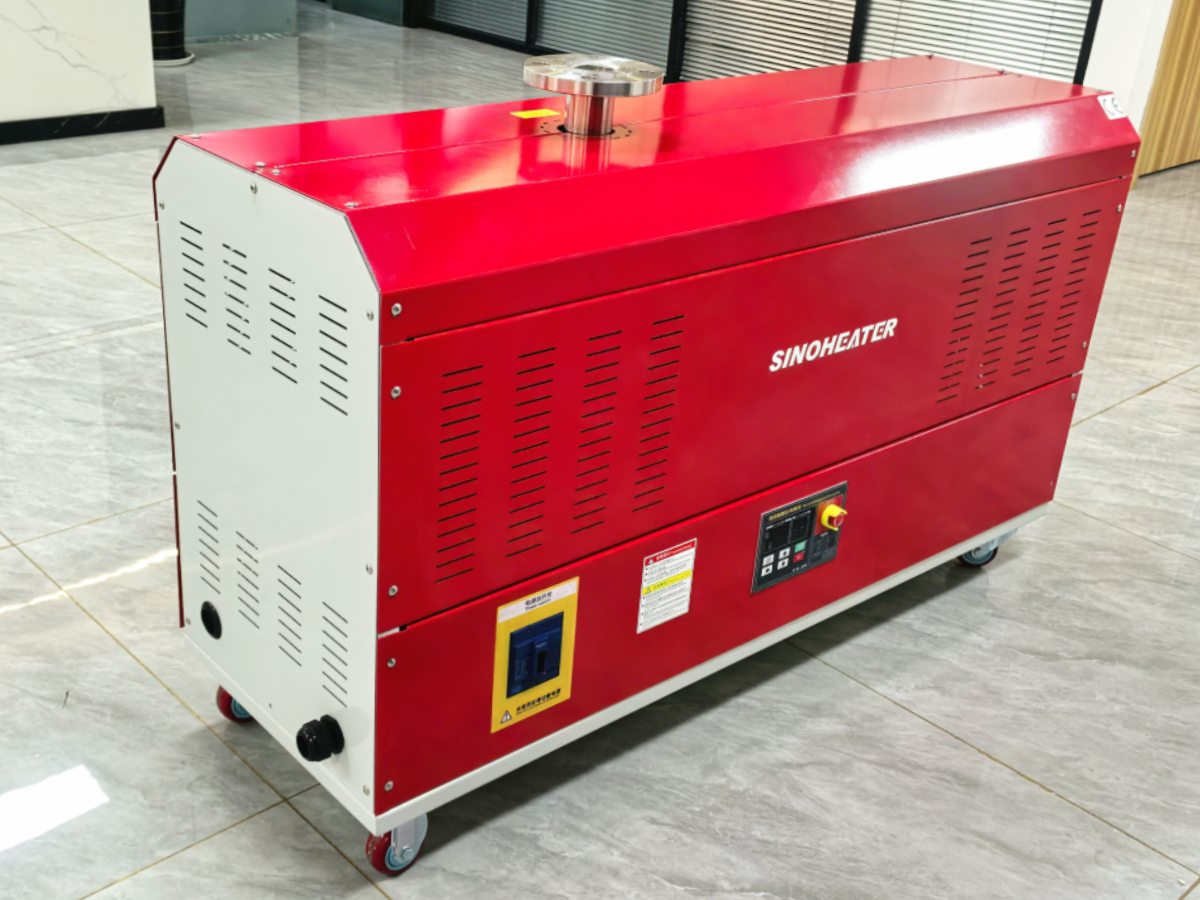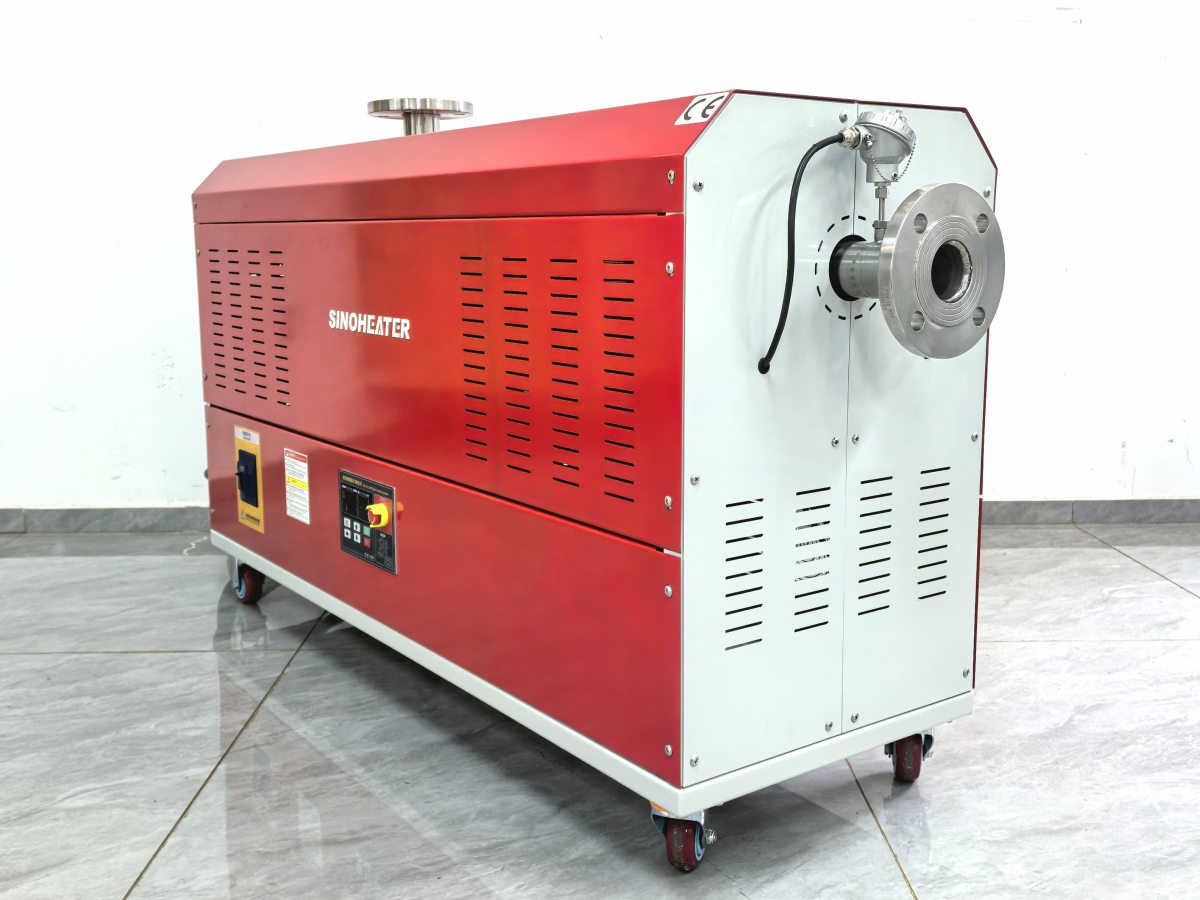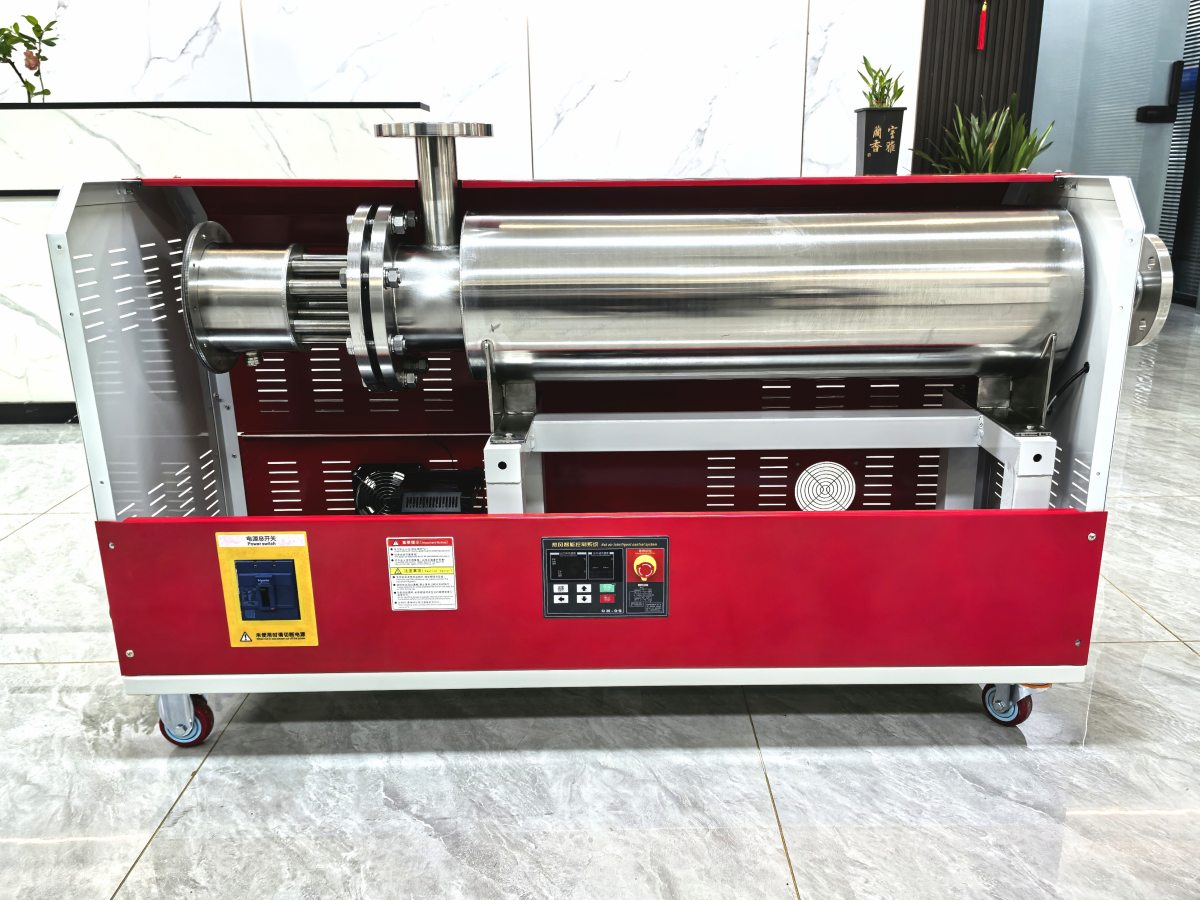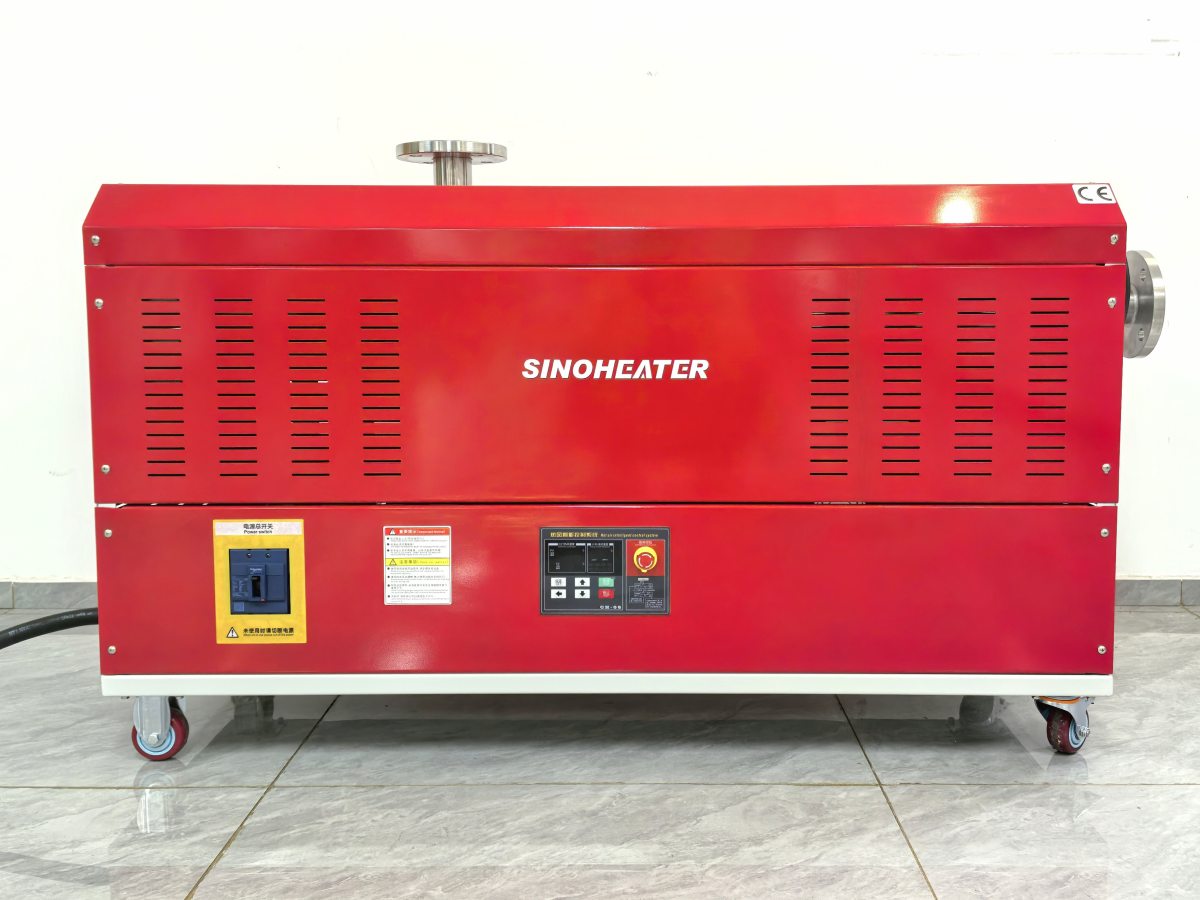
Hot air treatment is a core step in automotive plastic parts hot forming, where controlled, evenly distributed heat transforms rigid or semi-rigid plastic stock into complex, precise shapes that match the exact design requirements of modern vehicle components. Unlike open-flame or direct-contact heating methods, targeted hot air delivery lets operators apply consistent thermal energy across large, uneven surfaces without creating localized hot spots that cause surface scorching, internal material stress, or uneven dimensional variation. This level of thermal control is especially critical for automotive production, where even tiny deviations in part shape or material integrity can compromise long-term performance under real-world road conditions.
Thermal Profile Calibration for Consistent Material Response
Every type of engineering plastic used in automotive manufacturing has a unique thermal behavior profile, with specific temperature thresholds for softening, forming, and risk of thermal degradation. The first step before any full production run is to map out the exact hot air temperature, airflow speed, and exposure duration that delivers the ideal level of malleability for the specific material being processed. This calibration work is usually done through a series of small, controlled test runs, where operators adjust one variable at a time and measure how the material responds at each stage.
Even a 10-degree difference in average air temperature can change how the plastic flows during the forming step, creating visible differences in wall thickness distribution across the final part. When the thermal profile is properly calibrated, the material softens uniformly across its entire cross-section, so it stretches and forms evenly without developing thin weak points that could crack later during vehicle operation. This careful upfront calibration eliminates most of the inconsistent part quality issues that otherwise show up randomly across a long production batch.
Airflow Distribution Tuning for Complex Part Geometries
Automotive plastic parts often include deep curves, sharp edge transitions, recessed mounting points, and thin flanged sections that do not heat up at the same rate under uniform hot air flow. If airflow is not adjusted to match these shape differences, flat wide sections can overheat by the time the deeper, more enclosed areas reach forming temperature, leading to warping, surface discoloration, or incomplete forming in hard-to-reach spots. Tuning airflow direction, nozzle placement, and local air velocity lets teams direct more thermal energy toward slower-heating areas, while reducing exposure on sections that would otherwise absorb too much heat too quickly.
Many experienced operators map each unique part geometry to mark which zones need higher airflow concentration, which zones need partial shielding, and which zones can follow the baseline heating profile. This level of custom tuning ensures every contour and feature of the finished part forms exactly as intended, with no unintended shape distortion that would cause fit issues during final vehicle assembly.
Process Control to Reduce Post-Forming Internal Stress
One of the most overlooked risks in hot air forming of automotive plastics is uneven cooling immediately after the part is removed from the heat source. If the hot part is exposed to uncontrolled ambient air drafts, the outer surface cools far faster than the inner material, trapping high levels of internal stress inside the finished component. These hidden stress points often do not show any visible damage at the end of production, but they can lead to unexpected cracking, warping, or dimensional drift months or even years after the part is installed on a vehicle.
Controlled, gradual cooling using the same low-velocity hot air system that delivered the forming heat lets the entire part cool down at a consistent, even rate across every surface. This slow, uniform temperature drop gives the molecular structure of the plastic time to settle into its new formed shape without building up trapped internal tension. The result is a finished part that retains its exact dimensions far more reliably, even when exposed to the wide temperature swings and constant vibration that are normal in daily automotive use.
Real-Time Monitoring for Long-Term Process Stability
Over thousands of production cycles, small shifts in hot air output, gradual buildup of fine plastic dust on heating elements, or minor changes in ambient workshop temperature can slowly drift the entire thermal profile outside its original calibrated range. Without consistent monitoring, these slow changes can create subtle quality issues that creep into the batch over time, and go unnoticed until parts start failing fit checks during final assembly. Simple, regular checks of outlet air temperature, airflow velocity, and part post-forming dimensional accuracy catch these small drifts early, before they lead to large amounts of rejected material or unplanned production downtime.
Teams that build this regular monitoring into their daily workflow can keep the hot air forming process stable for months at a time, with far fewer unexpected quality deviations. This level of consistent process control is exactly what makes hot air forming such a reliable, widely adopted solution for high-volume automotive plastic part production.