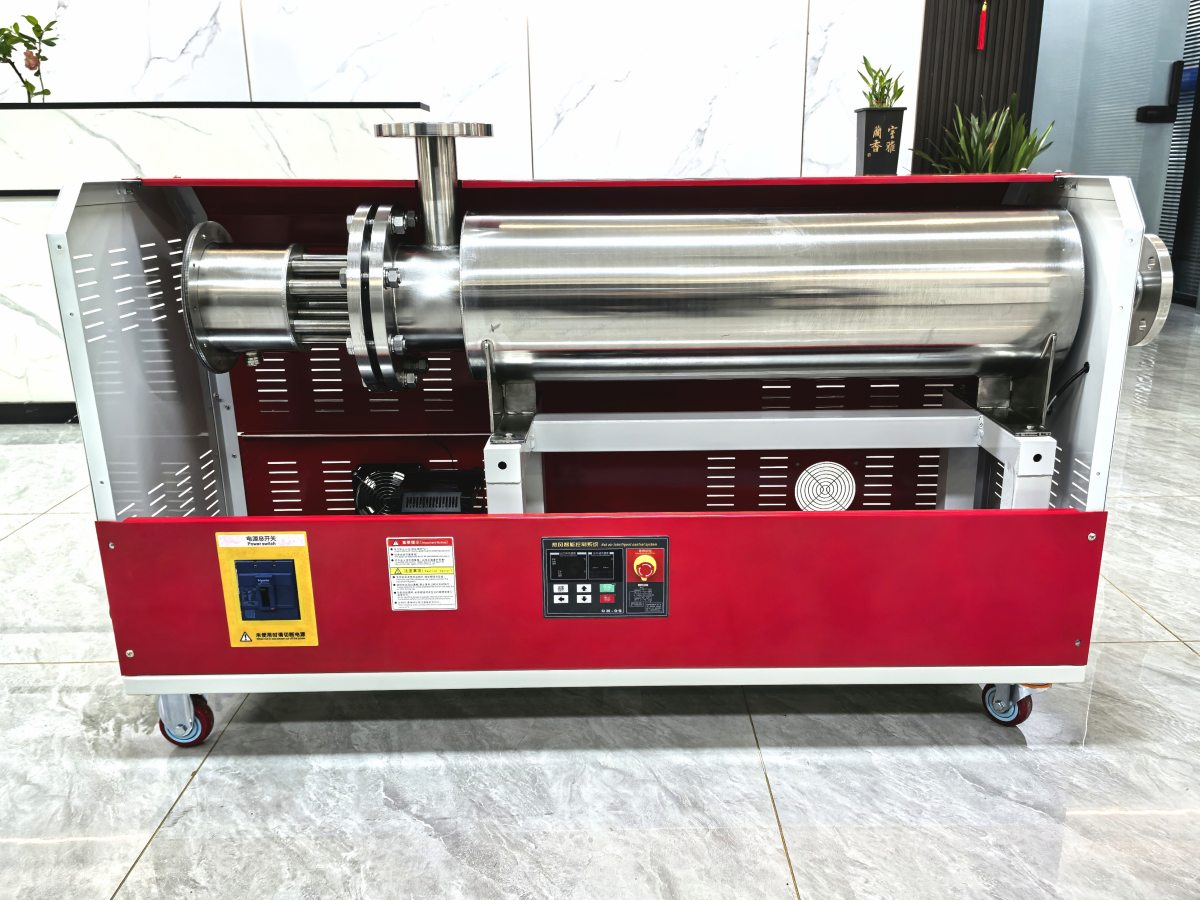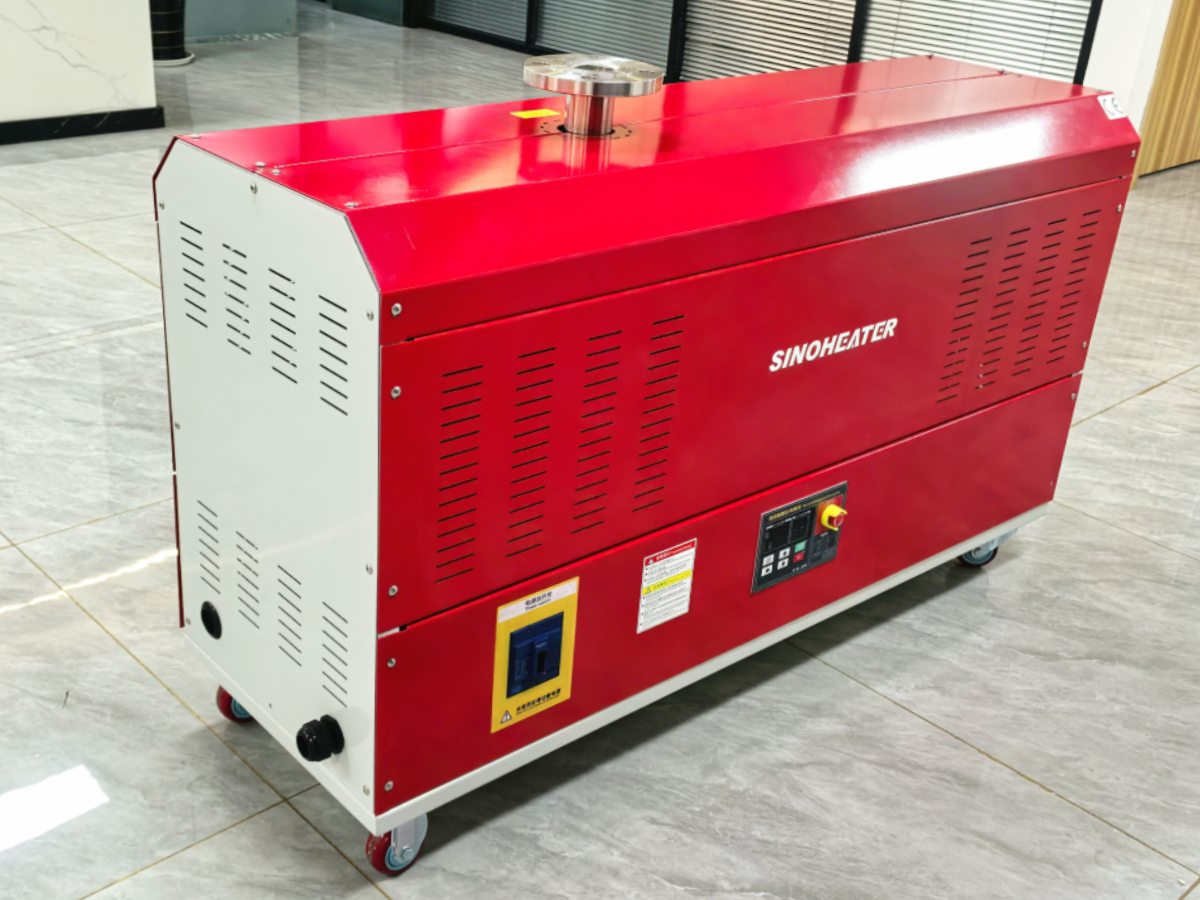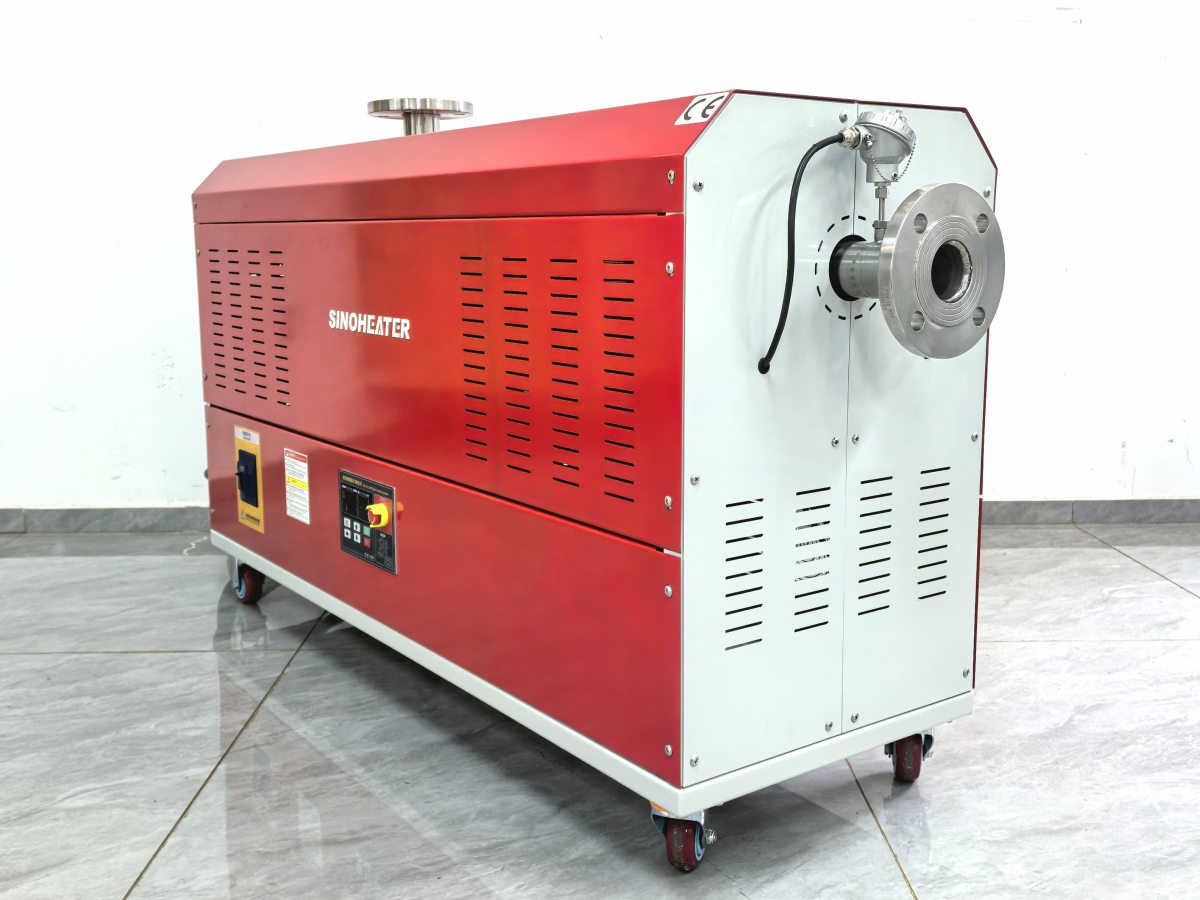
For industrial applications that require sustained, high-volume heated airflow—such as large-scale material drying, curing of industrial coatings, preheating of metal components before welding, or environmental heating in warehouses—the air volume output of a large industrial hot air blower is a primary performance indicator that directly determines project efficiency and final process quality. Operators and project planners evaluating these heavy-duty units focus on a set of key air volume metrics that define how the equipment will perform under continuous, demanding operational conditions.
Key Air Volume Performance Indicators for Large Industrial Models
The rated maximum air volume, typically expressed in cubic meters per hour (m³/h) or cubic feet per minute (CFM), represents the blower’s peak airflow capacity under standard temperature and pressure conditions with no external static pressure load. This figure provides a baseline for comparing the raw output potential of different models. However, the more critical metric for real-world planning is the usable air volume at a specified temperature and static pressure. Industrial processes often require air to be delivered through ducting, across plenums, or against the natural resistance of the material being treated. Therefore, performance charts that show air volume drop-off curves at increasing static pressure levels (e.g., 0 Pa, 500 Pa, 1000 Pa) are essential for accurate system sizing.
Another vital indicator is the air velocity at the outlet nozzle, measured in meters per second (m/s). High velocity is crucial for applications requiring penetration through porous materials, stripping moisture from surfaces, or achieving rapid heat transfer. The relationship between air volume and velocity is determined by the outlet nozzle diameter; a smaller nozzle diameter at the same air volume will yield a higher velocity jet, while a larger diameter provides a broader, softer airflow pattern suitable for area heating.
Factors Directly Impacting Delivered Air Volume in Field Operations
The air volume measured in a controlled test environment can differ significantly from what is delivered at the point of application on a factory floor. Several operational and environmental factors must be accounted for to ensure the selected blower meets the process requirements.
Ducting and System Resistance Losses
When an industrial hot air blower is connected to ductwork, flexible hoses, or internal plenums within a machine, friction and directional changes create static pressure resistance. This resistance acts against the blower’s fan, reducing the effective air volume that reaches the target area. Engineers must calculate the expected pressure drop across the entire delivery system and select a blower whose performance curve indicates sufficient air volume at that specific operating pressure. Undersized ducting or excessively long hose runs are common causes of underperformance, leading to extended process times and inconsistent results.
Inlet Air Conditions and Filter Maintenance
The blower’s air intake conditions have a direct impact on output. A clean, unobstructed air filter is essential. As filters load with dust and particulate matter from the industrial environment, the increased resistance at the intake side forces the fan to work harder to draw air, which can reduce maximum achievable air volume and increase motor load. Ambient air temperature and density also play a role; a blower moving cold, dense air will technically move a greater mass of air than when moving hot, less dense air, even if the volumetric flow meter reads the same.
Fan and Motor Performance Characteristics
The type of fan impeller (e.g., forward-curved, backward-curved, radial) determines the fan’s pressure-building characteristics and its efficiency at different points on the performance curve. Motors driving these fans must provide consistent torque across the operating range to prevent slowdown under load, which would immediately reduce air volume. Variable frequency drives (VFDs) are often used with large industrial blowers to precisely control motor speed (RPM), allowing operators to dial in the exact air volume needed for a process and optimize energy consumption, rather than running the blower at full volume and restricting flow with dampers.
Measurement and Verification of Air Volume Output
To ensure an industrial hot air blower is performing to specification after installation and throughout its service life, technicians use specific methods to verify air volume output. Anemometers and pilot tubes are commonly used at outlet nozzles or within ducts to measure air velocity, which can then be used to calculate volumetric flow based on the cross-sectional area of the duct or nozzle.
For integrated systems, permanently installed pressure sensors across known orifice plates or venturi sections within the ductwork provide continuous, indirect air volume readings by measuring the pressure differential created by the flowing air. Regular verification against these benchmarks allows maintenance teams to identify performance degradation early, signaling issues such as filter blockage, fan wear, motor inefficiency, or leaks in the ducting system before they critically impact production quality or throughput.