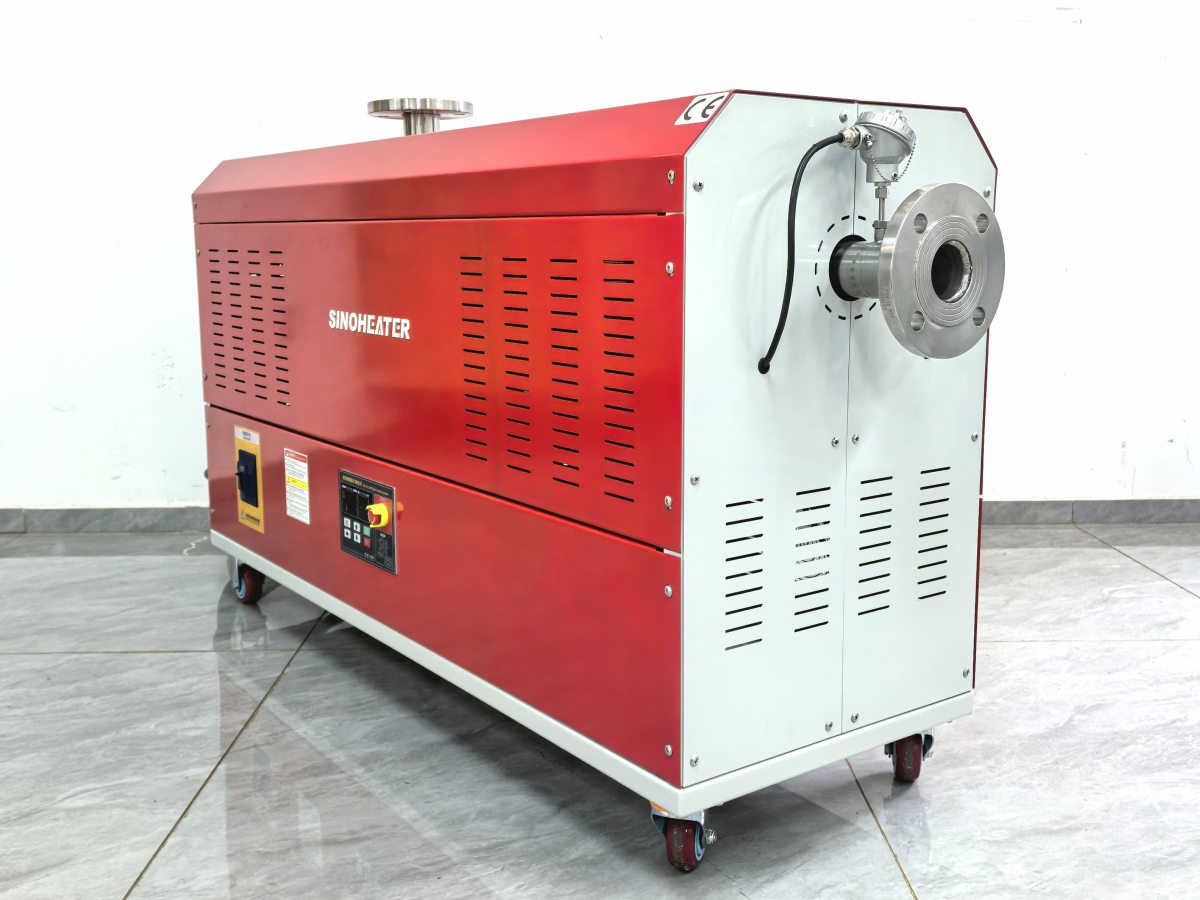
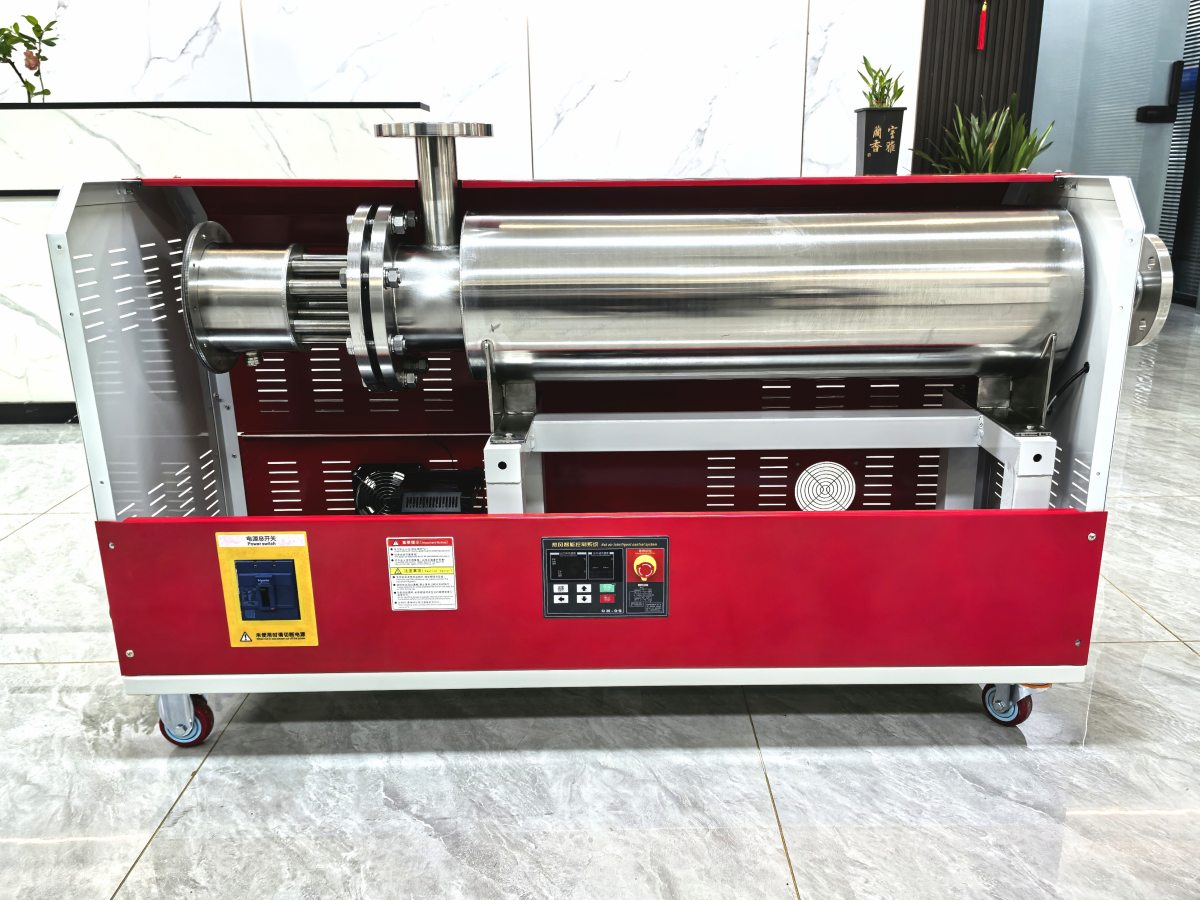
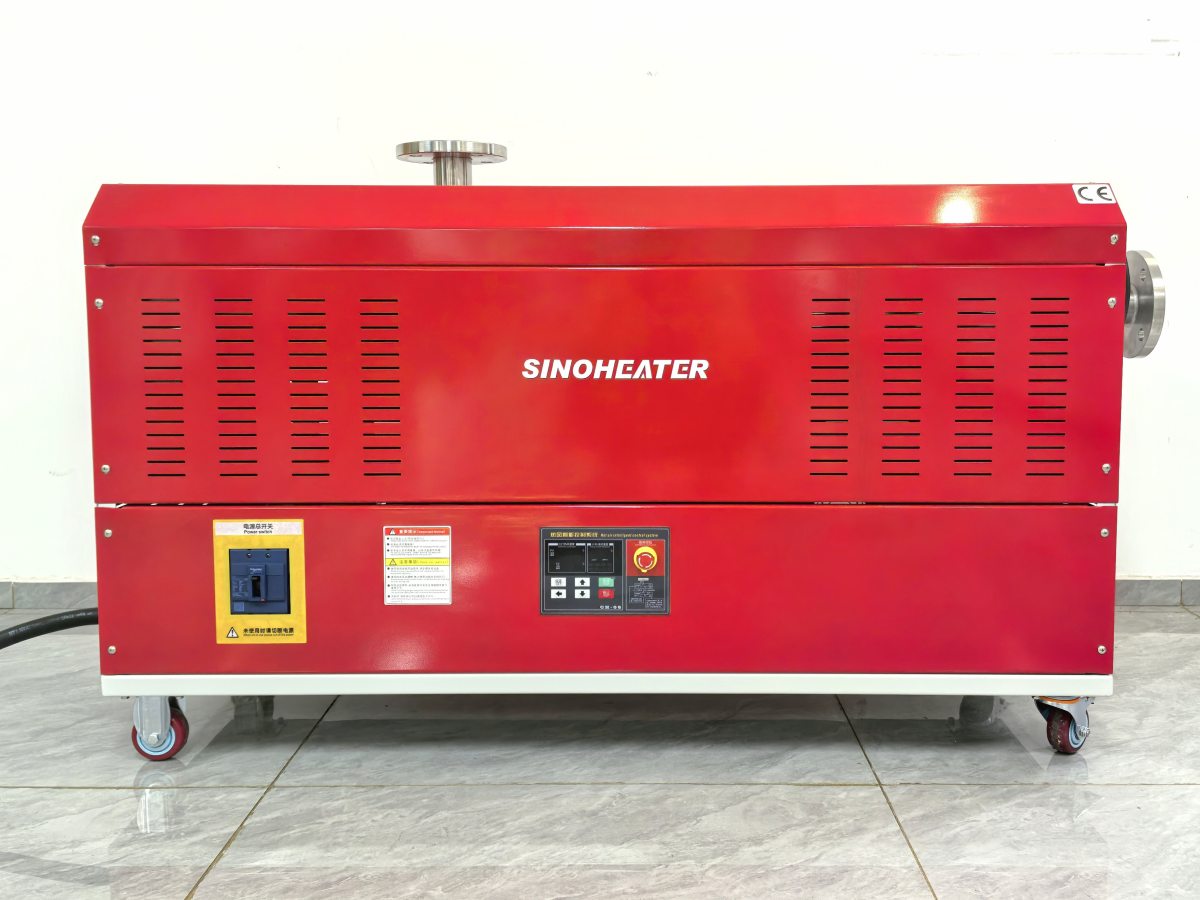
A well-engineered vertical support base fixed structure for hot air blowers delivers stable load bearing, effective vibration damping and long-term mounting reliability, even when the equipment runs continuously at high airflow speed for extended periods. Every structural detail is optimized to match the dynamic working characteristics of hot air systems, avoiding common issues like loose mounting, uneven stress distribution or unexpected resonance.
Load Distribution and Main Body Reinforcement Design
The main frame of the support base uses an integrated bending structure that eliminates unnecessary welded joints, spreading the total weight of the hot air blower evenly across every contact point on the mounting surface. The connection area between the base and the blower main body adds multiple reinforcing ribs arranged in a crisscross pattern, which effectively reduces local stress concentration that may occur during frequent start-stop cycles. The center of gravity of the entire equipment assembly is kept strictly within the outer contour of the support base, preventing any risk of tipping even when the blower runs at maximum power with slight airflow reaction force. No thin, easily deformable sections are left on the main frame, so the structural rigidity stays consistent through years of heavy use.
Vibration Damping Intermediate Connection Layer
A flexible high-durability damping layer is installed between the hot air blower shell and the top surface of the support base, which absorbs most of the high-frequency vibration generated by the internal high speed fan. This layer is made of material that maintains stable physical properties even when exposed to moderate radiant heat from the blower, so it will not harden or lose damping effect after long term operation. The thickness and hardness of the damping layer are carefully calibrated to match the vibration frequency range of the blower, avoiding any possibility of resonance that could amplify system vibration. The damping elements are placed at every corresponding point where the blower makes contact with the base, ensuring no part of the vibration can transfer directly to the mounting surface below.
Mounting Hole Positioning and Anti-Loosening Structure
All the mounting holes on the bottom of the support base are arranged symmetrically around the center of gravity, with enough edge distance to keep the connection strength even when the base is fixed to different flat work surfaces. Each mounting position adds a built-in anti-loosening structure that creates consistent preload force on the fixing parts, preventing them from shifting loose under long term continuous vibration. The contact surface around each mounting hole is machined to a high level of flatness, so no extra bending stress will be generated on the base frame after the fixing parts are tightened. This design keeps the entire fixed structure stable and reliable, supporting consistent, low-vibration operation of the hot air blower in various industrial working environments.