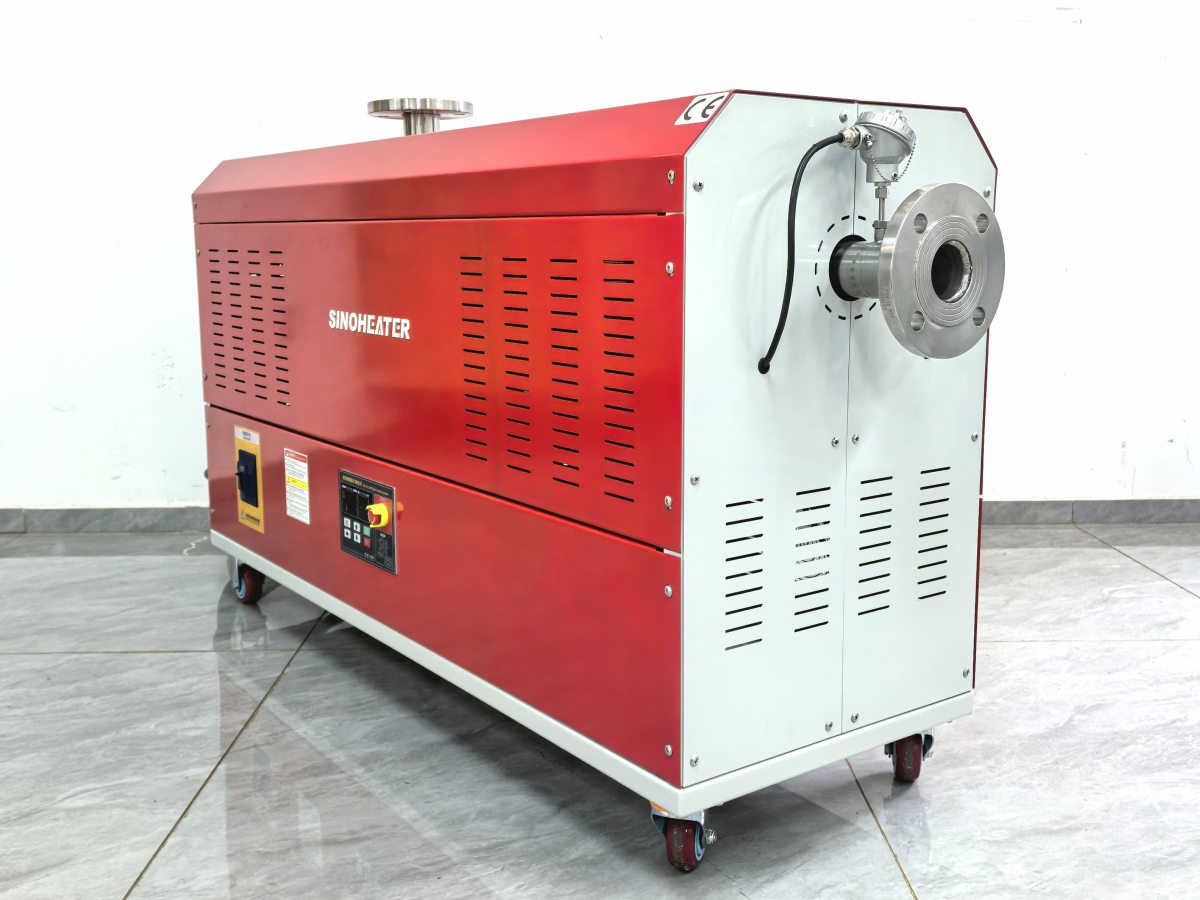
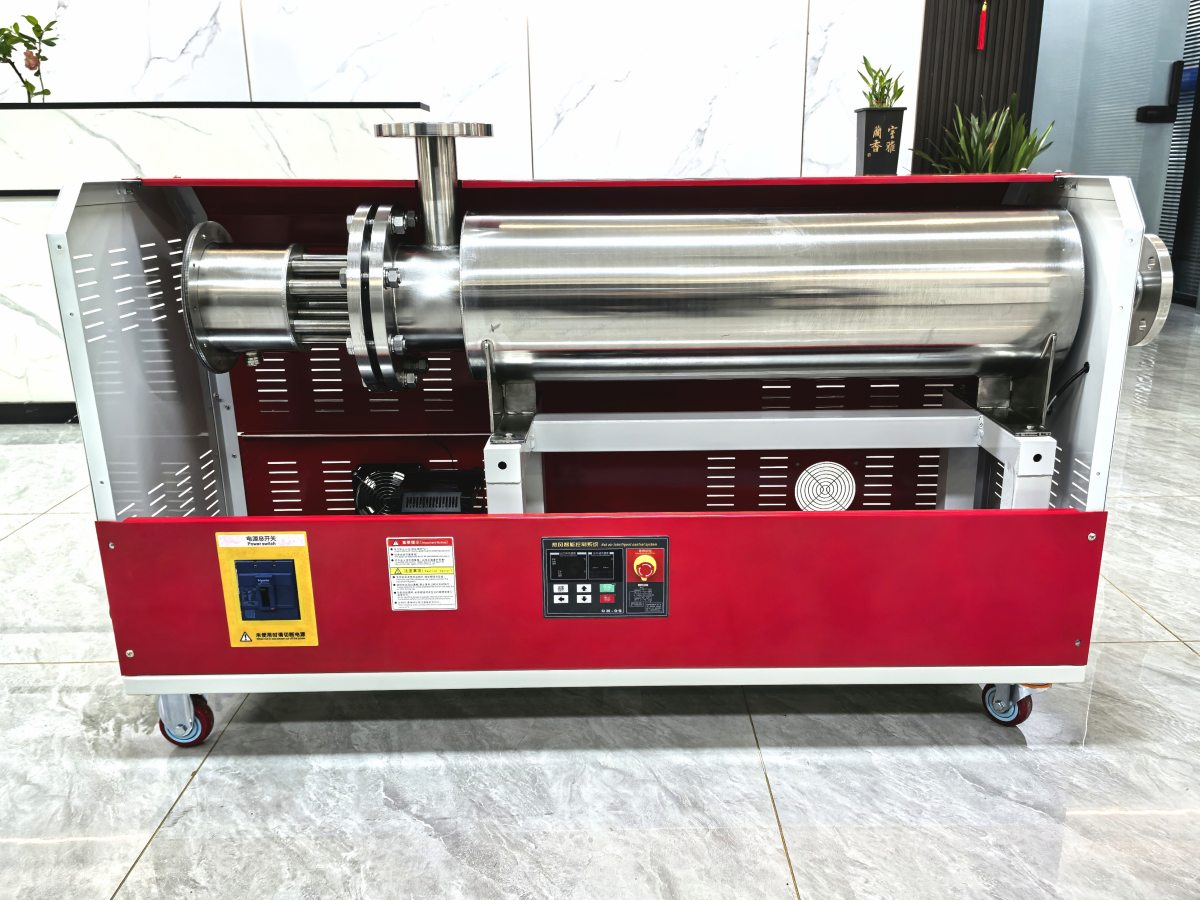
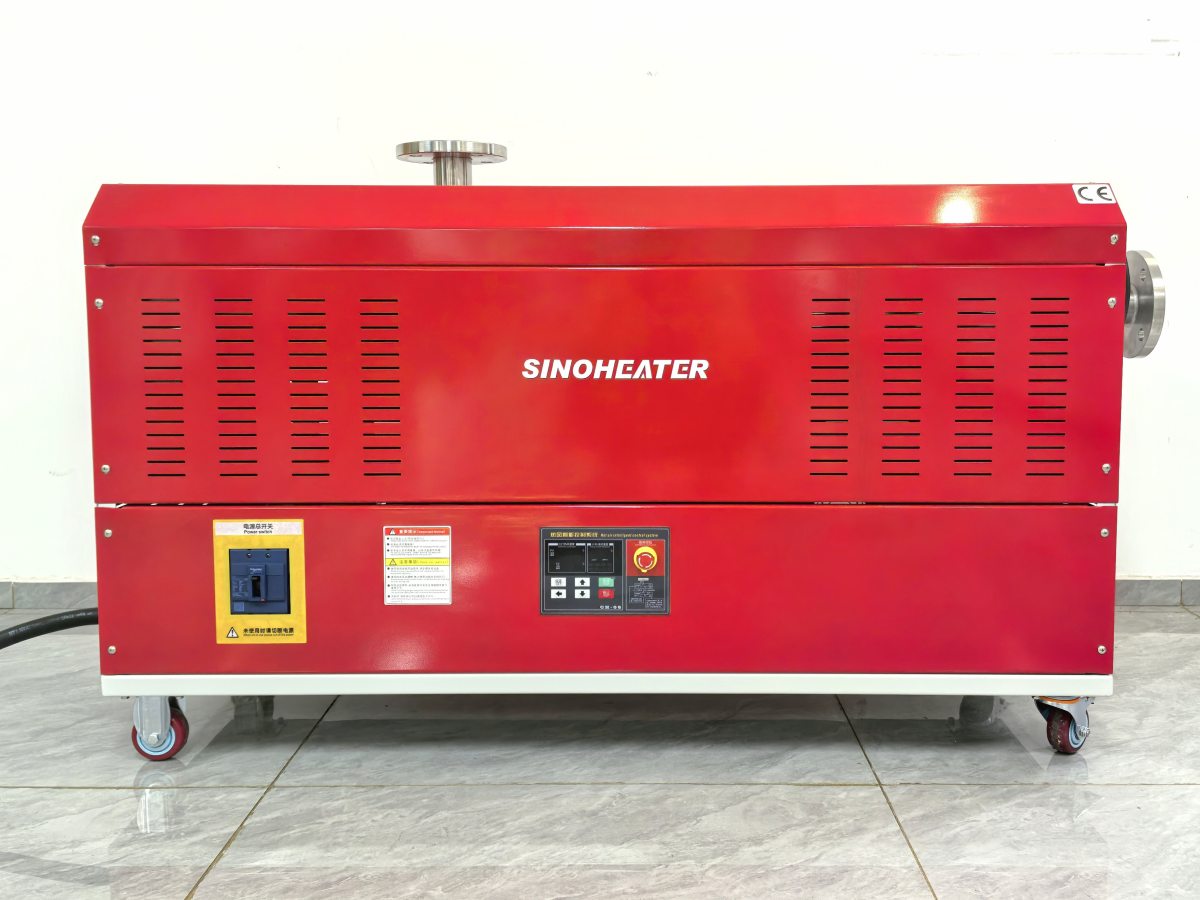
A lightweight aluminum alloy frame is a defining feature in many modern hot air blowers, directly contributing to improved portability, thermal management and structural longevity. The specific characteristics of this frame design go beyond simple weight reduction, encompassing material properties, manufacturing techniques and integrated functional design.
High Strength-to-Weight Ratio and Structural Rigidity
The primary advantage of using aluminum alloy is its exceptional strength-to-weight ratio. This allows the frame to be robust enough to support the internal components—motor, fan, heating element, circuit board—and withstand operational vibrations, while keeping the overall unit weight manageable for handheld or frequently moved applications. The frame is often designed with strategic ribbing, internal gussets and reinforced mounting points. These features increase the frame’s stiffness and torsional rigidity without adding significant mass, preventing flexing or resonance that could lead to fatigue cracks or increased noise during operation.
Integrated Heat Sink Properties and Thermal Pathways
Aluminum alloy possesses excellent thermal conductivity. The frame design leverages this property by incorporating features that help dissipate waste heat from internal components. For instance, the areas around the motor housing or power control module are often cast or machined with fins or extended surfaces that increase contact with the surrounding air. The frame itself acts as a large heat sink, drawing heat away from hot spots and distributing it over a larger area where it can be carried away by the blower’s own airflow or natural convection. This passive cooling helps maintain lower operating temperatures for sensitive electronics and extends the lifespan of internal parts.
Corrosion Resistance and Surface Treatment Durability
Aluminum naturally forms a protective oxide layer, providing inherent resistance to rust and corrosion from humidity or occasional exposure to chemicals in industrial environments. To further enhance durability and appearance, the frame typically undergoes surface treatments. A common process is powder coating, which applies a tough, uniform polymer layer that is resistant to chipping, scratches and UV degradation. Anodizing is another treatment that electrochemically thickens the natural oxide layer, increasing surface hardness and wear resistance while allowing for color dyeing. These finishes ensure the frame maintains its structural integrity and professional appearance over years of use, even in demanding workshop or job site conditions.