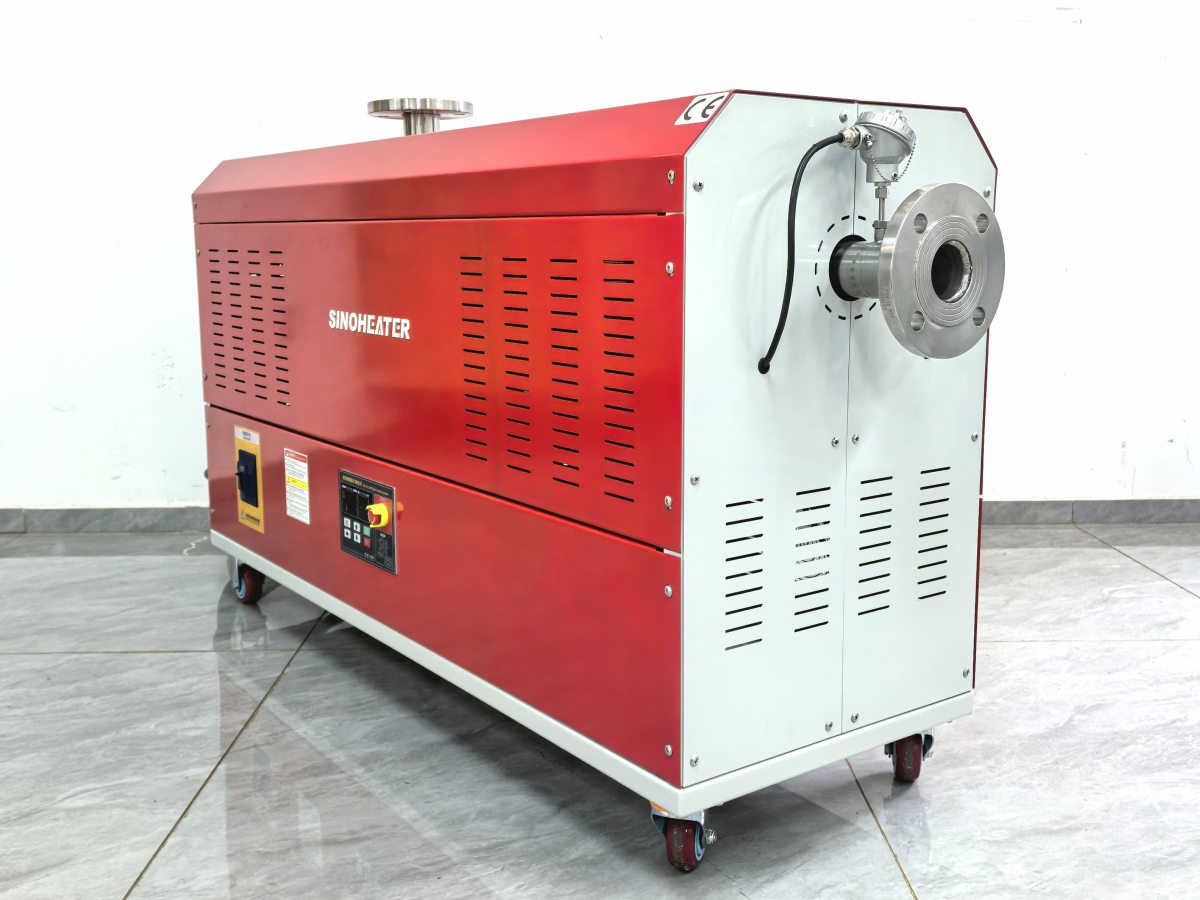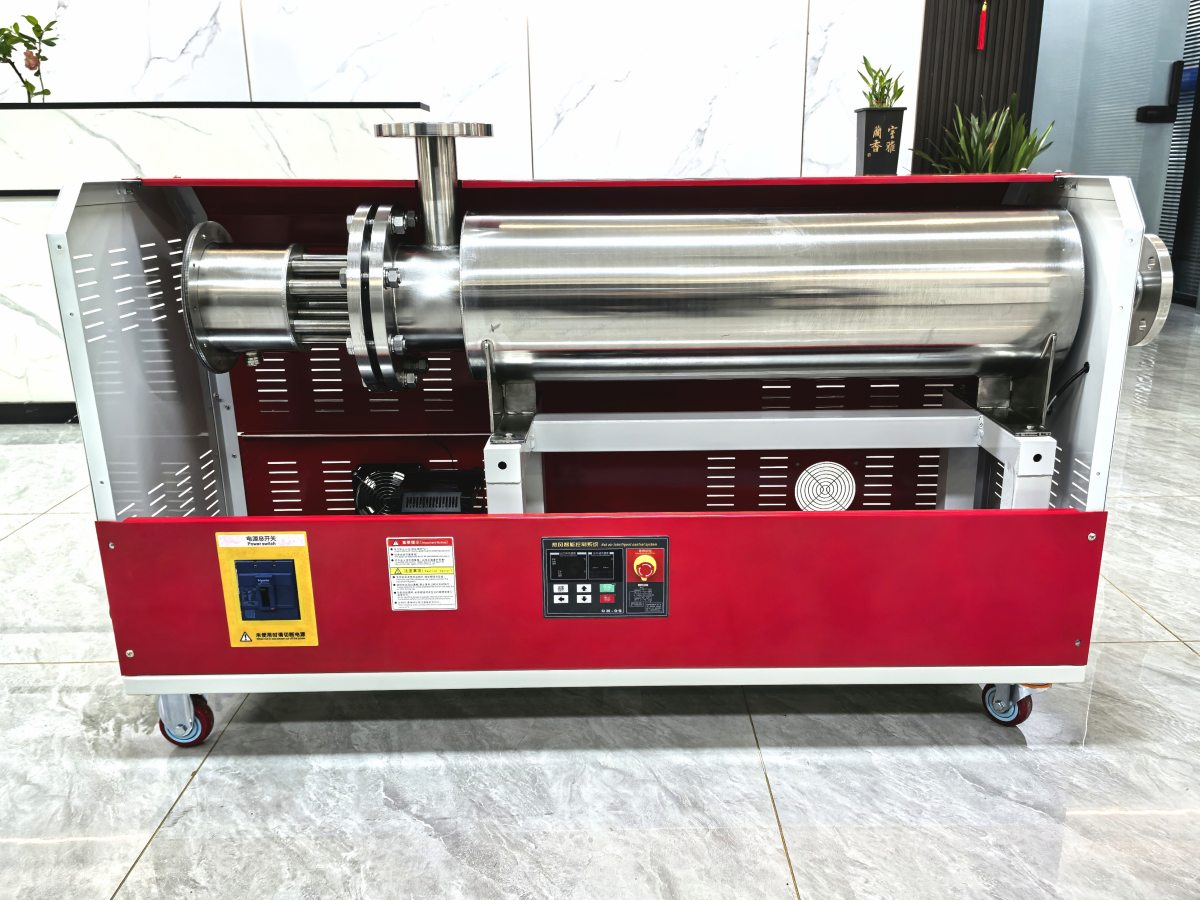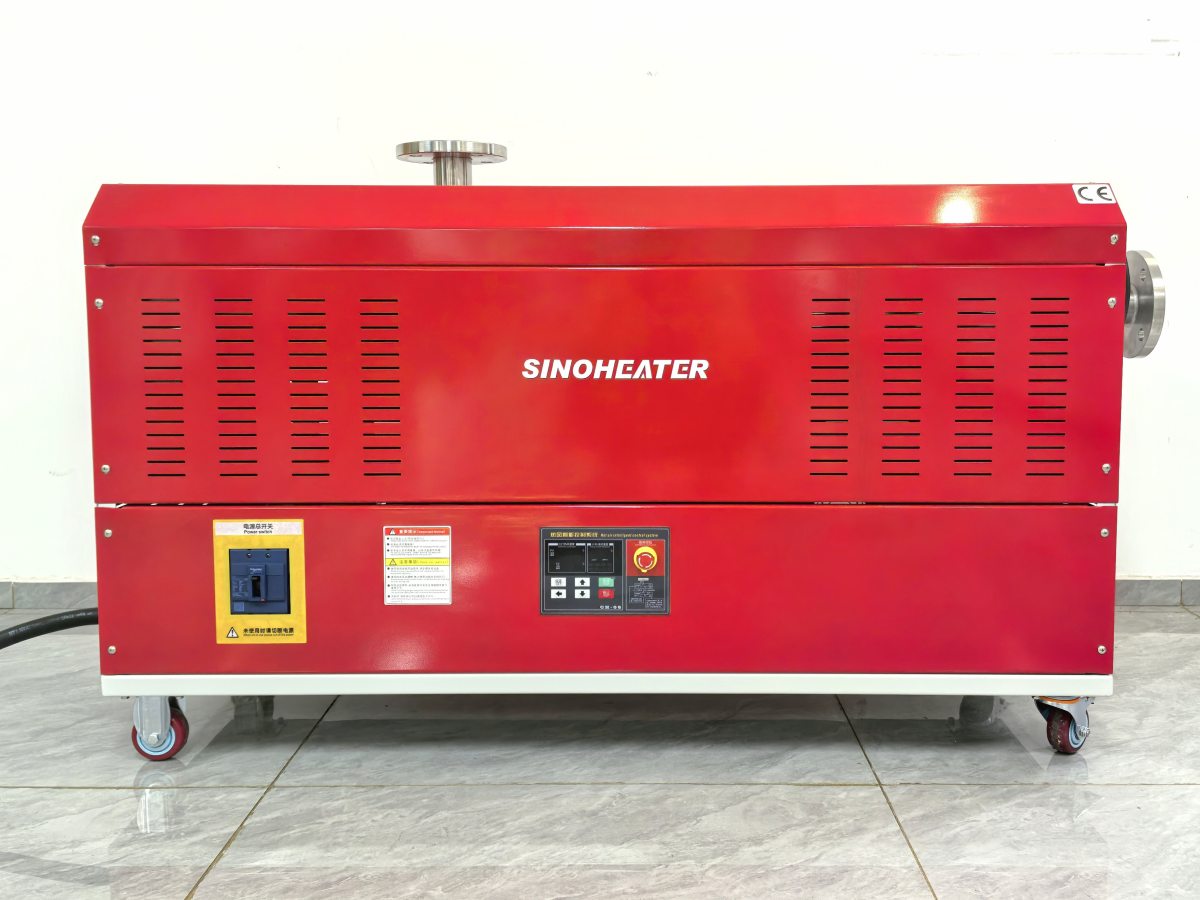
A well-engineered multi-angle rotatable nozzle connection structure is crucial for providing flexibility and precise airflow direction control in hot air blowers. This design must balance ease of adjustment with secure locking, all while maintaining a reliable seal against hot, pressurized air under repeated movement.
Ball Joint or Gimbaled Mounting for Omnidirectional Adjustment
The core of the structure often involves a ball-and-socket or a dual-axis gimbal mechanism. In a ball joint design, a spherical end on the nozzle stem fits into a corresponding socket on the blower’s outlet. This allows the nozzle to be tilted and swiveled through a wide range of angles. The socket incorporates a high-temperature resistant bushing or liner to ensure smooth rotation and reduce wear. A gimbal design uses two perpendicular pivot axes to achieve similar freedom of movement. Both designs provide intuitive, fluid adjustment, enabling users to easily direct the airflow exactly where needed, whether for focused heat on a small component or broad application across a surface.
Tension Control and Position Locking Mechanism
Surrounding the adjustment joint is a mechanism to control the rotational tension and lock the selected position. This is typically achieved with a threaded compression ring, a lever-operated cam, or a spring-loaded collar. As the ring is tightened or the lever engaged, it applies uniform pressure around the ball joint or gimbal axles, increasing friction to hold the position firmly. The mechanism is calibrated to provide enough resistance to prevent the nozzle from drooping under its own weight or due to the force of the airflow, while still allowing an adult user to readjust it with reasonable hand force. A clear tactile or audible click often indicates when the lock is fully engaged, providing user feedback.
High-Temperature Sealing at the Rotational Interface
The most critical technical aspect is maintaining an airtight seal at the rotating interface to prevent hot air leakage, which would reduce efficiency and create a safety hazard. This is accomplished with one or more high-temperature resistant sealing rings. These rings, often made from specialized silicone or fluorocarbon elastomers, are seated in precision-machined grooves on either the ball or the socket. They are designed to maintain constant contact and sealing pressure throughout the entire range of motion. The sealing surfaces are polished to a fine finish to minimize friction and wear on the seals. This design ensures that even after hundreds of adjustment cycles, the connection remains leak-free, containing the full airflow and heat within the intended path.