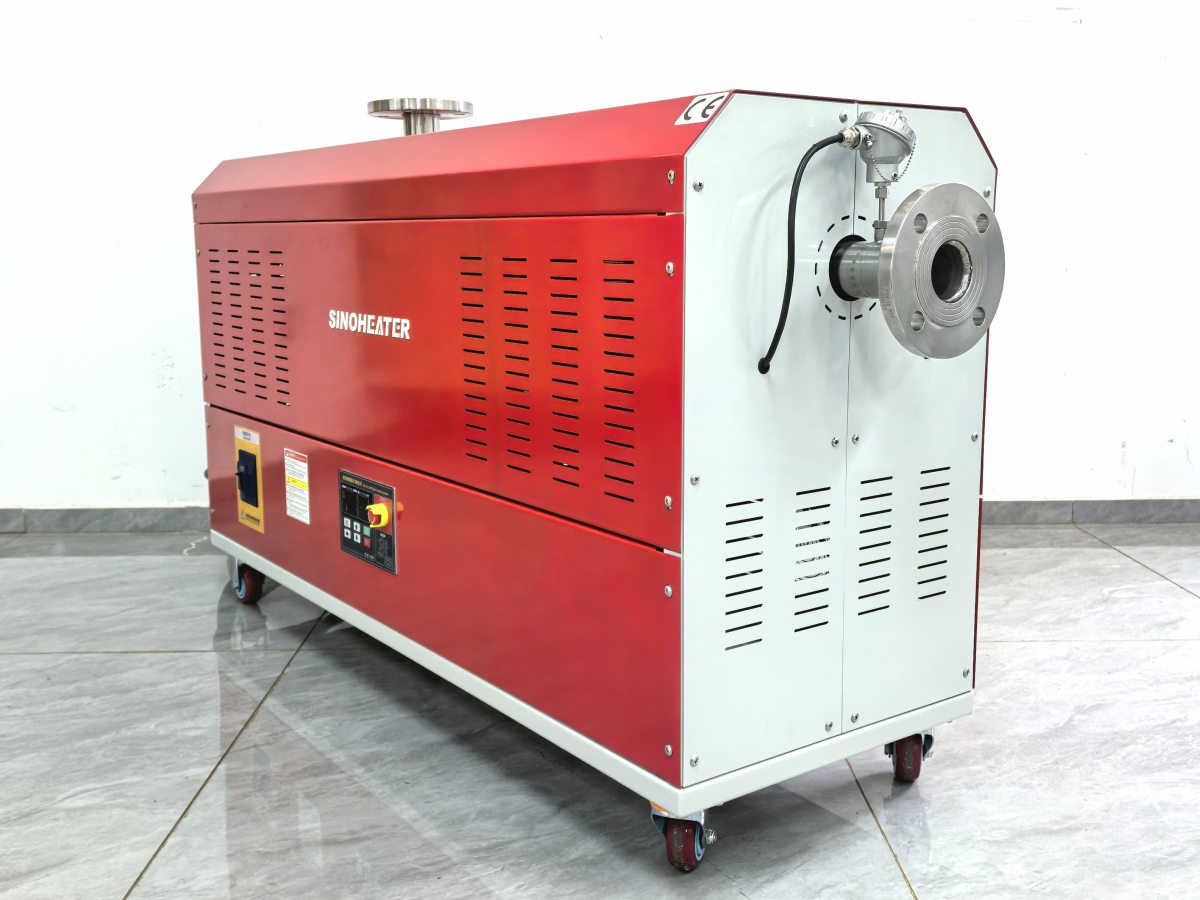
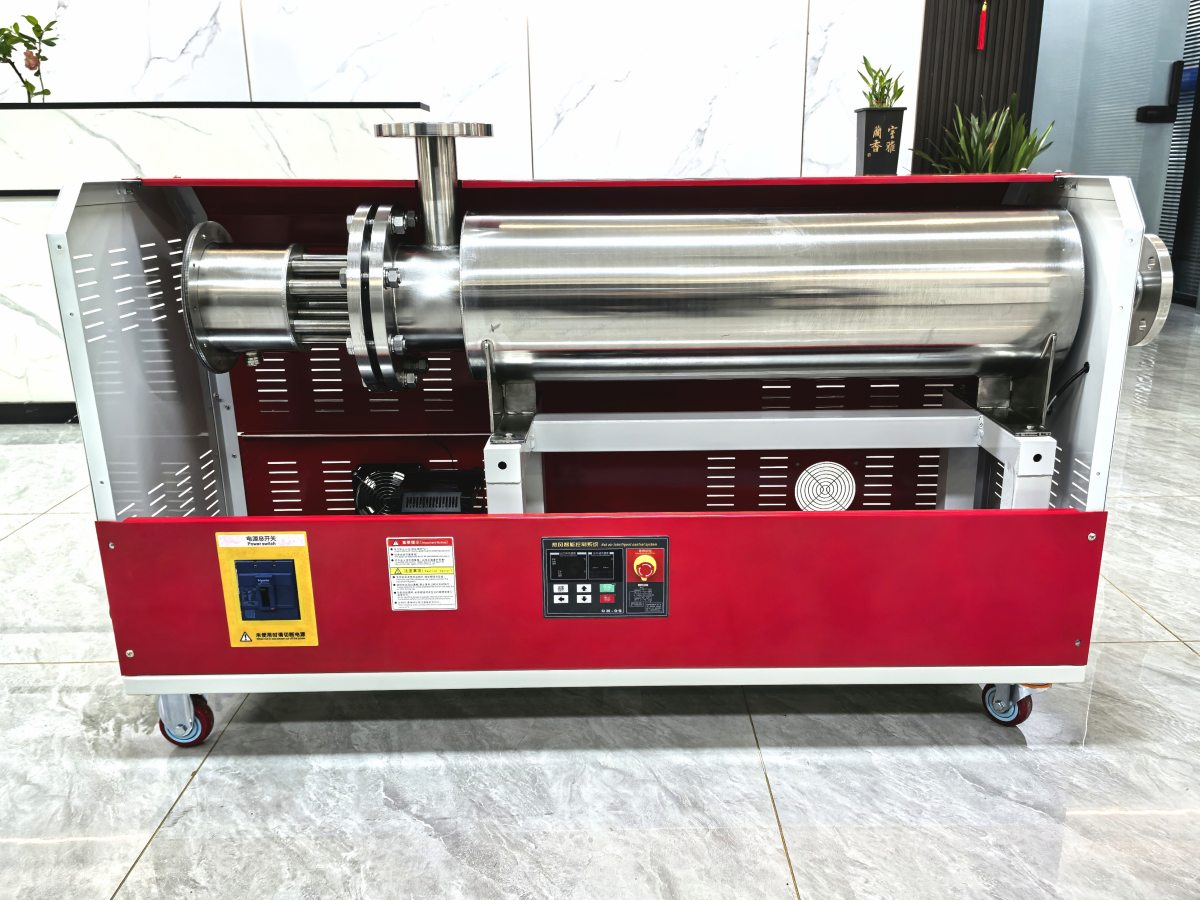
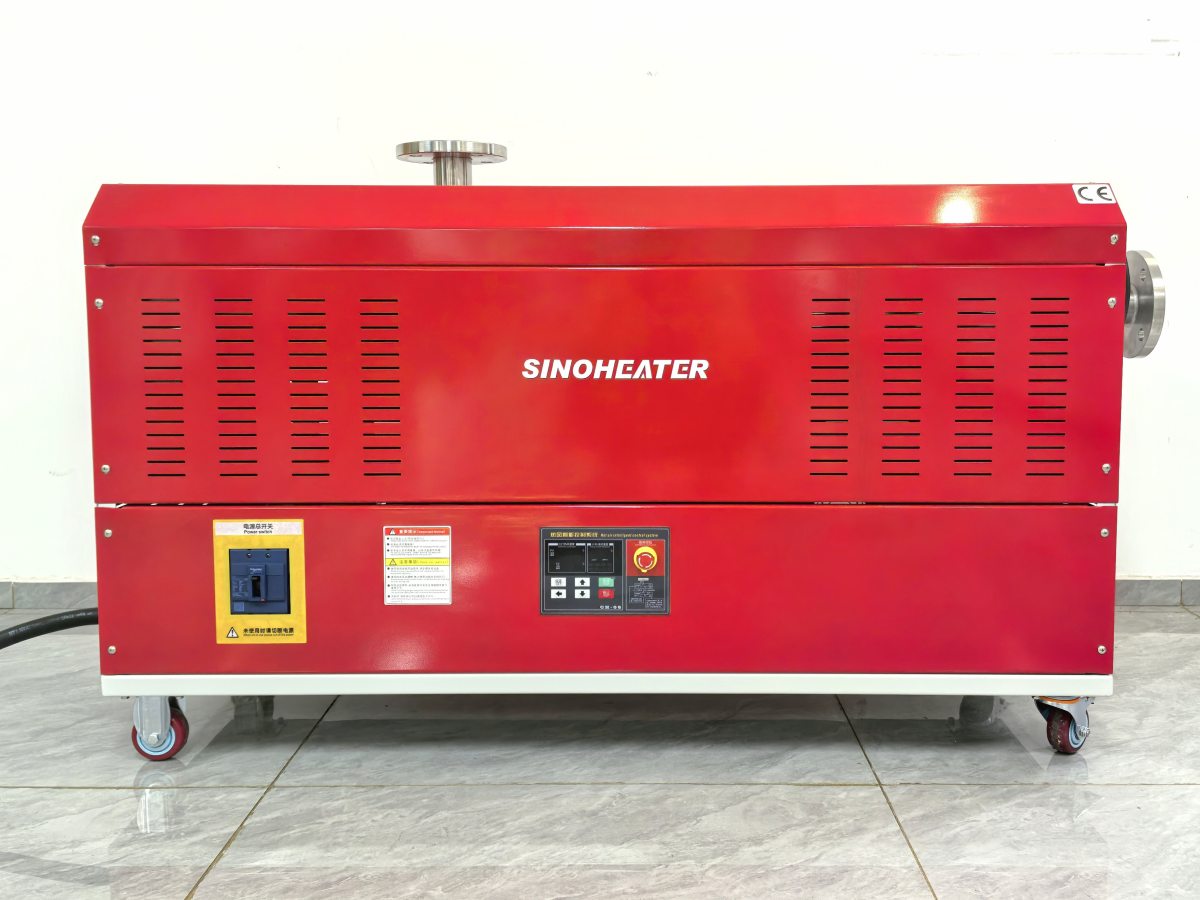
The air volume output size adjustment range of a hot air blower is a critical operational parameter that defines its versatility and suitability for specific applications. Unlike fixed-output devices, a blower with a wide and precise adjustment capability allows operators to tailor the airflow to match process requirements, from delicate preheating to aggressive drying or cooling. Understanding the mechanisms, typical ranges, and influencing factors of this adjustment is essential for selecting and effectively utilizing this equipment in industrial settings.
Primary Adjustment Mechanisms and Control Methods
Air volume in hot air blowers is primarily modulated through two main mechanisms, often used in conjunction. The most common method is an inlet damper or vortex valve, which physically restricts the air intake, thereby reducing the volume of air drawn into the impeller. This method is simple and effective for broad adjustments. The second method involves varying the rotational speed of the blower motor using a variable frequency drive. Speed control offers more precise and energy-efficient modulation across a wide range, as the airflow is roughly proportional to the motor speed. In advanced systems, a programmable logic controller integrates feedback from temperature and pressure sensors to automatically adjust the air volume, maintaining a stable process condition despite external disturbances.
Typical Adjustment Ranges and Performance Characteristics
The achievable adjustment range is expressed as a ratio, such as 30-100%, indicating the blower can operate stably from 30% of its maximum rated airflow up to its full capacity. For centrifugal blowers, a typical effective control range might be from 40% to 100% of maximum flow. It’s crucial to consult the manufacturer’s performance curve, which plots air volume against static pressure. Reducing airflow often increases the static pressure capability up to a point, but operating too far from the design point can lead to inefficiency, increased heat generation, and potential surging in the blower. The “useful” adjustment range is therefore bounded by stable operating zones on this curve, where the blower performs efficiently without risk of damage.
Factors Influencing Effective Range and System Integration
Several factors determine the practical adjustment limits in an application. The system’s aerodynamic resistance is paramount. A high-restriction duct or nozzle system will limit the maximum achievable airflow and may also narrow the stable lower operating limit. The heater element’s capacity must be matched to the airflow range; at low flow rates, the air exit temperature will rise significantly, potentially exceeding safe material limits, while at very high flows, the temperature may drop below the process requirement. For processes requiring consistent temperature, a combined control loop that modulates both heater power and air volume is necessary. Furthermore, the stability of the airflow at the lower end of the range is critical for processes like precision soldering or shrink-fitting, where fluctuating air volume can lead to inconsistent results.